Plan and listen to Zumurrud Khatun Mosque with Audiala.
Audio guide in your pocket, itinerary in your browser. Built for the way you actually visit.
Introduction: The Legacy of Zumurrud Khatun Mosque
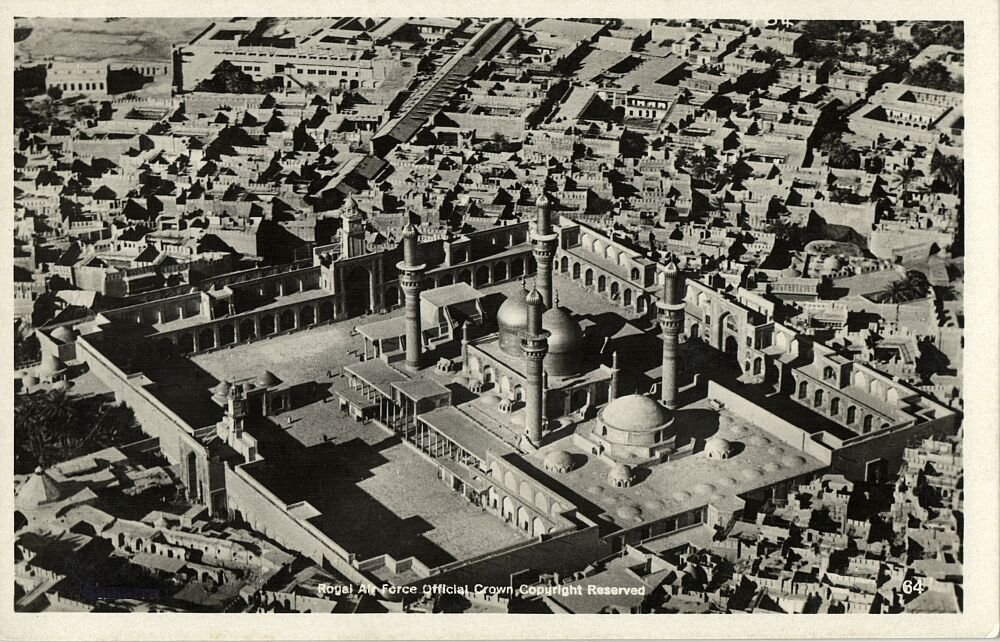
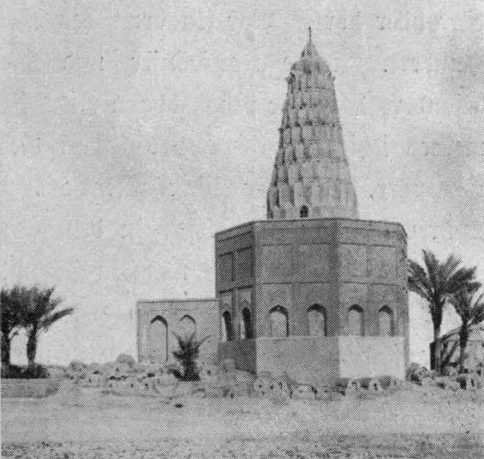
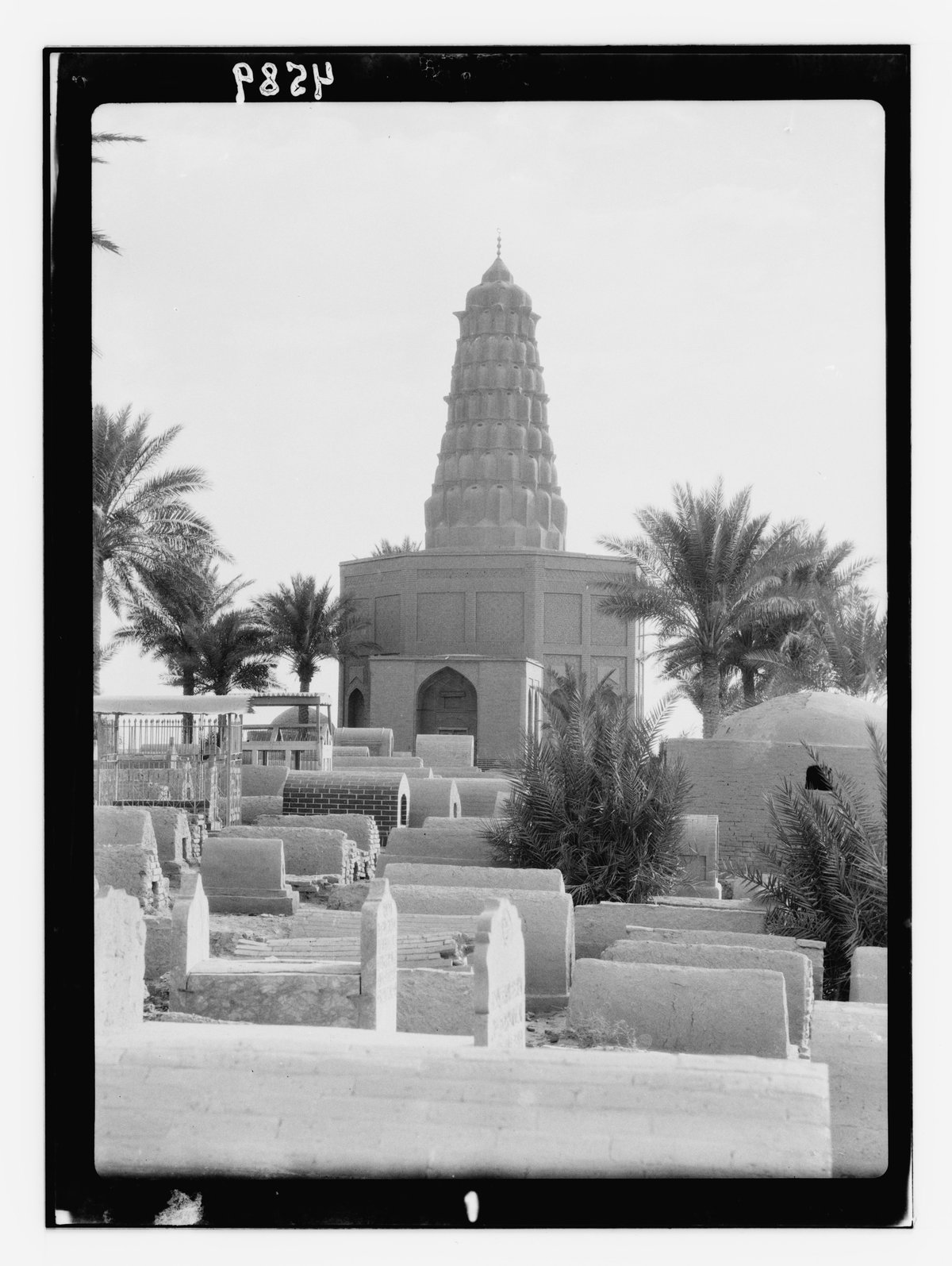
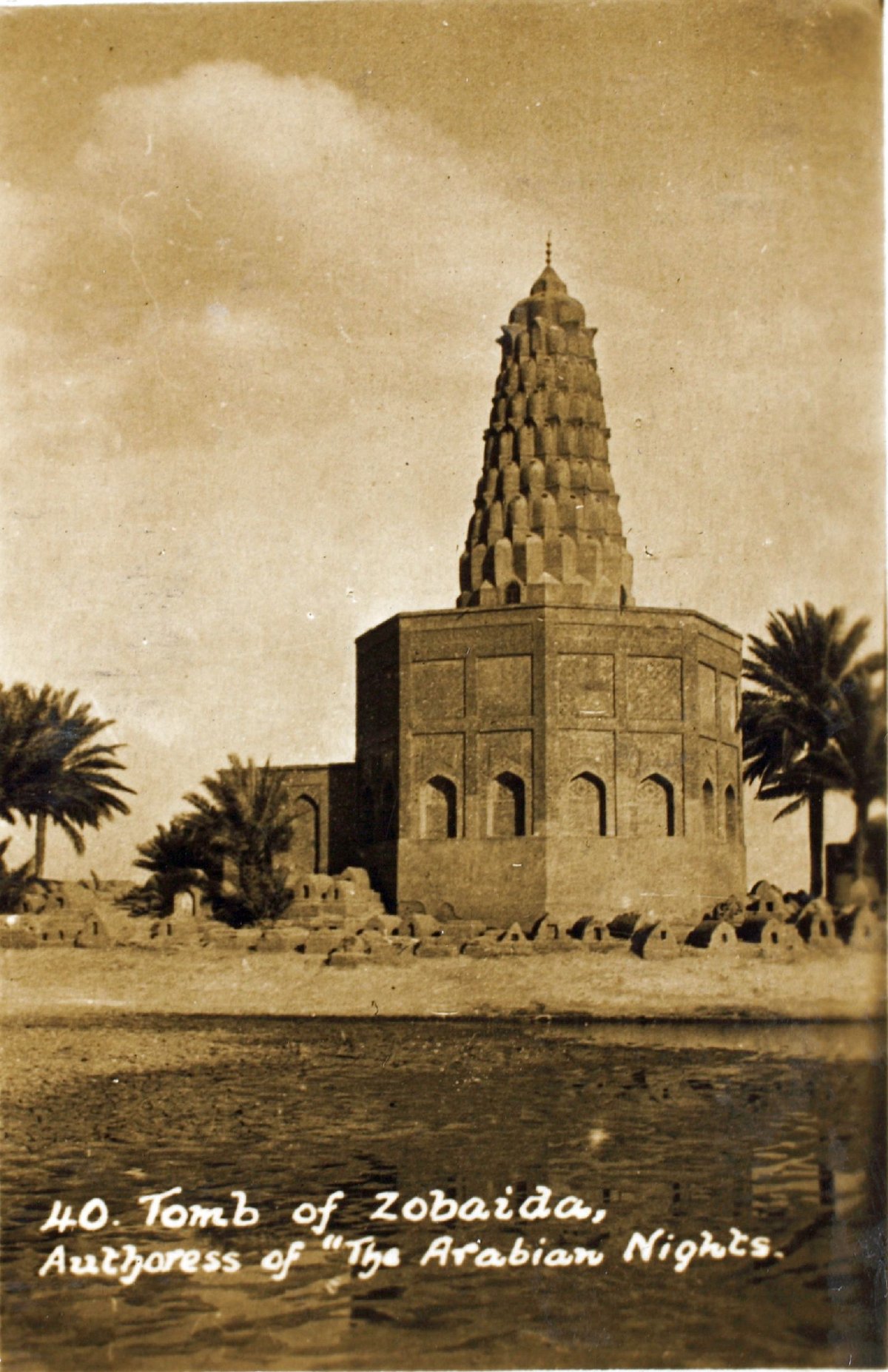
The Zumurrud Khatun Mosque and Mausoleum, nestled in the heart of Baghdad, is a monumental testament to the artistic, religious, and social achievements of the late Abbasid period. Commissioned in the early 13th century by Zumurrud Khatun—an influential woman of the Abbasid court and the mother of Caliph al-Nasir li-Din Allah—the site stands as one of Iraq’s most remarkable historical landmarks. It is celebrated for its architectural innovation, especially its iconic conical muqarnas-decorated dome, and for symbolizing the powerful roles women played in Islamic history (Archnet: Turba Zumurrud Khatun, UNESCO).
Today, the mosque not only serves as a place of worship but also as a beacon of Baghdad’s cultural resilience, attracting history enthusiasts, scholars, and pilgrims eager to explore the city’s Islamic heritage. This guide provides detailed visitor information, historical background, architectural insights, preservation updates, and travel tips to ensure a rich and informed experience at this extraordinary site.
History and Patronage
Commissioned around 1202 CE (598 AH) by Zumurrud Khatun, the mosque and mausoleum embody the enduring legacy of a woman renowned for her piety, generosity, and patronage of religious architecture (Archnet: Turba Zumurrud Khatun). Zumurrud Khatun, who rose from enslavement to become the wife of Caliph al-Mustadi and mother of Caliph al-Nasir, actively supported religious education and public works, making her mausoleum a focal point of Baghdad’s spiritual and civic landscape.
The mosque’s creation aligns with Abbasid traditions of monumental religious and funerary complexes, blending worship with commemoration and architectural innovation.
Architectural Features and Innovations
The Conical Muqarnas Dome
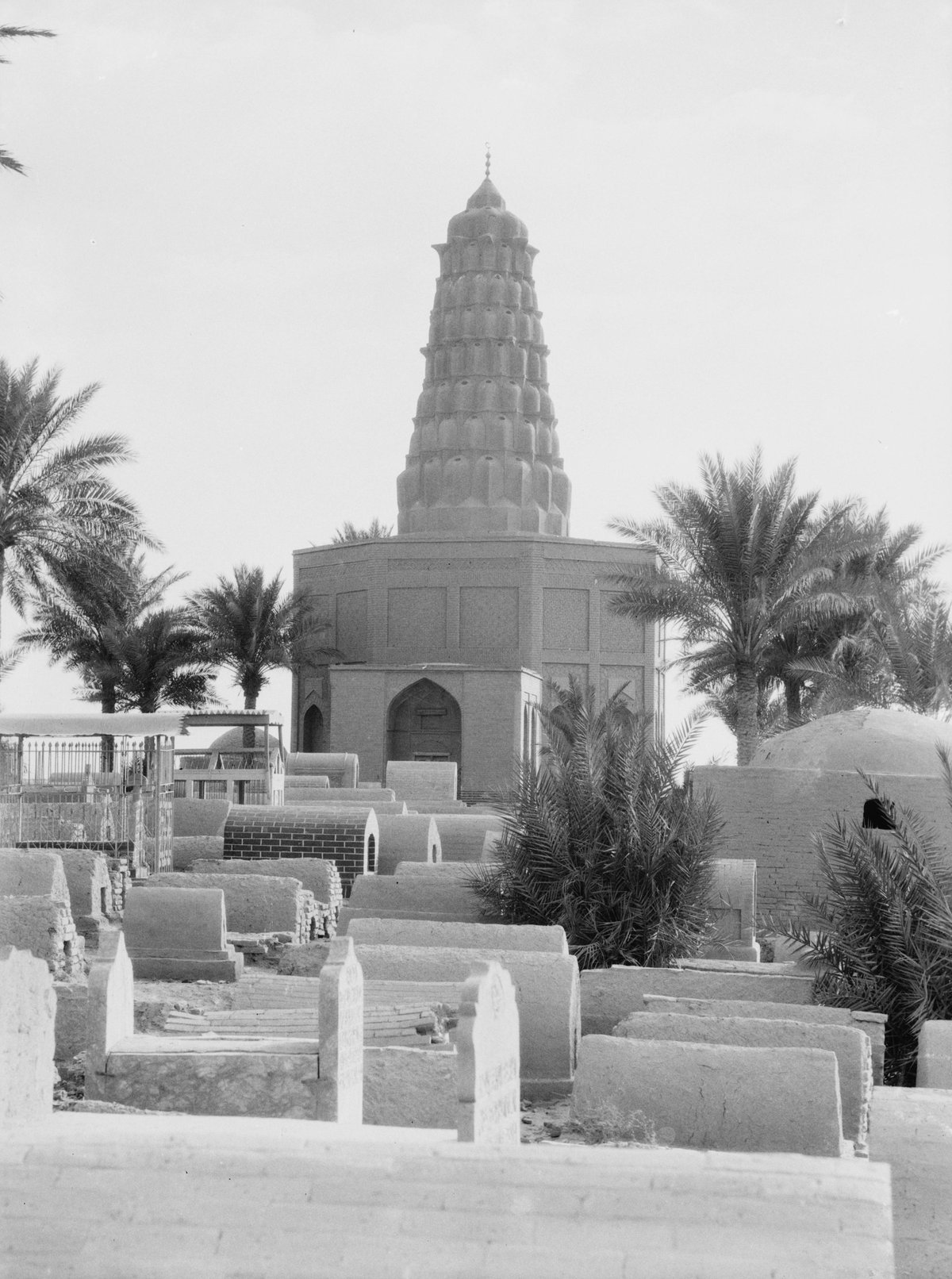
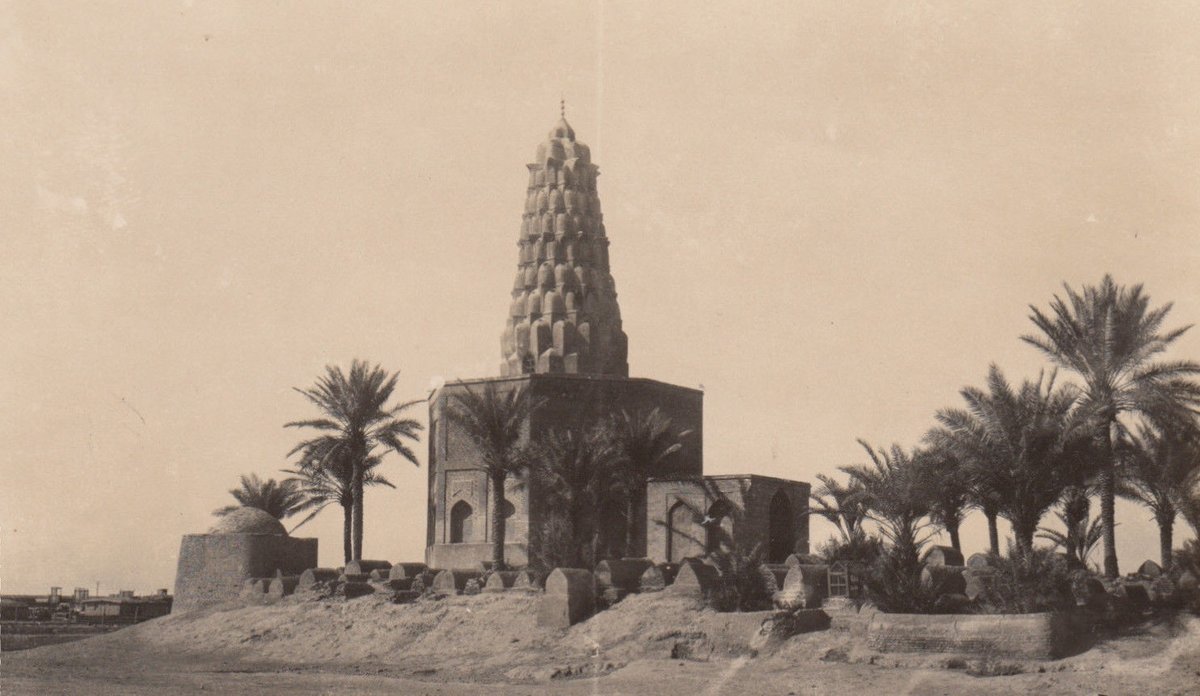
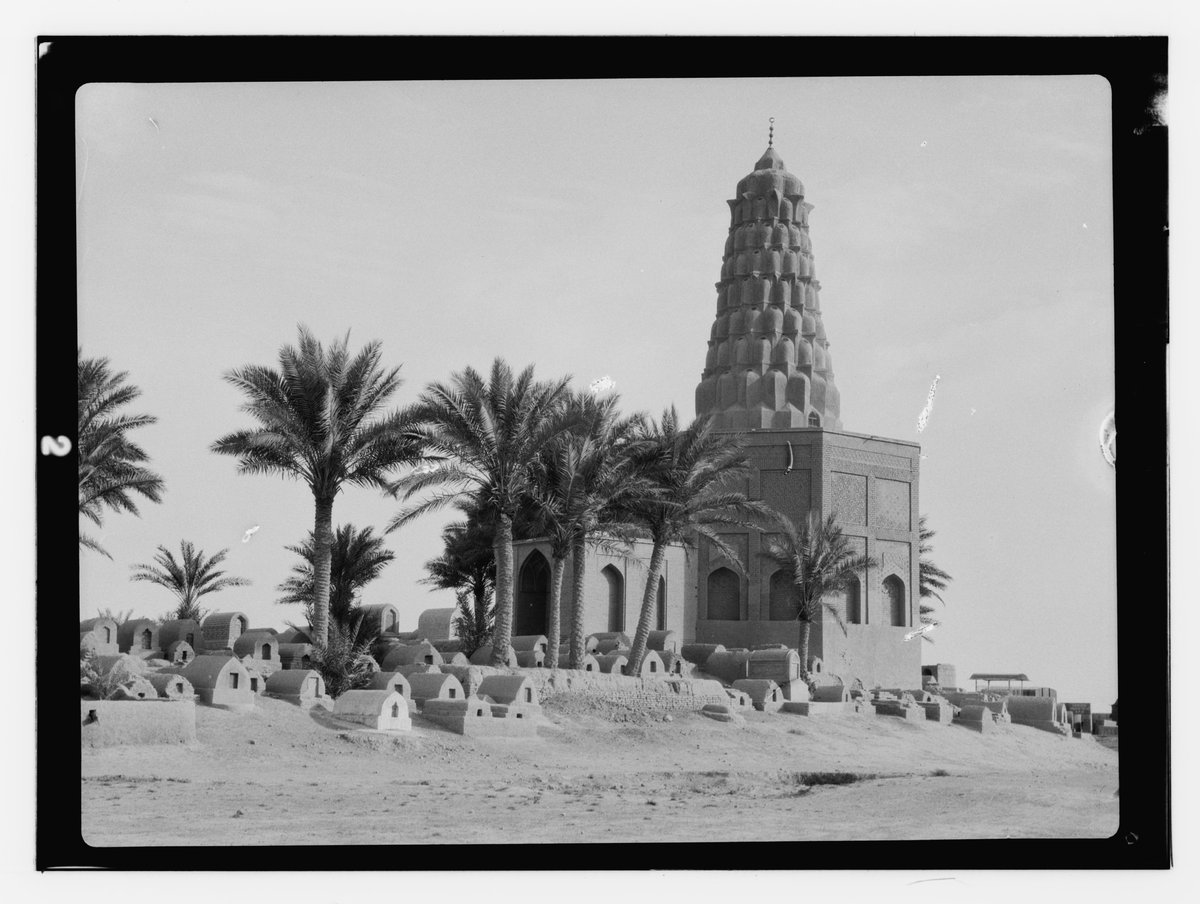
The most distinctive feature of the Zumurrud Khatun Mosque is its conical brick dome, adorned with intricate muqarnas (stalactite-like ornamentation), and supported by an octagonal drum. This dome, rising approximately 14-17 meters, is one of the earliest and most refined examples in Iraq and a hallmark of medieval Islamic architecture (Archnet: Jami' Zumurrud Khatun, Islamic Arts Museum Malaysia). The ribbed design not only enhances visual drama but also provides structural strength, allowing for greater height and stability.
Spatial Organization and Decorative Brickwork
The mosque complex includes a prayer hall, the mausoleum, and ancillary spaces. The prayer hall features a mihrab niche directed toward Mecca, while a short corridor links it to the mausoleum chamber, emphasizing the integration of sacred and commemorative functions (ArchEyes). The exterior and interior surfaces are richly decorated with geometric brick patterns, interlacing stars, zigzags, and Kufic inscriptions, exploiting the play of light and shadow for an immersive visual effect.
Engineering Techniques
Abbasid engineers used advanced techniques such as squinches to transition from the mausoleum’s square base to its octagonal drum, distributing the dome’s weight evenly and preventing structural failure (Archnet). Thick brick walls and herringbone patterns further reinforce durability, while the choice of brick reflects local traditions and the region’s climatic demands.
Influence on Regional Architecture
The mosque’s architectural innovations influenced later Islamic funerary structures, including the Tomb of Sultan Sanjar in Merv and the Mausoleum of Sheikh Abdul Qadir Gilani in Baghdad (UNESCO). Its combination of verticality, geometric decoration, and mosque-mausoleum integration set a precedent for subsequent Islamic architecture.
Visiting Information and Travel Tips
Location
- Address: Sheikh Ma’ruf Cemetery, Karkh District, Baghdad, Iraq (Google Maps)
Visiting Hours
- General Hours: Open daily from 8:00 AM to 6:00 PM. Hours may vary during religious holidays or special events. Always check locally before your visit.
Ticket Policy
- Admission: Free of charge. Donations for preservation are welcome.
Accessibility
- Mobility: Limited wheelchair access due to historic design; visitors with mobility concerns should contact local guides in advance.
- Transportation: Accessible by taxi or public transport from central Baghdad. Travelers should consult current security advisories.
Guided Tours
- Availability: Local heritage organizations and travel agencies offer guided tours, providing in-depth historical and architectural context.
Visitor Tips
- Dress modestly out of respect for local customs.
- Photography is generally permitted; seek permission before photographing people or religious events.
- Early morning or late afternoon visits offer the best lighting and milder temperatures.
- Bring water and sun protection, especially during summer months.
- Facilities are limited on site; plan accordingly.
Preservation Status and Challenges
Ongoing Threats
The Zumurrud Khatun Mosque faces numerous preservation challenges, including:
- Environmental Threats: Extreme temperatures, sandstorms, humidity fluctuations, and water infiltration from rain or river proximity, all contribute to structural erosion and mortar weakening (UNESCO, 2023).
- Urban Encroachment and Pollution: Modern development and pollution accelerate damage and complicate preservation efforts.
- Conflict and Vandalism: Past decades of conflict in Iraq have led to loss of decorative elements, looting, and occasional vandalism (Al Jazeera, 2019).
Restoration and Community Engagement
Restoration has been sporadic, with some efforts criticized for using inappropriate materials. Recent partnerships between Iraqi authorities and international organizations prioritize traditional techniques, though skilled artisan shortages and funding gaps persist (World Monuments Fund, 2024). Community engagement is increasingly emphasized, with local youth involved in conservation training initiatives.
Legal and Administrative Hurdles
The site’s management is complicated by overlapping administrative jurisdictions and debates over balancing religious function with heritage preservation (Iraqi Heritage Board, 2022). Proposals to expand facilities or ticket the site have met resistance from local worshippers.
Security and Artifact Protection
The mosque’s artifacts are at risk of theft and illicit trade, and weak site security exacerbates these concerns (World Monuments Fund, 2024).
International Support
International aid has supported emergency stabilization and documentation, but full restoration is underfunded. The site’s pending UNESCO World Heritage inscription could enhance protection and attract further resources (UNESCO, 2023).
Cultural and Religious Significance
The Zumurrud Khatun Mosque remains both an active place of worship and a revered pilgrimage site, especially among Sufi communities. The mausoleum, located within the sacred Sheikh Ma’ruf cemetery, is a focal point for ziyara (visitation) and religious reflection. Zumurrud Khatun’s legacy as a female patron continues to inspire and empower visitors, underlining the mosque’s lasting importance in Baghdad’s spiritual and cultural life.
Frequently Asked Questions (FAQ)
Q: What are the Zumurrud Khatun Mosque visiting hours?
A: Generally open daily from 8:00 AM to 6:00 PM. Hours may change during religious events.
Q: Is there an entrance fee or ticket required?
A: Entry is free, but donations are appreciated to support site maintenance.
Q: Is the mosque wheelchair accessible?
A: Accessibility is limited due to historic architecture; contact local operators for assistance.
Q: Are guided tours available?
A: Yes, through local travel agencies and heritage groups.
Q: Is photography allowed?
A: Photography is permitted in most areas, but please be respectful of worshippers and religious activities.
Q: What is the best time to visit?
A: Early mornings and late afternoons offer comfortable temperatures and ideal lighting.
Nearby Attractions
While visiting the Zumurrud Khatun Mosque, explore Baghdad’s other historical treasures:
- Abbasid Palace: Remnants of a 13th-century royal residence.
- Al-Mustansiriya Madrasah: One of the oldest universities in the world.
- Iraq Museum: Showcasing Mesopotamian artifacts.
- Al-Mustansiriya School: A masterpiece of medieval Islamic education.
Summary and Visitor Recommendations
The Zumurrud Khatun Mosque and Mausoleum stands as an enduring symbol of Baghdad’s rich historical and spiritual heritage. Its architectural splendor, innovative engineering, and deep religious significance reflect the cultural vibrancy of the Abbasid era and the influential patronage of Zumurrud Khatun. Despite facing ongoing preservation challenges, the mosque remains a living monument, offering visitors insight into centuries of Islamic tradition, art, and devotion.
To ensure a meaningful visit:
- Confirm current opening hours and accessibility locally.
- Take advantage of guided tours for deeper historical context.
- Respect the mosque’s religious function during your visit.
- Consider supporting preservation through donations or local heritage initiatives.
- Explore nearby historical sites for a comprehensive experience of Baghdad’s storied past.
For further information, virtual tours, and travel updates, download the Audiala app and follow us on social media.
References and Further Reading
Listen to the full story in the app
The whole Zumurrud Khatun Mosque,
told well.
Listen to sourced travel stories with local history and practical context — ready offline.

Verified, and shown.
Researched and written by the Audiala editorial team from historical records, architectural archives, and local expertise.
Built from cited sources · see the method · How we make our guides →