Plan and listen to Sayidat Al-Nejat Cathedral In Baghdad with Audiala.
Audio guide in your pocket, itinerary in your browser. Built for the way you actually visit.
Introduction
Sayidat Al-Nejat Cathedral—also known as Our Lady of Salvation Cathedral—is one of Baghdad’s most significant religious and cultural landmarks. Situated in the vibrant Al Karadah al Sharquiya district, this cathedral is the heart of the city’s Syriac Catholic community and stands as a testament to faith, resilience, and architectural ingenuity. With a history marked by both tragedy and hope, the cathedral welcomes worshippers, pilgrims, and curious travelers alike, offering insight into Iraq’s Christian heritage and the perseverance of its people (Wikipedia; Mesopotamia Heritage).

Early Christian Presence and the Cathedral’s Foundation
Christian communities have been present in Baghdad since the early 19th century, with significant growth in the 20th century due to migration and urban expansion. The original church serving the Syriac Catholic faithful was built in 1952, reflecting the growing needs of the community. As the congregation continued to expand, plans were made for a larger, more architecturally ambitious cathedral, culminating in the construction of Sayidat Al-Nejat between 1965 and 1968 (Wikipedia; Mesopotamia Heritage).
Architectural Vision and Construction
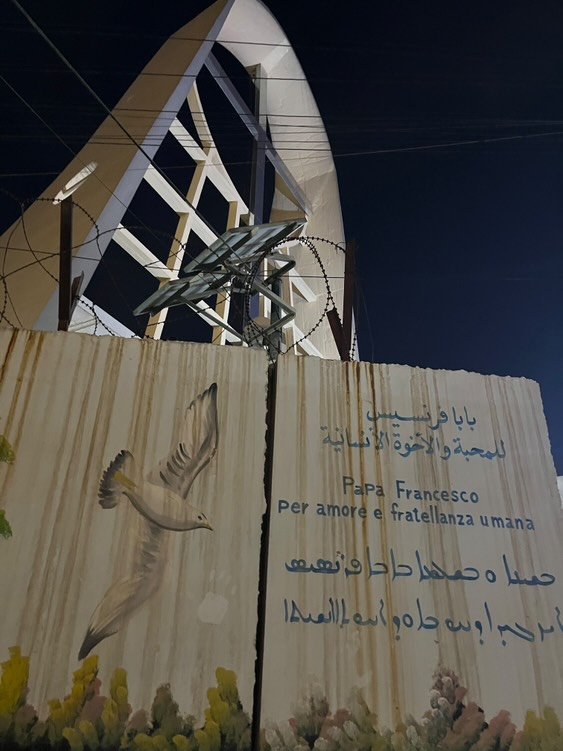
Designed by Polish architect Kafka in collaboration with the Romaya engineering agency, the cathedral’s structure is inspired by the image of a boat—a symbol of the Church guiding the faithful through turbulent times. The soaring cross at the apex acts as the mast, while the curved roof suggests a sail filled with hope and faith. Officially inaugurated in 1968, the cathedral’s modernist style is enriched with traditional motifs, blending local craftsmanship and symbolism (Mesopotamia Heritage; GCatholic).
The Cathedral’s Role in Christian Life
Sayidat Al-Nejat is more than an architectural landmark; it is the focal point for worship, community gatherings, and social outreach within Baghdad’s Syriac Catholic community. It hosts regular liturgical celebrations, sacraments, and commemorative events, and is deeply associated with Marian devotion under the title “Our Lady of Salvation.” The cathedral also maintains spaces for mourning and remembrance, including the original 1952 church, now used for condolences (GCatholic).
Tragedy and Resilience
Attacks and Restoration
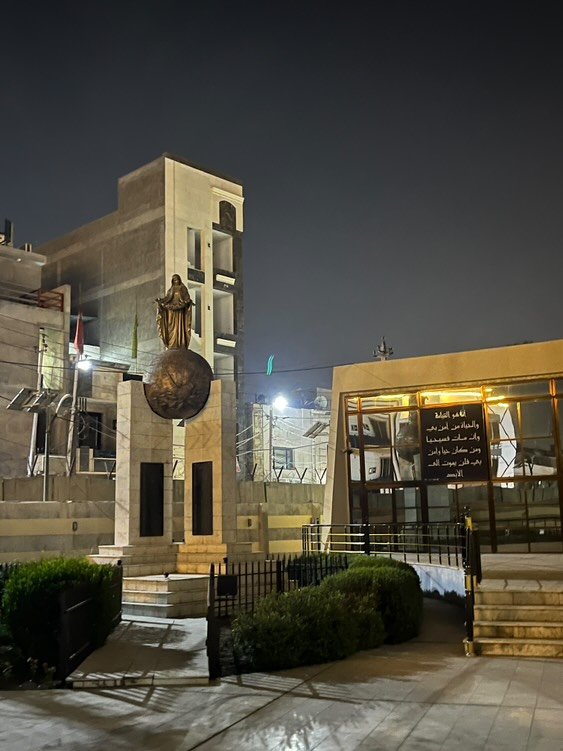
The cathedral’s history has been marked by periods of violence, including a bombing in 2004 and the devastating terrorist attack in 2010, when militants killed dozens of worshippers and clergy during Sunday Mass (CNN; Syriac Press). In response, the cathedral underwent extensive restoration, reopening in 2012 with added memorial spaces that honor the victims and reaffirm the community’s determination to persevere (wiki2.org).
Interfaith Symbolism and Community Role
Constructed with the contributions of both Christian and Muslim Iraqis, the cathedral represents a bridge between communities and a symbol of interfaith cooperation. Its significance was further underscored by Pope Francis’s visit in 2021, which brought international attention to the plight and endurance of Iraq’s Christian minority (wiki2.org).
Visiting Sayidat Al-Nejat Cathedral
Location
The cathedral is located in Al Karadah al Sharquiya, a district known for religious diversity and cultural vibrancy. Its proximity to the Tigris River and National Theatre makes it accessible and easy to find (Mesopotamia Heritage; Trek Zone).
Visiting Hours
- Open daily: 8:00 AM – 6:00 PM
- Note: Hours may vary during religious holidays and special events. Confirm in advance with local contacts or the archdiocese.
Admission and Tickets
- Entry: Free of charge
- Donations: Welcome and encouraged to support maintenance and community programs
Accessibility
- Entrances and Facilities: The cathedral features ramps and broad walkways for wheelchair access.
- Interior: Seating and facilities are designed to accommodate visitors with mobility needs.
Dress Code and Etiquette
- Modest dress is required. Women should cover heads and shoulders; men should avoid shorts and sleeveless shirts.
- Maintain a respectful demeanor, especially during services and in memorial areas.
- Photography is allowed, but always seek permission before photographing people or ceremonies.
Guided Tours
- Guided tours can be arranged through local church offices or reputable tour operators, offering insights into the cathedral’s history, architecture, and religious significance.
Safety and Practical Tips
- Baghdad’s central districts, including Karrada, have enhanced security. Expect checkpoints and police presence.
- Carry copies of your passport and visa.
- Arrange transport through trusted sources; ride-hailing apps may be unreliable.
- Stay updated on travel advisories and register with your embassy before your visit.
Architectural Highlights
- Boat-Shaped Design: Symbolizes the Church guiding the faithful through adversity, with the cross as a mast.
- Modernist and Traditional Motifs: The structure uses local masonry and features mosaics, stained glass, and Syriac iconography.
- Memorial Room: Dedicated to victims of the 2010 attack, with photographs and artifacts.
- Esplanade and Community Spaces: Large open area for gatherings and festivals, reflecting the cathedral’s role as a social hub.
Nearby Attractions
- Cathedral of Our Lady of Nareg: Armenian Catholic cathedral, 380 meters away
- Latin Cathedral of St. Joseph: Another historic Christian site in the vicinity
- Meir Taweig Synagogue: Highlighting Karrada’s religious diversity
- National Theatre of Baghdad: Offers cultural performances and events
Frequently Asked Questions (FAQ)
Q: What are the visiting hours for Sayidat Al-Nejat Cathedral?
A: Daily from 8:00 AM to 6:00 PM; hours may vary during holidays.
Q: Is there an entrance fee?
A: No, entry is free, but donations are encouraged.
Q: Are guided tours available?
A: Yes, through local church offices or authorized tour operators.
Q: Is the cathedral accessible for people with disabilities?
A: Yes, ramps and accessible entrances are provided.
Q: Can I attend religious services?
A: Visitors are welcome to attend public services, respecting local customs.
Q: Is photography allowed?
A: Generally yes, but always ask permission before photographing individuals or during services.
Q: How safe is it to visit?
A: Central Baghdad is relatively safe with robust security, but stay informed about current advisories and follow local guidance.
Listen to the full story in the app
The whole Sayidat Al-Nejat Cathedral In Baghdad,
told well.
Listen to sourced travel stories with local history and practical context — ready offline.
Verified, and shown.
Researched and written by the Audiala editorial team from historical records, architectural archives, and local expertise.
Built from cited sources · see the method · How we make our guides →