Plan and listen to Round City Of Baghdad with Audiala.
Audio guide in your pocket, itinerary in your browser. Built for the way you actually visit.
Introduction: The Legacy and Cultural Significance of the Round City of Baghdad
The Round City of Baghdad, known as Madinat al-Salam ("City of Peace"), is one of history’s most iconic urban achievements, representing the zenith of the Abbasid Caliphate’s power and intellectual vitality during the Islamic Golden Age. Established in 762 CE by Caliph al-Mansur, the city’s perfectly circular design was a bold statement of political authority and cosmological harmony. Though the physical city has vanished beneath the modern metropolis, its influence persists in Baghdad’s urban structure, cultural identity, and global reputation as a former epicenter of scholarship, trade, and the arts.
This guide offers travelers a comprehensive overview of the Round City’s historical significance, practical visitor information, nearby attractions, and travel tips, ensuring a meaningful and safe exploration of Baghdad’s enduring heritage. Whether you are a history enthusiast or a curious traveler, this guide provides the essential knowledge and tools to experience the spirit of the Abbasid Golden Age in the heart of Iraq (Visiting the Round City of Baghdad: History, Tickets, and Travel Tips; Round City Baghdad Visiting Hours, Tickets & Historical Significance).

Historical Background
The Founding Vision
The Round City was meticulously planned and constructed under the orders of Caliph al-Mansur in 762 CE. Its strategic location along the Tigris River facilitated access to vital trade routes, making it both a commercial hub and a political stronghold. The city's circular blueprint, unprecedented in scale, symbolized not only Abbasid authority but also the universal order and inclusivity the Caliphate aspired to embody.
Urban and Architectural Marvels
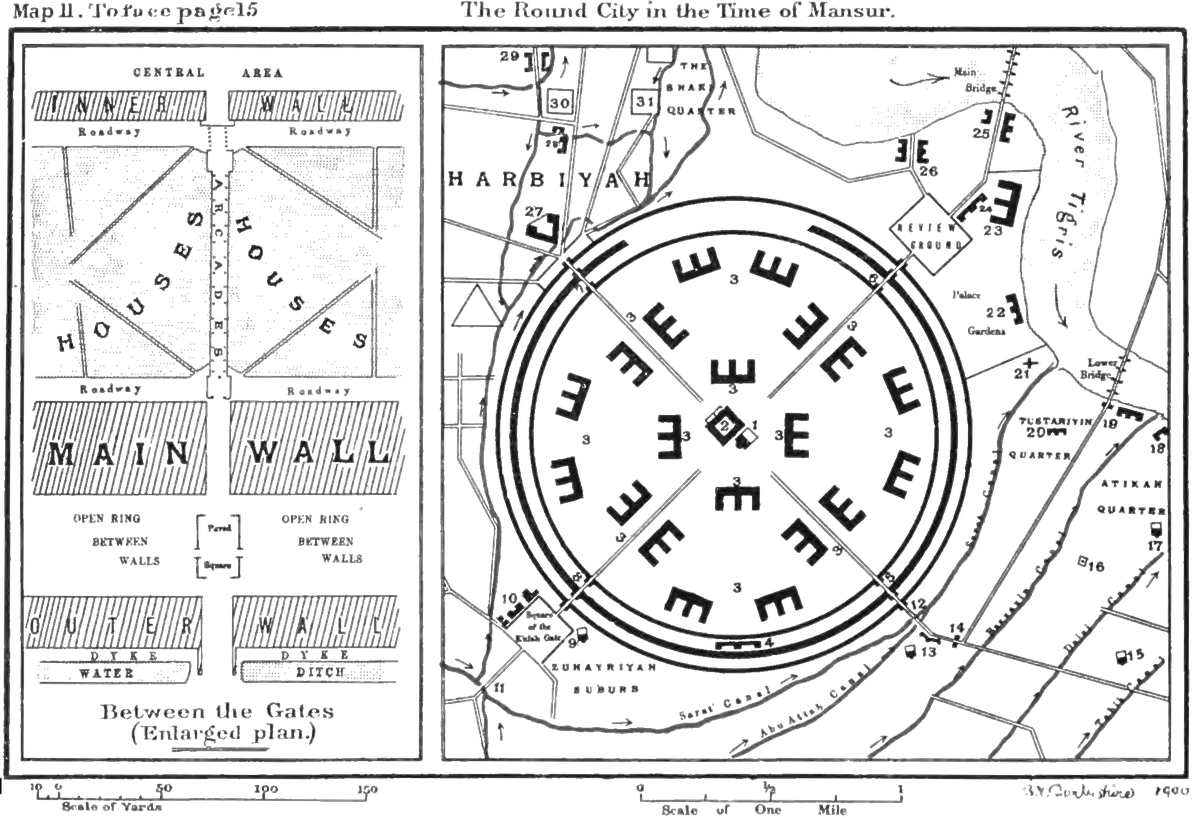
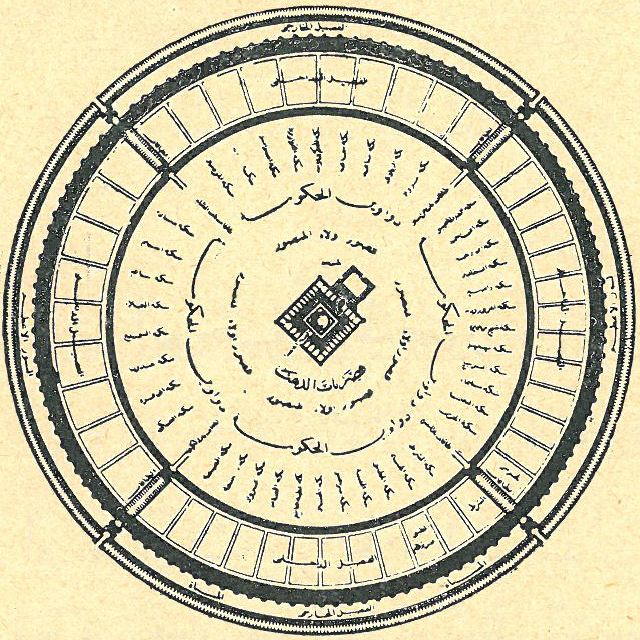
Encompassing a diameter of approximately two kilometers, the city was protected by double walls and a moat. Four monumental gates—Bab al-Kufa, Bab al-Basra, Bab al-Khorasan, and Bab al-Sham—connected Baghdad to regions across the empire. At the city’s very center stood the caliph’s palace and the Great Mosque, signifying the fusion of political and religious power.
Political and Cultural Impact
Baghdad’s establishment marked a transformative era as the city attracted intellectuals, merchants, and artisans from across the Islamic world. By the 9th century, its population surpassed one million, making it the world’s largest city and a beacon of prosperity, learning, and cosmopolitan life.
Age of Learning: The House of Wisdom
The House of Wisdom (Bayt al-Hikma) became the intellectual nucleus of the Islamic world, where scholars translated and expanded upon Greek, Persian, and Indian texts. This vibrant scholarly atmosphere fostered advancements in science, medicine, mathematics, literature, and philosophy (Short History; EAA).
Visiting Today: Practical Information
Modern-Day Access
No visible remnants of the original Round City remain, as modern Baghdad overlays its ancient foundations. However, visitors can still connect with this heritage through museums, historic districts, and cultural tours that highlight the Abbasid era’s enduring legacy.
Museums and Historical Sites
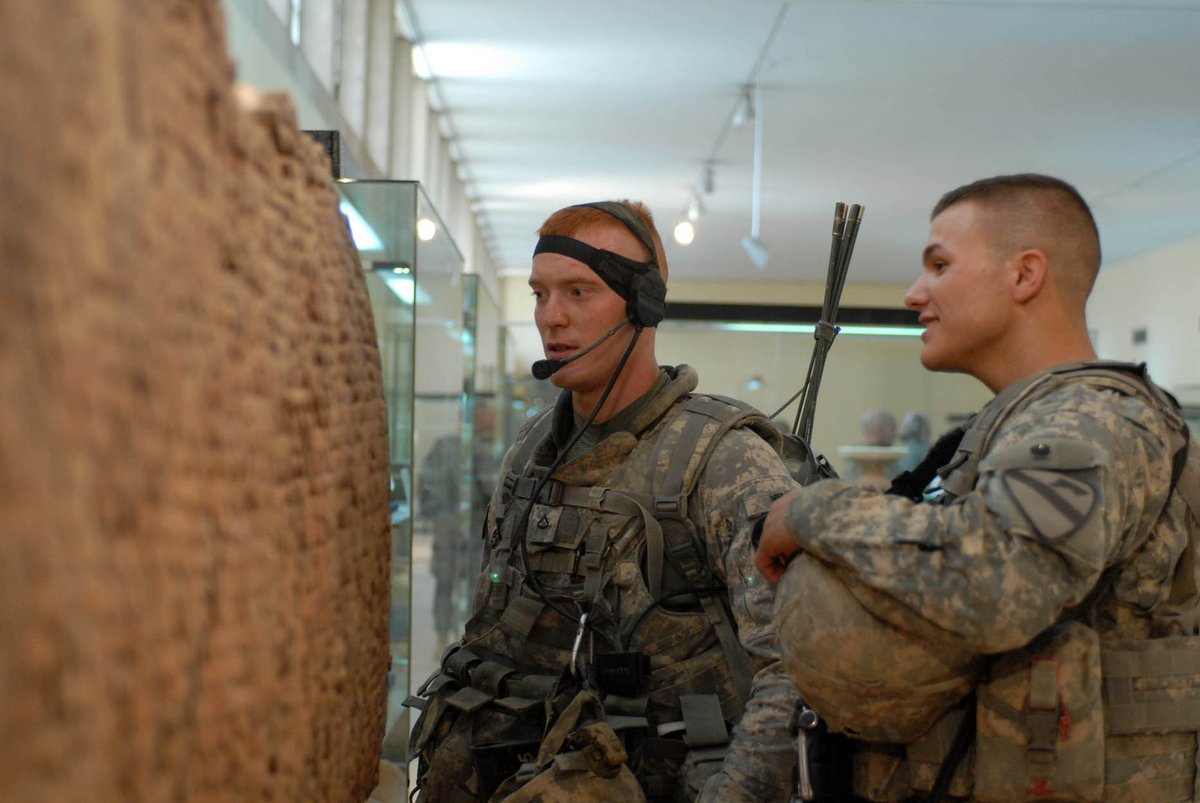
- National Museum of Iraq: Showcases a vast collection of artifacts from Baghdad and Mesopotamia.
- Al-Mustansiriya School: An ancient center of learning reflecting Baghdad's scholarly past.
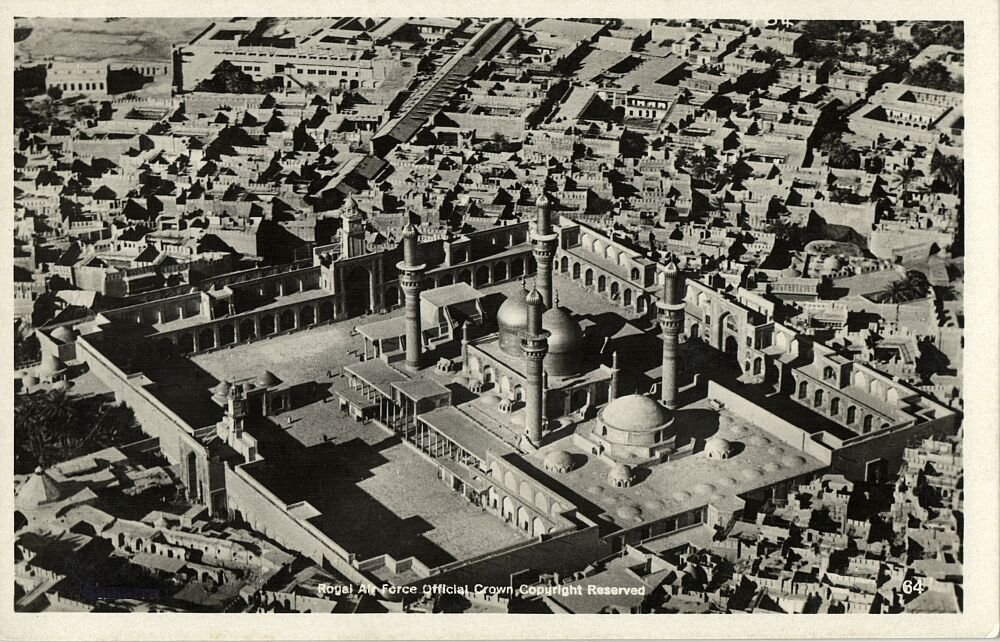
- Al-Kadhimiya Mosque: A significant religious and architectural landmark near the old city.
Visiting Hours and Tickets
- National Museum of Iraq: Open 9:00 AM – 5:00 PM, Tuesday to Sunday. Entry fees are modest; check the museum’s official site for current prices and special exhibitions.
- Other Sites: Hours and fees vary; it is advisable to verify with local tourism offices or official websites before visiting (thetouristchecklist.com).
Accessibility and Travel Tips
- Navigation: Sites are spread across the city; hiring a knowledgeable local guide or joining tours is recommended for both safety and convenience.
- Transportation: Reliable taxis and private cars are the best options; public transit is limited.
- Best Time to Visit: October to April, when the weather is mild and ideal for outdoor exploration.
- Safety: Stay updated on travel advisories, avoid traveling alone after dark, dress conservatively, and respect local customs.
- Language: Arabic is the main language; English is spoken in tourist areas.
- Currency: Iraqi Dinar (IQD); carry cash for most transactions.
Nearby Attractions
- Al-Mutanabbi Street: Renowned for its book markets and cultural vibrancy.
- Baghdad Tower: Offers panoramic city views and a revolving restaurant.
- Mustansiriya Madrasah: A 13th-century educational complex.
- Zawra Park: A popular green space and leisure destination.
Guided Tours and Events
Reputable local and international tour operators offer guided walks and themed tours focusing on Baghdad’s Abbasid history and the Round City’s enduring influence. Booking in advance is recommended for both logistical and safety reasons (penguintravel.com). Additionally, cultural festivals and exhibitions are scheduled throughout the year, especially as Baghdad celebrates its status as the Arab Tourism Capital in 2025 (Iraqi News).
Frequently Asked Questions (FAQ)
Q: Can I visit the original Round City today?
A: The original Round City does not survive as a distinct archaeological site, but its legacy is preserved in museums, historical districts, and the urban fabric of Baghdad.
Q: Are guided tours available?
A: Yes, guided tours are available and highly recommended for historical insight and safety.
Q: What are the visiting hours and ticket prices for major sites?
A: The National Museum is open 9:00 AM to 5:00 PM (closed Mondays); ticket prices typically range from $3–$8 USD for international visitors.
Q: Is Baghdad safe for tourists?
A: Security has improved, but caution is still necessary. Travel with guides, monitor government advisories, and register with your embassy (Travel Safe Abroad).
Q: What is the best time to visit?
A: October to April offers the most comfortable weather for sightseeing.
Visuals and Media
Enhance your visit with maps and illustrations of the Round City, available in museums and online. The Audiala app and various travel websites provide interactive guides and visual resources to help you visualize the city’s historical layout.
Discover More
Though the original Round City has vanished, its spirit endures in the streets, markets, and traditions of modern Baghdad. With thoughtful preparation—leveraging guides, digital resources such as the Audiala app, and local hospitality—you can immerse yourself in the city’s rich historical and cultural tapestry. Stay updated on the latest events, support responsible tourism, and become a part of Baghdad’s living legacy.
Listen to the full story in the app
The whole Round City Of Baghdad,
told well.
Listen to sourced travel stories with local history and practical context — ready offline.
Verified, and shown.
Researched and written by the Audiala editorial team from historical records, architectural archives, and local expertise.
Built from cited sources · see the method · How we make our guides →