Plan and listen to Baghdadi Museum with Audiala.
Audio guide in your pocket, itinerary in your browser. Built for the way you actually visit.
Introduction
The Baghdadi Museum, located in Baghdad’s historic Al-Rusafa district along the Tigris River, is a unique institution that brings the city’s vibrant social and cultural history to life. Established within a restored Ottoman-era mansion in 1940, the museum focuses on the daily lives, traditions, and multicultural heritage of Baghdad’s residents from the Ottoman period through the early 20th century. Through over 70 immersive dioramas, hundreds of artifacts, and lifelike wax figures, the museum offers an unparalleled glimpse into Baghdad’s urban folk culture, setting itself apart from institutions that highlight only ancient artifacts. With its educational programs, guided tours, and strategic location near other significant sites, the Baghdadi Museum is a must-visit for anyone interested in Iraq’s past and present (Travel and Tour World; Visit Iraq Now; Safarway).
Historical Background
Origins and Mission
Founded in 1940, the Baghdadi Museum was conceived as a response to the growing need to preserve Baghdad’s urban heritage. The museum is housed in an Ottoman-era mansion, reflective of the city’s architectural legacy. Its mission is to document and showcase the everyday life, customs, and social practices of Baghdad’s people during periods of profound change, especially the late Ottoman era and early 20th century (Baghdad to Lead Arab Tourism in 2025).
Distinctive Focus and Collections
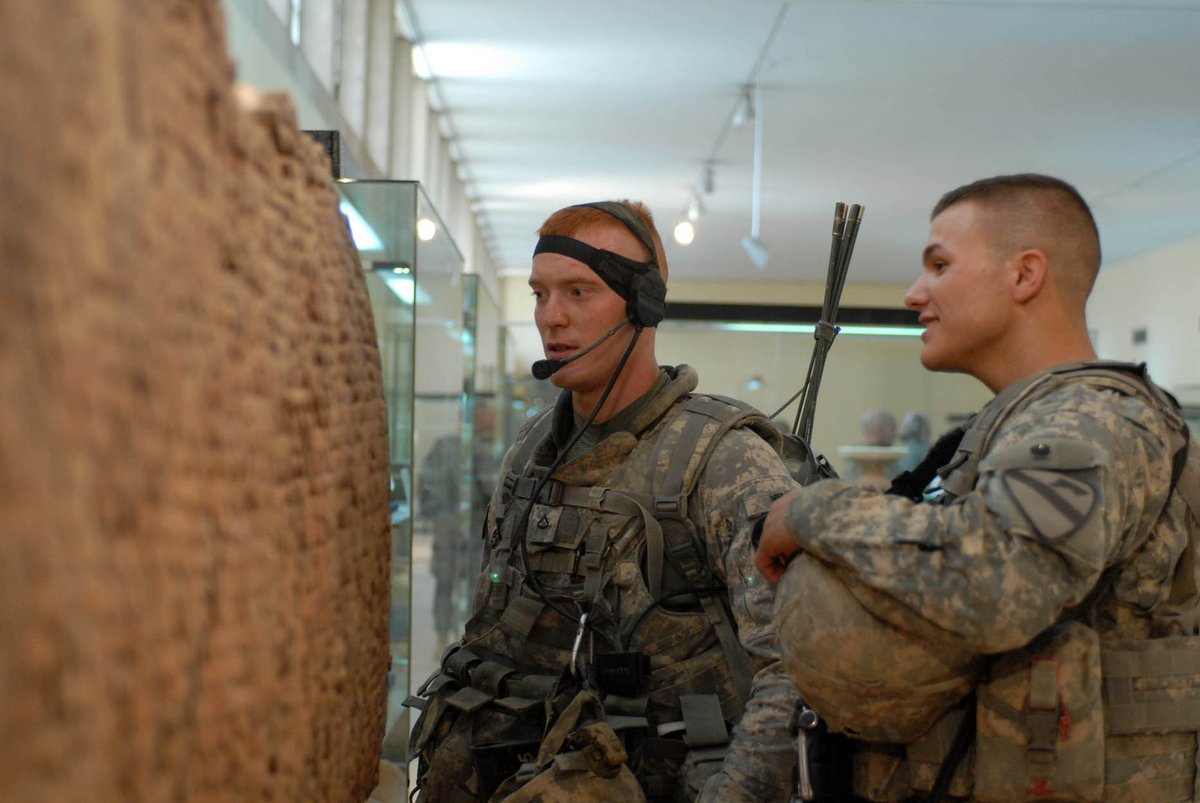
Unlike the National Museum of Iraq, which concentrates on Mesopotamian antiquities, the Baghdadi Museum offers more than 70 life-sized dioramas and hundreds of authentic objects—traditional clothing, musical instruments, household utensils, and artisan tools. These displays reconstruct daily scenes including family life, wedding celebrations, bustling markets, and religious rituals. Informative placards in Arabic and English provide context, while the collection’s authenticity is ensured through contributions from local artists and community members (Visit Iraq Now).
Resilience and Restoration
The Baghdadi Museum has endured periods of conflict, notably suffering damage during the 2003 Iraq War. Thanks to dedicated restoration efforts, it reopened in 2008, symbolizing Baghdad’s resilience and commitment to cultural preservation. Today, the museum is actively involved in programs that foster social unity and education, particularly as Baghdad is recognized as the Arab Tourism Capital for 2025 (Travel and Tour World).
Social and Cultural Significance
Multicultural Representation
A defining feature of the Baghdadi Museum is its celebration of Baghdad’s multicultural identity. Exhibits illustrate the peaceful coexistence of Muslims, Christians, Jews, and other communities, highlighting their contributions to the city’s social fabric. Scenes of communal gatherings, religious ceremonies, and traditional festivities emphasize the unity and diversity that have characterized Baghdad for centuries (Visit Iraq Now).
Focus on Everyday Life and Traditional Crafts
The museum’s dioramas capture professions such as blacksmithing, tailoring, and baking, reviving crafts that were once vital to Baghdad’s economy but have since declined. The detailed recreation of workshops, tools, and clothing provides an authentic look into the city’s artisanal heritage. Special attention is given to the role of women in traditional society, with displays portraying their central contributions to family and community life (Visit Iraq Now).
Community Engagement and Living Traditions
Since its expansion in the 1980s, the museum has incorporated interactive elements like the Baghdad Market and a restaurant serving traditional cuisine. Live performances of Iraqi Maqam music and cultural festivals further enrich the visitor experience, making the museum a vibrant hub for both locals and tourists (Visit Iraq Now).
Visitor Information
Location and Access
- Address: Al-Rusafa District, Baghdad, near Mustansiriya School and the Tigris River (Google Maps location)
- Nearby Attractions: Al-Mutanabbi Street, Abbasid Palace, Iraq Museum, Al-Wazeer Mosque, Al-Khulafa Mosque, Haydar-Khana Mosque, Mazar Ghous
Visiting Hours
- Standard Hours: Saturday to Thursday, 9:00 AM – 5:00 PM
- Closed: Fridays and public holidays
- Note: Hours may vary during holidays or due to security; call +964 781 375 4231 to confirm (Safarway).
Tickets
- Entrance Fee: 25,000 Iraqi dinars (approx. $17) as of 2025
- Discounts: Available for students, children, and seniors
- Purchase: On-site; advance booking recommended for groups
Accessibility
- Wheelchair Access: Ramps and assistance available, though some areas have steps due to historic architecture
- Guided Tours: Offered in Arabic and English by appointment; inquire at the entrance or call ahead
Amenities
- Restrooms: Available
- Photography: Allowed without flash; tripods require prior approval
- Food: No on-site café, but nearby eateries and tea houses
Safety
- Travel Advice: Arrange private transport or use hotel taxis due to limited public transport and local security considerations (Against the Compass)
- Women Travelers: Dress conservatively, travel in groups, and avoid walking alone (Travel Safe Abroad)
- Emergency: Carry identification, have travel insurance, and know the location of nearby hospitals
Museum Layout and Key Exhibits
Building and Spatial Organization
The Baghdadi Museum is set within a traditional mansion dating to 1869, with thick walls, arched doorways, and inner courtyards that evoke the spirit of old Baghdad (Wikipedia). The interior is arranged into more than 70 rooms and halls, each dedicated to a specific theme or era. Visitors follow a semi-sequential path through 77 diorama scenes, allowing for both structured and flexible exploration (100hala-iq.com).
Highlights
- Domestic Life: “Oum Ibrahim” exhibit on family traditions and women’s roles (100hala-iq.com)
- Wedding Processions: The “Zaffa” diorama with colorful costumes and music (100hala-iq.com)
- Crafts and Professions: Blacksmiths, tailors, bakers, and other artisans in action (Pineqone)
- Markets and Street Life: Lively recreations of souks, storytellers, and children at play (Wikipedia)
- Artifacts: Pottery, jewelry, textiles, and daily utensils in glass cases (WildTrips)
- Islamic Art: Calligraphy, illuminated Qur’ans, and ceramics (WildTrips)
- Architectural Features: The mansion itself is a preserved exhibit with wooden mashrabiya screens and inner courtyards (100hala-iq.com)
Practical Tips for Visitors
- Language: Arabic is primary; bring a guide or translation app for deeper understanding
- Currency: Iraqi dinars (IQD) only; cash payment is standard
- Best Time to Visit: October–April for mild weather; visit early or late in the day for fewer crowds
- Etiquette: Dress modestly, ask before taking photos of people, respect local customs, and tip guides/staff
- Visas: Most travelers need a visa; e-visa available for many countries (Against the Compass)
Frequently Asked Questions (FAQ)
Q: What are the Baghdadi Museum’s visiting hours?
A: Saturday to Thursday, 9:00 AM–5:00 PM. Closed on Fridays and public holidays.
Q: How much is the entrance fee?
A: 25,000 Iraqi dinars (approx. $17) as of 2025; discounts for students, children, and seniors.
Q: Are guided tours available?
A: Yes, in Arabic and English. Arrange in advance or inquire on-site.
Q: Is the museum accessible for people with disabilities?
A: Mostly accessible, though some areas have steps; advance notice helps staff assist you.
Q: Can I take photos inside the museum?
A: Yes, except where signage restricts it. No flash; tripods require approval.
Q: What are nearby attractions?
A: Mustansiriya School, Al-Mutanabbi Street, Abbasid Palace, Iraq Museum, several historic mosques, and the Tigris River promenade.
Discover More
Plan your visit to the Baghdadi Museum by confirming current hours and ticket information. For the latest updates, exclusive content, and virtual tours, download the Audiala app and follow us on social media. Explore related articles on Baghdad’s historical sites and share your experience using #BaghdadiMuseumVisit.
Contact Information
- Phone: +964 781 375 4231 (Safarway)
- Location: Al Rusafa, Shuhada Bridge, Baghdad, Iraq
Listen to the full story in the app
The whole Baghdadi Museum,
told well.
Listen to sourced travel stories with local history and practical context — ready offline.

Verified, and shown.
Researched and written by the Audiala editorial team from historical records, architectural archives, and local expertise.
Built from cited sources · see the method · How we make our guides →