Plan and listen to Al Haj Bonnea Mosque with Audiala.
Audio guide in your pocket, itinerary in your browser. Built for the way you actually visit.
Introduction
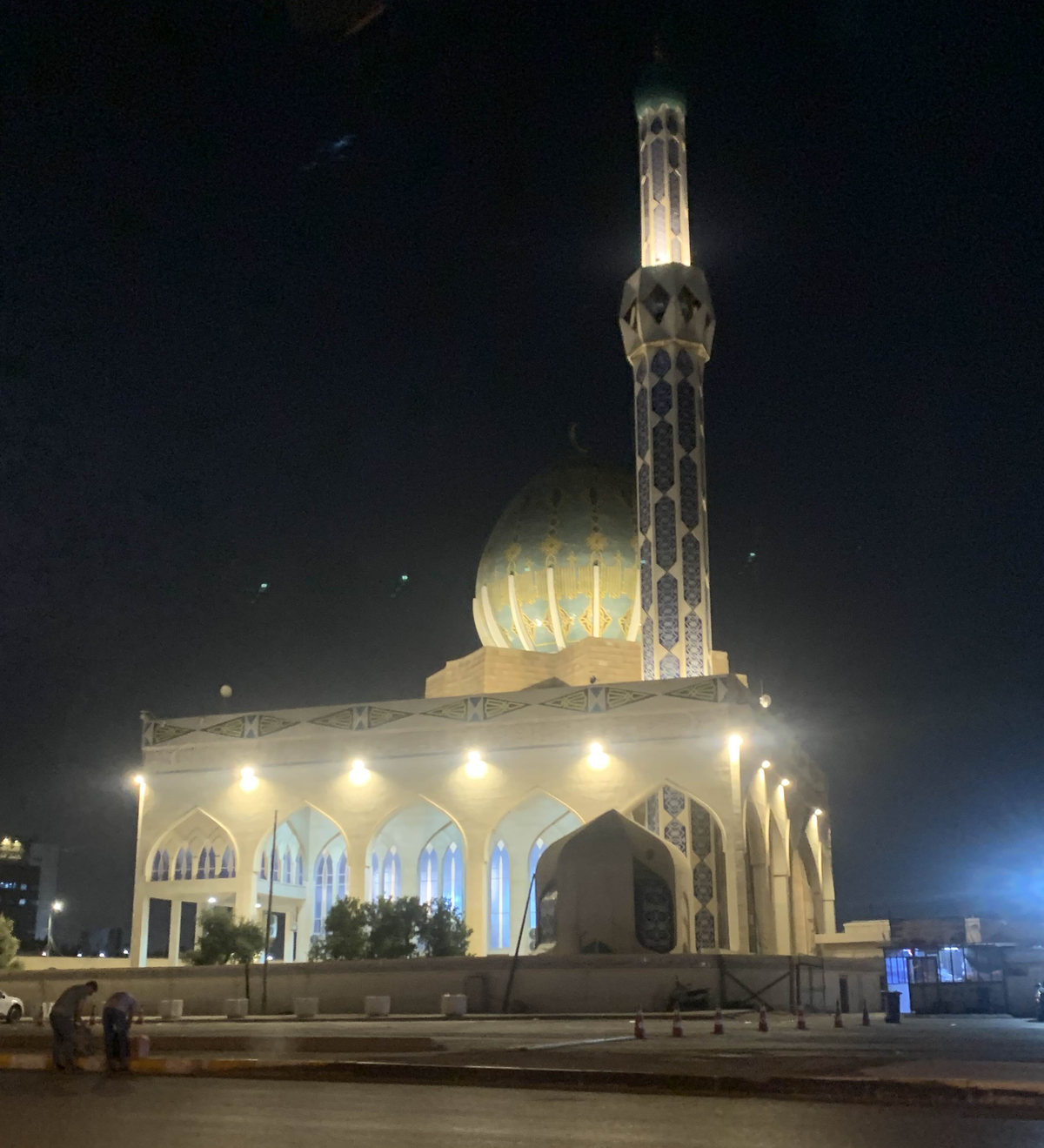
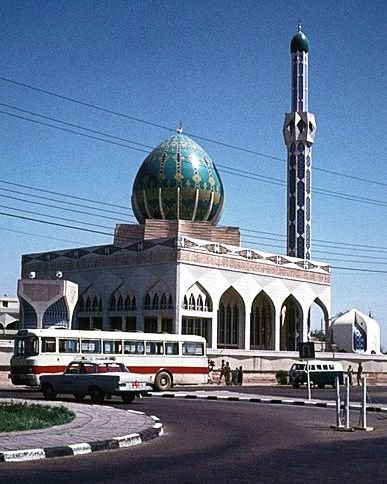
Al Haj Bonnea Mosque, also known as Ibn Bunnieh Mosque, is a cherished religious and architectural landmark in Baghdad. Situated in the bustling al-Karkh district, the mosque offers a profound insight into Iraq’s Islamic heritage and cultural identity. Founded by Hajj Mahmoud al-Bunnieh and completed in 1974, it stands as a testament to authentic Iraqi craftsmanship, with its iconic oval dome, intricate Quranic calligraphy, and striking blue-tiled minaret. The mosque’s enduring presence reflects the spirit and resilience of Baghdad’s religious community.
This comprehensive guide explores the mosque’s history, architectural highlights, religious importance, visiting logistics, safety tips, and cultural etiquette. Whether you are a history enthusiast, spiritual traveler, or cultural explorer, this article will help you plan a respectful and enriching visit to Al Haj Bonnea Mosque.
For further travel planning and up-to-date information, consult resources such as Baghdad Tourism, Beyond the Bucketlist, and Iraq Action.
Historical Background
Origins and Construction
Al Haj Bonnea Mosque was established under the vision of Hajj Mahmoud al-Bunnieh, a prominent Iraqi businessman and philanthropist. Determined to preserve local architectural authenticity, he insisted on using Iraqi materials and craftsmen. The white stone was sourced from Mosul and meticulously crafted on-site. After Hajj Mahmoud’s passing in 1971, his family ensured the completion of the mosque, which officially opened on May 31, 1974.
Architectural Features
The mosque spans 5,000 square meters, featuring an oval dome reaching 36 meters in height and 25 meters in diameter. Renowned calligrapher Hashem Muhammad al-Baghdadi adorned the dome with elaborate Quranic inscriptions. The minaret, rising 55 meters on an octagonal base, is clad with vibrant blue tiles from Karbala. The mosque’s interior accommodates up to 1,000 worshippers and showcases a richly decorated mihrab and extensive Quranic calligraphy.
Modern History and Resilience
Since its inauguration, Al Haj Bonnea Mosque has served as a vital religious and social center, offering refuge during conflicts, including the Iraq War. Despite suffering damage from violence and stray missiles—most notably in 2020—the mosque reopened after repairs, symbolizing the community’s perseverance.
Religious and Cultural Significance
Al Haj Bonnea Mosque holds an esteemed place in Baghdad’s Islamic landscape. It serves as a focal point for daily and Friday prayers, religious festivals, and community gatherings. Historically, its hammam provided facilities for ritual cleansing, emphasizing Islamic traditions of purity and hospitality. While not a pilgrimage site, the mosque is a highlight on religious and cultural tours, given its proximity to sites like the Al-Kadhimiya Shrine.
Architectural Highlights
Design Influences
The mosque incorporates elements inspired by centuries of Islamic, Persian, and Mesopotamian tradition. Its brickwork, tilework, and geometric patterns echo the broader architectural trends of Baghdad’s mosques (Iraq Action; Britannica).
Exterior
- Brickwork: Traditional Baghdad brick insulates and forms geometric patterns.
- Minaret: The blue-tiled minaret is both a visual landmark and functional for the call to prayer.
- Dome: The oval dome is adorned with calligraphy and serves as an acoustic amplifier.
Interior
- Prayer Hall: Spacious and oriented toward Mecca (qibla).
- Mihrab: Decorated niche indicating the qibla wall.
- Minbar: Ornate pulpit for sermons.
- Ornamentation: Intricate mosaics, muqarnas vaulting, and Quranic calligraphy.
Courtyard and Ancillary Spaces
- Central Courtyard (Sahn): Provides natural light and ventilation.
- Ablution Fountains: For ritual purification before prayer.
- Arcaded Walkways and Gardens: Offer shade and tranquility.
Preservation
Despite periods of conflict, restoration efforts have preserved the mosque’s original materials and craftsmanship (IndoIslamic).
Visiting Information
Location and Transportation
Al Haj Bonnea Mosque is centrally located, opposite Baghdad Central Station and near the Iraq Museum. Taxis, private cars, or ride-hailing services like Careem are recommended. Confirm routes with local guides or hotel staff due to changing street layouts and security (Adventures of Lil Nicki).
Visiting Hours and Tickets
- Opening Hours: Typically open daily from 8:00 AM to 6:00 PM, with brief closures during prayer times and on Fridays or religious holidays.
- Admission: Entry is free; donations for upkeep are welcome.
- Guided Tours: Available through local agencies—book in advance for detailed insights (Al Alfalah Travels).
Accessibility
- For People with Disabilities: Some ramps and accessible entrances are provided, but historical architecture may limit access in certain areas. Contact the mosque or a local guide in advance for assistance.
Dress Code and Entry Requirements
- Attire: Modest clothing is required. Men should wear long trousers and sleeved shirts; women must cover hair, arms, and legs (abayas or chadors may be provided) (Adventures of Lil Nicki).
- Shoes: Remove before entering prayer areas; racks are provided.
Security and Safety
- Checkpoints: Expect security checks; carry ID and comply with staff instructions.
- Emergency Contacts: Police (122), ambulance (115).
- Travel Insurance: Strongly advised (Against the Compass).
Cultural Etiquette and Mosque Conduct
- Modesty and Respect: Dress appropriately, maintain silence, and avoid disruptive behavior.
- Photography: Obtain explicit permission before photographing interiors or worshippers (The Islamic Information).
- Gender Segregation: Follow signage; women should cover hair and avoid perfume or flashy accessories.
- Interactions: Greet with “As-salamu alaykum” and respond to greetings respectfully; avoid physical contact with the opposite gender.
Health and Practical Travel Tips
- Vaccinations: Ensure hepatitis A and B, typhoid, and rabies vaccines are up to date (Travellikeaboss).
- Water and Food: Drink bottled water and eat at reputable establishments.
- Climate: Best months to visit are April, May, September, and October when temperatures are moderate (Beyond the Bucketlist).
- Language: Arabic is primary; basic phrases enhance interactions.
- Connectivity: SIM cards available at the airport and in town.
Nearby Attractions
- Iraq Museum: Mesopotamian artifacts and national treasures.
- Al-Kadhimiya Shrine: Major religious site.
- Baghdad Central Station area: Local markets and cultural experiences.
- Traditional Restaurants: Try Lemona Restaurant for local cuisine and Al Hmdani for sweets (IbnBattuta Travel).
Frequently Asked Questions (FAQ)
Q: What are the visiting hours?
A: Generally 8:00 AM to 6:00 PM daily, with closures during prayers and holidays.
Q: Is there an entry fee?
A: No, but donations are appreciated.
Q: Can non-Muslims visit?
A: Yes, except during prayers or religious festivals.
Q: Is the mosque accessible for people with disabilities?
A: Partial accessibility; advance arrangements recommended.
Q: Are guided tours available?
A: Yes, through local agencies—book ahead.
Q: Is photography allowed?
A: Only with explicit permission.
Safety and Security Considerations
Baghdad’s central districts are under heightened security, with checkpoints and increased police presence (Iraqi Ministry of Interior). Remain vigilant, follow local news, and register travel plans with your embassy.
Additional Tips for a Memorable Visit
- Join the Iraqi Traveller’s Cafe Facebook Group for local advice.
- Allow extra time for security checks and traffic.
- Employ a local guide for cultural insights and smoother navigation.
- Respect the mosque’s religious role and local traditions.
Listen to the full story in the app
The whole Al Haj Bonnea Mosque,
told well.
Listen to sourced travel stories with local history and practical context — ready offline.

Verified, and shown.
Researched and written by the Audiala editorial team from historical records, architectural archives, and local expertise.
Built from cited sources · see the method · How we make our guides →