Plan and listen to Sheikh Lotfollah Mosque with Audiala.
Audio guide in your pocket, itinerary in your browser. Built for the way you actually visit.
Introduction
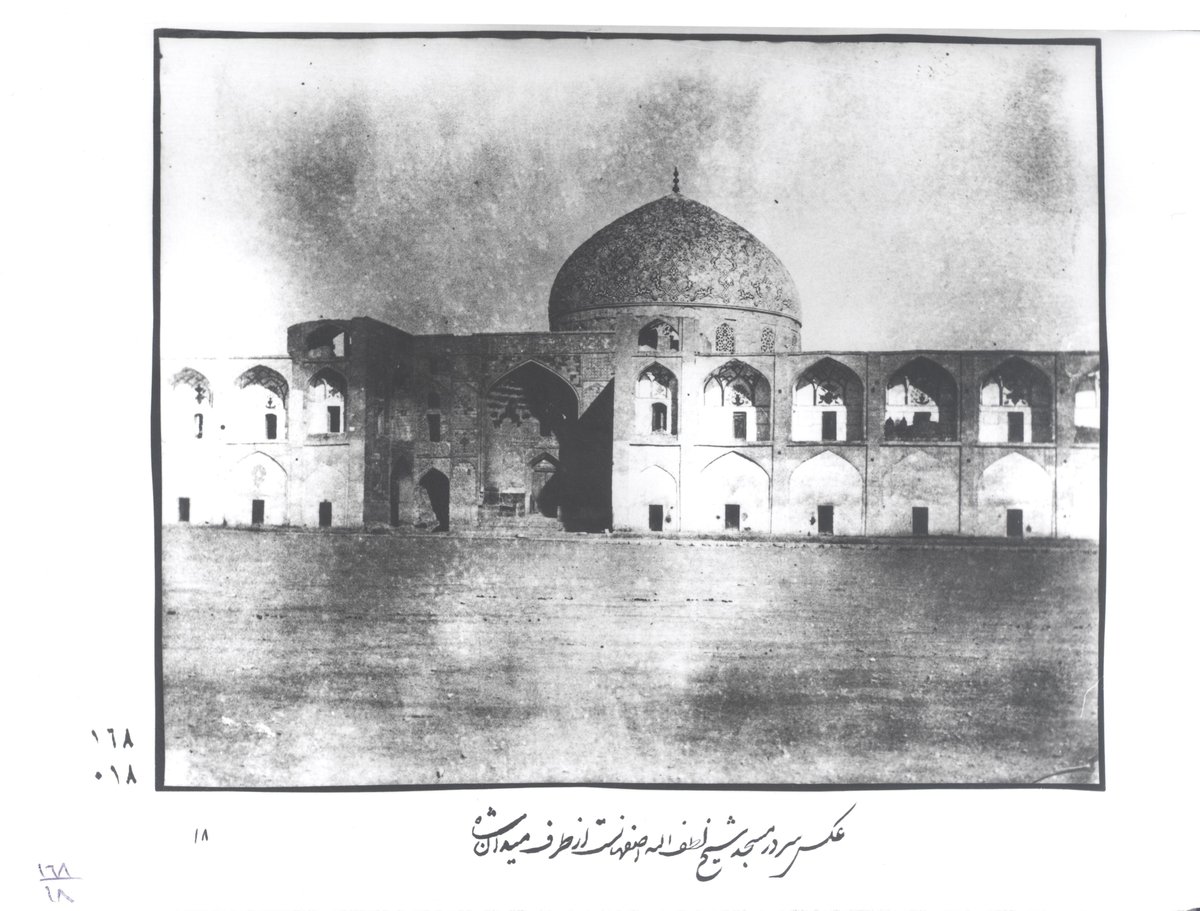
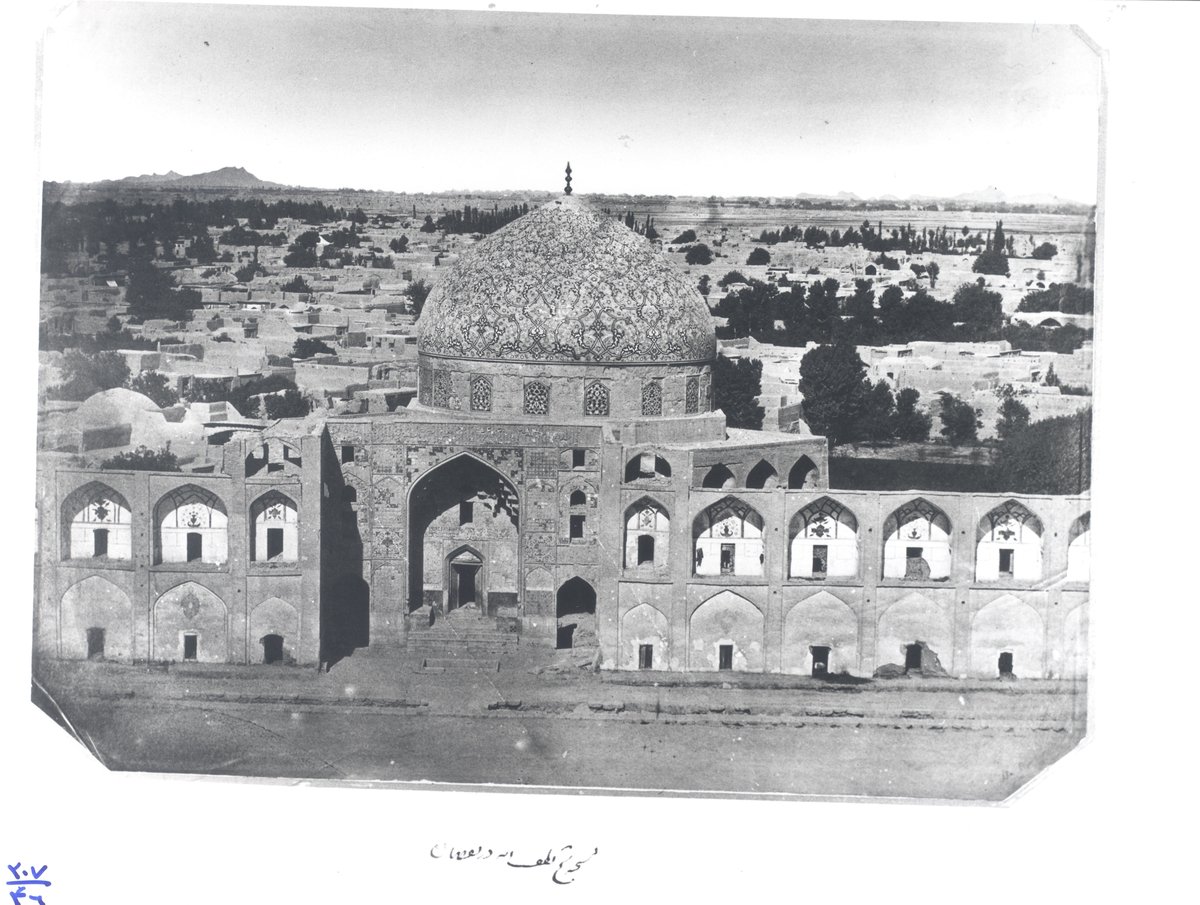
Sheikh Lotfollah Mosque, set gracefully on the eastern side of Isfahan’s UNESCO-listed Naqsh-e Jahan Square, stands as a masterwork of Safavid-era Persian-Islamic architecture. Commissioned by Shah Abbas I between 1603 and 1619 CE, the mosque was conceived as a private sanctuary for the royal court—most notably, the women of the harem. Its unique design, historical importance, and breathtaking artistry make it an unmissable highlight for anyone exploring Isfahan’s rich heritage. This comprehensive guide covers the mosque’s history, architecture, symbolism, visiting hours, ticketing, accessibility, and tips for an enriching visit (gopersis.com; matinabad.com; iranamaze.com).

Historical Background and Patronage
Sheikh Lotfollah Mosque is a remarkable product of Shah Abbas I’s vision to transform Isfahan into the capital and artistic epicenter of Persia during the Safavid dynasty. The mosque was dedicated to Sheikh Lotfollah, a revered Lebanese Shia scholar and father-in-law to Shah Abbas I, whose influence within the court inspired both the mosque’s construction and its private function (gopersis.com). Unlike most mosques, Sheikh Lotfollah was not intended for congregational worship; instead, it served as an exclusive sanctuary for the royal household, especially the women.
A discreet underground passage connected Ali Qapu Palace to the mosque, allowing royal women to attend prayers in privacy without crossing the busy square (iranamaze.com). This architectural decision highlights the mosque’s unique role in Safavid society as both a spiritual and social space for the royal family (ToIranTour; Parsi Tours; IranOnTour).
Architectural Significance
Design and Layout
Designed by the renowned Mohammad Reza Isfahani, the mosque is celebrated for its innovation and harmonious proportions. It features a single dome, lacks both minarets and a courtyard, and is smaller in scale than other notable mosques—reflecting its private, non-congregational purpose (gopersis.com; orienttrips.com). The entrance is subtly bent, directing worshippers from the grand symmetry of Naqsh-e Jahan Square to the qibla (direction of Mecca), while also preserving the privacy of the royal women.
Decorative Arts and Tilework
The interior is renowned for its intricate mosaics and masterful tilework in blue, turquoise, cream, and gold. The dome’s interior is adorned with exquisite arabesques and floral motifs, culminating in a central medallion that, when illuminated at midday, gives the illusion of a peacock—a celebrated optical effect and symbol of divine beauty (iranamaze.com; orienttrips.com). The mihrab is richly decorated with Quranic inscriptions by famed calligraphers Ali Reza Abbasi and Baqer Bana. Muqarnas (stalactite vaulting) at the entrance and inside create mesmerizing patterns of light and shadow.
Use of Light and Acoustics
The mosque’s architecture ingeniously manipulates natural light. Small, strategically placed windows filter sunlight throughout the day, causing the patterns and colors of the tiles to shift and shimmer (matinabad.com). The dome’s geometry enhances acoustics, amplifying even quiet voices and enriching the spiritual atmosphere (orienttrips.com).
Symbolism and Cultural Context
Sheikh Lotfollah Mosque’s design is rich in symbolism. The absence of minarets underscores its private function—since there was no need for a public call to prayer—and may also reflect gendered symbolism in Persian architecture, with domes representing femininity (gopersis.com). The mosque’s integration within Naqsh-e Jahan Square, opposite Ali Qapu Palace, speaks to the Safavid vision of Isfahan as a harmonious center of religion, governance, and commerce (surfiran.com).
Visitor Information
Visiting Hours and Tickets
- Hours: Open daily from 8:00 AM to 6:00 PM. Hours may vary during religious holidays or special events.
- Tickets: Entrance fees are approximately 200,000 Iranian Rials (about $5 USD), with discounts for students and groups. Tickets are available on-site, and some guided tours include the mosque in their packages (saadatrent.com).
Accessibility and Etiquette
- The mosque is accessible via paved pedestrian paths in Naqsh-e Jahan Square.
- Visitors with limited mobility should note that there are several steps and uneven floors, and the mosque is not fully wheelchair accessible.
- Modest dress is required: women must wear a headscarf and clothing covering arms and legs; men should avoid shorts and sleeveless shirts. Scarves may be provided at the entrance.
- Photography is allowed without flash; maintain silence and respect for worshippers (travelsetu.com).
Getting There and Guided Tours
- The mosque is within walking distance of major Isfahan attractions. Taxis and public transport are available nearby.
- Guided tours are highly recommended for deeper historical and architectural context. English-speaking guides are available in the square (matinabad.com).
Nearby Attractions
Combine your visit with other Naqsh-e Jahan Square highlights:
- Shah Mosque (Imam Mosque): An architectural marvel with grand courtyards and tilework.
- Ali Qapu Palace: The former royal residence, directly opposite the mosque.
- Qeisarieh Bazaar: A lively market for Persian handicrafts and souvenirs.
- Chehel Sotoun Palace, Siosepol & Khaju Bridges, Vank Cathedral: Further enrich your Isfahan experience (travelsetu.com).
Practical Tips and FAQs
Best Time to Visit: Spring (April-June) and autumn (September-November) for mild weather. Early mornings and late afternoons for optimal lighting and fewer crowds. Avoid Fridays and public holidays if seeking a quieter experience.
Facilities: While there is no on-site café or gift shop, Naqsh-e Jahan Square offers plenty of options for refreshments and souvenirs. Public restrooms are located nearby.
Safety: The area is safe and pedestrian-friendly. Standard traveler precautions apply.
FAQs:
- Q: What are the mosque’s visiting hours?
A: 8:00 AM to 6:00 PM daily; check for holiday variations. - Q: How much is the entry fee?
A: Around 200,000 Iranian Rials. - Q: Is it wheelchair accessible?
A: The mosque is not fully accessible due to steps and uneven floors. - Q: Can I take photos inside?
A: Yes, without flash. - Q: Are guided tours available?
A: Yes, and highly recommended for context.
Listen to the full story in the app
The whole Sheikh Lotfollah Mosque,
told well.
Audio guides for 1,100+ cities across 96 countries. History, stories, and local insight — offline ready.
Verified, and shown.
Researched and written by the Audiala editorial team from historical records, architectural archives, and local expertise.
Researched from Wikidata, Wikipedia & official sources · fact-checked · How we make our guides →