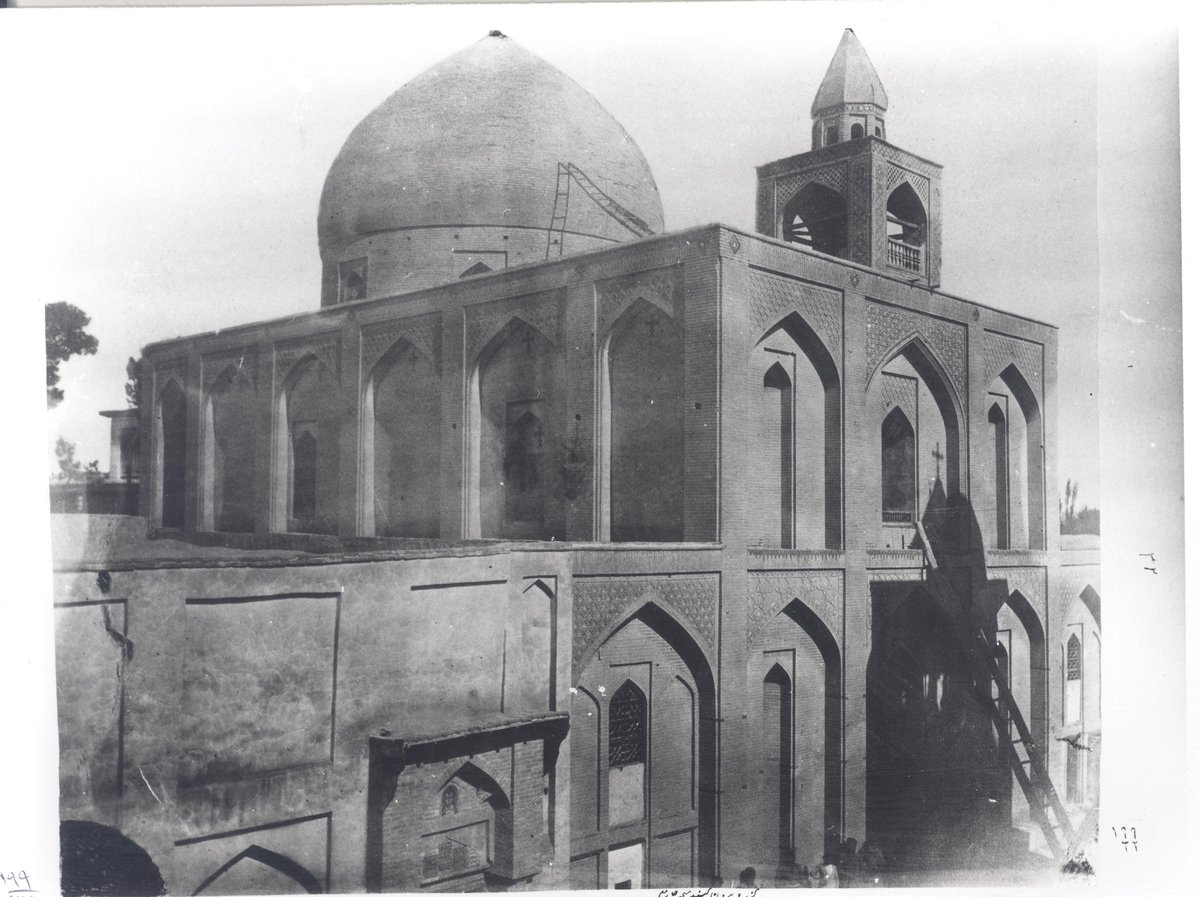
Plan and listen to Jameh Mosque Of Isfahan with Audiala.
Audio guide in your pocket, itinerary in your browser. Built for the way you actually visit.
Introduction
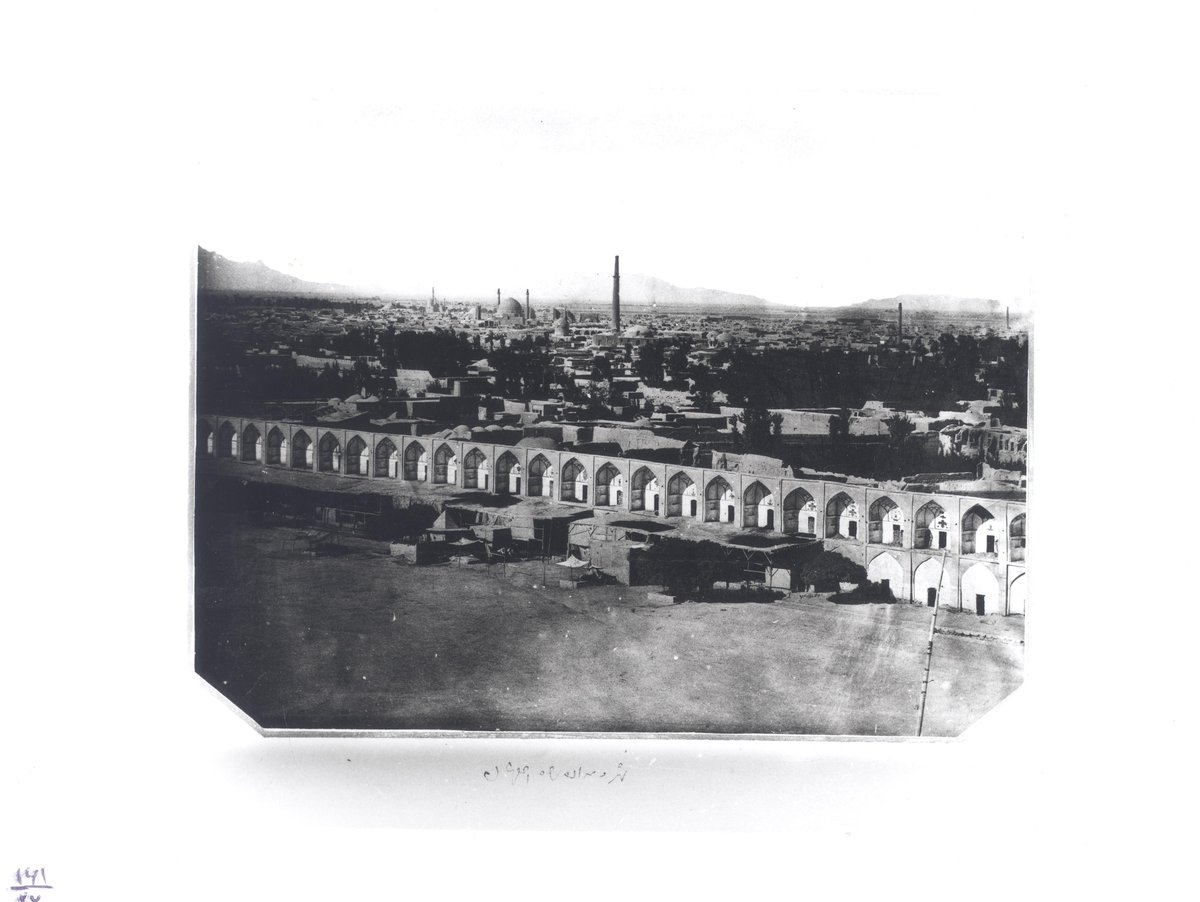
The Jameh Mosque of Isfahan, also known as the Friday Mosque or Masjed-e Jameh, is a living testament to over 1,200 years of Persian and Islamic architectural evolution. Located at the heart of Isfahan, Iran, this UNESCO World Heritage Site is not only an architectural marvel but remains a vital center of worship and community life. With origins possibly rooted in a Sassanid fire temple and layers from the Abbasid, Seljuq, Ilkhanid, Timurid, Safavid, and Qajar dynasties, the mosque embodies the intricate tapestry of Iran's cultural heritage.
This comprehensive guide provides essential information for visitors—including historical context, architectural highlights, visiting hours, ticketing, accessibility, and travel tips—ensuring a meaningful and well-prepared visit to one of Isfahan’s most significant landmarks. For further details, consult resources such as Eavar Travel, Incredible Iran, and the official mosque website.

Early Foundations
The Jameh Mosque of Isfahan is among Iran's oldest and most significant Islamic monuments. Archaeological evidence suggests its foundation dates to the 8th century CE, possibly atop a pre-Islamic Sassanid fire temple (Eavar Travel; orienttrips.com). The initial mosque, constructed in 771 CE under the Abbasids, was modest in size and built with mud brick.
Architectural Evolution
Successive dynasties each left their mark on the mosque:
- Abbasid and Buyid Periods: The Abbasids expanded the mosque in the 9th century, adding a larger prayer hall. The Buyids adorned the structure with decorative brickwork and geometric motifs (Eavar Travel).
- Seljuq Transformation: The Seljuqs (11th–12th centuries) revolutionized the mosque’s design by introducing the four-iwan plan, inspired by Sassanid palatial architecture. The construction of the monumental Nizam al-Mulk and Taj al-Mulk domes established new standards in Persian mosque architecture (Incredible Iran).
- Ilkhanid, Timurid, Safavid, and Qajar Eras: Each dynasty contributed restorations and decorative enhancements, including Safavid-era tilework and Qajar-era inscriptions and structural repairs (To Iran Tour).
Architectural and Artistic Highlights
The Four-Iwan Courtyard
At the heart of the mosque is a rectangular courtyard framed by four grand iwans (vaulted halls), each opening to a different direction. This innovative layout became a model for Persian mosques and madrasas (matinabad.com). The central courtyard, with its pools and raised platform, historically hosted religious and educational gatherings (irangashttour.com).
Domes and Vaults
- Nizam al-Mulk Dome (south): Completed in 1086–87 CE, this dome is renowned for its size and structural ingenuity, featuring an early double-shell design (iranamaze.com).
- Taj al-Mulk Dome (north): Built shortly after, this dome is admired for its geometric brickwork and elegant proportions (orienttrips.com).
Decorative Elements
The mosque’s decorative program is a rich tapestry of Islamic art:
- Stucco and Plasterwork: The Al-Jayto Mihrab (14th century) showcases intricate stucco and Kufic calligraphy (irangashttour.com).
- Tilework: Safavid and Qajar renovations introduced vibrant glazed tiles in blue, turquoise, and white, creating a luminous effect (matinabad.com).
- Calligraphy: Quranic verses and poetic inscriptions in both Kufic and Naskh scripts embellish the mosque’s surfaces (iranparadise.com).
Spatial Organization
The mosque spans over 20,000 square meters, with multiple prayer halls (shabestans), at least ten entrances for urban integration, and numerous mihrabs and minarets (matinabad.com; iranamaze.com).
Visitor Information
Visiting Hours
- Open daily from 8:00 AM to 6:00 PM.
- Hours may vary during religious holidays; check official sources before your visit.
Tickets and Entry Fees
- International visitors: Approx. 500,000 Iranian Rials (about 10 USD) as of June 2025.
- Iranian nationals benefit from reduced fees.
- Tickets are available at the main entrance; group and student discounts may apply.
Accessibility
- Main areas and courtyards are accessible via ramps.
- Some historic sections have uneven floors and steps; accessibility in these areas is limited.
Dress Code and Etiquette
- Modest attire is required: men should wear long trousers and sleeved shirts; women must cover hair, arms, and legs. Scarves and chadors are often provided.
- Shoes must be removed before entering prayer halls.
- Photography is permitted in most areas, but flash and tripods may be restricted.
Best Time to Visit
- Early morning and late afternoon offer the best light for photography and fewer crowds.
- Spring and autumn are recommended for pleasant weather.
Nearby Attractions
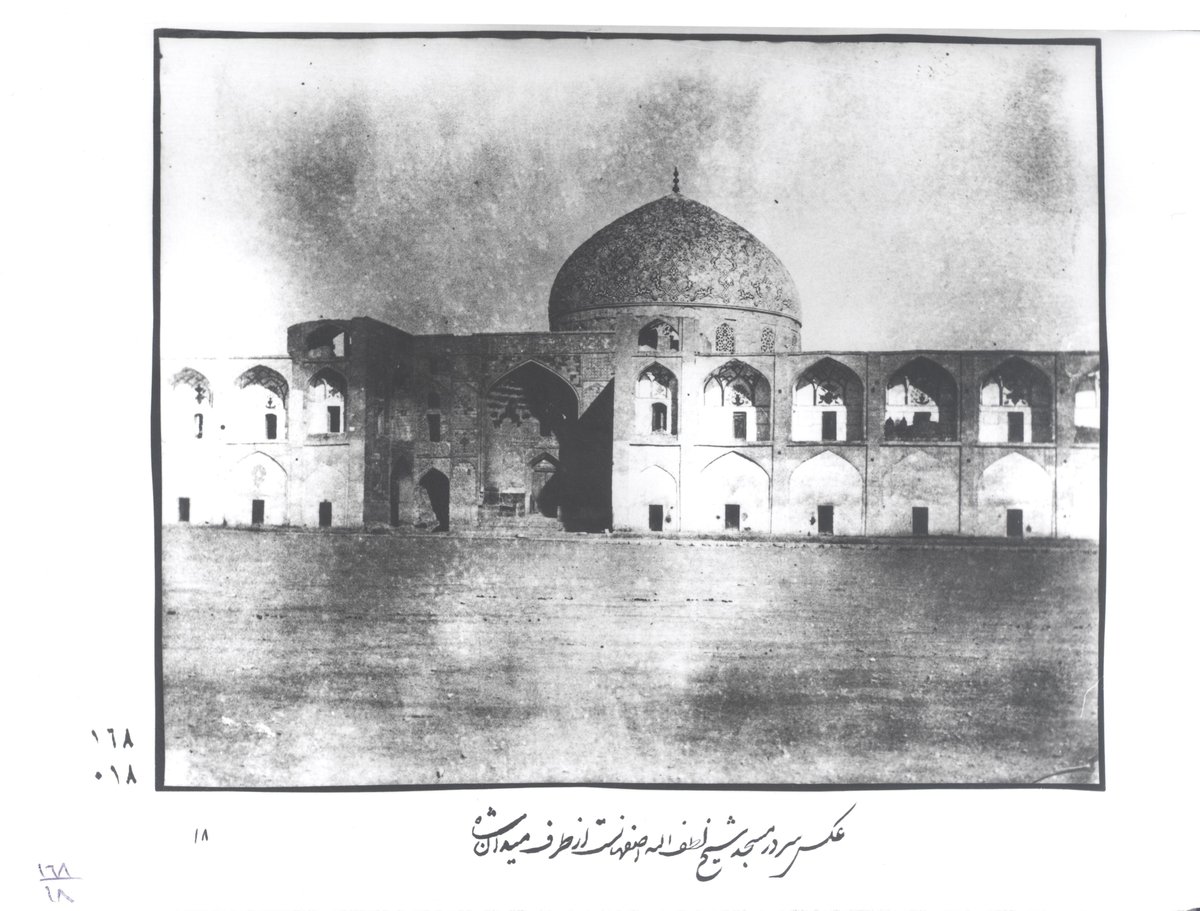
- Located near the Grand Bazaar, Naqsh-e Jahan Square, Ali Qapu Palace, and Sheikh Lotfollah Mosque—ideal for a cultural walking tour of Isfahan.
Spiritual and Civic Significance
The Jameh Mosque of Isfahan is more than a historical monument; it is a living center of worship, religious learning, and civic engagement. As the city’s principal congregational mosque, it hosts Friday prayers and major religious festivals. Its proximity to the bazaar and integration with Isfahan’s urban fabric underscore its role as a social and economic anchor (To Iran Tour).
UNESCO Recognition
In 2012, the mosque was inscribed as a UNESCO World Heritage Site, acknowledged for its outstanding universal value and influence on Islamic architecture (HiPersia).
Frequently Asked Questions (FAQ)
Q: What are the Jameh Mosque’s visiting hours?
A: Daily from 8:00 AM to 6:00 PM; check for changes during religious holidays.
Q: How much is the entrance fee?
A: Approximately 500,000 IRR for international visitors; reduced rates for Iranians.
Q: Are guided tours available?
A: Yes, both onsite and through local agencies; audio guides and panels are also provided.
Q: Is the mosque accessible for visitors with disabilities?
A: Main areas are accessible; some historic sections may pose challenges.
Q: Can non-Muslims visit the mosque?
A: Yes, outside of prayer times and respecting dress codes.
Q: Is photography allowed?
A: Generally yes, but avoid flash and tripods; observe restrictions during prayers.
Tips for Visiting
- Plan ahead and check current visiting hours and ticket prices.
- Dress appropriately to respect cultural and religious customs.
- Allocate at least 1–2 hours for an in-depth visit.
- Consider a guided tour for richer historical and architectural insights.
- Respect the mosque’s spiritual atmosphere and worshipper-only areas.
- Explore nearby historical sites to make the most of your visit to Isfahan.
Listen to the full story in the app
The whole Jameh Mosque Of Isfahan,
told well.
Audio guides for 1,100+ cities across 96 countries. History, stories, and local insight — offline ready.
Verified, and shown.
Researched and written by the Audiala editorial team from historical records, architectural archives, and local expertise.
Researched from Wikidata, Wikipedia & official sources · fact-checked · How we make our guides →