Plan and listen to Chehel Sotun with Audiala.
Audio guide in your pocket, itinerary in your browser. Built for the way you actually visit.
Introduction
Chehel Sotun Palace stands at the heart of Isfahan, Iran, as a magnificent testament to the architectural and artistic ingenuity of the Safavid era. Renowned for its legendary “Forty Columns” illusion and lush Persian gardens, the palace weaves together history, culture, and aesthetics. This guide provides detailed information on Chehel Sotun’s origins, artistic highlights, visiting hours, ticketing, accessibility, travel tips, and nearby historical attractions—ensuring a rich and well-prepared visit.
For further reading and planning, see the official resources: (Iransafar; Iran Visitor; Isfahan Info; UNESCO).
Origins and Historical Development
Chehel Sotun, meaning “Forty Columns,” was established in the early 17th century during Shah Abbas I’s reign as part of his grand vision to transform Isfahan into a cultural capital. The palace’s initial structure served as a royal pavilion for Nowruz celebrations and official receptions. Shah Abbas II later expanded the complex, culminating in the completion of the palace and gardens in 1647. The site’s design integrated the chahar bagh (four-part) garden layout, symbolizing paradise and reflecting the Safavid dynasty’s appreciation for nature and order (Iransafar; Iran Visitor).
Architectural Features and Symbolism
The “Forty Columns” Illusion
The palace’s defining feature is its portico, supported by twenty slender wooden columns made from pine and plane trees. When reflected in the main pool’s still waters, these columns appear doubled, creating the illusion of forty—hence the name “Chehel Sotun” (Iran Visitor). This optical effect embodies the Persian artistic value of harmony and completeness.
Design Elements
- Entrance Pavilion: The palace’s grand porch connects its richly decorated interiors to the surrounding gardens, exemplifying the Persian talar (columned porch) style.
- Main Hall: The throne hall features murals, intricate mirror mosaics (ayeneh kari), and elaborate ceilings adorned with plasterwork and gold leaf.
- Muqarnas and Tilework: Traditional Persian vaulting and geometric tile patterns further embellish the structure.
Integration with Nature
Chehel Sotun is set within Bagh-e Chehel Sotun, a classic Persian garden, recognized by UNESCO for its symmetrical design, flowing water channels, and tranquil reflecting pool (Isfahan Info; UNESCO).
Artistic and Cultural Significance
Frescoes and Murals
The palace’s interiors are adorned with vibrant frescoes and murals depicting pivotal moments in Persian history, royal banquets, and diplomatic receptions. Notable paintings include:
- Battle of Merv: Shah Ismail I’s triumph.
- Battle of Karnal: Nader Shah Afshar’s victory.
- Reception of Nader Mohammad Khan: Shah Abbas II’s diplomatic engagement (Iran Visitor).
The Ashraf Hall houses large oil paintings that chronicle Safavid court life and significant events.
Mirror Work and Decorative Arts
The hall of mirrors features intricate ayeneh kari, a hallmark of Persian interior decoration. Delicate stucco, gilded ceilings, and inlaid woodwork showcase Safavid craftsmanship (Iransafar).
Museum Collections
Today, Chehel Sotun functions as a museum, exhibiting Safavid-era manuscripts, decorative arts, glassware, carpets, coins, and pottery. These collections offer insights into Iranian cultural achievements (Isfahan Info).
Cultural Role
Historically, the palace was a center for royal ceremonies, diplomatic events, and celebrations such as Nowruz. In the present day, it regularly hosts exhibitions, music performances, and festivals, maintaining its role as a cultural hub (Iransafar).
Chehel Sotun as a Museum & UNESCO Status
Chehel Sotun’s universal value is recognized through its inclusion in the UNESCO World Heritage “Persian Gardens” serial nomination (UNESCO). The site is preserved and protected by ongoing conservation efforts, ensuring its historical and artistic treasures are safeguarded for future generations.
Practical Visitor Information
Visiting Hours
- Standard Hours: Open daily from 8:00 AM to 6:00 PM.
- Seasonal Variations: Hours may vary during holidays or special events—confirm via official sources before your visit.
Tickets and Admission
- Fee: Approximately 150,000–1,000,000 Iranian Rials for foreign visitors (subject to change).
- Purchase: Tickets available at the entrance or through authorized online platforms. Cash payment (Iranian Rials) is standard; credit cards are not commonly accepted.
Accessibility
- Gardens: Wheelchair-accessible pathways and ramps are available.
- Interiors: Some historic areas may be less accessible due to preservation constraints; contact site management for specific needs.
Travel Tips
- Best Time to Visit: Spring (March–May) and autumn (September–November) for mild weather and vibrant gardens.
- Dress Code: Modest attire required; women should wear headscarves and loose clothing, men should avoid shorts.
- Photography: Permitted in most areas; flash and tripods may be restricted inside to protect artworks.
- Guided Tours: Available in multiple languages; booking ahead is recommended for deeper insight.
- Facilities: Restrooms, a café, and a souvenir shop are onsite.
Nearby Historical Sites
Chehel Sotun’s central location makes it a gateway to Isfahan’s other top attractions:
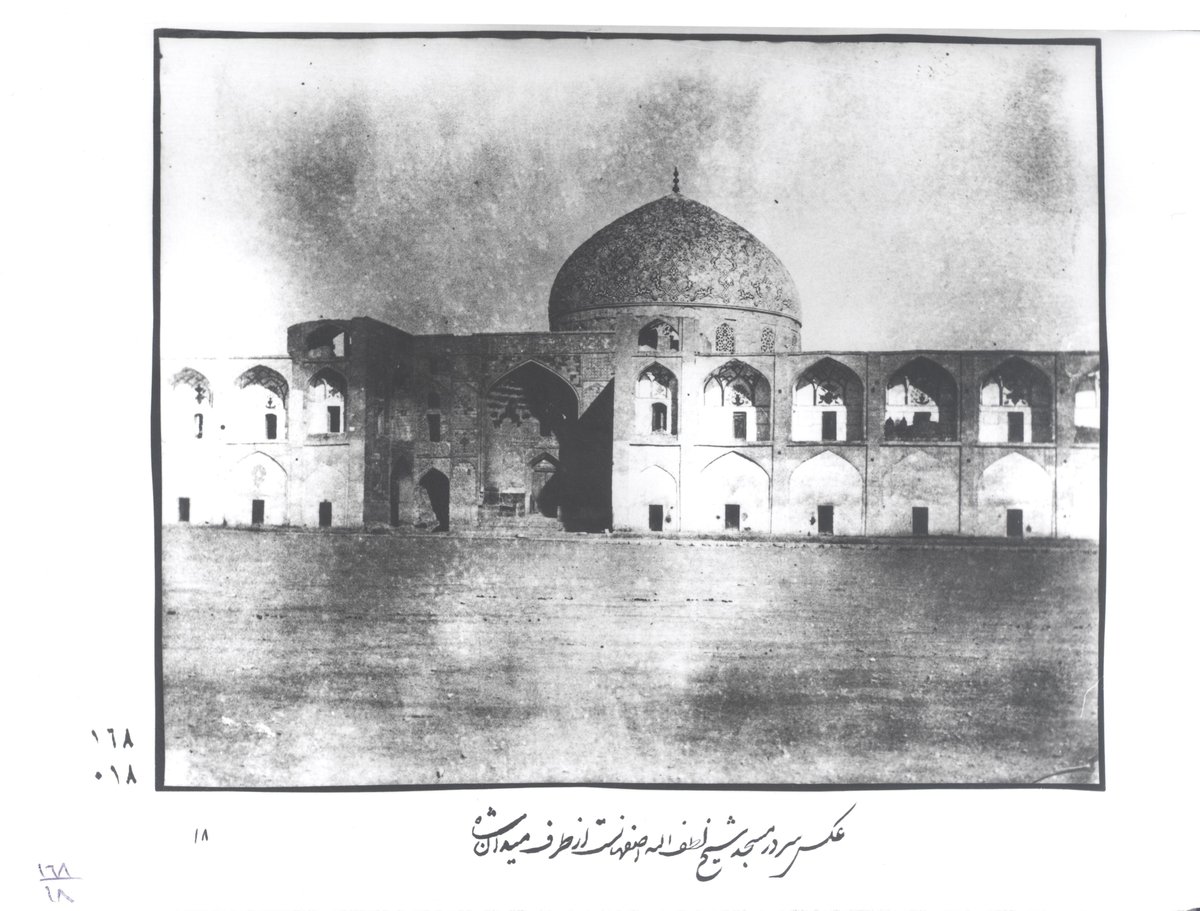
- Naqsh-e Jahan Square: Home to Imam Mosque, Sheikh Lotfollah Mosque, and Ali Qapu Palace; a UNESCO World Heritage Site.
- Isfahan Bazaar: Traditional market for crafts and local goods.
- Chaharbagh Avenue: Historic boulevard with gardens, shops, and cafes.
- Si-o-se-pol & Khaju Bridges: Iconic Safavid bridges along the Zayandeh River.
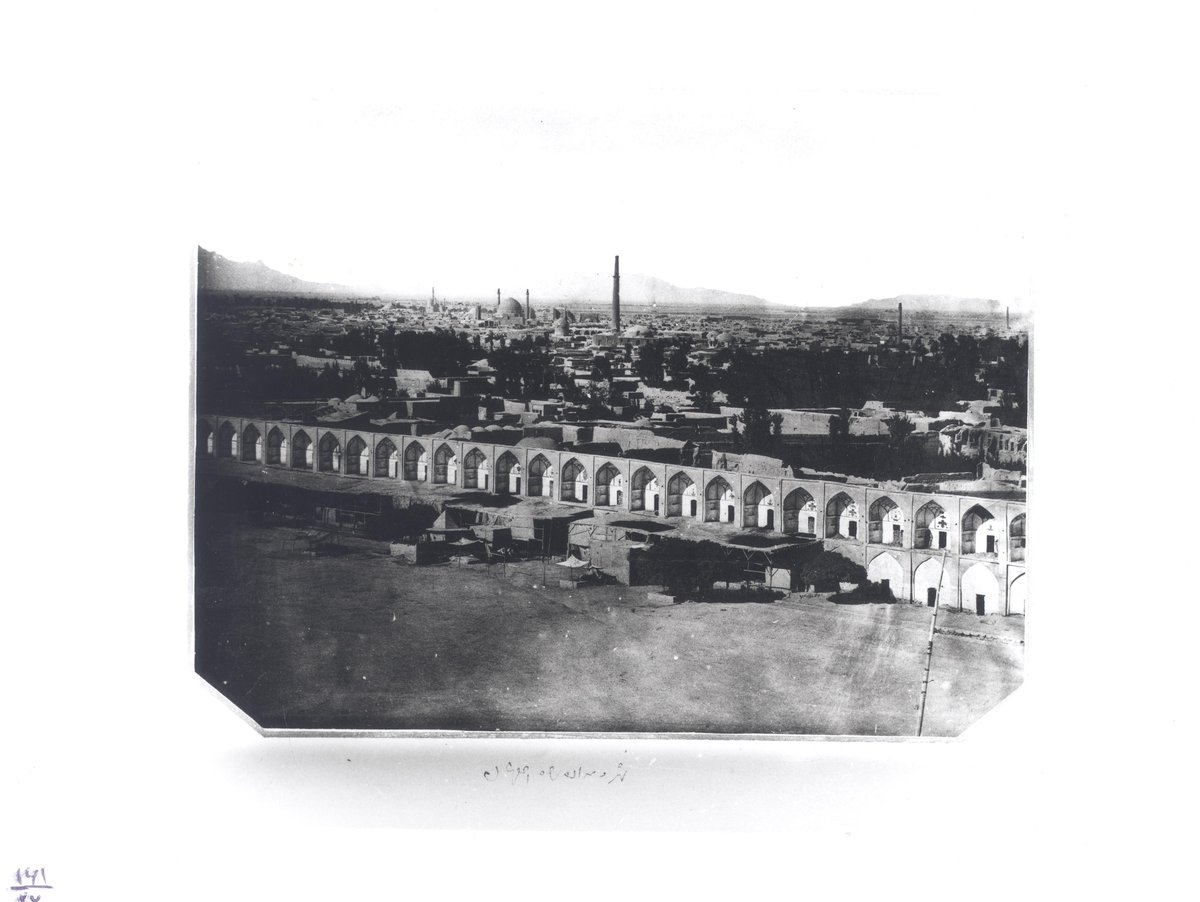
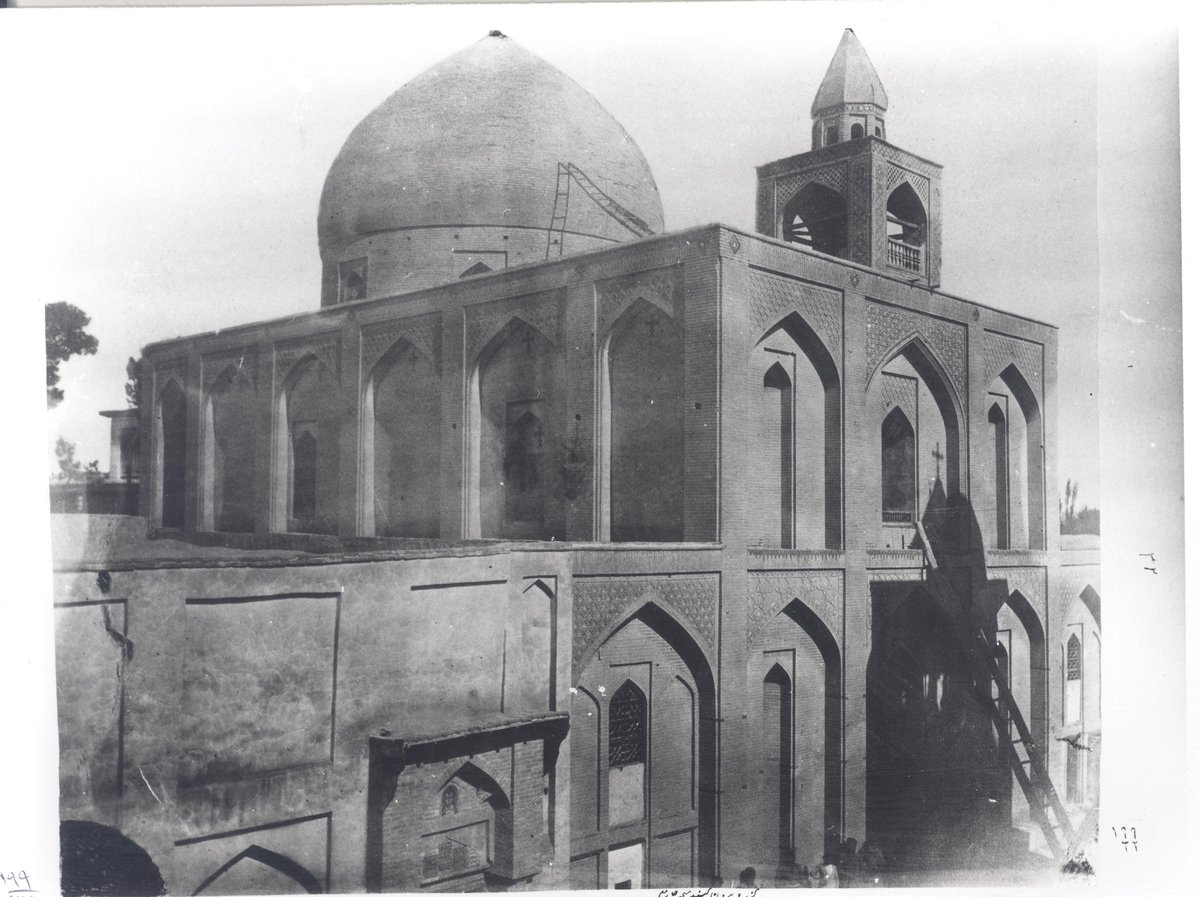
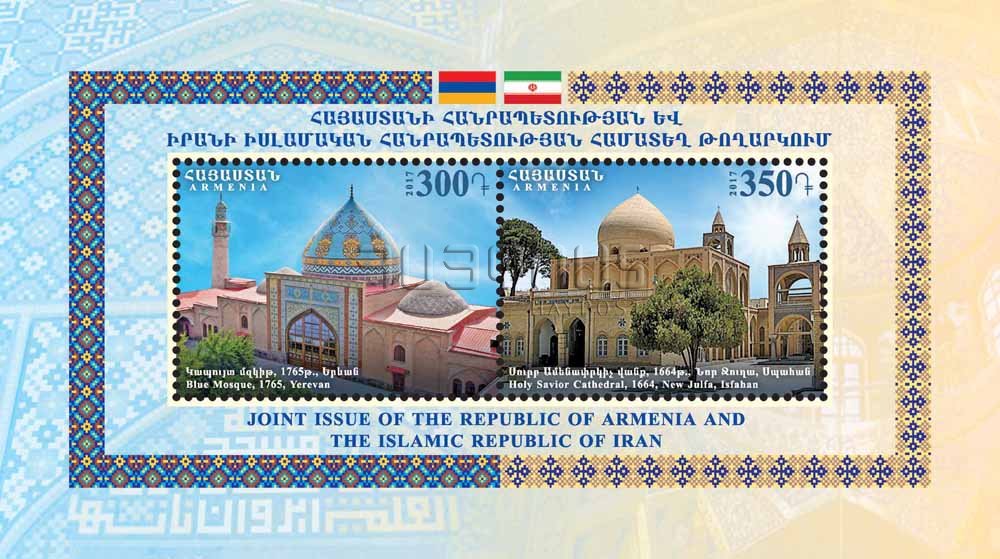
- Jolfa (Armenian Quarter) and Vank Cathedral: A short drive away, rich in religious and architectural history.
- Jameh Mosque of Isfahan: UNESCO-listed, showcasing centuries of Islamic architecture.
Gardens and Landscape
Chehel Sotun’s gardens exemplify the Persian “chahar bagh” design, featuring:
- Reflecting Pool: Central water feature, 110 meters long, amplifying the palace’s grandeur.
- Flora: Ancient plane trees, cypresses, flowering shrubs, and seasonal flowers.
- Layout: Symmetrical pathways and water channels promote tranquility and contemplation (Matinabad; ToIranTour).
Frequently Asked Questions (FAQs)
Q: What are Chehel Sotun’s visiting hours?
A: Typically 8:00 AM to 6:00 PM daily; check ahead for seasonal changes or holidays.
Q: How much are tickets and how can I buy them?
A: 150,000–1,000,000 Iranian Rials (foreign visitors); purchase at the entrance or official online platforms; cash only.
Q: Is Chehel Sotun accessible for visitors with disabilities?
A: Gardens and main paths are accessible; some historic interiors may have limited access—contact management for details.
Q: Are guided tours available?
A: Yes, in multiple languages; highly recommended for a richer experience.
Q: What is the best time to visit Chehel Sotun?
A: Spring and autumn for pleasant weather and garden blooms.
Q: What is the dress code?
A: Modest clothing; headscarf for women, no shorts for men.
Listen to the full story in the app
The whole Chehel Sotun,
told well.
Audio guides for 1,100+ cities across 96 countries. History, stories, and local insight — offline ready.

Verified, and shown.
Researched and written by the Audiala editorial team from historical records, architectural archives, and local expertise.
Researched from Wikidata, Wikipedia & official sources · fact-checked · How we make our guides →