Plan and listen to Agha Nur Mosque with Audiala.
Audio guide in your pocket, itinerary in your browser. Built for the way you actually visit.
Introduction to Agha Nur Mosque and Its Significance
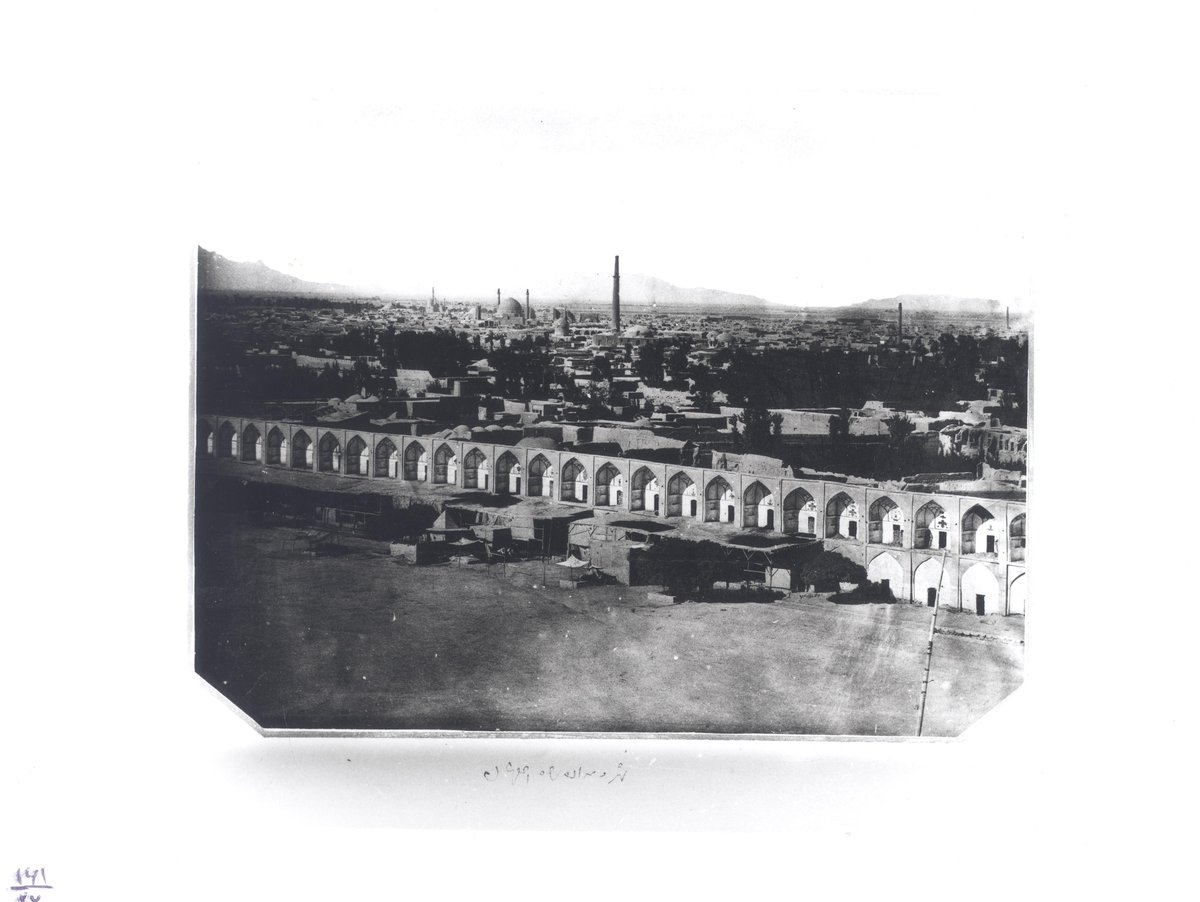
Nestled in the historic heart of Isfahan, Iran, the Agha Nur Mosque serves as an enduring symbol of Safavid-era Persian Islamic architecture and cultural heritage. Built in the early 17th century under the patronage of Agha Nur—a prominent Safavid court official and philanthropist—this mosque offers a window into Isfahan’s centuries-old religious, educational, and social traditions. Unlike the monumental mosques of Naqsh-e Jahan Square, Agha Nur Mosque is a neighborhood sanctuary, harmoniously blending architectural elegance with communal life.
Drawn by its serene atmosphere and historical significance, visitors admire the mosque’s four-iwan layout, vibrant blue and turquoise tilework, mature tree-framed courtyard, and exquisite craftsmanship, including muqarnas vaulting and calligraphic inscriptions. Located within walking distance of landmarks like Imam Mosque and the Grand Bazaar, the mosque is open to the public free of charge, making it an essential stop for anyone eager to explore Isfahan’s religious and architectural marvels. Modest dress and respectful conduct are required, particularly during prayer times. Guided tours are available for those seeking deeper insights into the mosque’s history and context.
This guide covers all key aspects of visiting Agha Nur Mosque, providing detailed historical context, visitor information, etiquette guidelines, and tips for exploring nearby attractions. It ensures travelers have an enriching and respectful experience at one of Isfahan’s treasured heritage sites (Iranian Architecture, SaadatRent, Surfiran).
Historical Background and Heritage Status
Origins and Construction
The Agha Nur Mosque (Masjed-e Āghā Nūr) stands as a testament to Isfahan’s rich architectural and religious legacy. Commissioned by Agha Nur, a high-ranking Safavid court official, construction began in the early 17th century—likely between 1620 and 1625 CE—coinciding with Isfahan’s transformation under Shah Abbas I (Iranian Architecture). Unlike larger congregational mosques designed for state and royal functions, Agha Nur Mosque was created as a neighborhood center for prayer, education, and social welfare.
Architectural Context
Built during a period of intense architectural innovation, Agha Nur Mosque features a traditional four-iwan plan. Its central courtyard is surrounded by four vaulted iwans, providing both visual harmony and functional space for worship and community gatherings. The prayer hall, located on the southern side, is notable for its high ceilings and rows of columns. Elements such as the sunken courtyard and intricate tilework reflect the Safavid mastery of mosque architecture (SaadatRent).
Patronage and Social Role
The mosque’s patronage by Agha Nur reflects the tradition of waqf (charitable endowment), which was vital to the development of Islamic architecture in Iran. The mosque complex included a madrasa, underscoring its dual spiritual and educational functions and its role as a hub for community life (Iranian Architecture).
Heritage Status and Conservation
Agha Nur Mosque is recognized as a national heritage site by the Iranian Cultural Heritage, Handicrafts and Tourism Organization (ICHHTO), ensuring its preservation under national guidelines (ICHHTO). Restoration efforts over the centuries have focused on structural stability, tilework conservation, and the preservation of original wooden features. The mosque sits within Isfahan’s UNESCO-listed historic center, enhancing its cultural significance (UNESCO Isfahan).
Significance in Isfahan’s Urban and Religious Landscape
Community and Religious Life
For over four centuries, Agha Nur Mosque has served as a neighborhood anchor, fostering daily worship, religious education, and community solidarity. Its intimate scale and tranquil setting distinguish it from Isfahan’s grander mosques, making it a beloved site for local residents.
Architectural and Artistic Influence
The mosque’s balanced proportions, restrained ornamentation, and integration of Persian and Islamic motifs have influenced subsequent religious architecture in Isfahan and beyond. The use of brick, glazed tile, and muqarnas vaulting embodies the zenith of Safavid-era craftsmanship (SaadatRent).
Cultural and Educational Role
The attached madrasa historically provided instruction in Islamic theology, jurisprudence, and sciences. Today, the mosque continues to host Quranic classes, lectures, and religious festivals, sustaining its educational and cultural legacy.
Visitor Tips and Essential Information
Location and Accessibility
Agha Nur Mosque is situated in Isfahan’s historic Dardasht neighborhood, within walking distance of Naqsh-e Jahan Square and the Grand Bazaar. It can be accessed by foot, taxi, or public transportation. The area is pedestrian-friendly, with charming alleys and local shops (Wikipedia).
Visiting Hours and Entry
- Hours: Generally open daily from 8:00 AM to 6:00 PM, with access limited during the five daily prayer times and Friday noon prayers.
- Entry: Free of charge; donations for maintenance are welcomed (Eavar Travel).
Dress Code
- Women: Headscarf covering hair and neck, long-sleeved tunic or coat, and trousers or long skirt. Chador is optional but may be available at the entrance.
- Men: Long trousers and sleeved shirts.
- Footwear: Remove shoes before entering the prayer hall/shabestan (Irun2Iran).
Visitor Etiquette
- Maintain silence and reverence, especially during prayers.
- Photography is permitted in exterior and courtyard areas with permission; avoid flash and always seek approval before photographing worshippers (Learn Religions).
- Avoid walking in front of those praying.
- Non-Muslims may observe but should not sit among prayer rows during worship.
Facilities and Accessibility
- Basic restroom facilities are available; bring tissues and sanitizer.
- The mosque’s historic design includes steps and uneven surfaces, which may challenge visitors with mobility needs.
Guided Tours
Local guides are available and can enhance your experience with in-depth historical and cultural context (Irun2Iran).
Special Events
Agha Nur Mosque hosts religious festivals, especially during Ramadan, offering vibrant community experiences. Visitors may observe these if present during such events.
Architectural Highlights
- Entrance Portal: Features Safavid-era inscriptions and intricate tilework.
- Courtyard: Rectangular, surrounded by arcades, shaded by mature trees, and lacks a central pond.
- Southern Iwan and Mihrab: Adorned with marble and mosaic tiles; leads to the main prayer hall.
- Shabestan: Added in the Qajar era, with marble pillars and natural light filtering through arches (Apochi Blog).
- Decorative Arts: Seven-color (haft-rangi) tiles, elegant calligraphy, and wooden doors with marquetry inlay.
Nearby Attractions and Suggested Itinerary
- Naqsh-e Jahan Square: Includes Imam Mosque, Sheikh Lotfollah Mosque, and Ali Qapu Palace (Visit Our Iran).
- Traditional Bazaars: Ideal for shopping local handicrafts and sweets.
- Other Mosques: Jameh Mosque of Isfahan and Ali Qoli Agha Mosque offer further insights into Islamic architecture (Apochi Blog).
Suggested Itinerary: Start your day at Agha Nur Mosque, explore the local bazaar, and spend the afternoon at Naqsh-e Jahan Square.
Frequently Asked Questions (FAQ)
Q: What are the visiting hours for Agha Nur Mosque?
A: Generally 8:00 AM to 6:00 PM, excluding Friday noon prayers and major holidays.
Q: Is there an entrance fee?
A: No, entry is free; donations are appreciated.
Q: Are guided tours available?
A: Yes, local guides can be arranged.
Q: What is the dress code?
A: Modest dress—headscarf for women, long trousers and sleeves for men.
Q: Is the mosque accessible for people with disabilities?
A: Some areas may be challenging due to historic architecture; inquire locally for assistance.
Q: Can I take photographs?
A: Yes, with permission, and always respect worshippers’ privacy.
Listen to the full story in the app
The whole Agha Nur Mosque,
told well.
Audio guides for 1,100+ cities across 96 countries. History, stories, and local insight — offline ready.

Verified, and shown.
Researched and written by the Audiala editorial team from historical records, architectural archives, and local expertise.
Researched from Wikidata, Wikipedia & official sources · fact-checked · How we make our guides →