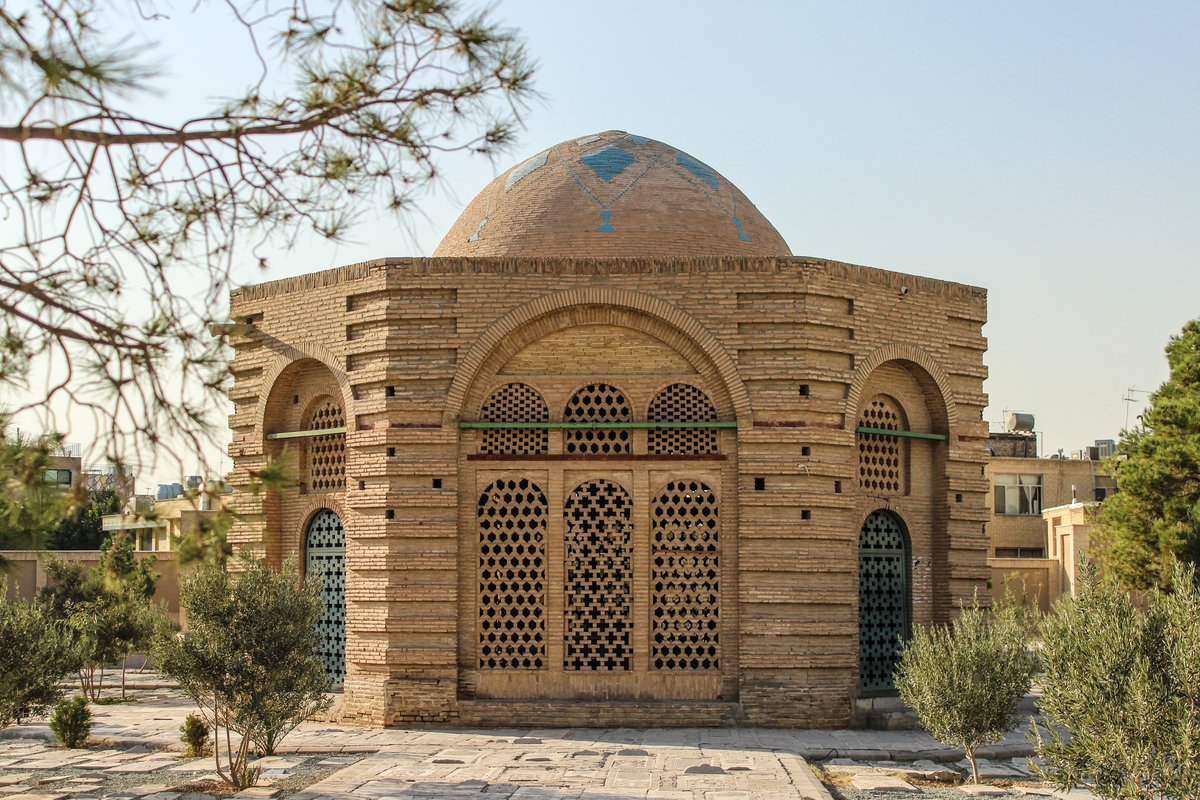
Plan and listen to Agha Mirza Muhammad Baqir Chahar Suqi Mosque with Audiala.
Audio guide in your pocket, itinerary in your browser. Built for the way you actually visit.
Introduction
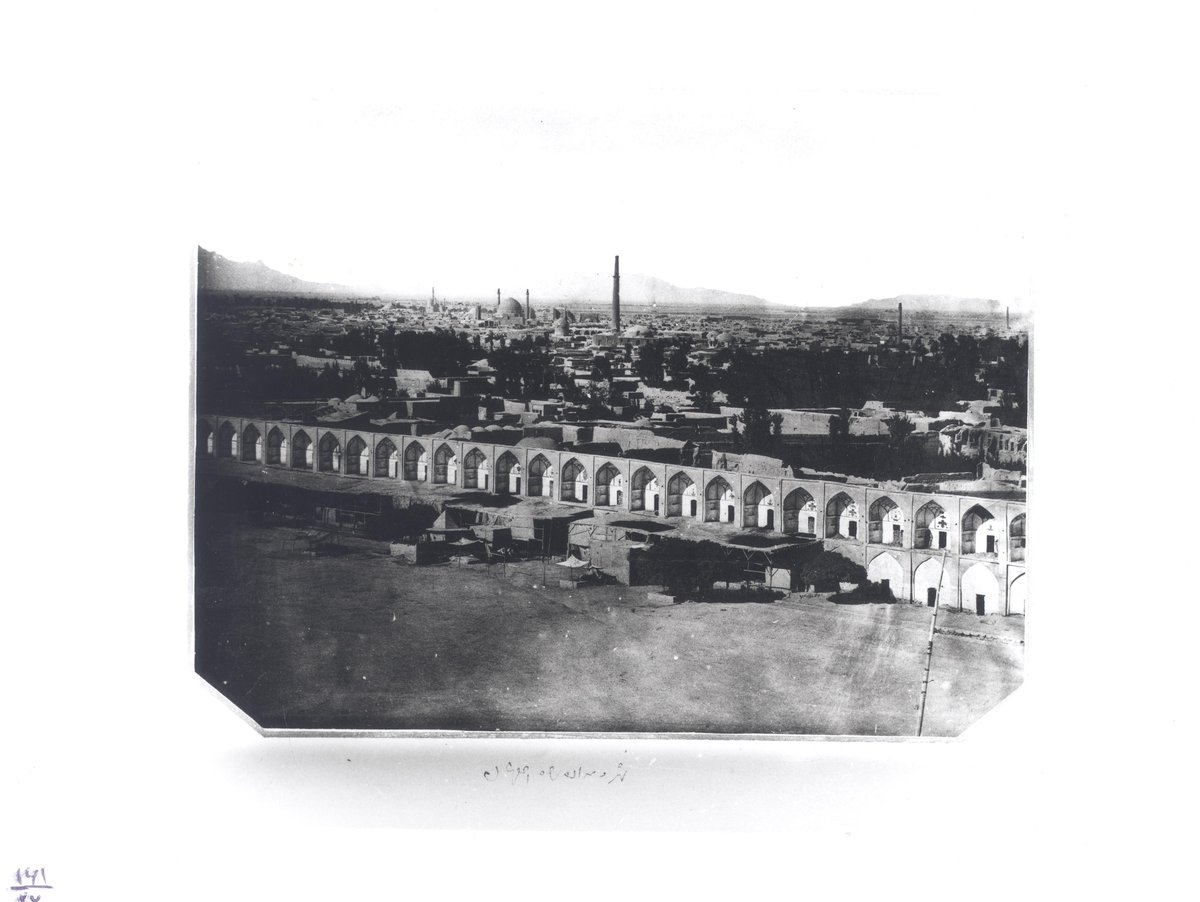
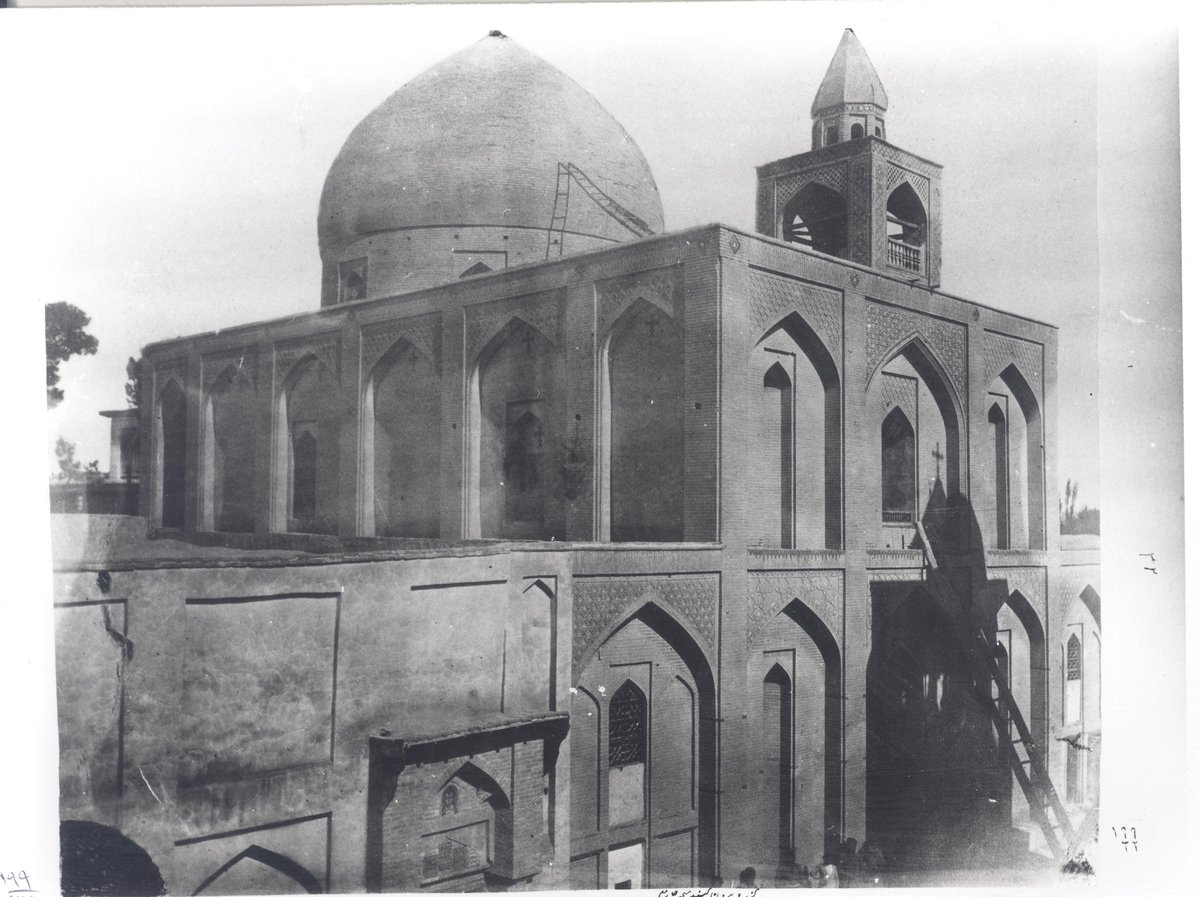
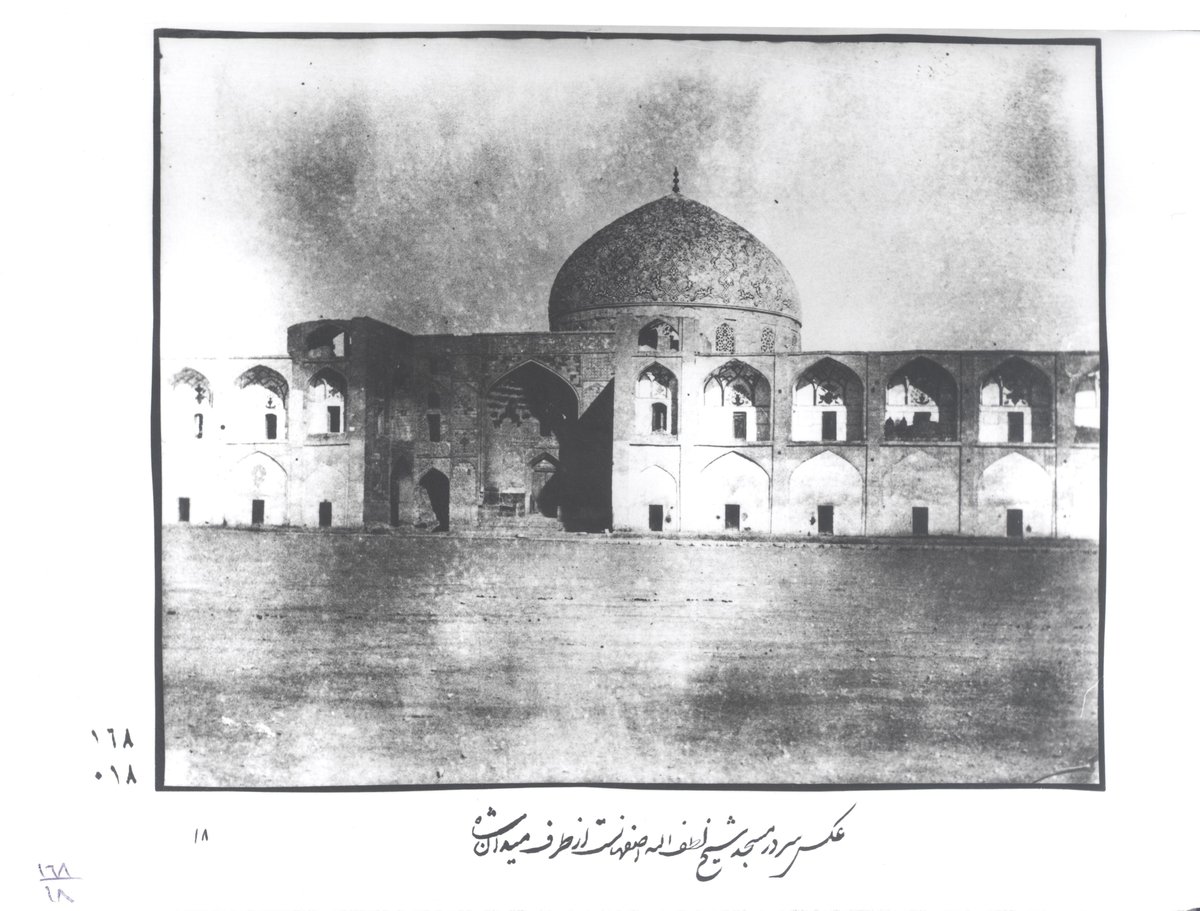
The Agha Mirza Muhammad Baqir Chahar Suqi Mosque is a lesser-known yet culturally significant site in the heart of Isfahan, Iran. Erected during the Qajar dynasty, this mosque is celebrated for its harmonious blend of Persian Islamic architecture, intricate tilework, and its enduring role as a center for community worship and education. While overshadowed by Isfahan’s grander monuments, this neighborhood mosque offers visitors an authentic perspective into the city’s religious and urban traditions (DBpedia, Apochi).
This comprehensive guide provides you with an overview of the mosque’s history, architectural features, visitor information—including opening hours, ticket policies, accessibility, and etiquette—as well as insightful tips and nearby attractions to help you make the most of your visit.

Historical Context
Qajar Dynasty Heritage
Constructed in the Qajar era (1789–1925), the Agha Mirza Muhammad Baqir Chahar Suqi Mosque reflects a distinct phase in Persian art and architecture. The Qajar period was marked by a revival of traditional forms and a focus on community-centered religious spaces. While the Safavid dynasty left a legacy of grand, monumental mosques, the Qajar era emphasized neighborhood mosques with intricate decorative details and a more intimate scale (Apochi).
Community and Religious Role
From its inception, the mosque functioned as more than just a place for prayer; it served as a hub for religious education and local gatherings. Community members continue to use the mosque for daily prayers, religious instruction, and cultural events, reinforcing its status as a living center of Isfahan’s Islamic traditions (Apochi).
Architectural Features
Location and Setting
The mosque is strategically located in Isfahan’s traditional urban core, close to the vibrant Chahar Suq bazaar and, in some references, within the historic Takht-e Foulad cemetery. Both settings highlight the mosque’s importance as a spiritual and social center—serving merchants, locals, and visitors alike (IranAmaze, Wikipedia).
Layout and Design
- Scale and Structure: The mosque is modest in size, featuring a rectangular courtyard, prayer hall, and a south-facing iwan (vaulted hall).
- Absence of Dome and Minarets: Unlike Isfahan’s monumental mosques, this mosque lacks a grand dome and minarets, emphasizing its neighborhood function.
- Decorative Elements: The façade and interior showcase Qajar brick tilework, marble dados, and wooden doors with intricate inlay (khatam). The mihrab is adorned with blue and white calligraphy and muqarnas—a hallmark of Persian mosque design (Eavar Travel).
- Calligraphy and Artistry: Bannai script and Persian poetry embellish the walls, reflecting Qajar-era calligraphic traditions (Apochi).
Preservation and Community Engagement
The mosque is recognized as a protected heritage site, with ongoing restoration and maintenance overseen by local religious leaders and cultural authorities. Community involvement ensures that the mosque remains not just a relic, but a vibrant place of worship and learning. Preservation efforts focus on maintaining the structural and decorative integrity amid urban development pressures (Eavar Travel).
Visiting Information
Visiting Hours
- Daily: 8:00 AM to 6:00 PM.
- Note: It is best to avoid visiting during prayer times for a quieter experience.
Entrance Fees
- Free Entry: There is no ticket requirement. Visitors are welcome to make voluntary donations to support maintenance.
Accessibility
- General Access: The mosque is accessible by foot and local transport.
- Mobility: While the main areas are generally accessible, some uneven flooring or steps may be challenging for those with mobility issues. Assistance can be requested in advance.
Guided Tours
- Tours: Local operators and Isfahan walking tours may include the mosque. Arranging a guide offers deeper insight into its history and architecture.
Photography
- Permitted: Architectural photography is encouraged, but please avoid flash during prayers and always seek permission before photographing worshippers.
Dress Code and Etiquette
- Women: Headscarf and modest clothing covering arms and legs.
- Men: Long trousers and sleeved shirts preferred.
- Shoes: Remove shoes before entering the prayer hall.
- Behavior: Maintain a respectful silence, set phones to silent, and refrain from eating or drinking inside.
Practical Tips
- Best Time to Visit: Early mornings or late afternoons, for serene atmosphere and optimal lighting.
- Nearby Attractions:
- Jameh Mosque of Isfahan (UNESCO-listed)
- Imam Mosque
- Naqsh-e Jahan Square
- Isfahan Grand Bazaar
- Language: Farsi is commonly spoken; basic English may be understood.
- Safety: Isfahan is generally safe; standard precautions apply.
Frequently Asked Questions (FAQ)
Q: What are the mosque’s opening hours?
A: 8:00 AM to 6:00 PM daily, except during prayer times.
Q: Is there an entrance fee?
A: No, entry is free.
Q: Can non-Muslims visit?
A: Yes, non-Muslims are welcome outside of prayer times.
Q: Are guided tours available?
A: Not officially, but local guides can be arranged.
Q: Is photography allowed?
A: Yes, but ask before photographing people and avoid flash during prayers.
Q: Is the mosque wheelchair accessible?
A: Some areas may be challenging; inquire ahead for accessibility needs.
Listen to the full story in the app
The whole Agha Mirza Muhammad Baqir Chahar Suqi Mosque,
told well.
Audio guides for 1,100+ cities across 96 countries. History, stories, and local insight — offline ready.
Verified, and shown.
Researched and written by the Audiala editorial team from historical records, architectural archives, and local expertise.
Researched from Wikidata, Wikipedia & official sources · fact-checked · How we make our guides →