What Medan Area University and Medan’s heritage sites are
Medan, the capital of North Sumatra, Indonesia, is known for its cultural diversity, historical landmarks, and academic institutions. Medan Area University (Universitas Medan Area, UMA) reflects the city’s pluralistic society through its campus life, academic programs, and community engagement. Nearby heritage sites include the Pejuang-Pejuang Medan Area Monument and Maimun Palace, the former royal seat of the Sultanate of Deli.
History
Pejuang-Pejuang Medan Area Monument
Located in central Medan, the Pejuang-Pejuang Medan Area Monument commemorates local freedom fighters who played a role in Indonesia’s post-World War II independence movement. It is a reminder of Medan’s contribution to national sovereignty and a source of local pride.
Maimun Palace
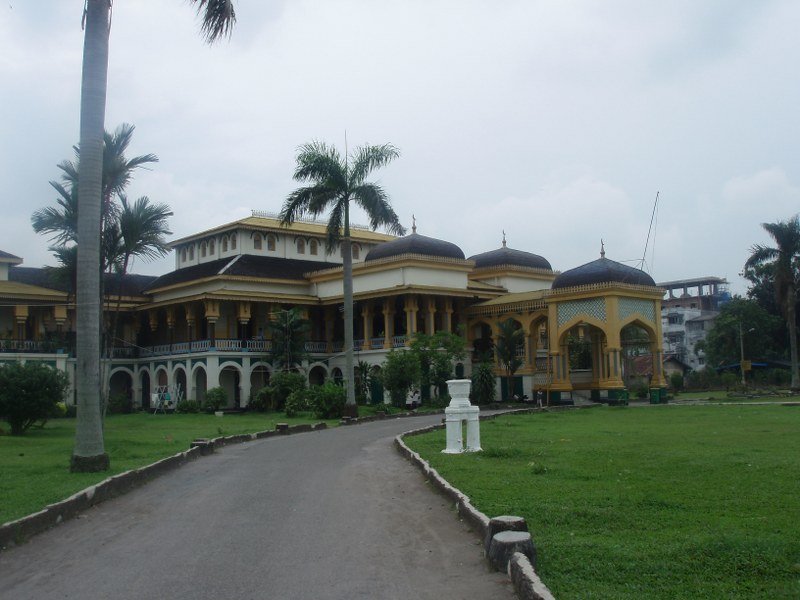
Built in 1888 by Sultan Ma'mun Al Rashid Perkasa Alamyah, Maimun Palace (Istana Maimun) served as the royal residence of the Sultanate of Deli. Its design combines Malay, Islamic, Indian, and European influences, reflecting Medan’s cultural and architectural diversity.
What to see
The monument
The monument’s sculptures, plaques, and surrounding gardens provide photographic opportunities, particularly at sunrise or sunset. Local tour operators offer guided visits about the independence movement and the monument’s significance. Educational programs and commemorative events are often held during national holidays.
Maimun Palace
The palace’s golden domes, elaborate carvings, and richly decorated interiors illustrate its blend of architectural influences. A museum displays royal artifacts, traditional costumes, and historical photographs. Photography is permitted in most areas, though some restrictions may apply to protect exhibits.
The palace occasionally hosts traditional dance performances and cultural festivals. Schedules are available through the Medan Tourism website.
Medan Area University
Medan is home to Javanese, Toba Batak, Mandailing, Nias, Malay, Karo, Angkola, Chinese, Minang, and other communities (AASMR Journal, 2024). UMA’s student body reflects this diversity, which shapes campus culture, social networks, and academic choices.
The university holds cultural festivals, traditional music and dance performances, and culinary events, many of which are open to visitors. Its academic programs include Batak Literature, Chinese Language, and Ethnomusicology (TopUniversities). UMA also conducts research and outreach and collaborates with local governments and NGOs on community development and social programs (UMA Journals).
The campus has over 200 laboratories, Wi-Fi, sports fields, cafeterias, and student housing. The Auditorium and Gelanggang Mahasiswa frequently host public events (TopUniversities).
Practical visiting information
Hours and admission
- Medan Area University Monday–Friday, 8:00 AM–5:00 PM. Cultural events are often held on weekends. Admission is free for most campus areas; some events require registration or tickets.
- Pejuang-Pejuang Medan Area Monument Daily, 8:00 AM–6:00 PM. Admission is free; donations are appreciated and help maintain the monument.
- Maimun Palace Daily, 8:00 AM–5:00 PM. Tickets cost IDR 10,000 for local visitors and IDR 15,000 for foreign tourists. Additional fees may apply for guided tours.
Check the official tourism website for updates to palace hours and ticket prices, especially during holidays or special events.
Getting around
The monument is in central Medan and can be reached by public transport, taxi, or private vehicle. Maimun Palace is also in central Medan and is accessible by public transport, taxi, or ride-hailing services. UMA and the major landmarks are within easy reach of one another.
Tours, facilities, and accessibility
Guided tours are available at the monument and Maimun Palace. Monument tours are offered by local tour operators; palace tours provide historical context and are available in English with prior arrangement.
The monument has paved paths, ramps, benches, and shaded areas, and is wheelchair-accessible. Maimun Palace has ramps and accessible pathways; contact the venue ahead of a visit for specific assistance. UMA has ramps, accessible parking, and other facilities. All sites are described as having accessibility features, though visitors with specific needs are advised to check in advance.
The palace has souvenir shops and shaded seating areas. Souvenirs are also available in nearby markets.
Tips
- For the monument, consider visiting early in the morning or late in the afternoon to avoid midday heat and get good photographic light.
- Wear comfortable walking shoes and lightweight clothing at the monument. Bring water and sunscreen, especially during the dry season.
- Respect the monument’s solemnity, follow posted guidelines, and check the local calendar for events that might affect access.
- At Maimun Palace, dress modestly and comfortably. Morning visits are suggested to avoid crowds and heat.
- For palace visits, a guided tour can add historical context. Sample local food at nearby eateries.
- At UMA, check the university website for event schedules, dress modestly—particularly for formal or religious events—and try local dishes at campus cafeterias and nearby food stalls. Engaging with students and faculty can provide further insight.
Nearby places
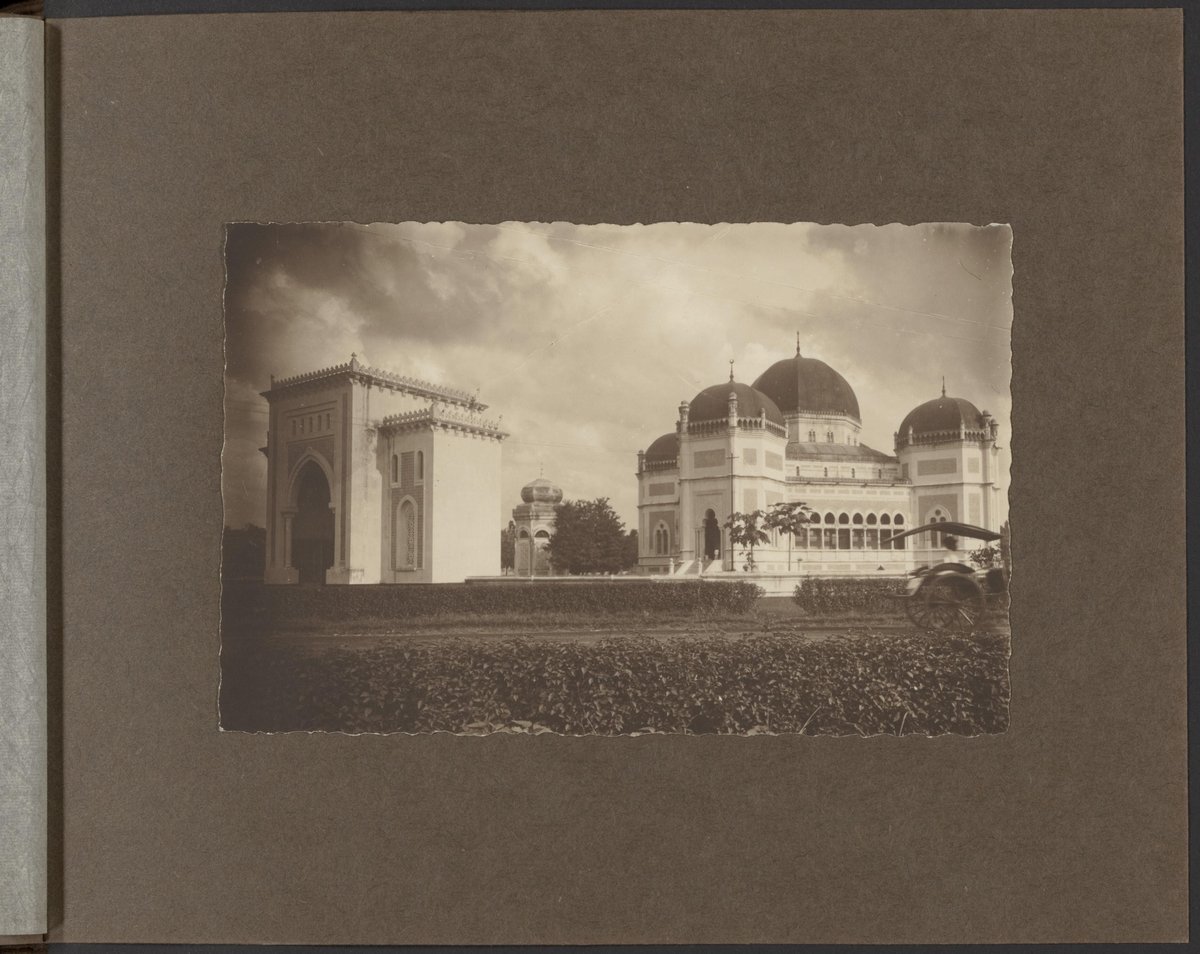
- Great Mosque of Medan (Masjid Raya Al-Mashun) Close to the monument and a short walk from Maimun Palace; notable for its Ottoman-style architecture.
- Maimun Palace Close to the monument and a showcase of Malay royal heritage.
- Medan City Hall A colonial-era architectural landmark near the monument.
- Tjong A Fie Mansion Offers insights into Medan’s Chinese-Indonesian heritage.
- Medan Station A colonial-era railway station with historical significance.
Frequently Asked Questions (FAQ)
What are the visiting hours for UMA and the major historical sites?
UMA is open Monday–Friday, 8:00 AM–5:00 PM; the Pejuang-Pejuang Medan Area Monument is open daily, 8:00 AM–6:00 PM; Maimun Palace is open daily, 8:00 AM–5:00 PM.
Are there entrance fees?
UMA and the monument are free; Maimun Palace charges IDR 10,000 for local visitors and IDR 15,000 for foreign tourists.
Are guided tours available?
Yes. Guided tours are available at Maimun Palace and the monument; many are offered in English by prior arrangement.
Are the sites accessible for visitors with disabilities?
All sites have accessibility features, though it is recommended to check in advance about specific needs.
Can visitors attend cultural events?
Yes. Most public festivals and events at UMA and the historical sites welcome visitors.
Is Maimun Palace suitable for children?
Yes. It offers an educational and cultural experience for all ages.
Can I purchase souvenirs at Maimun Palace?
Yes, both inside the palace and in nearby markets.