Plan and listen to Youth Pledge Museum with Audiala.
Audio guide in your pocket, itinerary in your browser. Built for the way you actually visit.
Introduction: The Youth Pledge Museum and Its Historical Significance
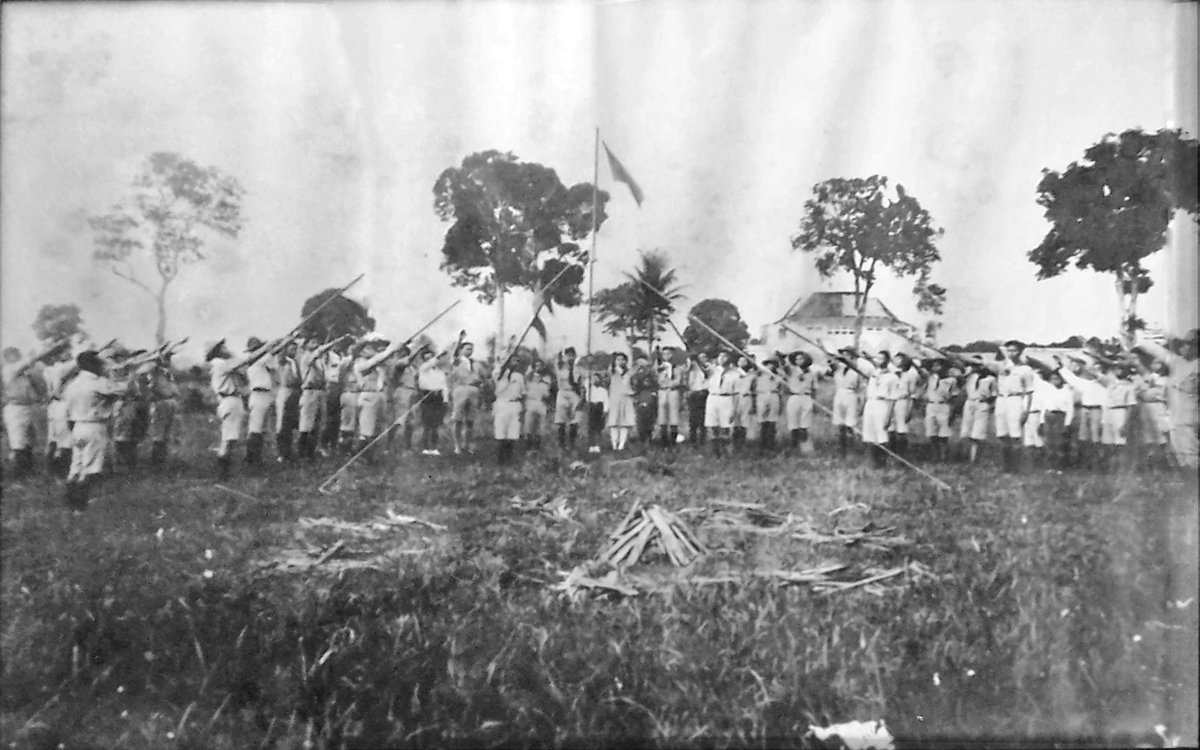
The Youth Pledge Museum (Museum Sumpah Pemuda) in Jakarta stands as a vital symbol of Indonesian national unity, commemorating the momentous Youth Pledge of 1928. This declaration—made by young leaders from across the archipelago—asserted the commitment to one motherland, one nation, and one language: Indonesia. The event, held during the Second Indonesian Youth Congress at Jalan Kramat Raya No. 106 (the museum's current site), signified a turning point in the nation’s struggle for independence and identity, uniting diverse ethnic and cultural groups under a common purpose (Wikipedia, Kompas).
Today, the museum houses over 2,800 artifacts, including original congress documents, photographs, personal items of youth leaders, and a range of interactive displays. These exhibits not only preserve the legacy of the 1928 Youth Congress but also highlight the ongoing relevance of youth activism and national unity. The museum is centrally located in Jakarta, easily accessed by public transportation, and is an essential destination for history enthusiasts, students, and tourists alike. Its proximity to other key sites—such as the National Museum, National Monument, and Kota Tua—makes it a cornerstone of any Jakarta cultural itinerary (Jakarta Travel Guide, Evendo).
This comprehensive guide covers everything needed for a rewarding visit—including opening hours, ticket prices, must-see exhibitions, travel tips, accessibility, and recommendations for exploring nearby historical attractions.
- The Youth Pledge Museum: A Historic Landmark
- Plan Your Visit
- Exploring Jakarta’s Historical Sites
- Frequently Asked Questions (FAQ)
- Conclusion and Next Steps
- References

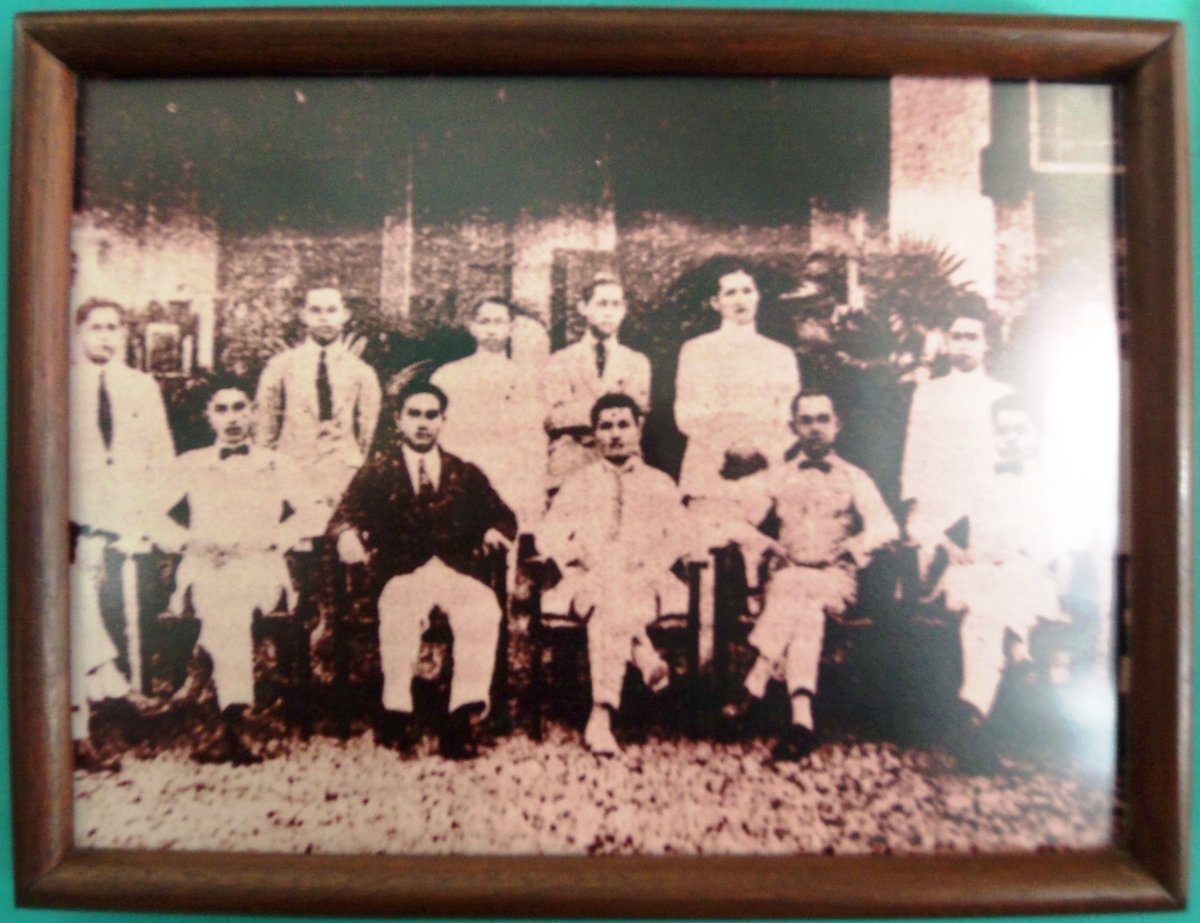
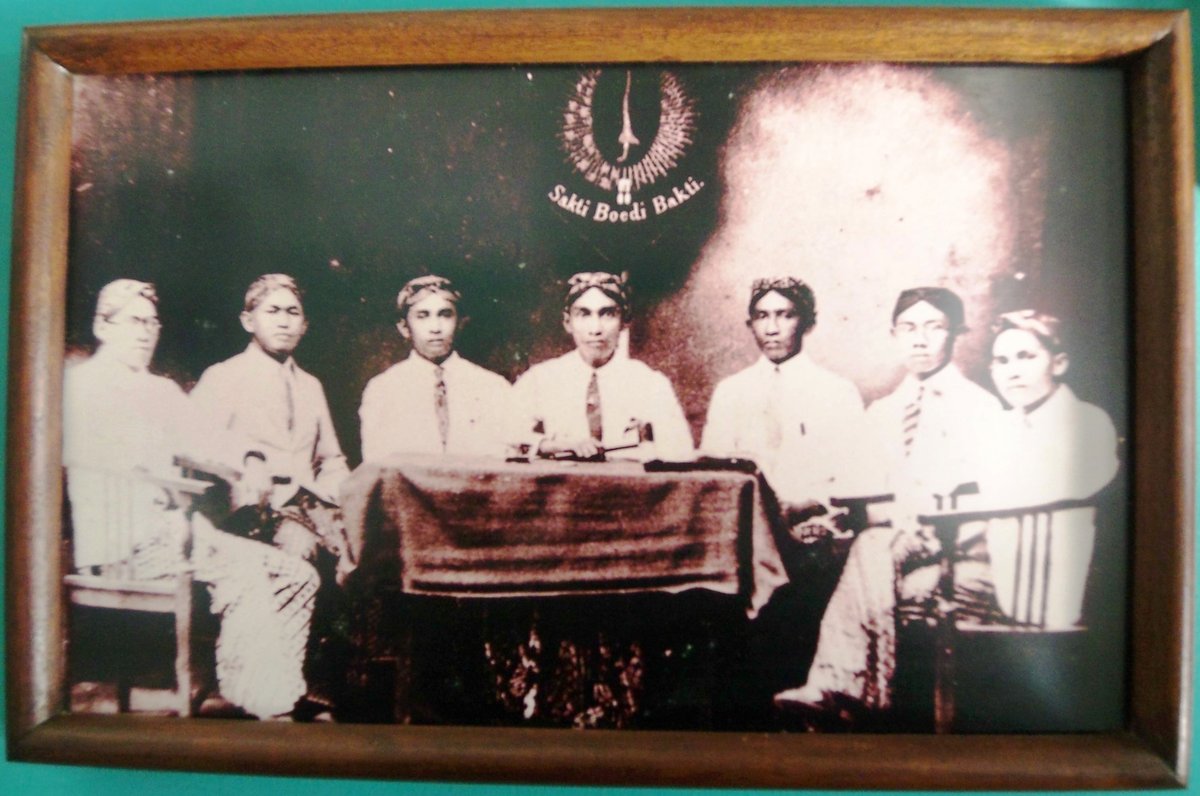
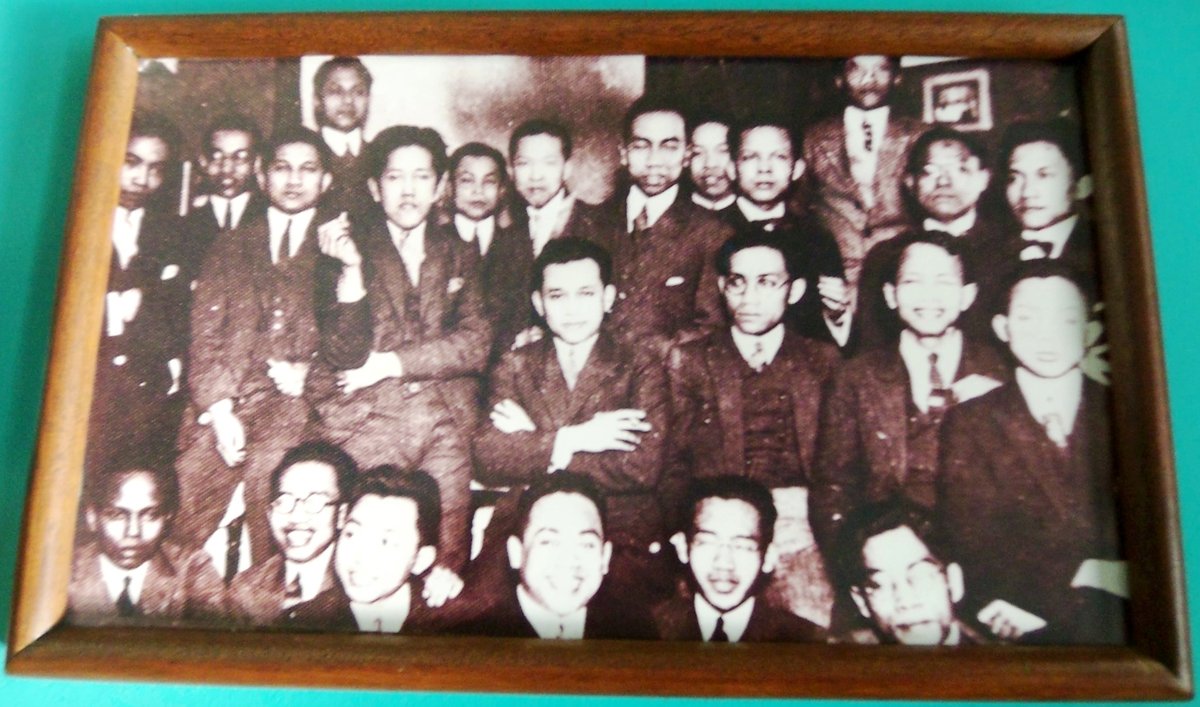
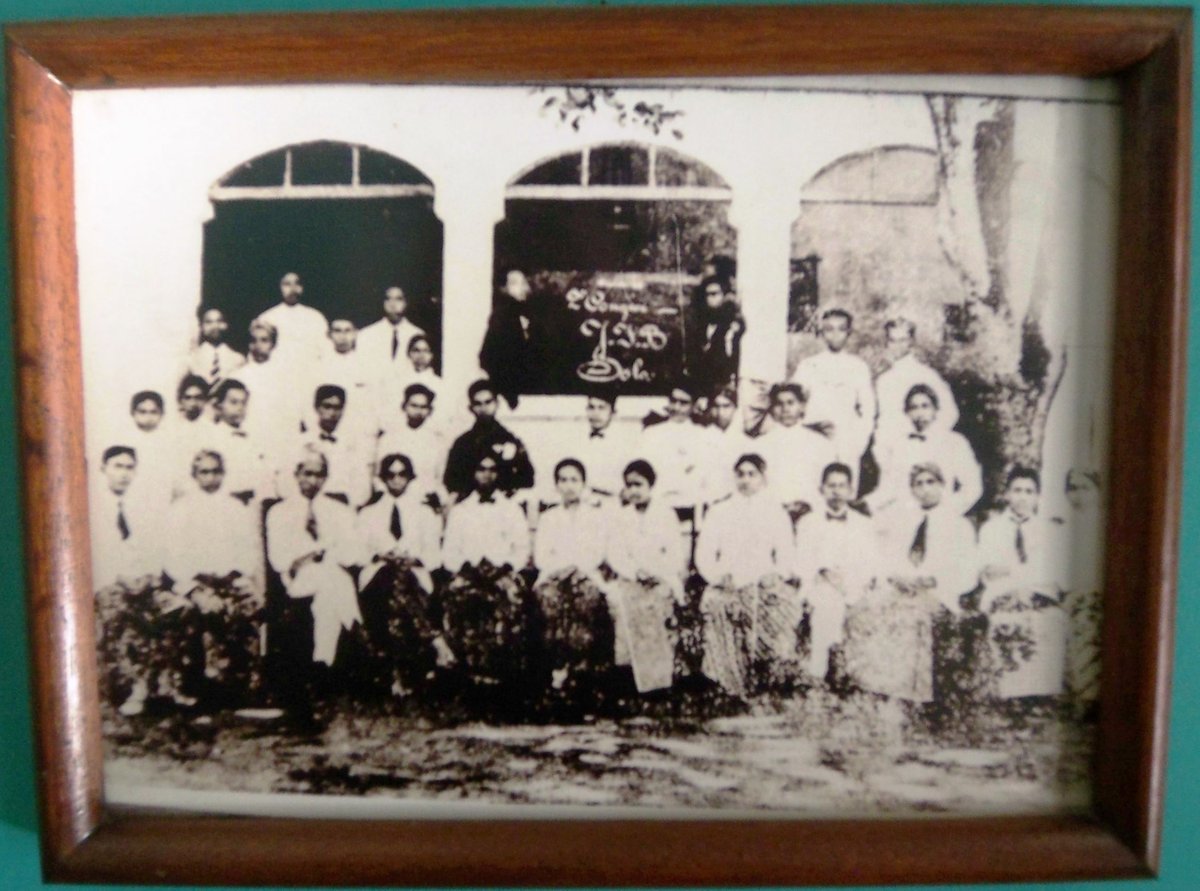
1. The Youth Pledge Museum: A Historic Landmark
Origins of the Youth Pledge and the 1928 Congress
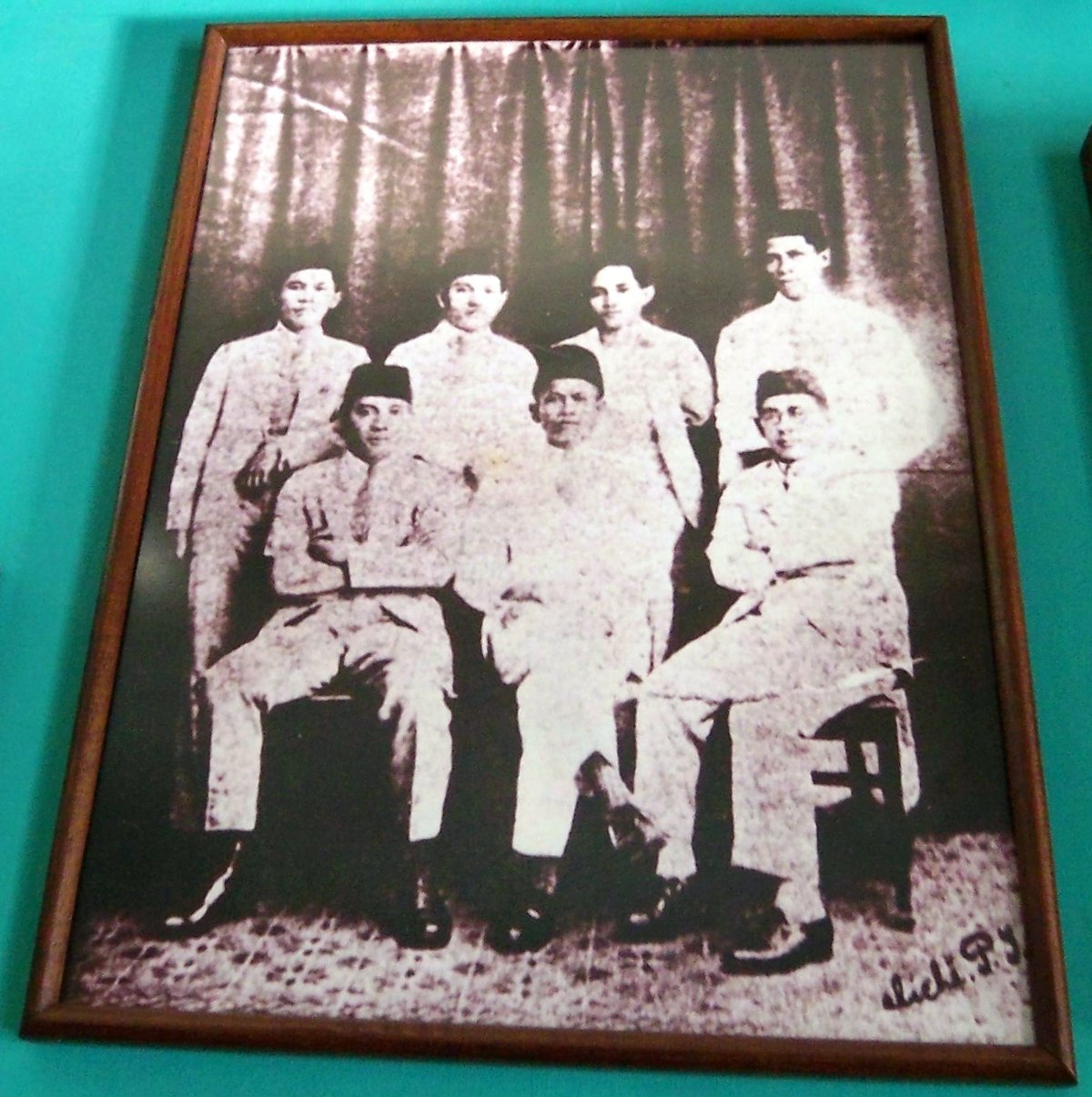
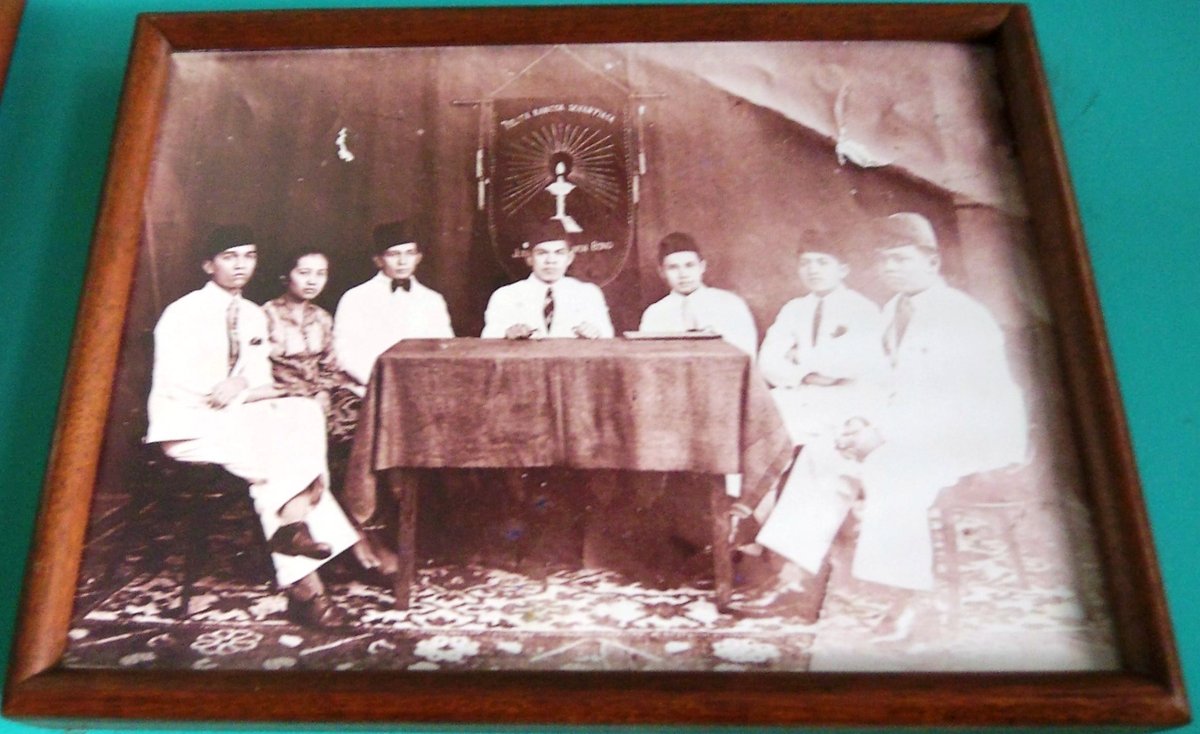
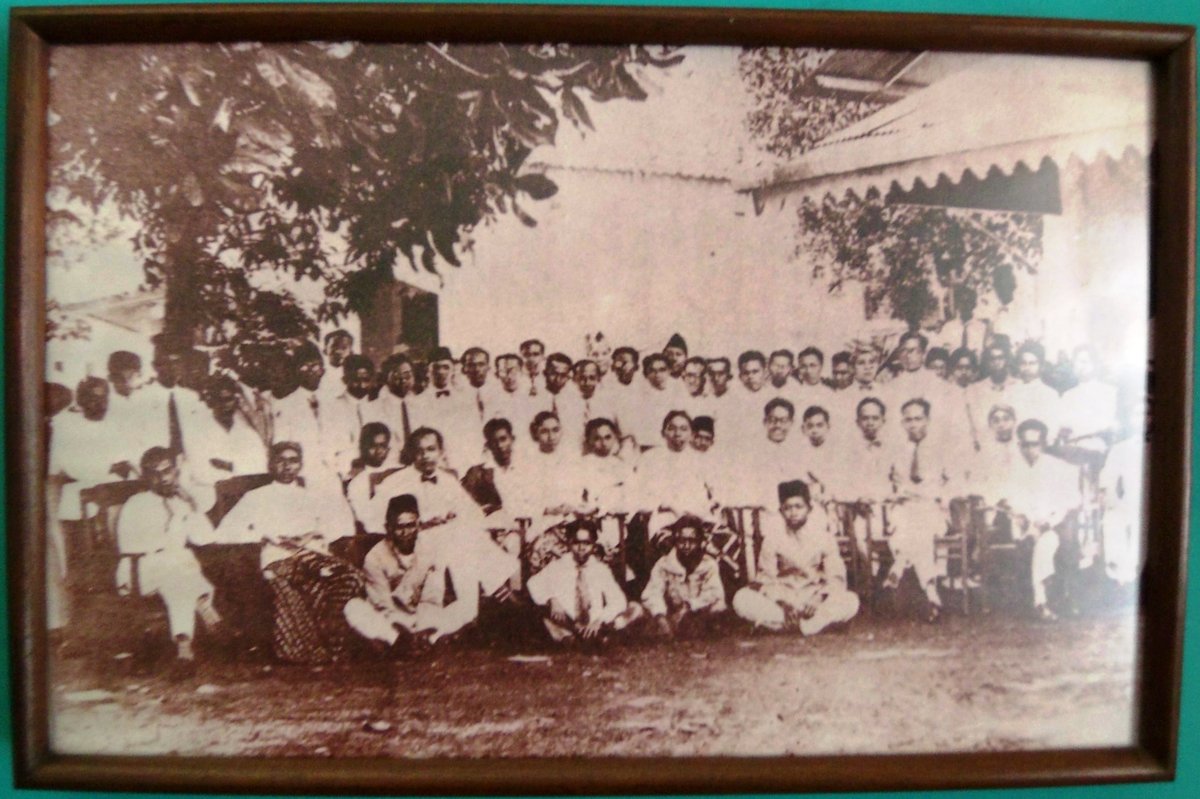
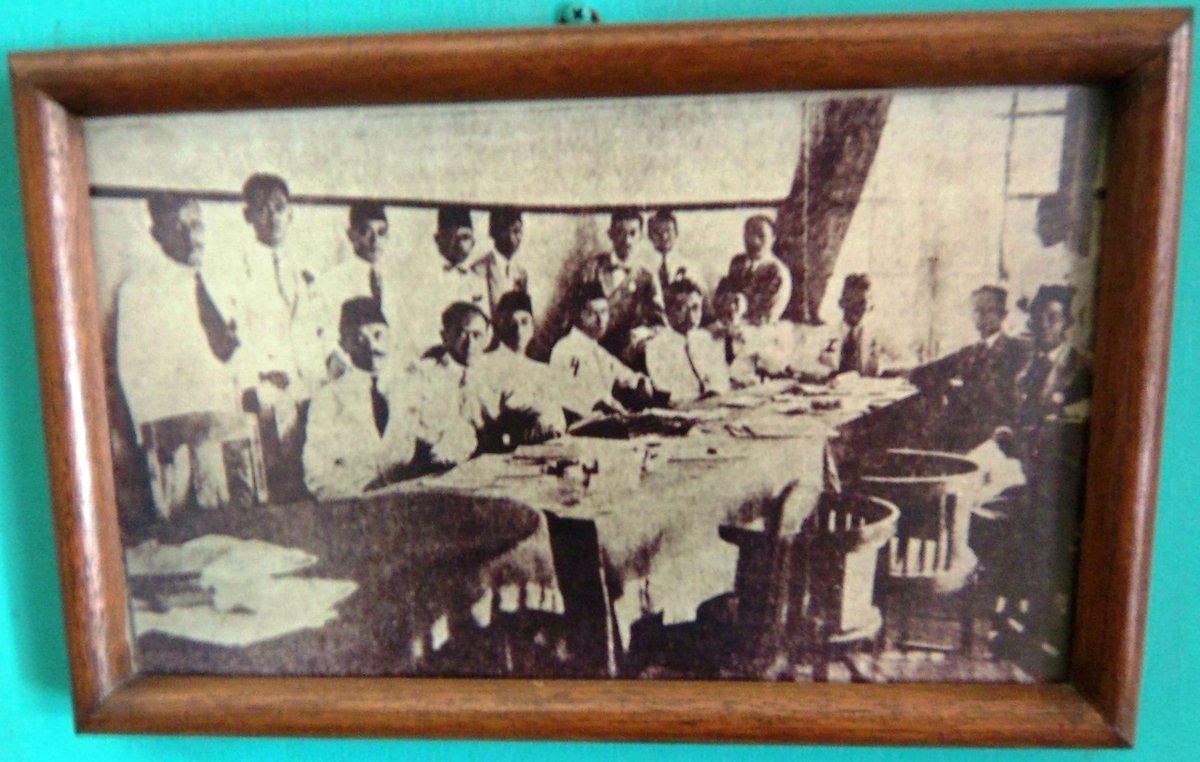
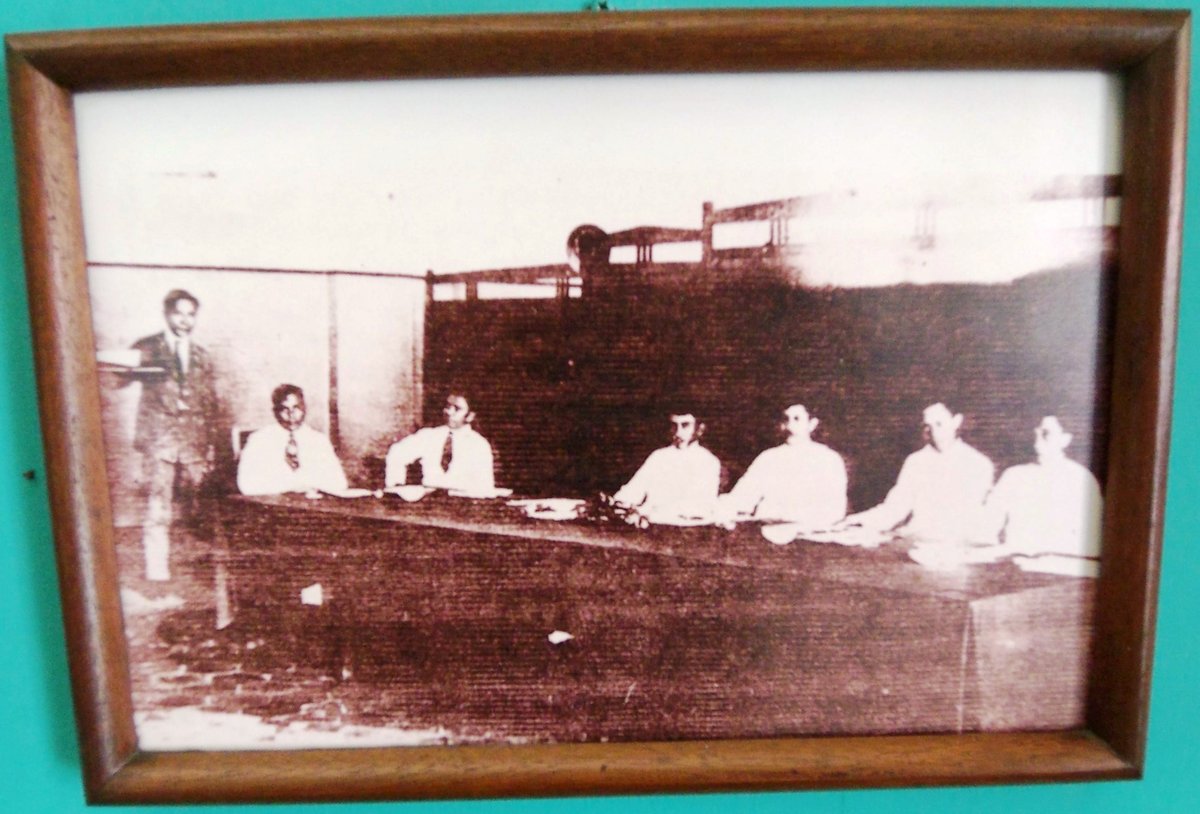
The Youth Pledge (Sumpah Pemuda) was a milestone in Indonesia’s journey to independence. Following the initial Indonesian Youth Congress in 1926, the second congress took place from October 27–28, 1928, in Batavia (now Jakarta). Delegates from various youth organizations—representing different regions, ethnicities, and religions—overcame logistical barriers to unite for a common cause (Wikipedia, Kompas). The final session at Jalan Kramat Raya No. 106 culminated in the reading of the Youth Pledge and the historic performance of "Indonesia Raya" for the first time.
The Meaning and Text of the Youth Pledge
Proclaimed on October 28, 1928, the Youth Pledge established three core principles:
- One motherland: Indonesia
- One nation: the Indonesian nation
- One unifying language: Indonesian
Original (van Ophuijsen spelling):
- Pertama: Kami poetra dan poetri Indonesia, mengakoe bertoempah darah jang satoe, tanah air Indonesia.
- Kedoea: Kami poetra dan poetri Indonesia, mengakoe berbangsa jang satoe, bangsa Indonesia.
- Ketiga: Kami poetra dan poetri Indonesia, mendjoendjoeng bahasa persatoean, bahasa Indonesia.
English translation:
- Firstly: We the sons and daughters of Indonesia, acknowledge one motherland, Indonesia.
- Secondly: We the sons and daughters of Indonesia, acknowledge to be of one nation, the nation of Indonesia.
- Thirdly: We the sons and daughters of Indonesia, uphold the language of unity, Indonesian (Wikipedia).
The pledge unified the nation’s diverse groups, elevating Bahasa Indonesia as a language of unity and fostering a sense of shared identity.
Kramat 106: From Boarding House to National Landmark
The building at Jalan Kramat Raya No. 106 originally served as a boarding house for students and young activists. It hosted the pivotal 1928 congress and was later restored and converted into a museum in 1974. Today, it stands as a symbol of the youth movement and Indonesia's national awakening (Jakarta Old Town, Jakarta Travel Guide).
Museum Exhibits and Collections
The museum features over 2,800 artifacts, documents, and photographs. Highlights include:
- Original manuscripts of the Youth Pledge
- Congress minutes, correspondence, and personal diaries of figures such as Soegondo Djojopoespito and Wage Rudolf Supratman
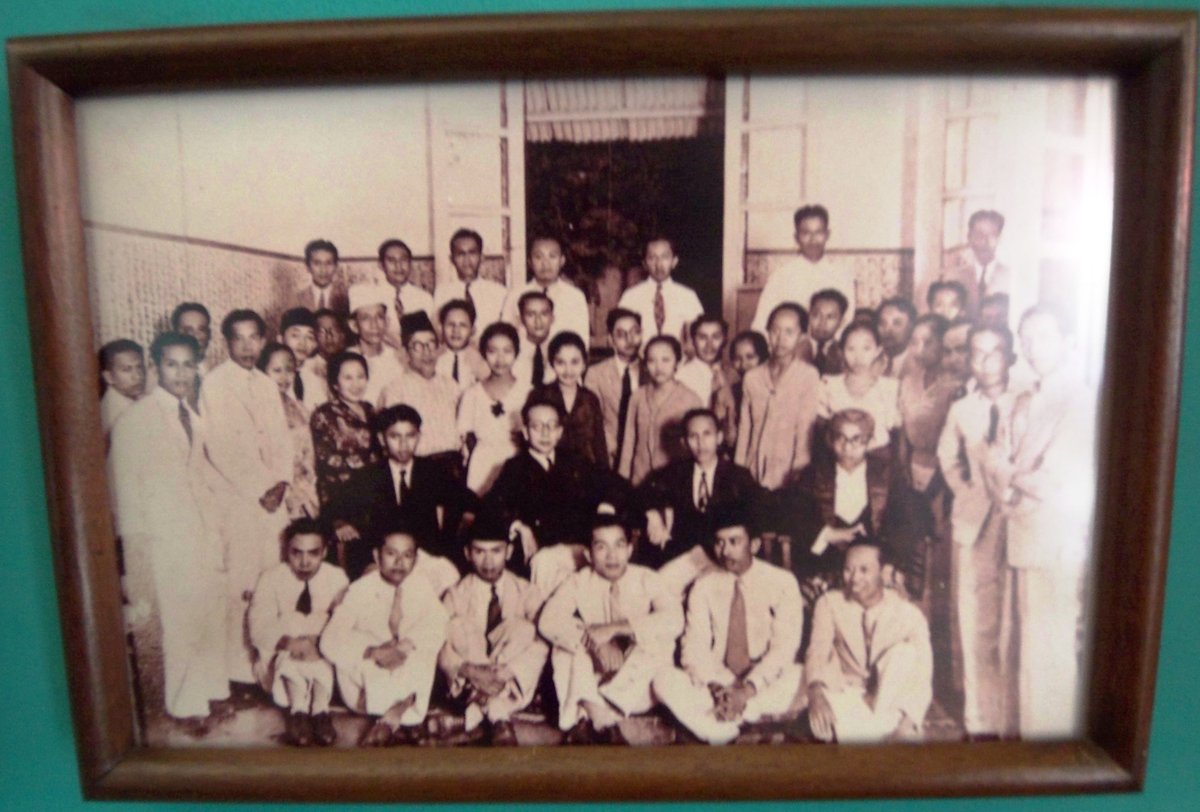
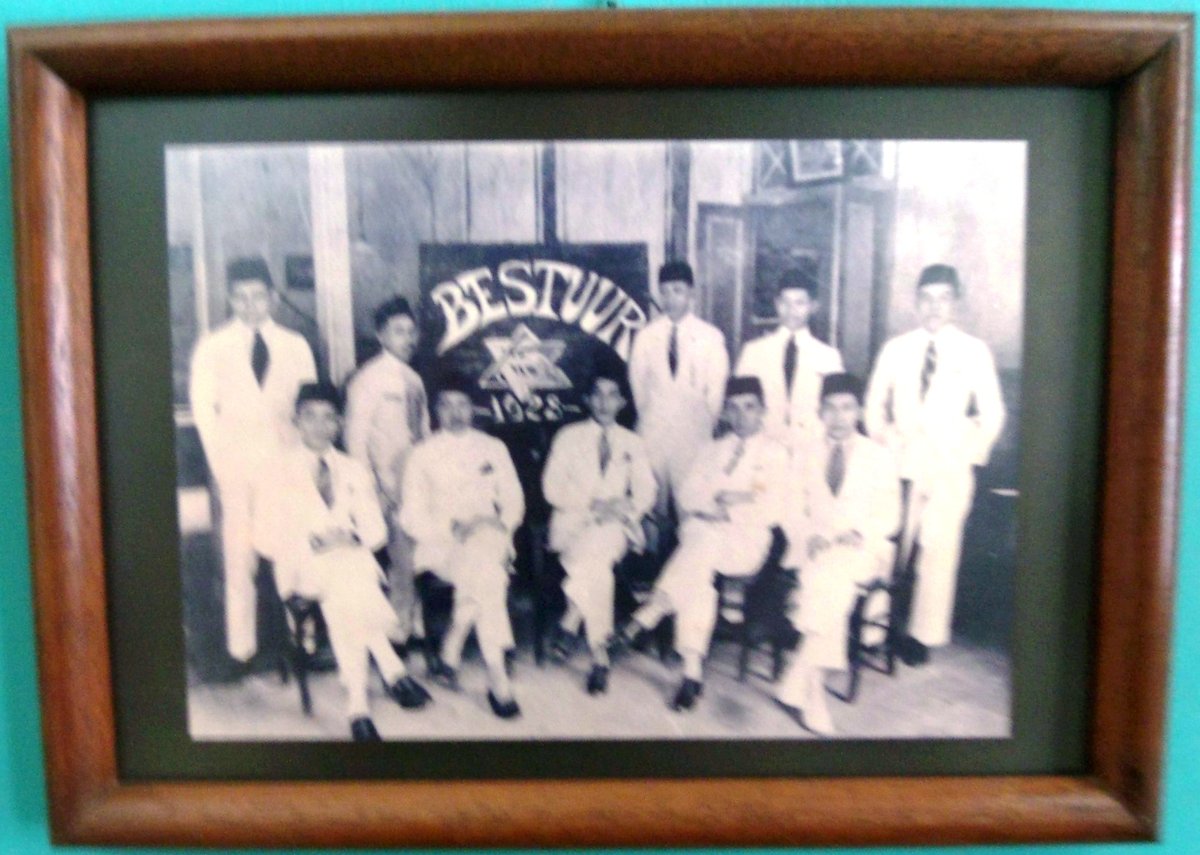
- Rare group photos and portraits from the 1928 congress
- Clothing, musical instruments (including Supratman’s violin), and writing tools used during the event
- Dioramas recreating historic moments, interactive timelines, and multimedia presentations
Rooms are organized thematically and chronologically, guiding visitors through the development of youth organizations, the congress, and the broader independence movement (Jakarta Travel Guide).
National Recognition and Legacy
October 28 is commemorated as Youth Pledge Day by Presidential Decree No. 316 of 1959. The museum continues to host educational programs, exhibitions, and cultural events, reinforcing the values of unity and diversity (Wikipedia, Evendo).
2. Plan Your Visit
Location, Accessibility, and Getting There
- Address: Jalan Kramat Raya No. 106, Central Jakarta, Indonesia
- Public Transport: Easily reached by TransJakarta buses (nearest stop: Kramat Sentiong NU). Senen commuter rail station is 1.5 km away—taxis or ride-hailing apps like Gojek and Grab are recommended for the last stretch.
- By Car: Limited parking available; public transport is preferable during busy times (Jakarta Travel Guide).
Visiting Hours and Ticket Information
- Hours: Tuesday–Sunday, 08:00–16:00; closed Mondays and national holidays. Check for special closures during public events.
- Tickets: IDR 5,000 for adults, IDR 3,000 or free for children (depending on age and group status). Group discounts and educational visits can be arranged (Jakarta Museum Guide).
Facilities and Amenities
- Bag Checks: Security may require bag inspection at entry.
- Restrooms: Clean and accessible.
- Photography: Allowed in most areas except where restricted; no flash or tripods.
- Accessibility: Main exhibits are on the ground floor, but some areas have steps or narrow doorways. Contact the museum for accessibility accommodations.
Guided Tours and Special Events
- Guided Tours: Available in Indonesian and English, ideal for deeper historical context. Advance booking is recommended for groups.
- Special Events: The museum organizes commemorations, workshops, and youth festivals—especially around Youth Pledge Day (October 28). Check the official website or social media for details.
Photographic Spots and Visual Highlights
Notable features include:
- The historic meeting room where the Youth Pledge was declared
- Dioramas and multimedia displays
- Archival photographs and original documents
3. Exploring Jakarta’s Historical Sites
Suggested Itineraries and Nearby Attractions
- National Gallery of Indonesia: Five-minute walk, featuring Indonesian and international art.
- National Museum (Museum Nasional): Less than ten minutes by car, extensive historical and ethnographic collections.
- Monumen Nasional (National Monument): Iconic obelisk with panoramic city views and a history museum at its base.
- Museum Joang 45: Focuses on Indonesia’s independence struggle.
- Istiqlal Mosque and Jakarta Cathedral: Showcasing Indonesia’s religious diversity, both architectural landmarks are within easy reach.
- Kota Tua (Old Town): Dutch colonial architecture and vibrant street life.
- Suropati Park: Relaxing green space in Menteng district.
Tip: Combine museum visits with a walking tour or use ride-hailing apps to navigate Jakarta’s busy streets.
4. Frequently Asked Questions (FAQ)
Q: What are the museum’s opening hours?
A: Tuesday–Sunday, 08:00–16:00. Closed Mondays and national holidays.
Q: How much are the tickets?
A: IDR 5,000 for adults; children’s tickets range from free to IDR 3,000.
Q: Is the museum wheelchair accessible?
A: The main floor is accessible, but some areas may require assistance due to the historic building layout.
Q: Are guided tours available?
A: Yes, in Indonesian and English. Advance booking recommended for groups.
Q: Can I take photos inside?
A: Photography is permitted in most areas; flash and tripods may be restricted.
Q: How do I get there using public transport?
A: Use TransJakarta buses or the commuter rail to Senen station, then walk or use a taxi/rideshare.
Listen to the full story in the app
The whole Youth Pledge Museum,
told well.
Audio guides for 1,100+ cities across 96 countries. History, stories, and local insight — offline ready.
Verified, and shown.
Researched and written by the Audiala editorial team from historical records, architectural archives, and local expertise.
Researched from Wikidata, Wikipedia & official sources · fact-checked · How we make our guides →