Introduction to VIJ Stadium: A Symbol of Heritage and Resistance
Nestled in the heart of Petojo, Central Jakarta, VIJ Stadium stands as a living monument to Indonesia’s sporting heritage and its struggle against colonial rule. Established in 1928 during the Dutch colonial era, this modest football ground became the birthplace of the Voetbalbond Indonesische Jacatra (VIJ)—the forerunner of Persija Jakarta, one of Indonesia’s most iconic football clubs. More than just a venue for matches, VIJ Stadium is a testament to indigenous pride, resilience, and the communal bonds that have shaped Jakarta’s identity. Whether you are a football enthusiast, cultural traveler, or history buff, this guide provides detailed information on the stadium’s history, practical visiting tips, accessibility, and nearby attractions to help you fully appreciate this unique piece of Jakarta’s urban fabric (Wikiwand, Republika, Kompas).
Historical Background
Early Development and Founding
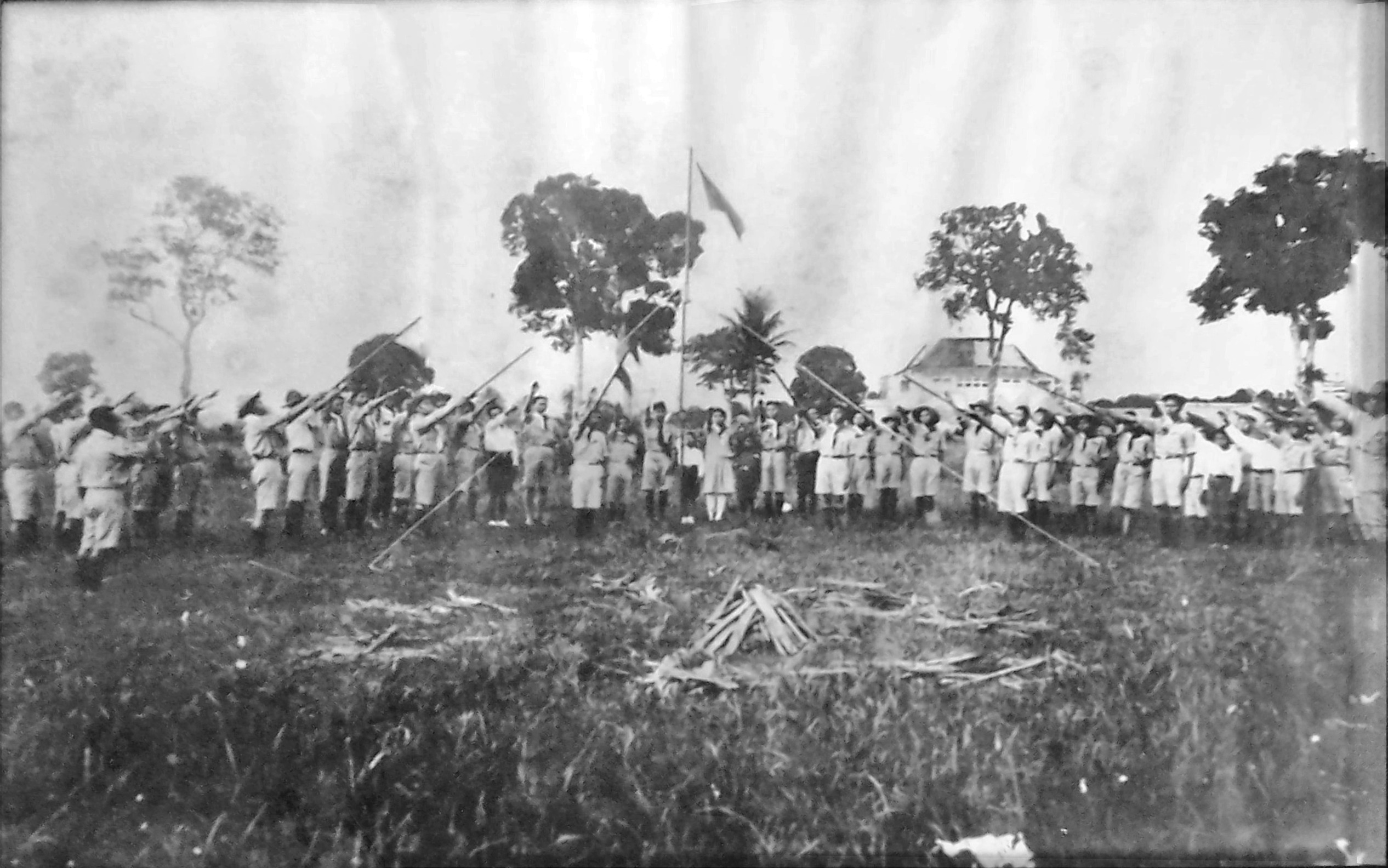
During the late 1920s, football in the Dutch East Indies was dominated by the Nederlandsch Indische Voetbal Bond (NIVB), which excluded indigenous Indonesians from participation. In response, local youths established VIJ in 1928, creating a football club and stadium that became a rallying point for national identity and subtle resistance against colonial exclusion (Wikiwand).
The stadium’s construction was made possible by the support of nationalist leader Mohammad Husni Thamrin, whose donation of 2,000 Gulden enabled the club to acquire land and build a dedicated facility. By deliberately naming the club and stadium “VIJ” rather than the colonial “Batavia,” the founders asserted cultural and political independence (Wikiwand; Republika).
Achievements and Community Impact
Throughout the 1930s, VIJ Stadium became the epicenter of indigenous football in Jakarta, hosting matches that drew both local talent and passionate fans. The club secured championships in 1931, 1933, 1934, and 1938, marking significant milestones in Indonesian sports history (Wikiwand). The stadium’s integration with the surrounding neighborhood fostered a unique communal atmosphere, serving as a playground for children, a venue for grassroots events, and a source of local pride (Republika).
Transition and Modernization
Following Indonesia’s independence, VIJ evolved into Persija Jakarta in 1950, embracing a new national identity while maintaining its historical roots. Persija moved to Menteng for its home games, yet VIJ Stadium remained deeply significant as a community sports ground and heritage site (Wikiwand). Renovations in 1980 upgraded the facilities slightly, but much of the stadium’s original character remains, with its field, wooden scoreboard, and intimate stands (Republika).
Today, VIJ Stadium is still used for local football training, youth tournaments, and community gatherings. Its historical status protects it from significant alteration, ensuring the preservation of its legacy (Kompas).
Visiting VIJ Stadium: Practical Guide
Hours, Tickets, and Facilities
- Visiting Hours: Generally accessible during daylight (recommended 7:00 AM – 6:00 PM). There are no strict opening or closing times.
- Entry Fee: Free of charge; donations for upkeep may be welcomed.
- Facilities: The stadium features a 110 x 70 meter field, a single west-side stand for about 500 spectators, basic locker rooms, and a nostalgic wooden scoreboard. There are no commercial amenities or dedicated parking.
Getting There and Accessibility
- Location: Petojo Selatan, Central Jakarta.
- Directions: Reachable by taxi, TransJakarta bus, or nearby commuter train stations. Final approach requires navigating narrow alleys (about 100 meters by foot from Jalan Biak). The stadium entrance is discreet and may require assistance from local residents (Kompas).
- Accessibility: Wheelchair access is limited due to the stadium’s age and layout; visitors with mobility challenges should plan accordingly.
Nearby Attractions
- National Museum of Indonesia and Monas (National Monument): Both are within walking distance, providing a deeper exploration of Jakarta’s cultural and historical landscape.
- Gambir Market: Offers local foods and crafts for those seeking an authentic Jakarta experience.
Cultural Legacy and Preservation
VIJ Stadium is recognized as a protected cultural heritage site, symbolizing Jakarta’s indigenous resistance and multicultural legacy. Its proximity to homes and shops reflects the stadium’s deep ties to the community. Preservation efforts, though challenged by urban development, continue to prioritize the stadium’s role as a living monument (Kompas; Historia).
Renovation plans have been announced by local authorities, with the aim of restoring the stadium as a basecamp for Persija Jakarta while maintaining its historic character (Tribunnews; Detik).
Frequently Asked Questions (FAQ)
Q: What are the visiting hours for VIJ Stadium?
A: The stadium is generally open during daylight hours, typically 7:00 AM – 6:00 PM.
Q: Is there an entrance fee?
A: No, entry is free. Donations to help with upkeep are appreciated.
Q: Are there guided tours?
A: No formal tours, but local guides or football clubs may occasionally arrange visits.
Q: How do I get there?
A: Use public transport to the Petojo area, then walk through narrow alleys. Parking is not available.
Q: What facilities are available?
A: Basic field and stands. No restrooms, food stalls, or souvenir shops.
Q: Is VIJ Stadium suitable for international tourists?
A: While not a mainstream tourist site, it offers a unique, authentic experience for those interested in sports history and local culture. English signage is limited; consider hiring a local guide.
Q: What nearby attractions can I visit?
A: Combine your visit with the National Museum of Indonesia, Monas, and local markets.
Tips for a Meaningful Visit
- Wear modest clothing in respect of the traditional neighborhood.
- Bring water and essentials; there are no food or beverage vendors on site.
- Be mindful when taking photographs, especially of local residents.
- Engage with locals to learn more about the stadium’s history and community stories.
Listen to the full story in the app
Your Personal Curator, in Your Pocket.
Audio guides for 1,100+ cities across 96 countries. History, stories, and local insight — offline ready.
Audiala App
Available on iOS & Android
Join 50k+ Curators
Sources
- verified
- verified
- verified
- verified
- verified
- verified
- verified
Last reviewed: