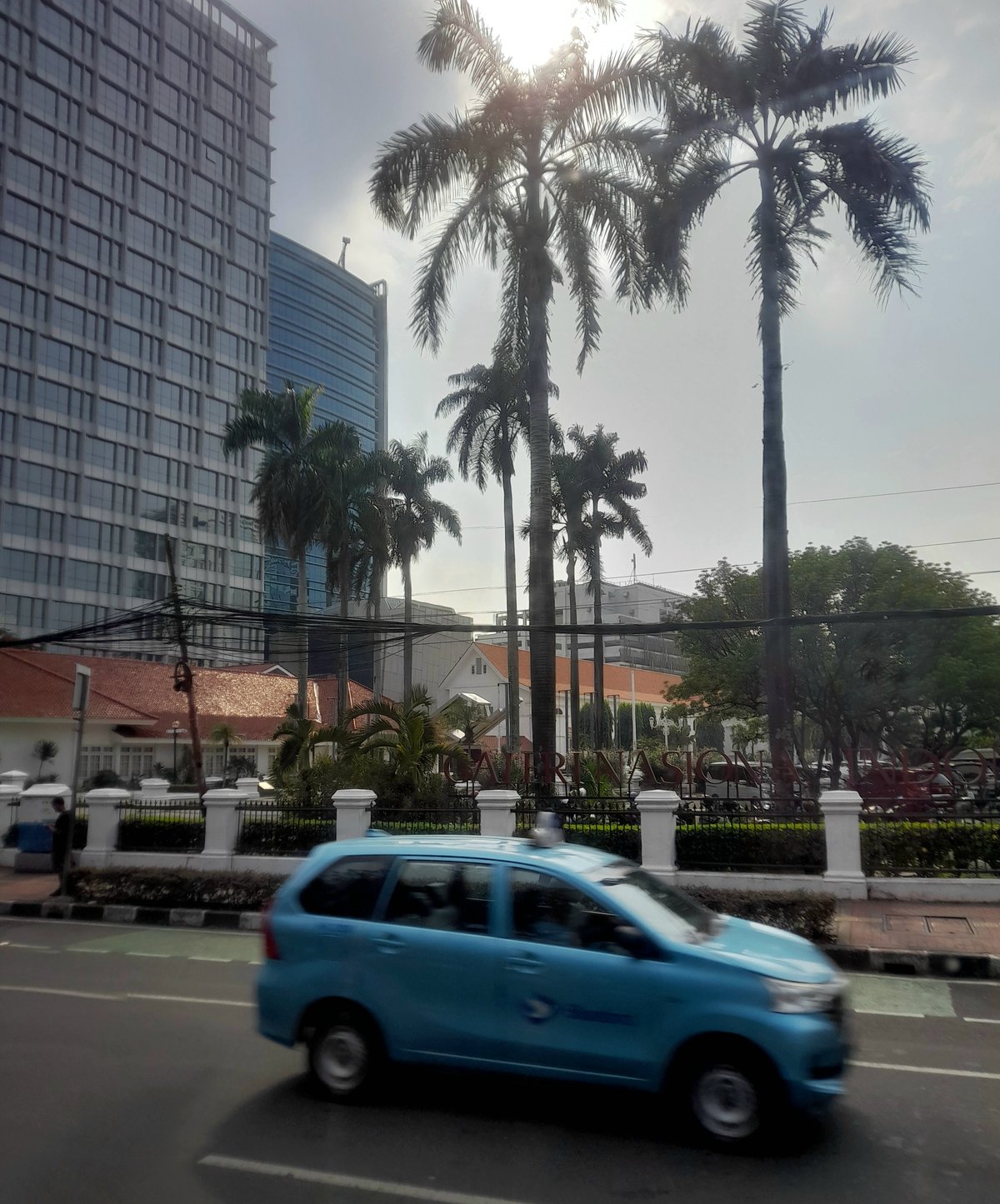
Plan and listen to National Gallery Of Indonesia with Audiala.
Audio guide in your pocket, itinerary in your browser. Built for the way you actually visit.
Introduction
The National Gallery of Indonesia (Galeri Nasional Indonesia) is a central pillar of Jakarta’s dynamic cultural landscape, blending rich artistic heritage with striking colonial architecture. Located in the heart of Central Jakarta, this landmark institution traces the evolution of Indonesian art from the colonial era to the present day, offering visitors a compelling journey through history, identity, and creativity. As both a museum and a living monument, the National Gallery stands testament to Indonesia’s commitment to preserving and celebrating its diverse artistic traditions.
This in-depth guide provides all the information you need to plan your visit, including the National Gallery of Indonesia visiting hours, ticketing details, highlights of its collections, architectural significance, educational programs, and tips for exploring nearby Jakarta historical sites. Whether you are a first-time visitor or a returning art enthusiast, this guide will help you make the most of your experience and deepen your appreciation for Indonesia’s vibrant art scene (Now Jakarta; Social Expat; Tripoto).

Colonial Origins and Architectural Heritage
The National Gallery’s main building, Gedung A, was constructed in 1817 in the Dutch colonial style as an Indische Woonhuis (Indies residence), using materials sourced from the old Kasteel Batavia fortress. Over time, the complex expanded to include additional structures, serving as a Protestant school and later as army headquarters before its transformation into a national art institution. Today, the gallery’s classical facades, high ceilings, and broad verandas offer a unique setting that fuses historical gravitas with modern museum functions (Wikipedia; Neliti PDF).
National Institution and Artistic Repository
Officially inaugurated as the National Gallery in 1999, the institution embodies Indonesia’s post-independence cultural renaissance. Its mission is to preserve, study, and display the nation's visual arts legacy, with a collection of over 1,700 works by renowned artists such as Raden Saleh, Affandi, Hendra Gunawan, Basuki Abdullah, and S. Sudjojono. The gallery also features significant international pieces, fostering dialogue between Indonesian and global art movements (A Journey Bespoke; Traveloka; Medium).
Architectural Features and Adaptive Reuse
The National Gallery exemplifies adaptive reuse, seamlessly integrating modern exhibition spaces, climate control, and visitor amenities within its preserved colonial structures. Key features include:
- Building Layout: Multiple interconnected buildings, each serving distinct exhibition, educational, and research purposes.
- Lighting and Conservation: LED spotlights and central air conditioning meet international standards for art preservation.
- Accessibility: Entrances, ramps, and elevators ensure comfortable access for all visitors.
- Heritage Preservation: Original woodwork, masonry, and facade details are carefully restored and maintained (Neliti PDF).
Highlights of the Collection
Permanent Galleries
The permanent collection spans Indonesian art history from the 19th century to the present, including:
- Works by Raden Saleh: Romantic landscapes and historical paintings.
- Affandi’s Expressive Portraits: Capturing emotion and national identity.
- Hendra Gunawan’s Social Commentaries: Vibrant depictions of daily life and social change.
- Persagi Movement Artworks: Blending traditional Indonesian and Western techniques (Lonely Planet; Jakarta Mendai; UrTrips).
Temporary and Special Exhibitions
The gallery regularly hosts rotating exhibitions that spotlight contemporary Indonesian and Southeast Asian artists, international collaborations, and retrospectives. These events often feature artist talks, workshops, and interactive installations (Jakarta Mendai; Medium).
Educational Programs and Social Impact
The National Gallery serves as an educational hub, offering:
- Workshops and Seminars: For students, artists, and the public.
- Guided Tours: Available by appointment, providing deeper insights into art history and curation.
- Community Outreach: Events, lectures, and collaborative programs with local and international partners foster cultural exchange and lifelong learning (Tripoto).
Visitor Information
Visiting Hours
- Tuesday to Sunday: 9:00 AM – 4:00 PM (some sources note 10:00 AM – 6:00 PM; check the official website for current hours)
- Closed: Mondays and public holidays (Tripoto; UrTrips)
Tickets and Admission
- Permanent Collections: Free admission for all visitors.
- Special Exhibitions: May require a nominal ticket fee.
- Guided Tours: Can be booked in advance through the official website.
Getting There
- Location: Jl Medan Merdeka Timur 14, Central Jakarta; walking distance from Monas, Istiqlal Mosque, and Jakarta Cathedral.
- Transport: Easily accessed via TransJakarta (Gambir 2/Monas 2), KRL Commuter Line (Gambir Station), taxi, or ride-hailing apps (Tripoto).
Facilities
- Accessibility: Wheelchair ramps and elevators.
- Amenities: Cloakroom, café, library, seminar rooms, and a gift shop.
- Photography: Permitted without flash in most areas; check signage for restrictions.
Exploring Jakarta’s Historical and Cultural District
The gallery’s location in Central Jakarta makes it an ideal starting point for exploring nearby historical landmarks:
- National Monument (Monas)
- Istiqlal Mosque
- Jakarta Cathedral
- Immanuel Church
- Gedung Pancasila
- Museum Nasional
These sites collectively offer a comprehensive view of Indonesia’s political, religious, and artistic heritage.
Visitor Tips
- Best Time to Visit: May to September (dry season) for comfortable weather and a full calendar of exhibitions (Tripoto).
- Recommended Duration: Allocate 2–3 hours to explore both permanent and temporary exhibitions.
- Photography Spots: Colonial building exteriors, main exhibition halls, and select installations.
- Plan Ahead: Check the gallery’s website for updates on exhibitions, events, and any special visitor advisories (Galeri Nasional).
Frequently Asked Questions (FAQ)
Q: What are the National Gallery of Indonesia’s visiting hours?
A: Typically Tuesday to Sunday, 9:00 AM to 4:00 PM; closed Mondays and public holidays. Confirm on the official website.
Q: Is there an admission fee?
A: Free for permanent collections; special exhibitions may require a ticket.
Q: Can I take photos inside the gallery?
A: Yes, photography without flash is allowed in most areas.
Q: Are guided tours available?
A: Yes, by advance booking or on request.
Q: Is the gallery accessible for people with disabilities?
A: Yes, with ramps and elevators throughout the facility.
Q: How do I reach the gallery via public transport?
A: By TransJakarta (Gambir 2/Monas 2), KRL (Gambir Station), or taxi.
Q: Are there nearby attractions to visit?
A: Yes, including Monas, Istiqlal Mosque, Jakarta Cathedral, and Museum Nasional.
Discover More
The National Gallery of Indonesia is more than an art repository; it is a living monument to the nation’s resilience, creative spirit, and multicultural identity. Its collections, architecture, and programs offer a nuanced window into Indonesia’s past, present, and future. Whether you are a local resident, a traveler exploring Jakarta historical sites, or an art lover seeking inspiration, the gallery promises an enriching and memorable experience.
Plan your visit today!
For the latest updates, visit the official National Gallery website, download the Audiala app for personalized guides and notifications, and follow the gallery on social media for event news and cultural insights. Dive deeper into Indonesia’s art scene by exploring related articles on Jakarta’s heritage and contemporary art.
Listen to the full story in the app
The whole National Gallery Of Indonesia,
told well.
Audio guides for 1,100+ cities across 96 countries. History, stories, and local insight — offline ready.
Verified, and shown.
Researched and written by the Audiala editorial team from historical records, architectural archives, and local expertise.
Researched from Wikidata, Wikipedia & official sources · fact-checked · How we make our guides →