Plan and listen to Istiqlal Mosque with Audiala.
Audio guide in your pocket, itinerary in your browser. Built for the way you actually visit.
Introduction
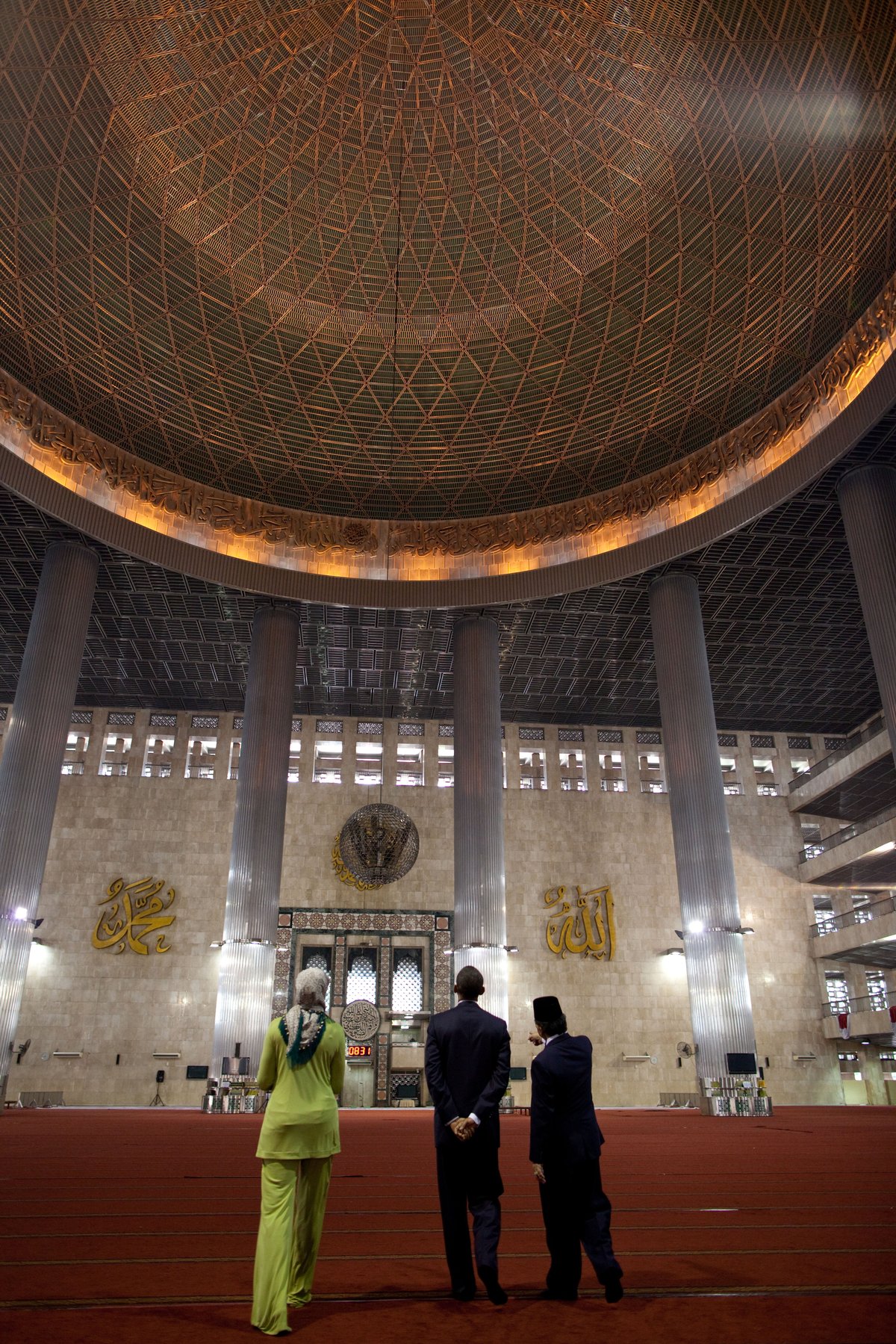
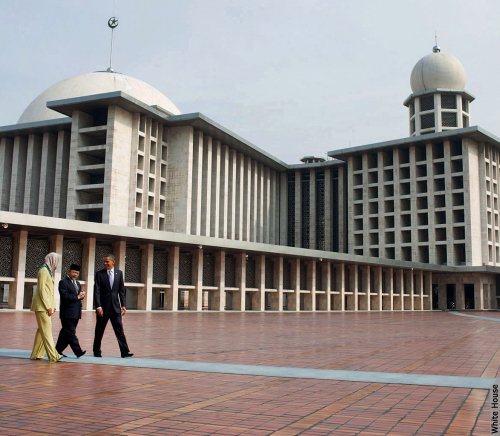
Masjid Istiqlal, situated in Jakarta, Indonesia, is renowned as the largest mosque in Southeast Asia and stands as a beacon of Indonesia's independence and religious tolerance. This architectural masterpiece, conceived by Indonesia’s first president Sukarno in 1954, was intended to commemorate the nation's independence from Dutch colonial rule in 1945. The mosque's name, 'Istiqlal,' translates to 'independence' in Arabic, symbolizing the country's hard-won freedom. The design of Masjid Istiqlal was selected through a national architectural competition in 1955, with Frederich Silaban, a Christian architect, winning the honor. His modernist design features a grand central dome and spacious prayer hall, capable of accommodating up to 120,000 people (source). Despite various political and economic challenges, the construction of Masjid Istiqlal began in 1961 and concluded in 1978, entirely funded by the Indonesian government (source). Since its inauguration, Masjid Istiqlal has been a symbol of religious harmony and a significant cultural landmark, attracting millions of worshippers and tourists each year.


History of Masjid Istiqlal
Origins and Conception
The concept of Masjid Istiqlal was first proposed by Indonesia's first President, Sukarno, in 1954 to commemorate Indonesia's independence from Dutch colonial rule in 1945. The name "Istiqlal," meaning "independence" in Arabic, reflects this purpose. The mosque was envisioned as a national symbol of unity and diversity.
Architectural Competition and Design
In 1955, an architectural competition was held to determine the mosque's design. Out of 30 entries, the winning design by Frederich Silaban, a Christian architect from North Sumatra, was selected. Silaban's modernist design features a large central dome, a tall minaret, and a spacious prayer hall that can accommodate up to 120,000 people (source).
Construction and Challenges
Construction began on August 24, 1961, with President Sukarno laying the cornerstone. Despite facing political instability, economic difficulties, and technical challenges, the mosque was completed in 1978 at a cost of approximately $12 million, funded entirely by the Indonesian government (source).
Inauguration and Early Years
Masjid Istiqlal was officially inaugurated on February 22, 1978, by President Suharto. The ceremony, attended by dignitaries from various religious communities, underscored the mosque's role in promoting religious harmony. It quickly became a central place of worship and a popular destination for tourists and pilgrims (source).
Architectural Features and Symbolism
Masjid Istiqlal's architecture is laden with symbolism. The main dome, with a diameter of 45 meters, represents the year of Indonesia's independence, 1945. The single minaret stands 96.66 meters tall, symbolizing the 99 names of Allah in Islam. The mosque's seven gates are named after the seven heavens in Islamic cosmology. The modernist design utilizes large open spaces and extensive use of marble and stainless steel, reflecting Indonesia's aspirations for progress and modernization (source).
Visitor Information
Visiting Hours
Masjid Istiqlal is open to visitors daily, with visiting hours typically from 8:00 AM to 4:00 PM. However, it's advisable to check the official website or contact the mosque directly for the most up-to-date information.
Ticket Prices
Entry to Masjid Istiqlal is free of charge. Donations are welcome and appreciated to help with the mosque's maintenance and charitable activities.
Accessibility
The mosque is accessible to people with disabilities, providing ramps and designated areas for wheelchair users. Guided tours are available, offering insights into the mosque's history and architectural features.
Travel Tips and Nearby Attractions
- Dress Code: Visitors are expected to dress modestly. Women should cover their heads, and all visitors should remove their shoes before entering the prayer hall.
- Photography: Photography is allowed, but it's polite to ask for permission before photographing worshippers.
- Nearby Attractions: Located in Central Jakarta, Masjid Istiqlal is close to other historical sites such as the Jakarta Cathedral, National Monument (Monas), and the National Museum of Indonesia.
FAQ
Q: Are there guided tours available at Masjid Istiqlal?
A: Yes, guided tours are available and provide valuable insights into the mosque's history and architecture.
Q: Is there a dress code for visitors?
A: Yes, modest dress is required. Women should cover their heads, and all visitors must remove their shoes before entering the prayer hall.
Q: Can I visit Masjid Istiqlal during prayer times?
A: Visitors are welcome during prayer times, but it's advisable to be respectful and avoid disrupting worshippers.
Listen to the full story in the app
The whole Istiqlal Mosque,
told well.
Audio guides for 1,100+ cities across 96 countries. History, stories, and local insight — offline ready.
Verified, and shown.
Researched and written by the Audiala editorial team from historical records, architectural archives, and local expertise.
Researched from Wikidata, Wikipedia & official sources · fact-checked · How we make our guides →