Plan and listen to Fine Art And Ceramic Museum with Audiala.
Audio guide in your pocket, itinerary in your browser. Built for the way you actually visit.
Introduction
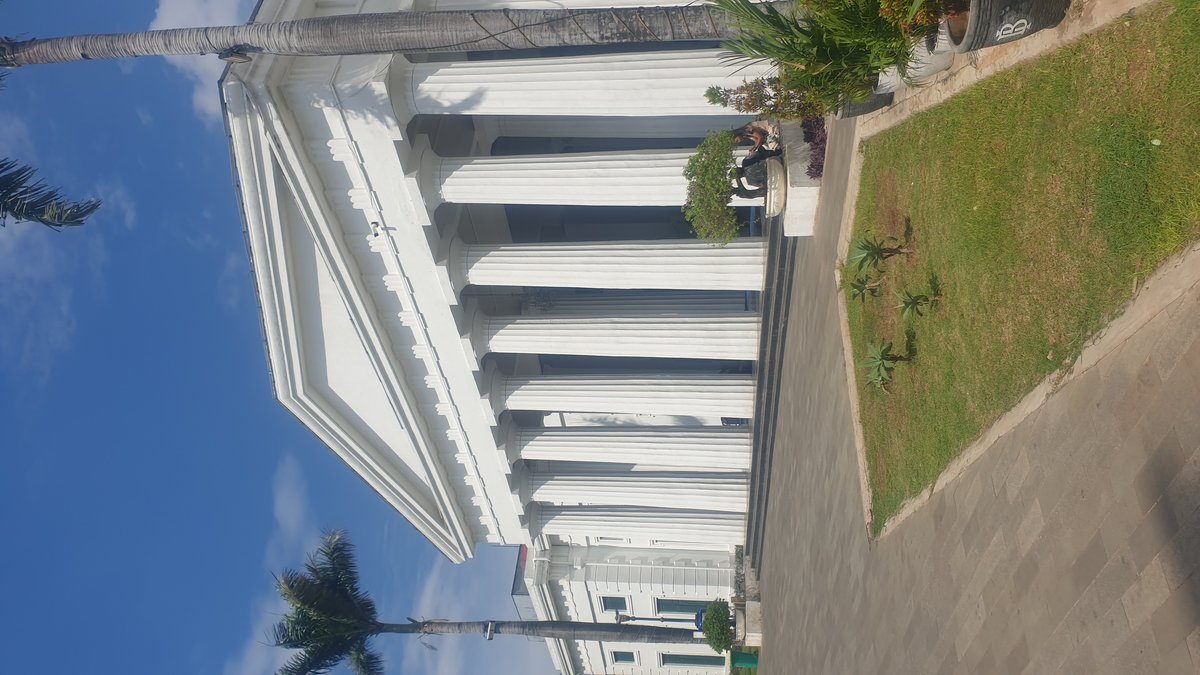
Situated in the heart of Jakarta’s historic Kota Tua district, the Fine Art and Ceramic Museum Jakarta (Museum Seni Rupa dan Keramik) stands as a testament to Indonesia’s vibrant artistic traditions and the enduring legacy of its colonial past. Housed in a neoclassical building originally constructed as the Dutch colonial Court of Justice in 1870, the museum has evolved into a rich repository for over 2,000 ceramic artifacts and hundreds of fine art masterpieces from across the archipelago and beyond. For visitors seeking a deep dive into Indonesia's creative history, this museum offers a journey through time, culture, and artistic innovation (Jakarta Tourism Board; Indonesia Travel; Trip101).

Historical Background & Architecture
Colonial Origins
The building, known locally as Museum Seni Rupa dan Keramik, was established as the Dutch East Indies Court of Justice (Raad van Justitie) in 1870, signifying Batavia’s (now Jakarta’s) administrative importance during Dutch colonial rule (Jakarta Tourism Board). It later served various roles, including as a military barracks and the West Jakarta Mayor’s office, before being designated a museum in 1976 (Indonesia Travel).
Architectural Features
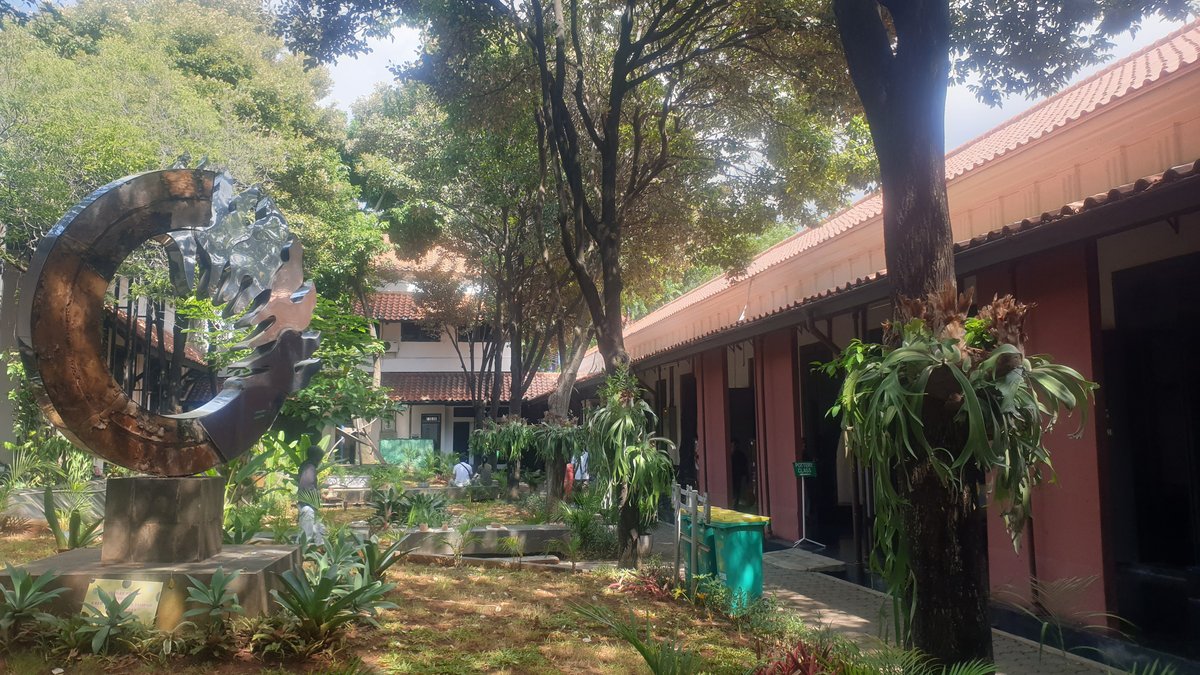
The building showcases Dutch neoclassical architecture with a symmetrical façade, six grand Doric columns, and high ceilings that promote ventilation. Adaptations to the tropical climate include large windows, thick masonry walls, and extended eaves to withstand Jakarta’s monsoons (Museum Seni Rupa dan Keramik Official; The Jakarta Post). The central courtyard, original tiled floors, and preserved ironwork add to its historic ambiance.
Conservation Efforts
Major restoration projects have ensured the building’s structural integrity and preserved its original details. Modern climate control systems protect the valuable collections, while ongoing collaborations with conservation experts help maintain both the building and its contents (Kompas).
Museum Collections & Key Exhibits
Fine Art Galleries
The museum’s fine art collection chronicles Indonesian creativity from prehistoric times through the modern era:
- Prehistoric and Early Indonesian Art: Ancient pottery, tools, and sculptures.
- 19th Century and the Raden Saleh Era: Masterpieces by Raden Saleh, blending European Romanticism with local themes.
- Modern Art Movements: Works from the Hindia Jelita, Persagi, Birth of Realism, and Pendirian Sanggar rooms, featuring artists like Affandi and S. Sudjojono (Holidify; Manual Jakarta).
Ceramic Galleries
The ceramics collection is one of Southeast Asia’s most comprehensive, featuring:
- Indonesian Ceramics: Majapahit-era artifacts, Bali and Java pottery, and Asmat tribal art.
- International Ceramics: Chinese porcelain from the Ming and Qing dynasties, Japanese Imari, Vietnamese and Thai wares, and Dutch Delftware reflecting Indonesia’s role in global trade.
Signature Exhibits
- Raden Saleh’s Romantic Paintings
- Works by Affandi and S. Sudjojono
- Shipwreck Ceramics
- Asmat Totem Sculptures
Visitor Information
Location
- Address: Jl. Pos Kota, RT.9/RW.7, Pinangsia, Kec. Taman Sari, Kota Jakarta Barat, DKI Jakarta 11110
Opening Hours
- Tuesday–Sunday: 9:00 AM – 4:00 PM
- Closed: Mondays and national/public holidays (Trip101; Time Travel Turtle)
Tickets & Admission
- Indonesian citizens: IDR 5,000
- Foreign visitors: IDR 10,000
- Discounts: Available for students and groups
- Tickets are available at the entrance; some online options may be offered through authorized platforms.
Guided Tours & Workshops
- Guided tours are available in Bahasa Indonesia and English (advance booking recommended).
- Ceramics workshops at Studio Gerabah are open to visitors and students.
- Regular cultural events and temporary exhibitions are held; check the official website or social media for updates.
Accessibility & Facilities
- Wheelchair Access: Ramps and elevators are available, though colonial architecture may present challenges in some areas.
- Restrooms: Basic facilities; cleanliness can vary.
- Photography: Allowed in most exhibition areas (no flash).
- Souvenir Shop: Limited selection.
- Food & Drink: No café inside; plenty of options on Fatahillah Square.
Travel Tips & Nearby Attractions
- Getting There: Easily accessible via TransJakarta buses and Commuter Line trains (Kota Station). Taxis and ride-hailing services are also convenient.
- Best Time to Visit: Early on weekdays to avoid crowds.
- Nearby Sites: Jakarta History Museum, Wayang Museum, Maritime Museum, and Café Batavia.
- What to Bring: Water bottle, comfortable shoes, sun/rain protection.
Special Features & Events
- Chronological Galleries: Trace the evolution of Indonesian art by period and movement.
- Interactive Learning: Hands-on workshops and educational programs for all ages.
- Special Exhibitions: Rotating displays and loaned collections give repeat visitors something new to experience (Tempo).
Frequently Asked Questions (FAQ)
Q: What are the Fine Art and Ceramic Museum Jakarta’s opening hours?
A: Tuesday to Sunday, 9:00 AM – 4:00 PM. Closed Mondays and public holidays.
Q: How much is admission?
A: IDR 5,000 for Indonesians, IDR 10,000 for foreigners. Discounts available for students and groups.
Q: Are guided tours available?
A: Yes, in Bahasa Indonesia and English, subject to schedule and availability.
Q: Is the museum wheelchair accessible?
A: Yes, though some areas may be challenging due to historic architecture.
Q: Can I take photos inside?
A: Non-flash photography is generally permitted unless otherwise indicated.
Q: Are there workshops for visitors?
A: Yes, ceramic-making workshops are available at Studio Gerabah.
Discover More
The Fine Art and Ceramic Museum Jakarta offers a dynamic blend of history, art, and culture within a beautifully preserved colonial landmark. Its extensive collections, engaging workshops, and central location make it an essential stop for anyone interested in Indonesia’s creative heritage. Despite some challenges such as limited modernization and multilingual support, the museum remains accessible, affordable, and welcoming.
Plan your visit today—explore curated exhibitions, participate in hands-on workshops, and discover Jakarta’s artistic legacy. For up-to-date information on opening hours, ticketing, and special events, consult official museum resources and reputable travel guides. Enhance your cultural journey by downloading the Audiala app and following relevant social channels for continuous updates (Museum Seni Rupa dan Keramik Official; Jakarta Tourism Board; Indonesia Travel).
Listen to the full story in the app
The whole Fine Art And Ceramic Museum,
told well.
Audio guides for 1,100+ cities across 96 countries. History, stories, and local insight — offline ready.
Verified, and shown.
Researched and written by the Audiala editorial team from historical records, architectural archives, and local expertise.
Researched from Wikidata, Wikipedia & official sources · fact-checked · How we make our guides →