Plan and listen to Electricity And New Energy Museum with Audiala.
Audio guide in your pocket, itinerary in your browser. Built for the way you actually visit.
Introduction
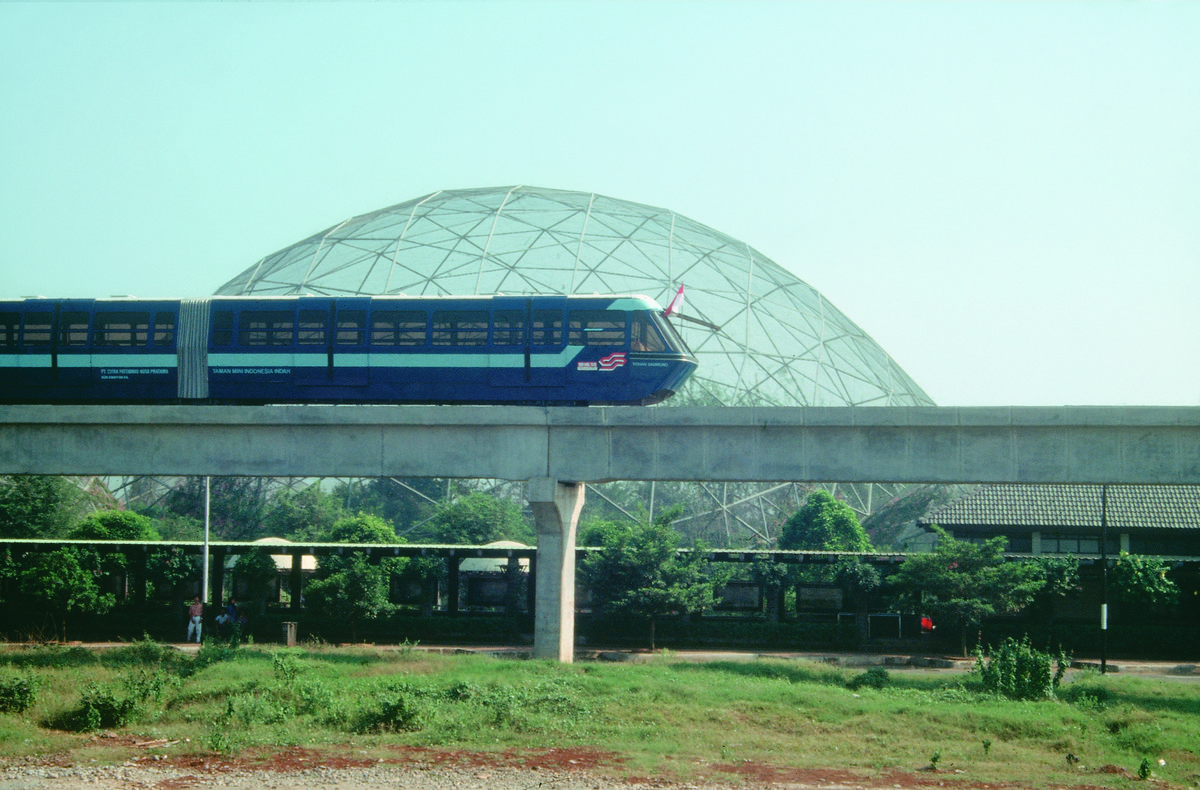
Located within the vibrant Taman Mini Indonesia Indah (TMII) complex in East Jakarta, the Electricity and New Energy Museum (Museum Listrik dan Energi Baru, or MLEB) stands as a testament to Indonesia’s progress in the fields of electricity, renewable energy, and science education. Managed by PT PLN (Persero), Indonesia’s state-owned electricity company, MLEB offers an immersive journey into the nation’s electrification history, the science behind energy, and the country’s pursuit of a sustainable future. Its unique architectural design, inspired by the atomic structure of hydrogen, symbolizes the museum’s mission to connect visitors with the fundamental science of electricity and its evolving applications.
MLEB’s accessible location, affordable admission, and interactive exhibits make it a prime destination for families, students, educators, tourists, and anyone interested in science and technology. Through over 600 interactive displays—including hands-on science demonstrations, simulators, and outdoor renewable energy installations—the museum makes learning about energy engaging and practical. Whether you are seeking knowledge, inspiration, or simply an engaging day out, MLEB is one of Jakarta’s most enriching cultural and educational attractions (Taman Mini Official, museum.co.id, Wanderlog).
Museum History and Purpose
The Electricity and New Energy Museum was established to bridge the gap between Indonesia’s evolving energy sector and public understanding. Its goal is to collect, research, and exhibit the technological advancements and historical milestones of electricity and energy in Indonesia. The museum supports STEM education, raises energy awareness, and serves as a platform for national innovation and conservation campaigns (Taman Mini Official).
Architectural Symbolism and Layout
MLEB’s striking design is inspired by the atomic structure of hydrogen, with a central pavilion representing the proton and three outer pavilions as electrons. This layout not only creates a memorable architectural landmark but also provides a logical, thematic flow for visitors. Each pavilion is dedicated to a specific aspect of energy:
- Central Pavilion (Electricity Hall): Fundamentals and history of electricity.
- New Energy Pavilion: Renewable and alternative energy sources.
- Fossil Energy Pavilion: Traditional energy sources (coal, oil, gas).
- Conventional Energy Pavilion: Established energy technologies.
- Outdoor Area: Live demonstrations and renewable energy prototypes (Wikipedia, museum.co.id).
Strategically located within TMII, the museum is surrounded by landscaped grounds, making it an inviting space for both learning and leisure.
Main Exhibits and Interactive Experiences
Electricity Hall and Historical Displays
- Chronological Journey: Explore Indonesia’s electrification from the colonial era to today, with dioramas, historic photographs, and artifacts.
- Transmission Network Dioramas: See models of high-voltage transmission lines and how electricity is distributed across the country.
- Historic Electrical Equipment: Early generators, meters, and control panels trace technological evolution.
Energy Smart Room and Science Demonstrations
- Interactive Circuits: Assemble and test series and parallel circuits to see how electricity powers devices.
- Fruit and Everyday Object Batteries: Learn about electrochemistry by generating electricity from fruits, pencils, and coins.
- Plasma Ball: Demonstrates the human body’s ability to conduct electricity.
- Magnet Games: Explore electromagnetic induction and the relationship between magnetism and electricity.
- Harpa Ajaib (Magic Harp): Play music using invisible infrared beams instead of strings, illustrating the intersection of light and sound (museum.co.id).
Renewable and Conventional Energy Pavilions
- Solar, Wind, Hydro, Geothermal Models: Discover how natural resources are harnessed for electricity in Indonesia.
- Energy Consumption Simulator: Engage with a model home to learn about measuring and conserving household electricity usage.
- Smart Home Technologies: Experience energy-saving appliances and home automation.
Outdoor Installations
- Multipurpose Solar Cooker: Demonstrates solar cooking and doubles as a satellite dish for TV channels.
- New Energy House: A model home powered by solar and wind energy.
- Solar-Powered Car: Showcases the potential of clean transportation.
- Pedal-Powered and Hand-Crank Devices: Especially popular with children, these allow visitors to generate electricity through movement.
Science Demonstration Theater
Live presentations on topics such as static electricity, magnetism, and energy conservation principles are held on weekends and school holidays, engaging audiences with dynamic, interactive performances.
Visiting Hours, Tickets, and Accessibility
Hours and Admission
- Open: Tuesday to Sunday, 9:00 AM – 4:00 PM
- Closed: Mondays and public holidays
- Admission: IDR 20,000 for adults, IDR 10,000 for students and children. Children under five enter free. Group and educational discounts available. Tickets can be purchased at the museum or via TMII’s official website (WhatsNewIndonesia).
Location and Getting There
- Address: Jl. Taman Mini Indonesia Indah, Ceger, Cipayung, East Jakarta, DKI Jakarta 13820, Indonesia
- By Car/Taxi: Ample parking within TMII.
- Public Transport: TransJakarta Bus Corridor 9 (TMII stop) and nearby LRT station.
- Note: TMII park entry requires a separate ticket (Wanderlog).
Accessibility
- Wheelchair-friendly with ramps and elevators.
- Accessible restrooms and seating.
- Audio guides and pamphlets in English available; most displays are in Bahasa Indonesia but use clear visuals.
- Staff assistance available for visitors with special needs.
Travel Tips and Nearby Attractions
- Best Times: Weekdays and mornings are quieter; weekends and holidays are busier.
- What to Bring: Comfortable shoes for walking, water, umbrella in rainy season.
- Photography: Permitted without flash or tripods unless otherwise indicated.
- Combine Your Visit: Explore other TMII attractions such as the Museum Telekomunikasi, Museum Transportasi, Indonesia Science Center, and cultural pavilions for a comprehensive day out.
- Dining and Amenities: Multiple food stalls and restaurants in TMII; bring water, especially during busy periods.
Educational Impact and Special Programs
MLEB actively promotes STEM learning, energy awareness, and sustainability through:
- Workshops and Science Camps: Scheduled during school holidays and special events.
- Guided Tours: Available in Indonesian and English; advance booking recommended for groups.
- Seminars and Industry Partnerships: The museum partners with schools, universities, and energy companies for educational seminars and workshops.
- Special Events: National Science Day, Earth Day, and other themed events feature guest speakers and interactive activities.
The museum’s educational spaces, such as the Energy Smart Room and Science Demonstration Theater, encourage hands-on learning and experimentation, making complex energy concepts accessible to all ages (Taman Mini Official).
Frequently Asked Questions (FAQ)
Q: What are the Electricity and New Energy Museum visiting hours?
A: Tuesday–Sunday, 9:00 AM–4:00 PM; closed Mondays and public holidays.
Q: How much are tickets?
A: Adults: IDR 20,000; students/children: IDR 10,000; children under five: free. Discounts available for groups and schools.
Q: Is the museum accessible for people with disabilities?
A: Yes, with ramps, elevators, and accessible restrooms.
Q: Are guided tours available in English?
A: Yes, by prior arrangement.
Q: Can I take photos?
A: Photography is allowed without flash or tripods unless posted otherwise.
Q: Is there food available?
A: No café inside the museum, but TMII offers many food options nearby.
Q: How do I get there?
A: By car, taxi, ride-hailing services, or public transport (TransJakarta, LRT TMII).
Listen to the full story in the app
The whole Electricity And New Energy Museum,
told well.
Audio guides for 1,100+ cities across 96 countries. History, stories, and local insight — offline ready.

Verified, and shown.
Researched and written by the Audiala editorial team from historical records, architectural archives, and local expertise.
Researched from Wikidata, Wikipedia & official sources · fact-checked · How we make our guides →