Plan and listen to Ancol War Cemetery with Audiala.
Audio guide in your pocket, itinerary in your browser. Built for the way you actually visit.
Introduction
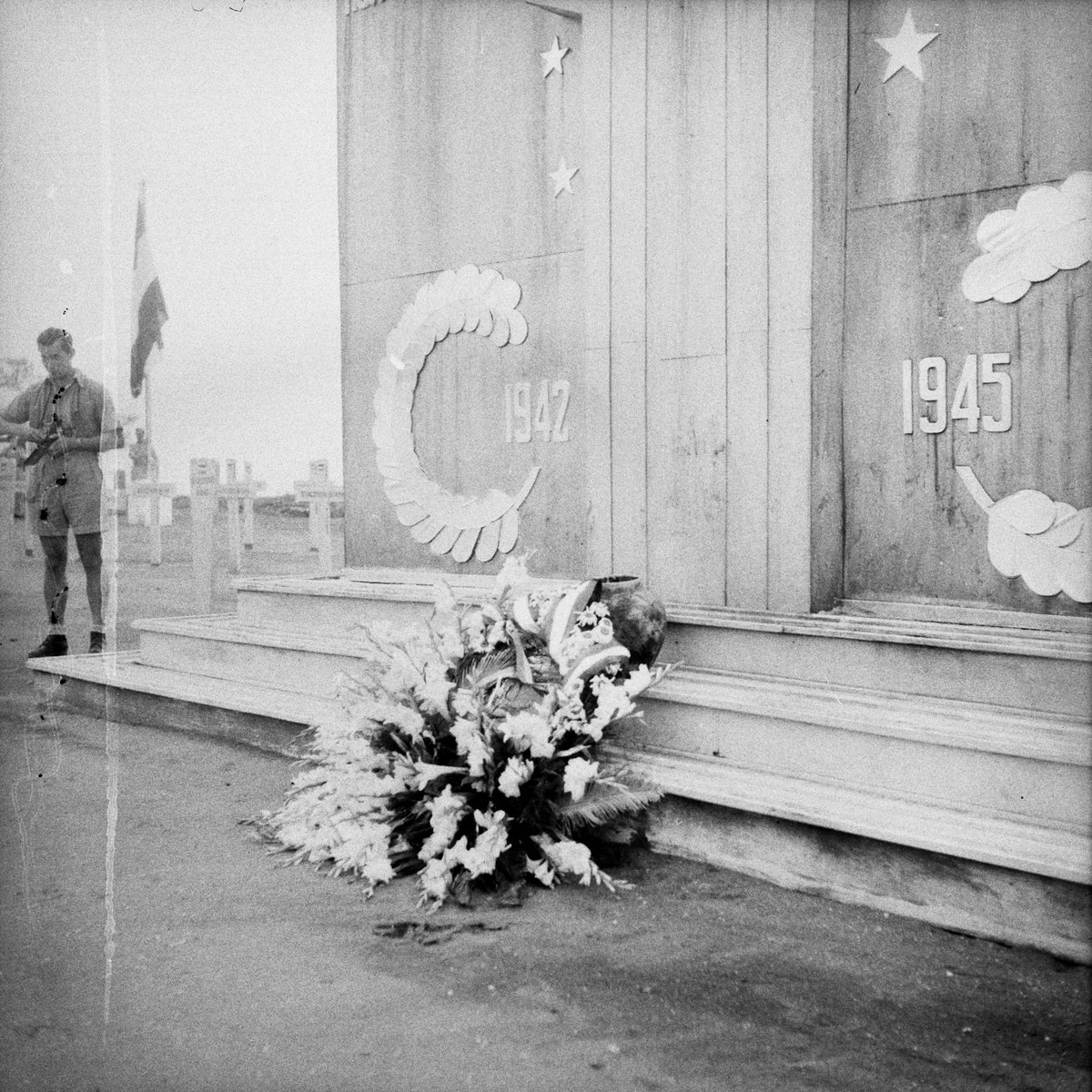
Ancol War Cemetery—locally known as Ereveld Ancol—is a serene and solemn historical site nestled in North Jakarta. Established in 1946 by the Netherlands War Graves Foundation, the cemetery is a poignant reminder of Indonesia's turbulent past, specifically the tragedies and sacrifices endured during World War II, the Japanese occupation, and the Indonesian National Revolution. This site, which served as an execution ground under Japanese occupation, now stands as a powerful space for remembrance, reflection, and reconciliation. This detailed guide provides essential information on Ancol War Cemetery’s history, visiting hours, ticketing, facilities, and tips for making your visit meaningful and respectful (Wikipedia; OGS Indonesia; Indonesia Expat; The Broke Backpacker).

Historical Background
Origins and Establishment
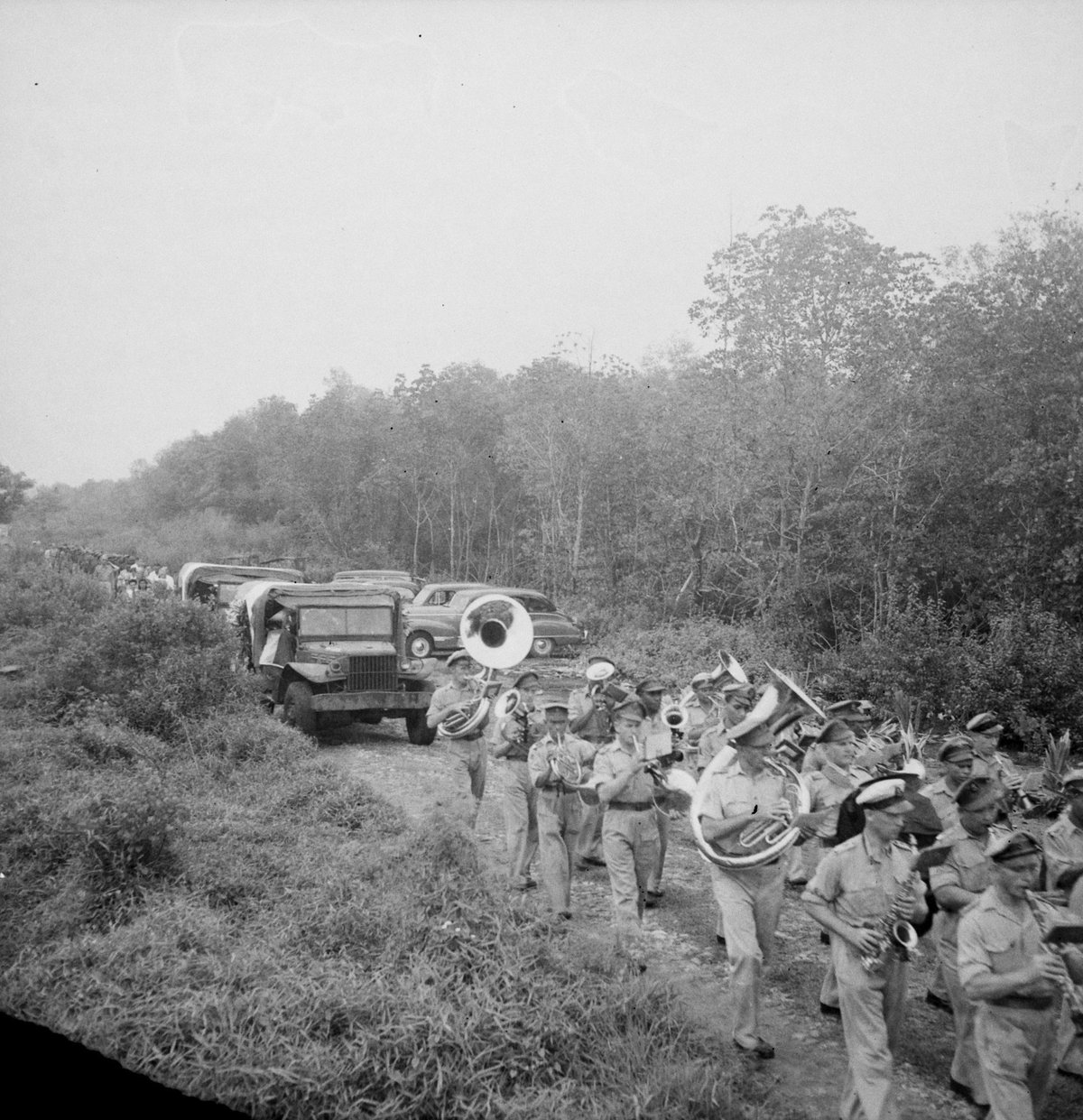
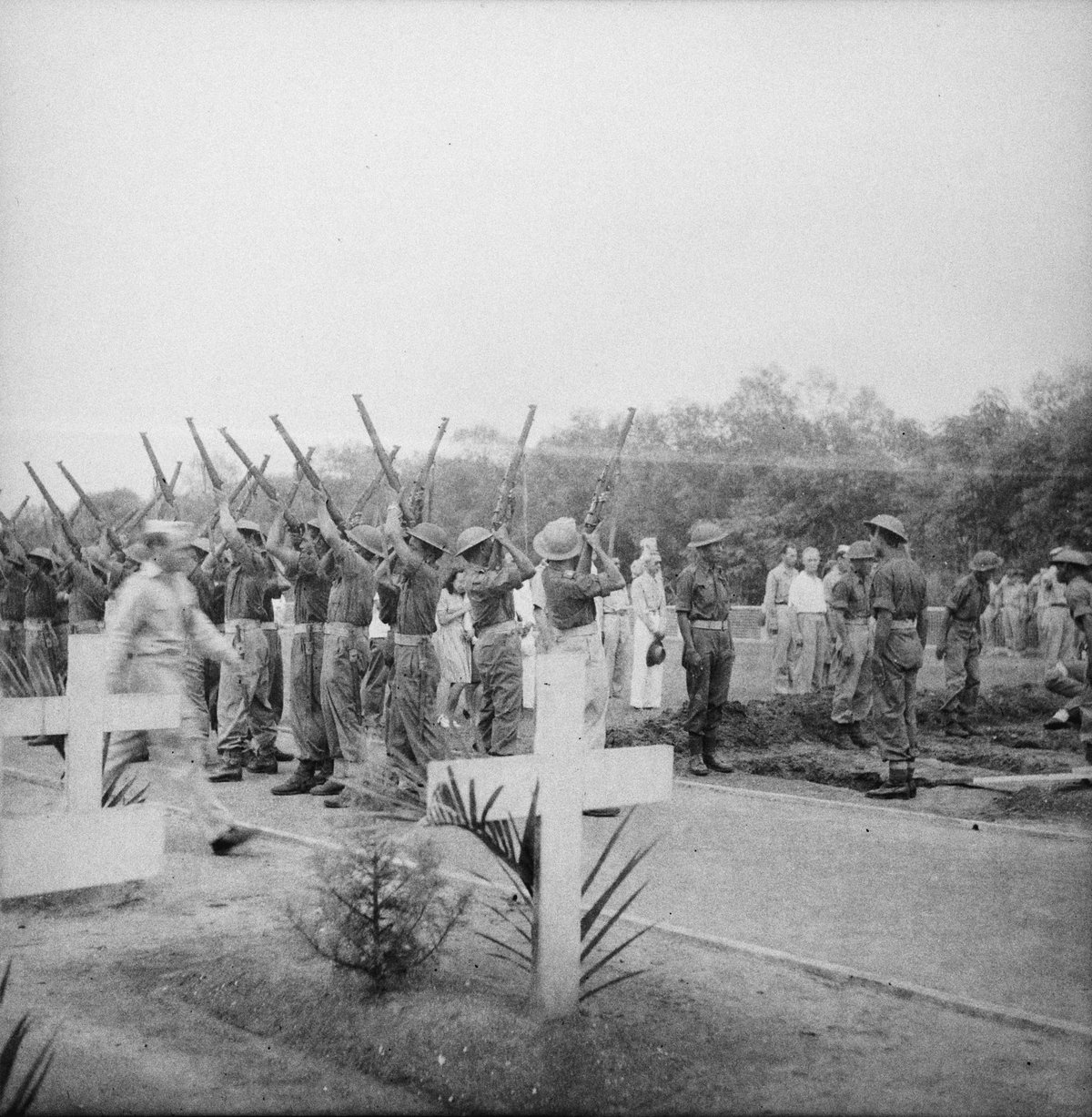
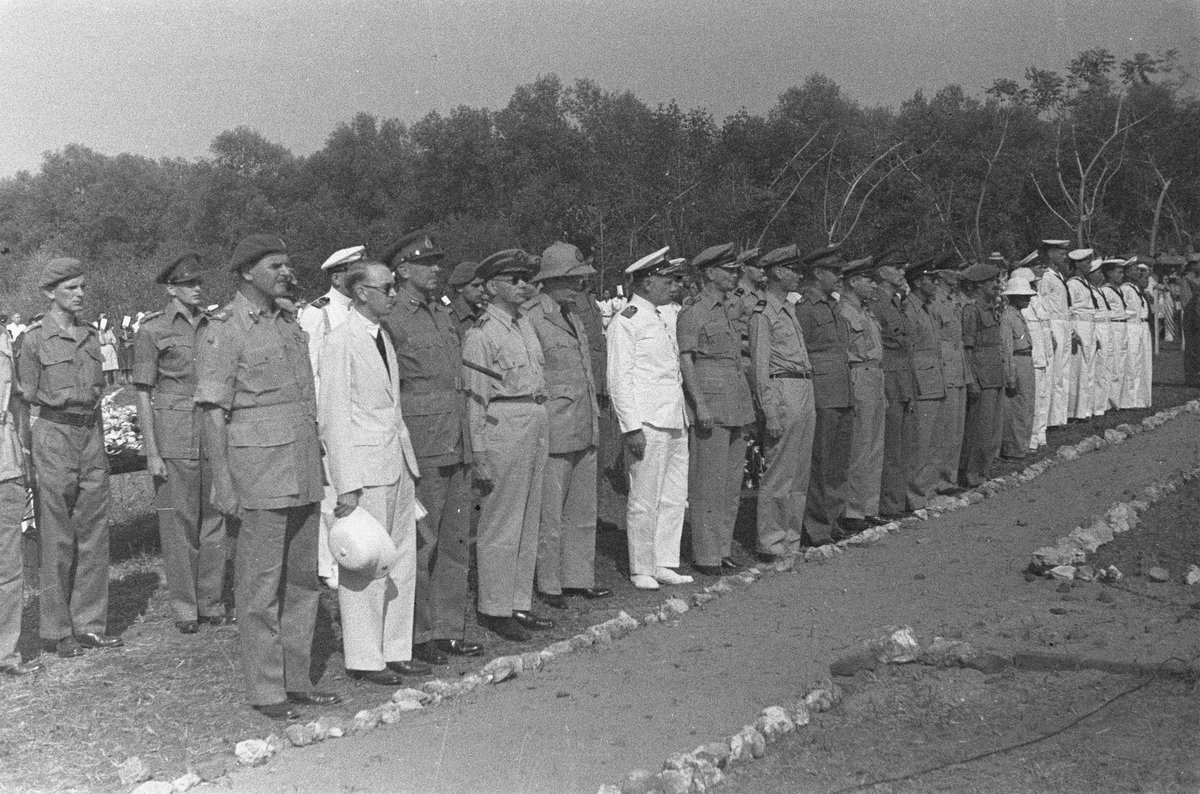
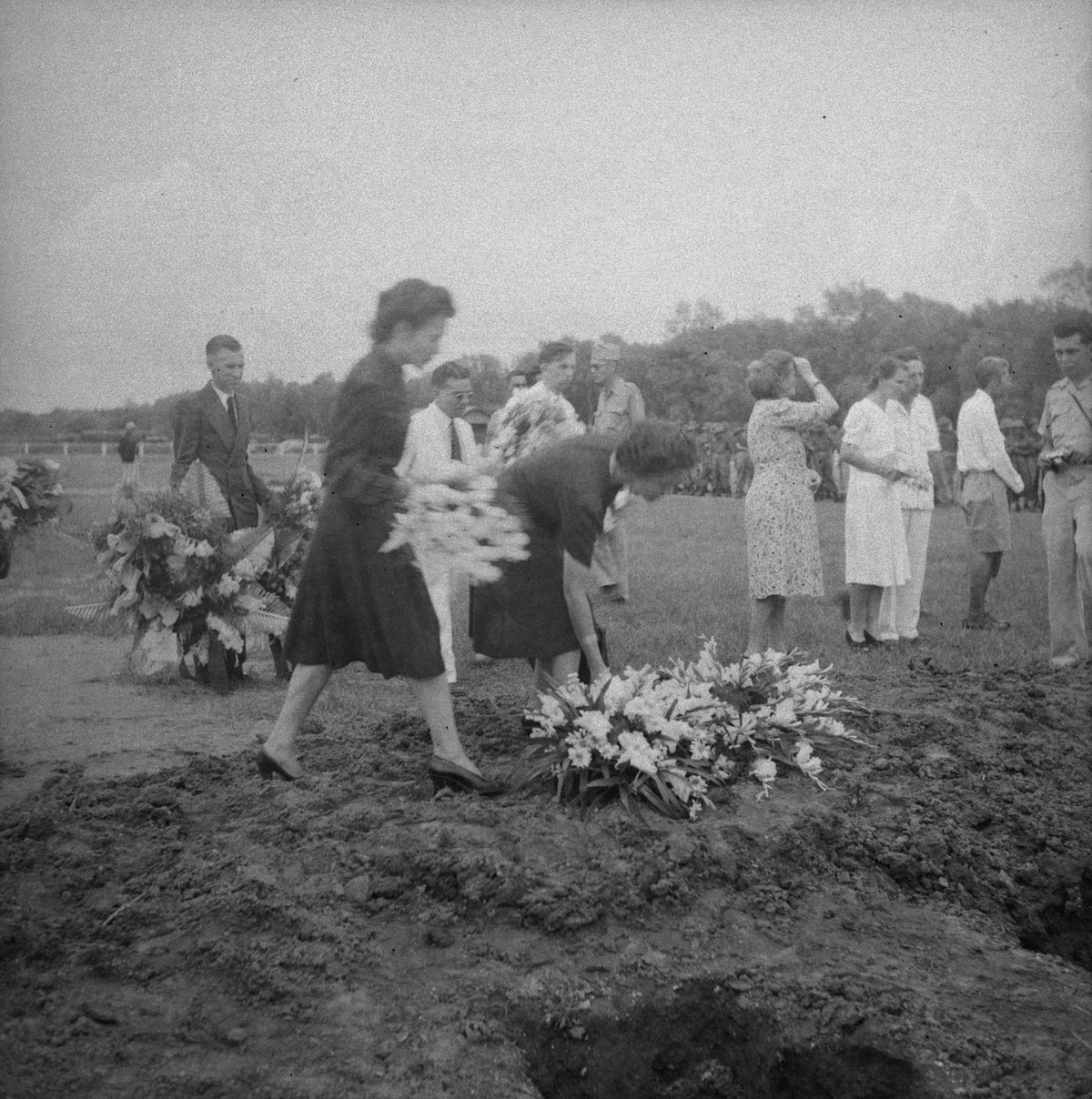
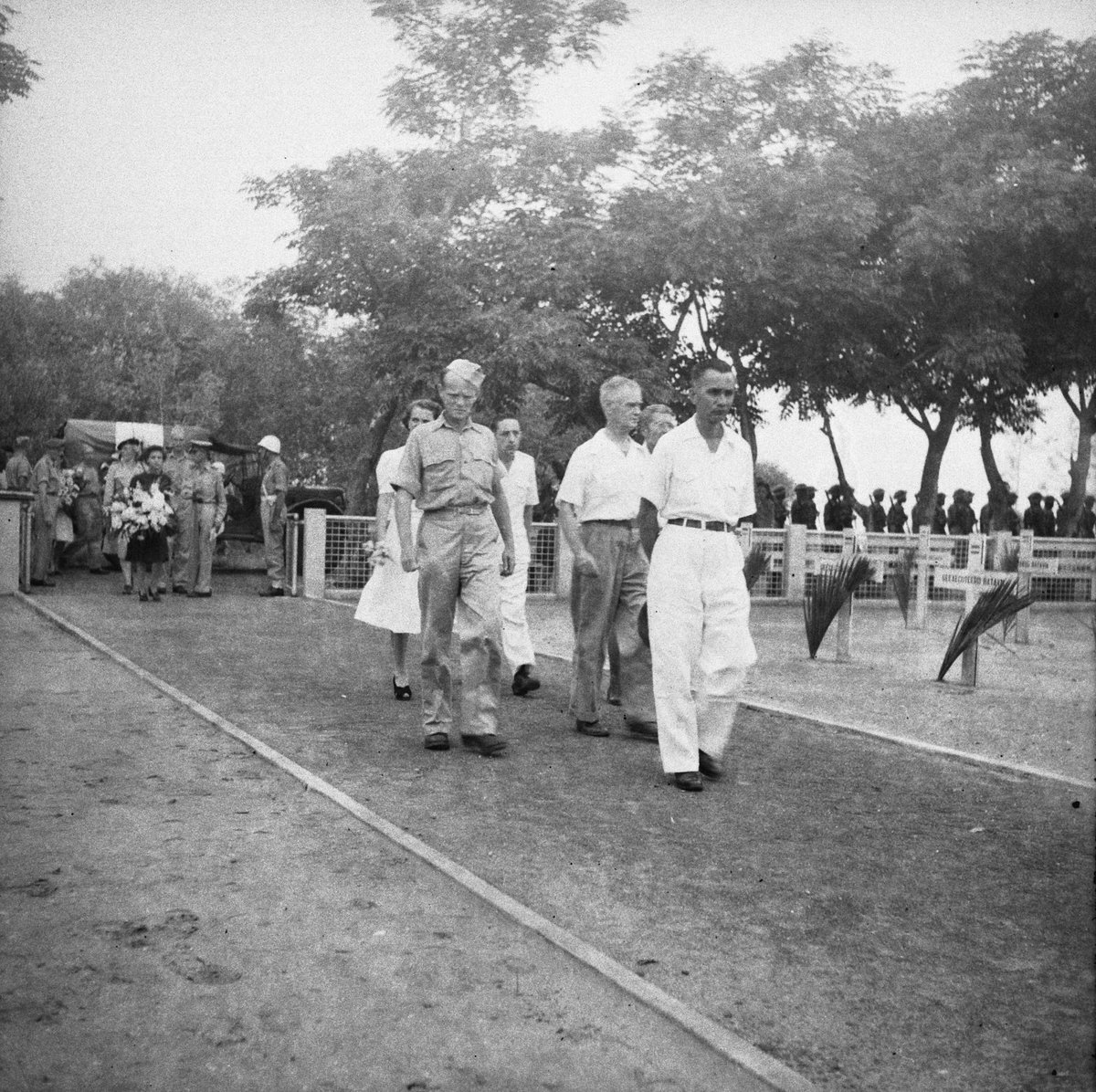
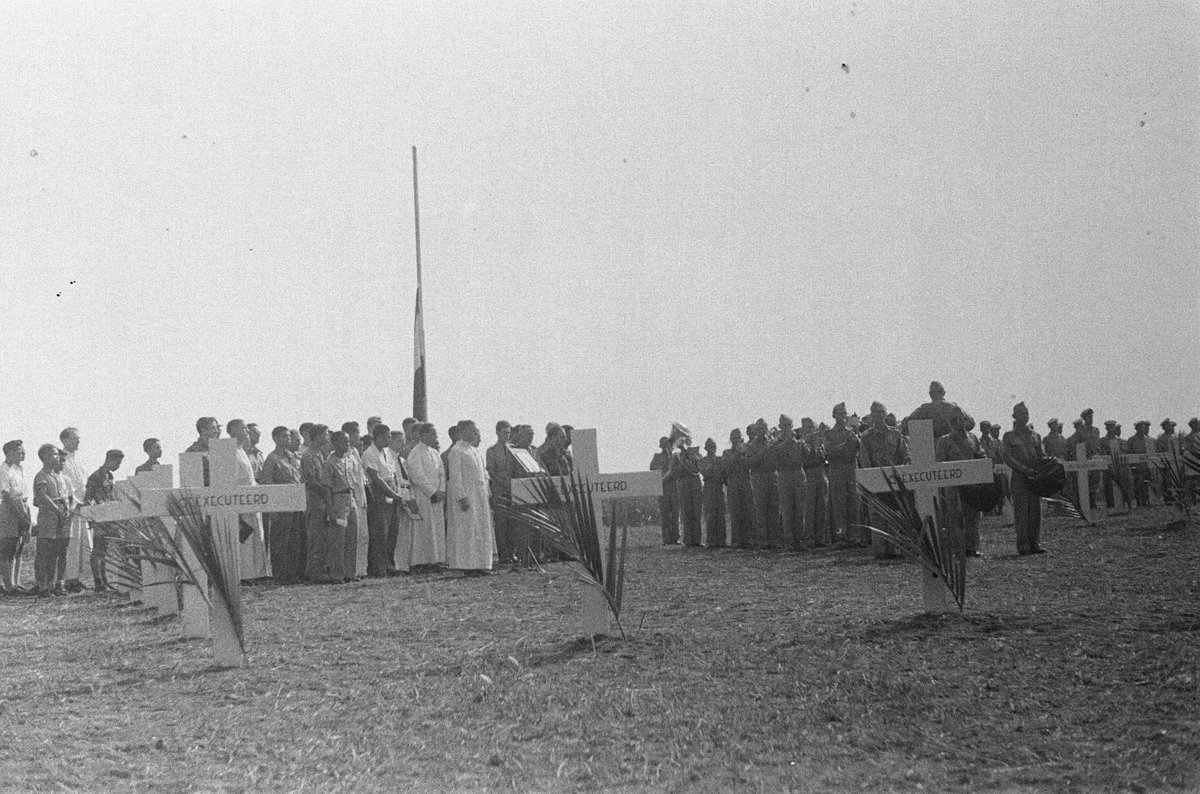
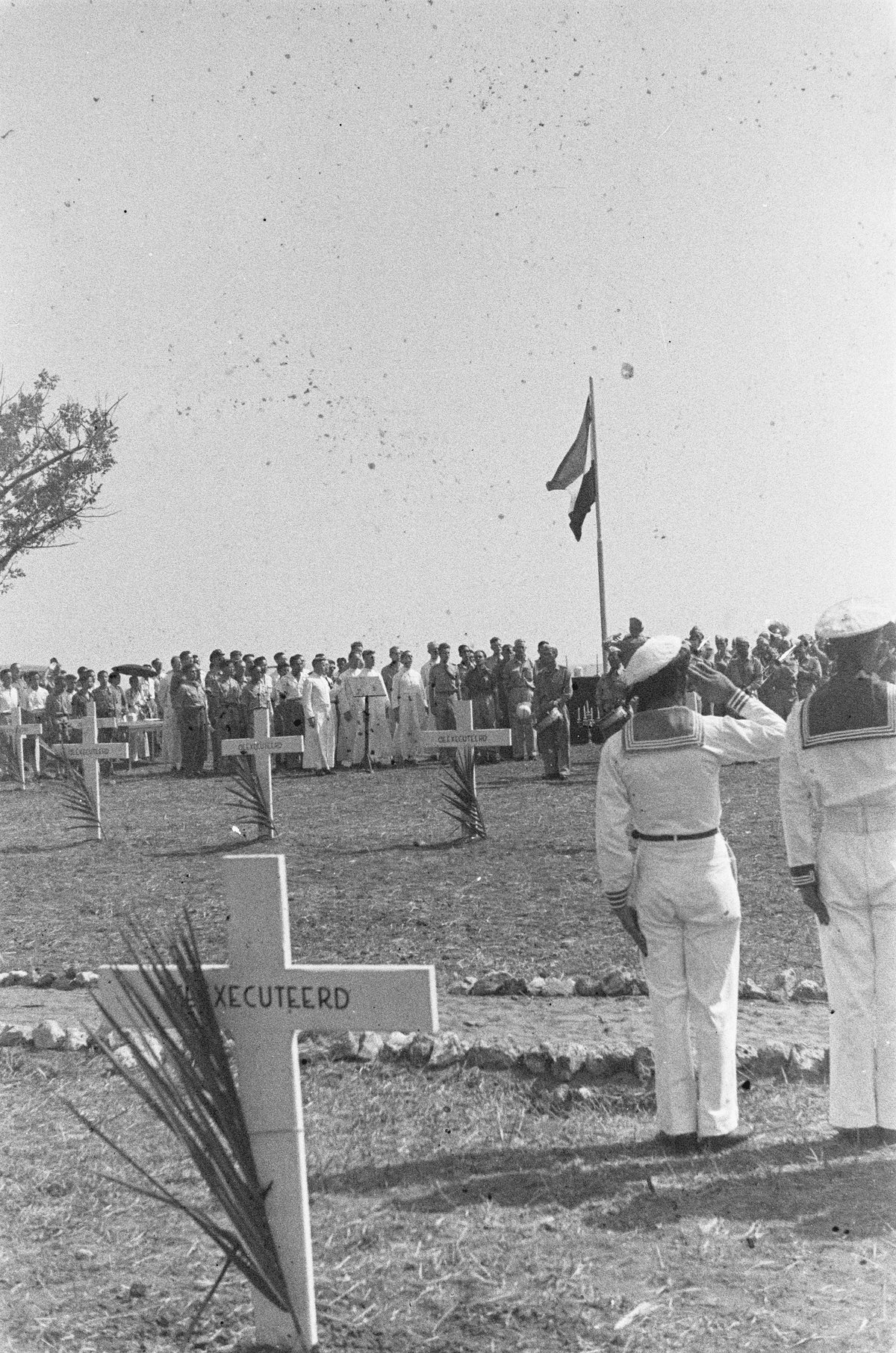
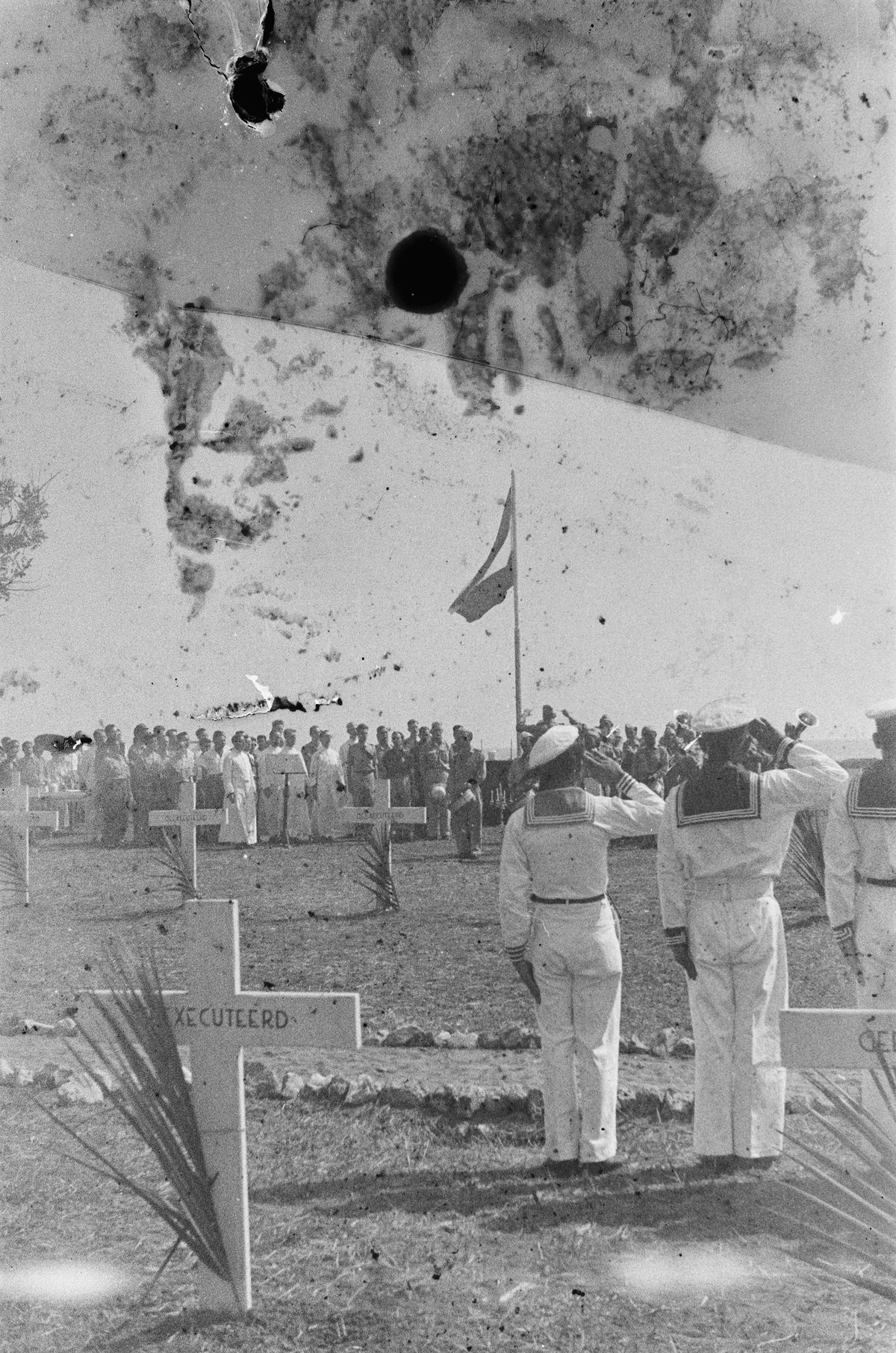
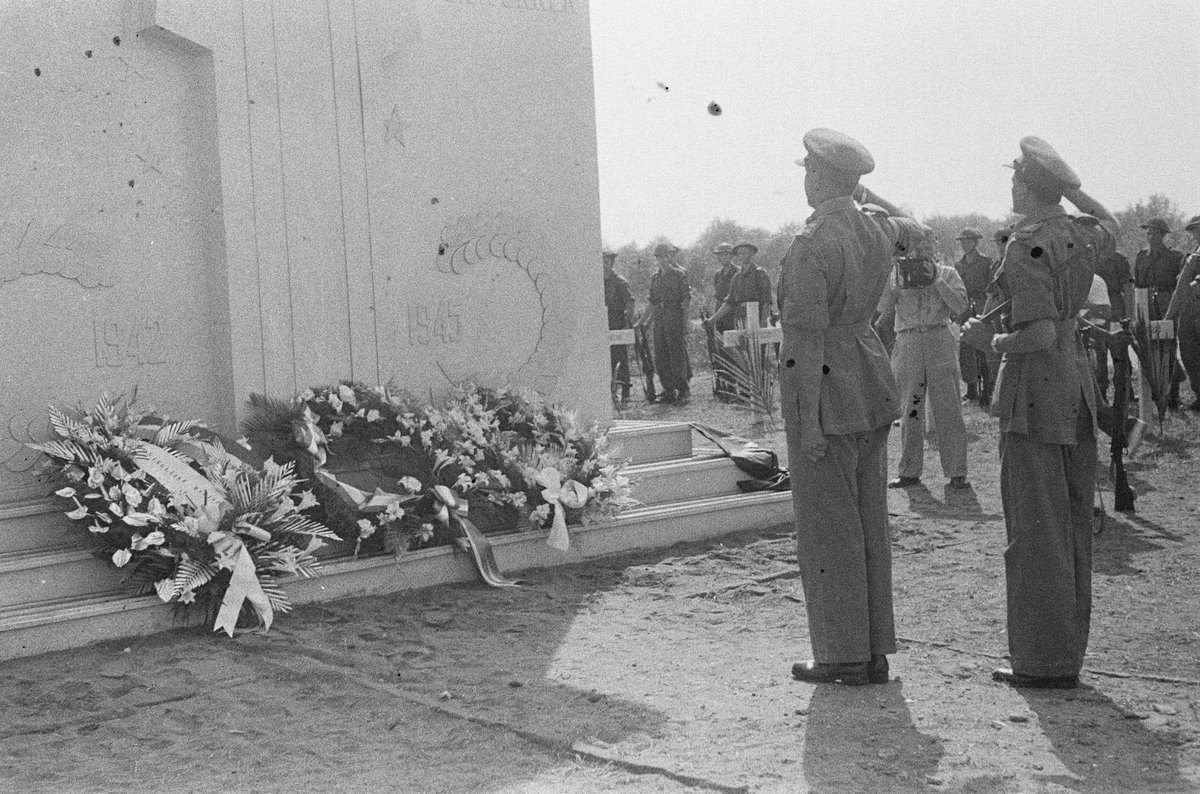
Officially inaugurated on September 14, 1946, Ancol War Cemetery was the first war cemetery established by the Royal Netherlands East Indies Army’s Graves Registration Unit after WWII. Its location was chosen for its tragic relevance: during the Japanese occupation (1942–1945), this site was used as an execution and burial ground for prisoners—both military and civilian, Dutch, Indonesian, and Allied (Traces of War). The cemetery, maintained by the Netherlands War Graves Foundation (Oorlogsgravenstichting), now holds around 1,200–2,000 graves, including Dutch, Indonesian, British, Australian, and other Commonwealth individuals.
Cultural and Emotional Importance
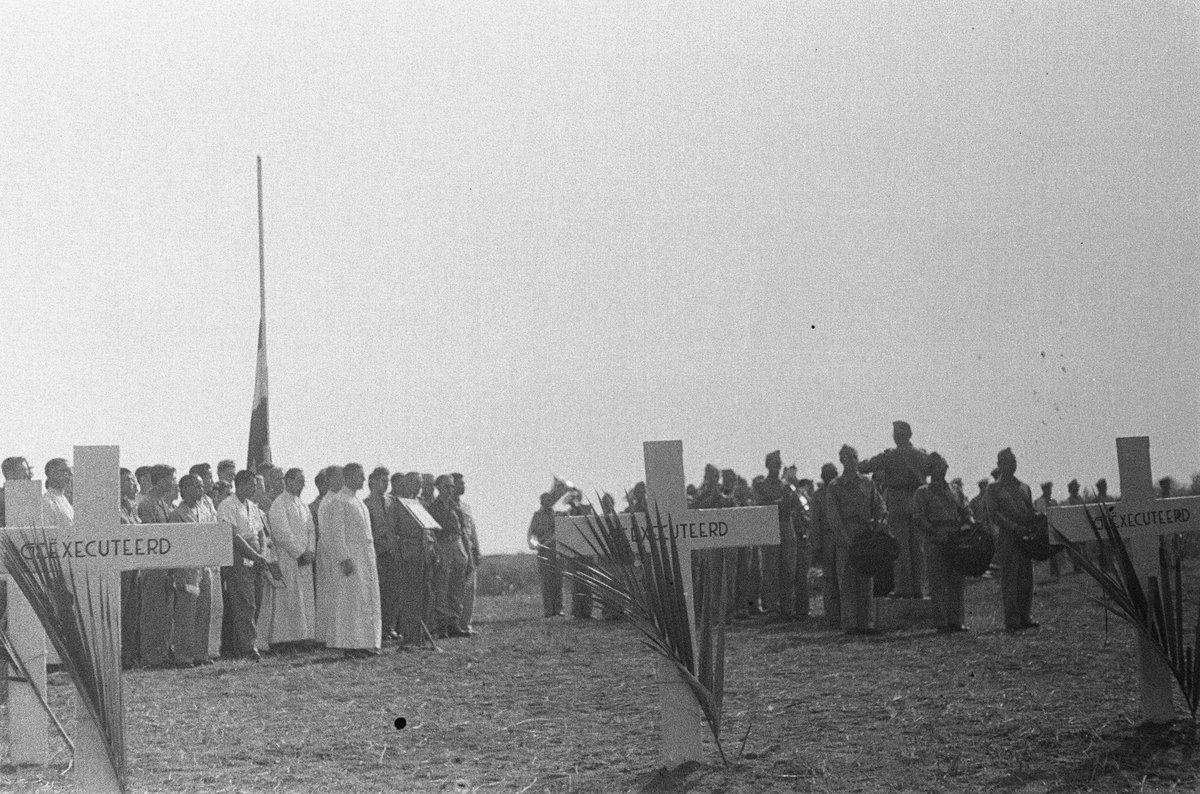
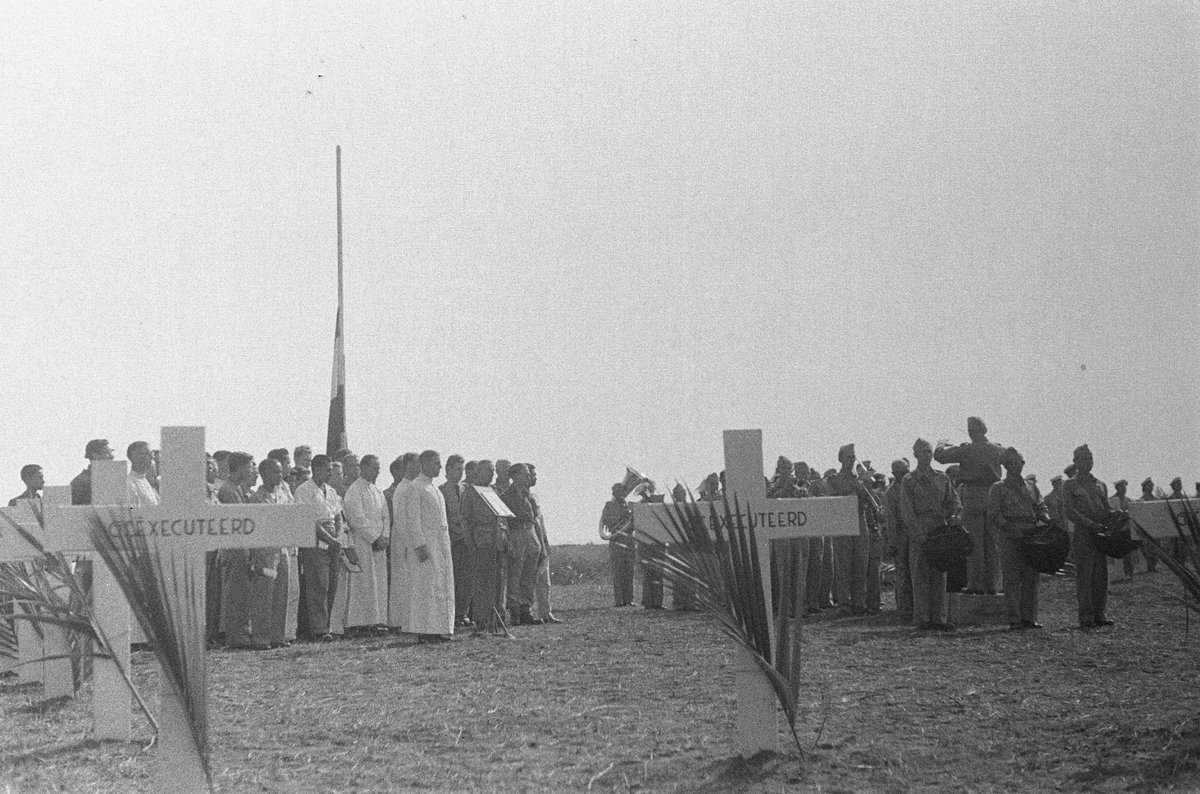
Ancol War Cemetery stands not only as a final resting place for war victims but also as a symbol of reconciliation and the enduring ties between Indonesia, the Netherlands, and the international community. Annual ceremonies, especially on Remembrance Day (May 4th), further reinforce its role as a site of reflection and education (OGS Indonesia).
Layout, Architecture, and Memorial Features
Grounds and Landscape
The cemetery’s design reflects order, respect, and tranquility. Rows of uniform white crosses, originally made from teak wood and now concrete, stand on well-kept lawns shaded by mature trees. The landscape includes paved paths, benches, and gazebos that encourage quiet reflection (Indonesia Expat).
Memorials and Symbolism
A central Cross of Sacrifice—common to Commonwealth cemeteries—symbolizes universal sacrifice. The Hemelboom (mindi tree) is a living memorial, a witness to the executions that took place on this ground. Markers indicate names, dates, and sometimes the word “Geëxecuteerde” (“executed”), commemorating those lost in the occupation and revolution (The Broke Backpacker).
Sections and Diversity of Burials
The cemetery is divided into sections for Dutch, Indonesian, and Commonwealth soldiers and civilians. Each grave, whether marked with a name or as “unknown,” honors the memory of those who perished, regardless of nationality or rank (holidify.com).
Visitor Information
Visiting Hours
- General Hours: Open daily from 8:00 AM to 5:00 PM.
- Note: Some sources report opening as early as 7:00 AM and closure on weekends and public holidays. Confirm with local authorities or the OGS for the most current schedule (omeeyo.com).
Tickets and Entry Fees
- Cemetery Admission: Free of charge.
- Ancol Dreamland Entry: The cemetery lies within the Ancol Dreamland complex, which may require a small entrance fee. Check the latest Ancol Dreamland ticketing information when planning your visit (notesplusultra.com).
Getting There
- Location: North Jakarta, close to Taman Impian Jaya Ancol.
- Transport: Easily accessible by car, taxi, ride-hailing apps, or public transportation. Parking is available on site.
Accessibility
- Site: Paved, level pathways make the cemetery accessible for visitors with mobility challenges. Some areas may require assistance for wheelchairs due to uneven paths (holidify.com).
Facilities
- Restrooms: Modest facilities near the entrance.
- Chapel: A small chapel for quiet reflection.
- Seating: Benches and gazebos throughout the grounds.
- Parking: Limited on-site parking.
- No café or souvenir shop: Dining and shopping available nearby in Ancol Dreamland.
Etiquette and Guidelines
- Respectful Behavior: Maintain a solemn demeanor; avoid loud conversations and disruptive activity (omeeyo.com).
- Dress Code: Wear conservative attire; avoid shorts, tank tops, or beachwear.
- Photography: Allowed, but focus on respectful and dignified images. Avoid selfies or group photos that distract from the site’s solemnity (asiawargraves.com).
- Guided Tours: Occasionally available through OGS, local tour operators, or during commemorative events. Arrange in advance for deeper historical context.
Complementary Experiences and Nearby Attractions
Located within the Ancol area, the cemetery is close to several attractions, including:
- Ancol Dreamland: Beaches, amusement parks, and art markets (notesplusultra.com).
- Jakarta National Monument (Monas): A key historical landmark (audiala.com).
- Museum Sejarah Jakarta: For expanded context on the city’s history.
Combining your visit with these sites offers a balanced day of reflection and cultural exploration.
Best Time to Visit
- Dry Season: May to September is most comfortable.
- Time of Day: Early mornings and late afternoons offer cooler temperatures and a quieter atmosphere.
Frequently Asked Questions (FAQ)
Q: What are the visiting hours for Ancol War Cemetery?
A: Open daily from 8:00 AM to 5:00 PM; some sources report closure on weekends—check ahead for the latest information.
Q: Is there an entrance fee?
A: The cemetery is free; you may need to pay a small fee for entry to Ancol Dreamland.
Q: Are guided tours available?
A: Occasionally, especially during commemorations. Contact OGS or local operators.
Q: Is photography allowed?
A: Yes, but please be respectful.
Q: Is the cemetery accessible for people with disabilities?
A: Mostly, though some paths may be uneven.
Summary and Visitor Recommendations
Ancol War Cemetery is a vital historical site in Jakarta, offering visitors the chance to honor those lost during WWII and the Indonesian National Revolution. Its tranquil grounds, symbolic monuments, and diverse burials serve as a bridge between past and present, and between nations once at war. Admission is free, and the site is generally accessible and well-maintained. The cemetery’s proximity to Ancol Dreamland makes it easy to combine reflection with recreation. For the most meaningful experience, visit during quieter hours and consider a guided tour. To deepen your journey into Indonesia’s history, explore nearby landmarks and download the Audiala app for curated tours and insights (OGS Indonesia; Indonesia Expat; The Broke Backpacker).
Related Articles
- Exploring Jakarta’s National Monument: History and Visitor Guide
- Top Historical Sites to Visit in Jakarta
Listen to the full story in the app
The whole Ancol War Cemetery,
told well.
Audio guides for 1,100+ cities across 96 countries. History, stories, and local insight — offline ready.
Verified, and shown.
Researched and written by the Audiala editorial team from historical records, architectural archives, and local expertise.
Researched from Wikidata, Wikipedia & official sources · fact-checked · How we make our guides →