Destinations India Visakhapatnam

Visakhapatnam.

17° N · 83° E India

The first thing you notice is the smell of diesel mixing with salt. A submarine-turned-museum sits permanently beached on the sand, its hull still leaking oil into the Bay of Bengal. Visakhapatnam, India's most improbable beach city, has turned its naval shipyard into a promenade and its steel mills into sunset viewing platforms.
Listen to the guide — 47 min Open the map
Visakhapatnam, India
Visakhapatnam · India
11
attractions
3-4 days
days suggested
Nov–Feb (18-28°C, dry)
best season
EN · EN
narration

01 An introduction

synthesized from 240+ sources ·

VThe first thing you notice is the smell of diesel mixing with salt. A submarine-turned-museum sits permanently beached on the sand, its hull still leaking oil into the Bay of Bengal. Visakhapatnam, India's most improbable beach city, has turned its naval shipyard into a promenade and its steel mills into sunset viewing platforms.

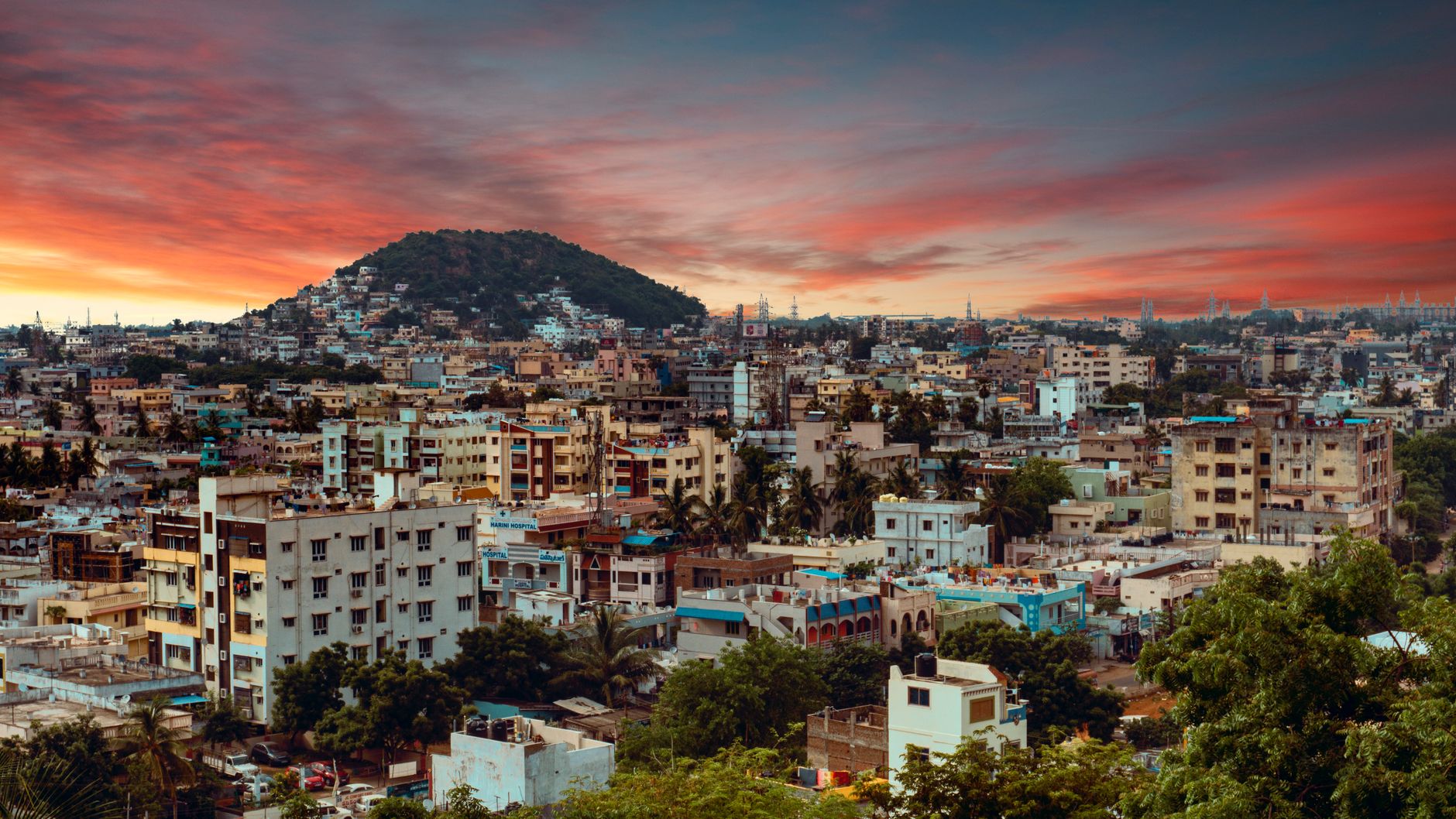
Locals call it Vizag, a name that sounds like a cough but refers to a port where destroyers dock beside fishing boats. The city stretches 40 kilometers along India's east coast, hemmed in by the Eastern Ghats on one side and a natural harbor shaped like a dolphin's nose on the other. Between them: red sand dunes older than civilization, Buddhist monasteries older than the city, and beaches where the Indian Navy tests missiles while teenagers learn to surf.

This is where Andhra Pradesh keeps its contradictions. You can breakfast on fiery avakaya pickle at 7 AM, tour a decommissioned Soviet submarine by 10 AM, and by sunset find yourself at a food stall in MVP Colony eating potlam biryani wrapped in an omelette while students argue about Tollywood film releases. The steel plant glows orange through the haze, the lighthouse blinks twice every fifteen seconds, and someone is always frying mirchi bajji in the monsoon rain.

Photography Hotspot Budget Friendly Family Friendly

02 Why Visakhapatnam.

What makes this place worth slowing down for.

India’s Longest Sea-Cliff Glass Walk

Kailasagiri’s new 262 m glass skywalk cantilevers 90 m above the Bay of Bengal, opened December 2025. The ride up on the Swiss-built ropeway is half the thrill—cabin floor panels are clear acrylic.

A Real Submarine You Can Walk Through

INS Kurusura, beached on Ramakrishna Beach Road, is South Asia’s first submarine museum. Duck through the 91 m hull and you’ll still smell diesel trapped in the steel since her decommissioning in 2001.

Blood-Red Dunes Older Than the Pyramids

Erra Matti Dibbalu, 30 km north, is a 57 000-year-old geo-heritage site—one of only three coastal red-dune fields on Earth. Iron oxide paints the ravines Mars-red at sunset; permission is required after 2026 CRZ tightening.

A Hill Temple That Opens Once a Year

Simhachalam’s sandalwood-covered deity is visible only on Chandanotsavam—20 April 2026 this year. Slots open at 4 a.m.; special buses run from RTC Complex every 15 minutes.


03 Places to Visit.

Not every monument, just the ones we'd walk you past ourselves.
Ramakrishna Mission Beach
Editor's pick
01 · Place

Ramakrishna Mission Beach

RK Beach, officially known as Ramakrishna Beach, is a celebrated coastal destination in Visakhapatnam, India.

Simhachalam Temple
02 Place

Simhachalam Temple

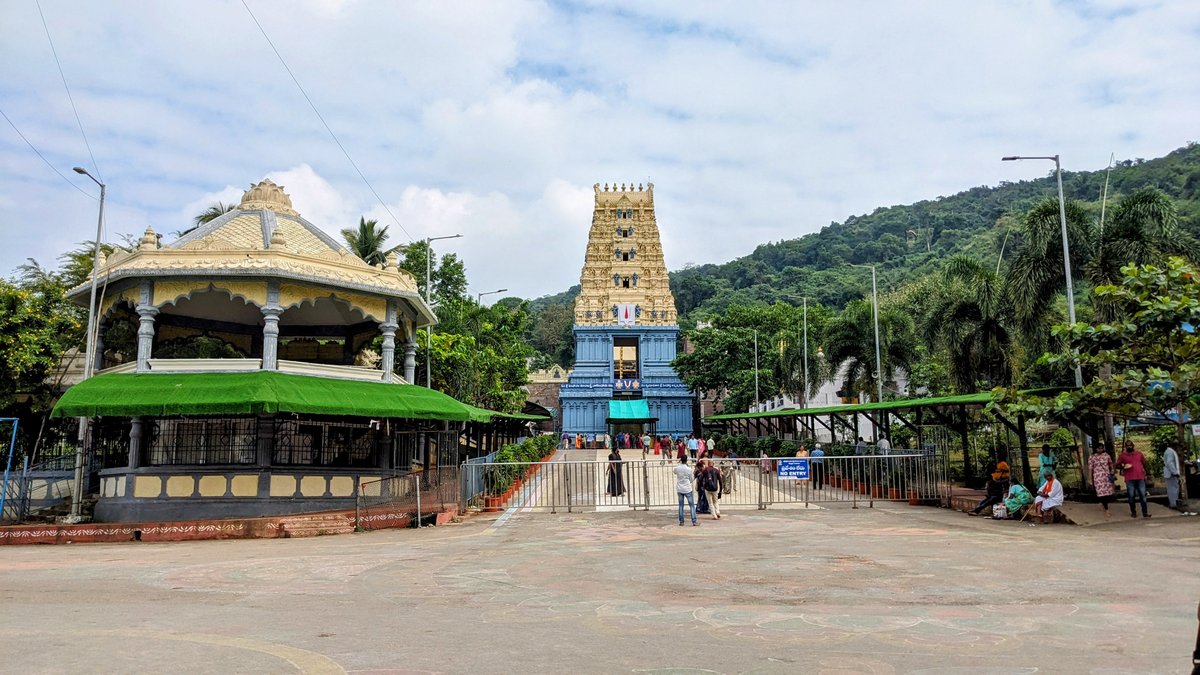
Simhachalam Temple, officially known as the Sri Varaha Lakshmi Narasimha Temple, stands as one of the most revered and architecturally significant spiritual…

03 Place

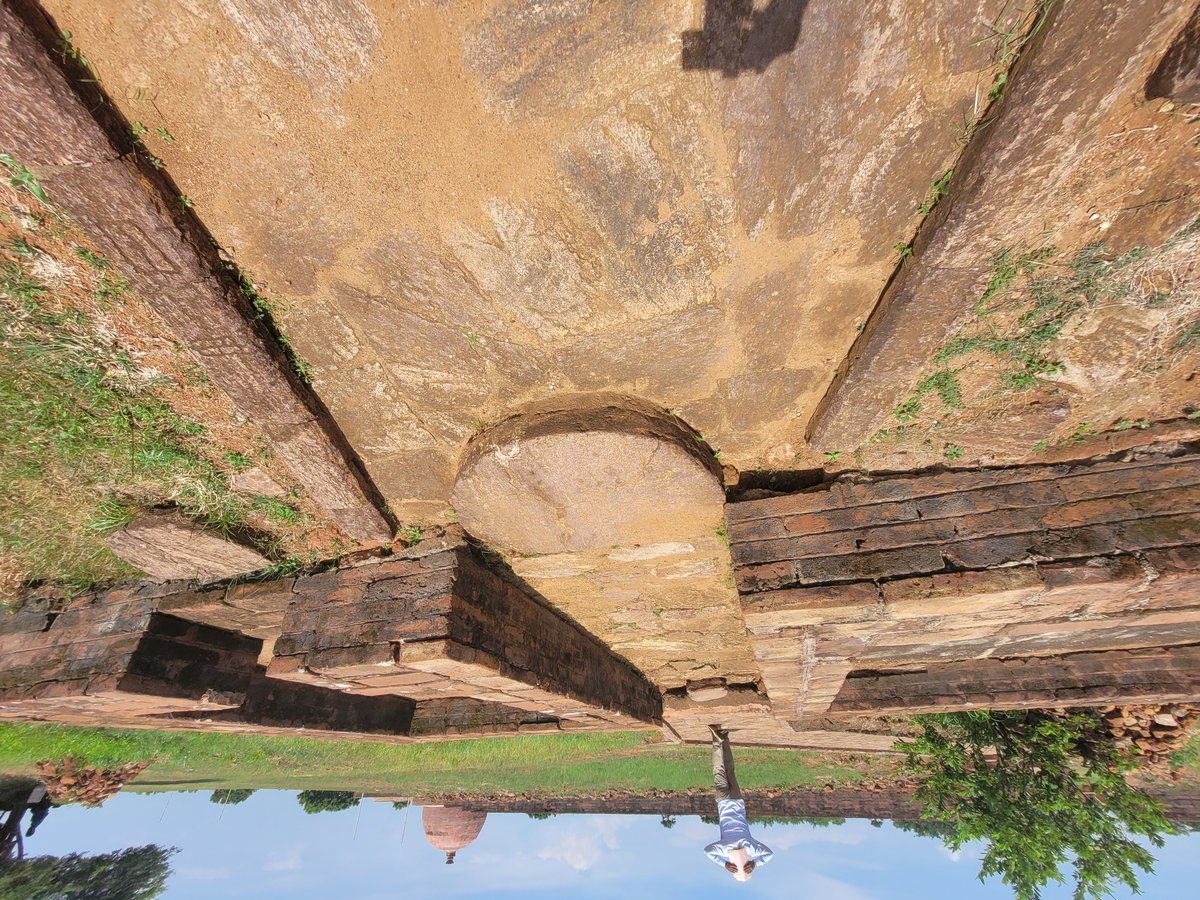
Thotlakonda

Nestled approximately 15 kilometers from Visakhapatnam, India, Thotlakonda is an awe-inspiring ancient Buddhist site that offers a deep dive into the region's…

04 Place

Bavikonda

Nestled on a scenic hill near Visakhapatnam, Bavikonda—aptly named the "Hill of Wells"—stands as one of Asia's most remarkable Buddhist archaeological sites,…

Visakha Container Terminal
05 Place

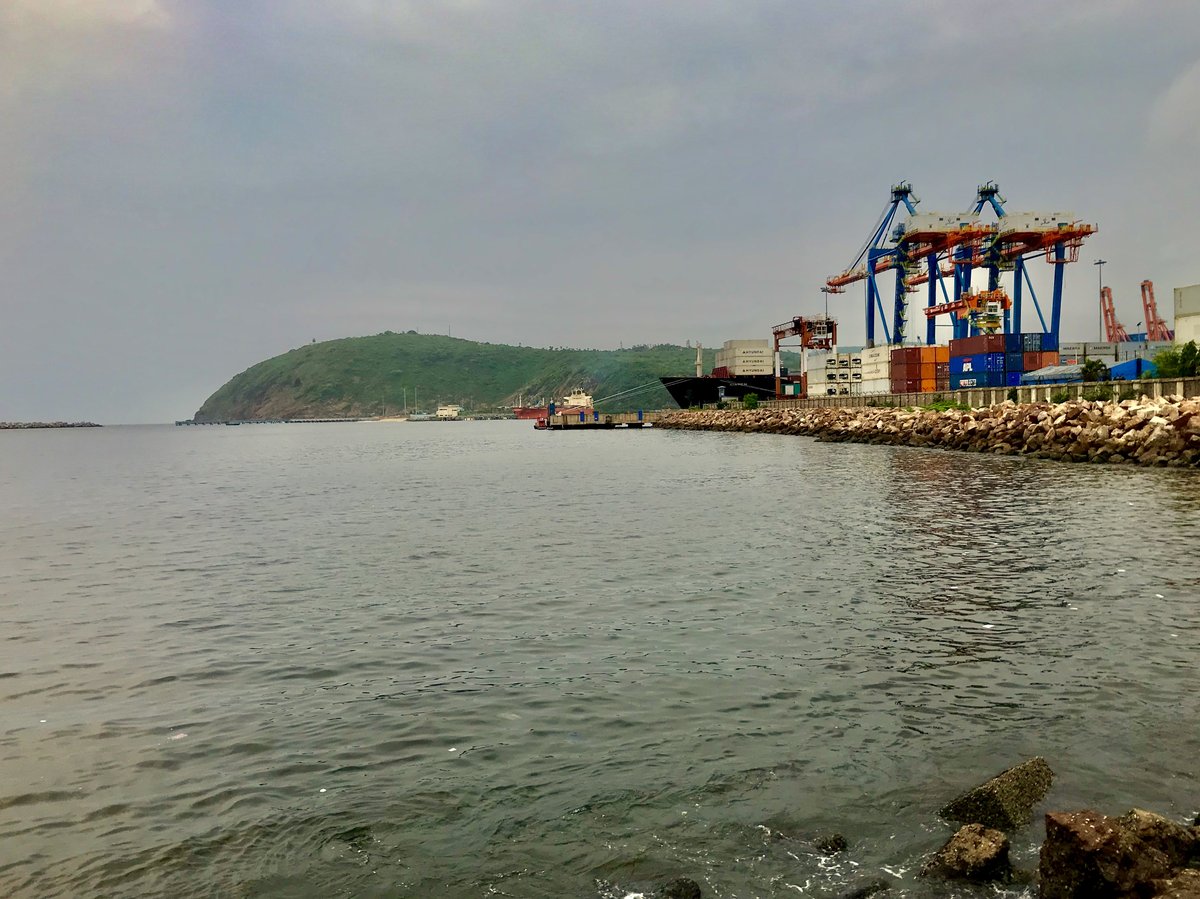
Visakha Container Terminal

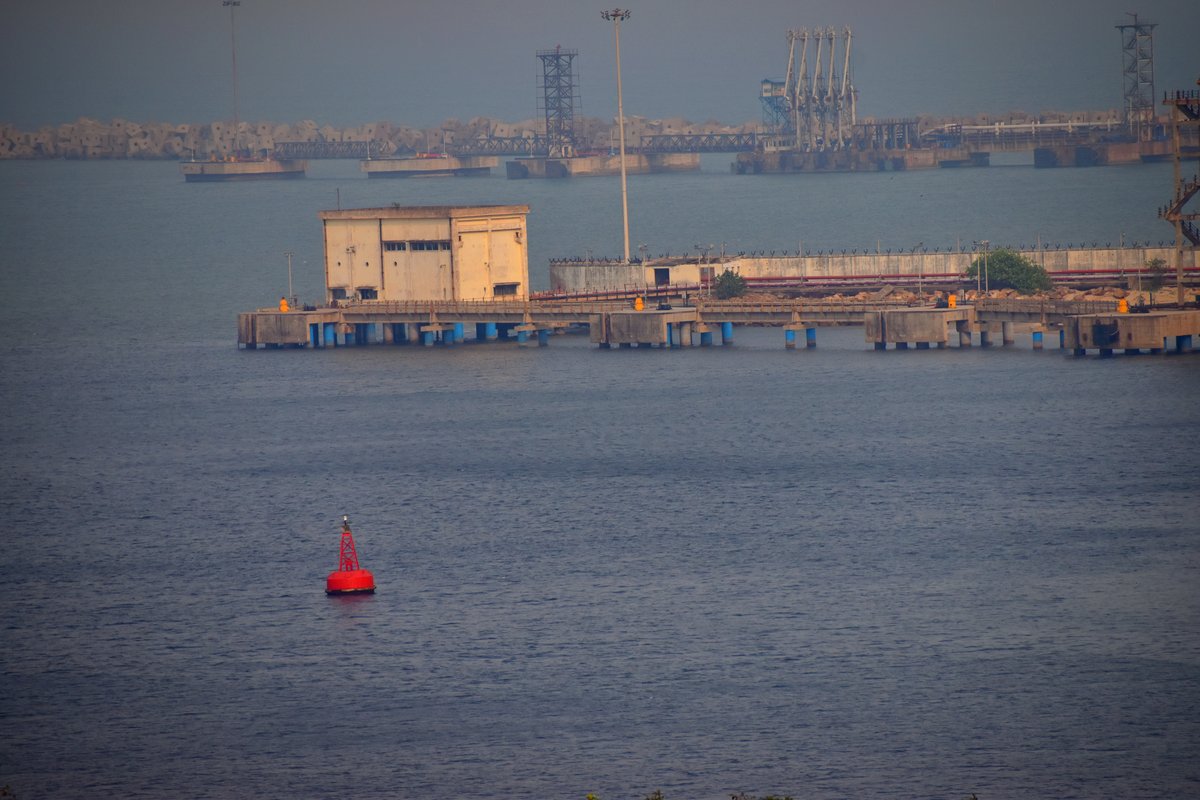
Visakhapatnam, often referred to as Vizag, is a vibrant coastal city located on India’s eastern seaboard, renowned for its rich maritime history and strategic…

All 5 places in Visakhapatnam

04 Neighborhoods.

Where to wander, by quarter — each with its own rhythm.

01

MVP Colony

Asia's largest residential township stretches across 16 sectors and contains more street food per square kilometer than anywhere else in Andhra Pradesh. After 6 PM, food trucks and folding tables transform the wide avenues into an open-air canteen. The LIC Building punugulu cart sets up opposite the cancer hospital while Vijayawada natives serve fritters with karam podi that will make your ears ring. Students from nearby universities queue at Teenage Point for chilli paneer biryani while families argue over whether New Sivarama Sweets still makes the best kalakand. The chaos is democratic: software engineers eat beside auto drivers, everyone stands, nobody uses plates.

02

RK Beach Road

The city's living room runs four kilometers along the Bay of Bengal, paved wide enough for morning walkers, evening daters, and vendors selling corn roasted over charcoal drums. The submarine museum sits at the southern end like a beached whale, its torpedo tubes now selfie spots. Between the Victory at Sea memorial and the aquarium, you'll find the actual social infrastructure: men selling murri mixture from steel drums, couples sharing roasted peanuts on the sea wall, and kids chasing each other between the statues. The salt spray carries diesel from the port, incense from the Kali temple, and the perpetual smell of someone frying something somewhere.

03

Dwaraka Nagar

The old commercial heart beats around Diamond Park, where Sai Ram Parlours has been making paper-thin dosas since before the software companies arrived. Morning crowds here are serious about breakfast: office workers standing elbow-to-elbow, watching batter spread across cast-iron pans with the precision of shipbuilders. The neighborhood keeps Vizag's mercantile history alive in its hardware stores and textile shops, but the real commerce happens over steel plates of ghee-soaked dosa and foamy filter coffee served in glasses still hot from the dishwasher.

04

Siripuram

The student quarter clusters around Waltair Main Road, where engineering colleges feed directly into ice cream parlors. Jack Frost has been serving milkshakes thick enough to stand a spoon in since the 1990s, while newer places like FoodEx experiment with chocolate dosa and tandoori momos. The bookstores sell mostly engineering manuals but the tea stalls stock newspapers in four languages. Come evening, the demographic shifts: college kids texting over kebabs give way to families sharing samosas, everyone arguing about whether the beach road traffic will ever improve.

05

Jagadamba Junction

Where the city keeps its nostalgia. The intersection has been functioning as Vizag's chaat capital since before independence, with vendors who can trace their recipes back three generations. The chaos here is older and more deliberate: no food trucks, just wooden carts that roll out at precisely 5 PM every day. Grandmothers send servants to fetch golgappas while teenagers on motorcycles circle the block three times before parking. The chaat is spicier than anywhere else in the city, balanced by sweet lassi served in clay cups that you smash underfoot when finished.

06

Rushikonda

Fifteen kilometers from the city center, the urban sprawl gives way to a bay where the hills drop directly into the sea. The beach here curves for two kilometers of proper surf, not the gentle waves of RK Beach. Raju Ghari Dhaba sits on the hill overlooking it all, where the same family has served potlam biryani wrapped in omelettes since 1988. Surfers emerge from the water to eat prawn biryani with their hands, still sandy, while the sun sets behind the red sand dunes that glow like embers in the distance.

Historical Timeline

Where Empires Docked and Monks Carved Mountains

From Ashoka's remorse to India's longest glass skywalk, all in one harbor town

Ancient Port Era
6th century BCE

First Settlers Anchor

Masula boats—flat-bottomed, sewn-plank craft—start nosing onto the open roadstead. Traders unload Roman amphorae, ivory, and the muslin that will later clothe Egyptian priests. The beach is still forested; the only permanent structures are driftwood shrines to Visakheswara, a local fisherman-deity.

Mauryan Period
260 BCE

Ashoka's Blood on the Sand

Emperor Ashoka's war elephants crash down from the north. The Kalinga army makes its last stand among the dunes; 100,000 die. Ashoka's rock edicts, carved later at nearby Dhauli, admit the carnage turned him Buddhist. Within a generation, monks are quarrying Thotlakonda hill for a monastery that stares straight across the bay at the battlefield.

c. 100 BCE

Monks Hew the Hills

Chisels ring at Thotlakonda and Bavikonda. Monks cut cisterns, stupas, and cells so the plateau can house 150 residents. Roman silver coins surface in the alms-bowl earth—payment for pepper that will burn in Roman kitchens 4,000 sea-miles away.

Eastern Ganga Period
1078 CE

Simhachalam Temple Rises

King Anantavarman Chodaganga hauls granite up the 800-foot hill. The shrine blends Orissan and Dravidian roofs, dedicated to Narasimha—half-man, half-lion—whose sandstone claws still gouge the inner sanctum. Pilgrims arrive by boat, then climb 1,000 steps shaded by margosa trees.

Vijayanagara Era
1515 CE

Krishnadevaraya Plants a Pillar

Vijayanagara armies sweep the coast after victory at Potnuru. Emperor Krishnadevaraya plants a 30-foot victory pillar outside the mud-fort walls. He also gifts Simhachalam a 200-kg gold necklace; priests still weigh it annually to ensure none has been pilfered.

European Trade Era
1630

Dutch Flag on Bheemili Beach

The Dutch East India Company unfurls its striped flag at Bheemunipatnam, five kilometers north. They build a factory, a Protestant church, and the first planned street grid the coast has ever seen. Cannonballs from their 1669 fort still wash out after monsoon storms.

Colonial Vizagapatam
1683

British Buy a Beachhead

The British factor at Madras leases a strip of sand from the Qutb Shahi governor for 600 pagodas a year. They throw up a stockade called Kotaveedi—Fort Village—ringed by coconut trunks. The name sticks; locals still call the district Kota.

1727

Waltair Hill Becomes British

British merchants move uphill for the breeze and the view. They buy 300 acres from the Rajaka washermen for 12 scarves and an annual bullock cart of salt. Bungalows with wrap-around verandas go up; enslaved Africans plant crotons along the ridge. Waltair is born as the white-town suburb.

1804

Napoleon's War Reaches the Bay

The French corvette Sémillante and British sloop HMS Wilhelmina trade broadsides outside the harbor. Cannon fire rattles the tiled roofs of Kotaveedi. When the smoke clears, the British flag stays, and Vizag becomes a Royal Navy victualing station—coals, water, and arrack for ships hunting French privateers.

1908

Devika Rani is Born in Waltair

In a salt-stung bungalow on Waltair hill, a railway doctor's wife delivers a girl who will learn piano from the stationmaster's wife. Devika Rani grows up to train in Berlin, act opposite Himmler's favorite director, and become India's First Lady of Cinema—accepting the first Dadasaheb Phalke Award in 1969 wearing a sari woven in the Vizag jail workshop.

19 December 1933

Port Inaugurated, City Awakens

Viceroy Lord Willingdon taps a silver button; the first rail wagon of manganese rumbles onto Pier No. 1. The natural harbor—protected by Dolphin's Nose hill—becomes India's only all-weather port on the east coast. Overnight, Vizag turns from a sleepy collectorate to a city of cranes, cargo sheds, and 5,000 stevedores.

1941

Japanese U-Boats Stalk the Lighthouse

The lighthouse at Dolphin's Nose blacks out. Merchant ships hug the coast without running lights; one torpedoed tanker burns for three days within sight of RK Beach. The Eastern Naval Command shifts its headquarters here, turning Vizag into a fortress of barbed wire and rum ration lines.

Post-Independence Era
1956

Andhra State is Born, Vizag Shines

At midnight on 1 November, the tricolor replaces the Union Jack atop the collectorate. Vizag becomes the industrial heart of the new Telugu-speaking state. Shipyards, steel plants, and oil refineries rise on land where British officers once played polo.

1998

INS Kurusura Becomes a Museum

The 91-meter Soviet-built submarine, veteran of 27 years' patrol, is hauled onto Beach Road. Schoolchildren crawl through its torpedo tubes; diesel fumes linger for months. It's South Asia's first underwater warship you can walk through without getting wet.

Smart-City Present
7 May 2020

Gas Cloud Over RR Venkatapuram

At 2:30 a.m., styrene vapor escapes from LG Polymers plant, spreading a sweet, choking fog. Residents wake gasping; twelve die, a thousand collapse. The leak stains Vizag's image as a clean industrial hub and sparks India's first national chemical-disaster lockdown.

December 2025

Glass Skywalk Opens at Kailasagiri

A 262-meter cantilever of triple-layer glass juts out 90 meters above the bay. Visitors in disposable shoe-covers shuffle past, watching cargo ships the size of rice grains glide below. The city that once loaded spices onto Roman triremes now charges ₹150 for the thrill of seeing its own harbor float beneath your feet.

Present Day

06 Who lived here.

The people who shaped the city — and were shaped by it.

Actress-producer 1908–1994

Devika Rani

Born in Waltair, now part of Vizag

She trained in European film studios and returned to create Bombay Talkies, earning the first Dadasaheb Phalke Award. Today’s beach-road film posters still echo her trail-blazing mix of coastal roots and global polish.

Politician born 1954

Renuka Chowdhury

Born here

The firebrand Congress minister who once steered India’s women-and-child portfolio grew up dodging sea-spray on RK Beach; locals say her tongue still carries Vizag’s peppery edge.

Actress born 1959

Zarina Wahab

Born here

Discovered while studying at Andhra University, she carried the city’s soft-spoken Telugu to Bollywood in the 1976 hit Chitchor. Film crews still book sea-facing hotels hoping to repeat the magic.

08 Where to Eat.

Where locals actually book dinner — not the tourist menus.

Theeram Kitchen & Bar Theeram Kitchen & Bar
Local favorite €€

Theeram Kitchen & Bar

5 View
ARAKU VALLEY COFFEE ARAKU VALLEY COFFEE
Cafe €€

ARAKU VALLEY COFFEE

5 View
Thanjavuru Filter Coffee - Visakhapatnam Thanjavuru Filter Coffee - Visakhapatnam
Local favorite €€

Thanjavuru Filter Coffee - Visakhapatnam

4.7 View
DECCAN CHAAI DECCAN CHAAI
Quick bite €€

DECCAN CHAAI

4.8 View
Hotel Winsar Park Hotel Winsar Park
Fine dining €€

Hotel Winsar Park

4.5 View
Marcopolo Lounge Bar Marcopolo Lounge Bar
Local favorite €€

Marcopolo Lounge Bar

4.6 View

09 Insider tips.

Small things that change how the city treats you.

Glass Skywalk Window

At Kailasagiri, claim a slot just after sunrise—no queue, golden light, and the glass floor warms up so your reflection doesn't ghost the 262-meter cliff-edge selfie.

Ask for Curd

Andhra spice is punishing even for seasoned Indian palates. Say 'takkuva kaaram' and order extra curd; locals drown fiery Gongura or Avakaya in it without shame.

MVP Colony Evenings

Skip weekends when food trucks grid-lock Asia’s largest township. Weeknights 7-9 pm get fresher Bajji, shorter queues, and vendors who’ll tweak heat levels without eye-rolling.

Temple Pulihora Freebie

East Shirdi Sai Baba Temple serves temple-style tamarind rice as prasadam on Mon/Thu after 11 am—bring a small steel box; it’s tastier and cheaper than restaurant versions.

Rushikonda Taxi Bargain

Meter cabs quote double to the surf beach; hop on an RTC bus from RTC Complex to Rushikonda (₹20, 30 min) and use the saved rupees for Raju Ghari’s Potlam Biryani.

12 Frequently asked

Is Visakhapatnam worth visiting?

Yes—India’s longest glass skywalk, a real submarine museum, and red-fossil dunes on the UNESCO tentative list sit within 30 km. The city pairs gritty naval history with surprisingly quiet beaches and chilli that will reset your spice baseline.

How many days in Visakhapatnam?

Plan 3 full days: Day 1 for Kailasagiri sunrise + submarine + RK Beach museums, Day 2 for Simhachalam temple and Dutch-era Bheemili dunes, Day 3 for Rushikonda surf and an evening binge in MVP Colony. Add an extra day if you want Araku Valley’s coffee estates.

Is Visakhapatnam safe for solo female travellers?

Safer than most Indian metros—naval presence keeps central areas well-lit and patrolled. Stick to busy Beach Road after dark, avoid empty stretches past 10 pm, and use app cabs rather than autos for longer routes.

Which beach is cleanest for swimming?

Rushikonda—Blue Flag certified, lifeguard towers, gentle gradient, no sudden drop-offs. Weekday mornings you’ll share the water with only surfing students; stay within flagged zones.

Do I need to book Simhachalam temple in advance?

Only during Chandanotsavam (20 April 2026) when 200,000 pilgrims queue for a 30-second darshan. Regular days accept walk-ins; reach by 6 am to avoid the 90-minute wait.

How hot does Visakhapatnam get?

May peaks at 38°C with sticky humidity; sea breeze starts only after 4 pm. November–February stays 18-28°C and is the sweet spot for outdoor climbs and late-night street food.

Ready to book?

13Before you go

Practical Information

Flight

Getting There

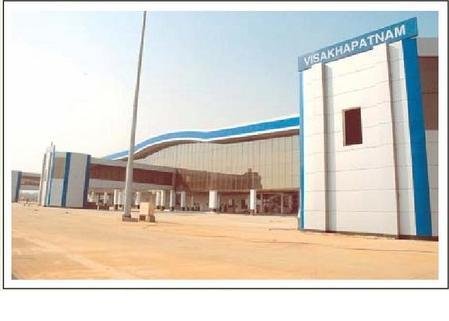
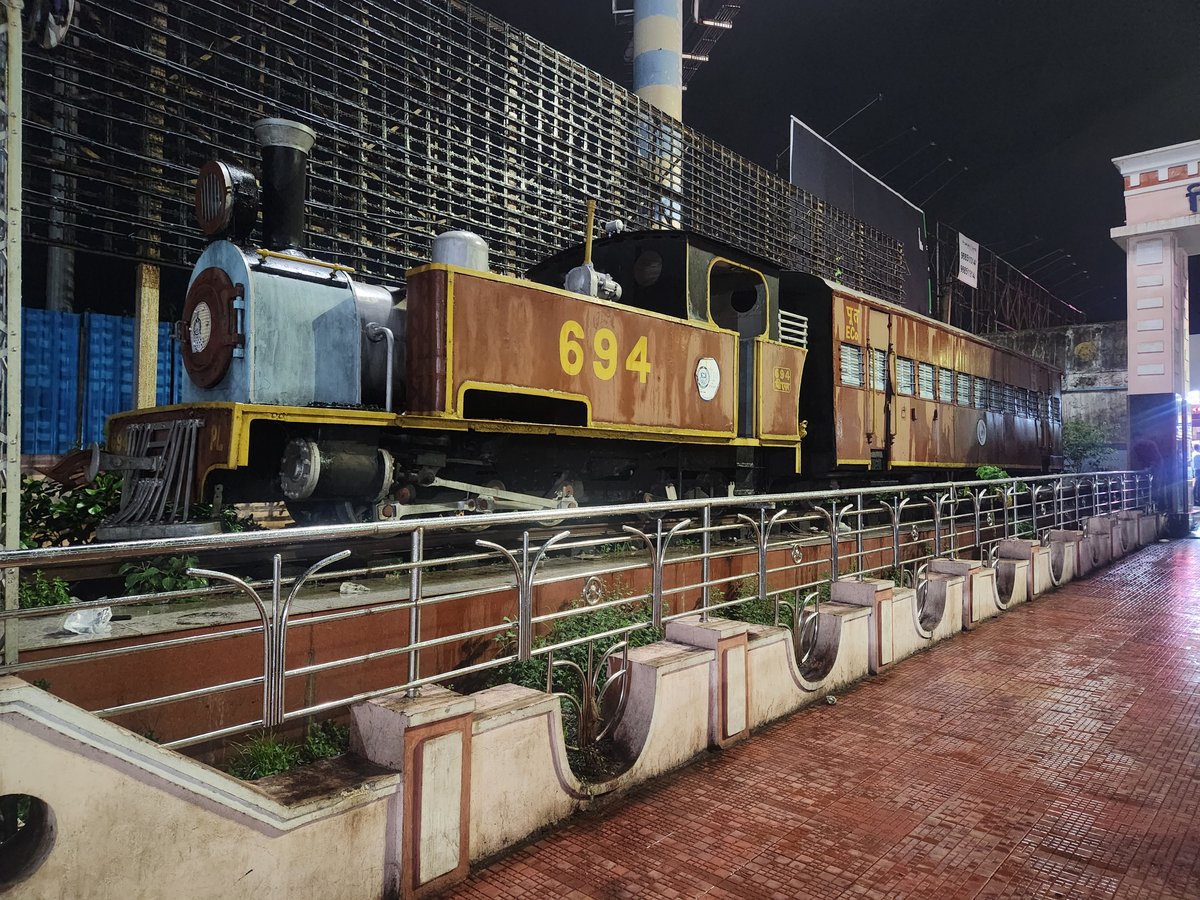
Visakhapatnam International Airport (VTZ) handles direct flights from Delhi, Mumbai, Bengaluru, Kolkata and Dubai. The city’s main rail hub is Visakhapatnam Junction (VSKP); overnight expresses connect Hyderabad in 11 h and Chennai in 13 h. NH16 (Golden Quadrilateral) passes the western edge; the beach road (NH66 spur) brings you straight into town.

Directions transit

Getting Around

No metro—use the APSRTC city bus grid (₹10–₹35) or app-based autos (Ola, Uber). A one-day tourist hop-on bus ticket costs ₹250 and loops RK Beach-Kailasagiri-Rushikonda every 45 minutes. Rental scooters start at ₹400/day near the railway station.

Thermostat

Climate & Best Time

Winter (Dec–Feb) is 15–28 °C and dry—peak season. Summer (Mar–May) climbs to 24–36 °C with 80 % humidity; sea breeze helps but afternoons are brutal. Monsoon (Jun–Sep) brings 250 mm monthly rainfall and rough swells; surfers like September. Visit October–February for clear skies and calm seas.

Translate

Language & Currency

Telugu dominates; Hindi works in hotels, English in naval circles. ATMs are everywhere, but small beach shacks prefer cash—keep ₹100 notes. UPI payments (PhonePe, Paytm) are accepted even at coconut stalls.

Take Visakhapatnam with you

47 minutes of Visakhapatnam,
downloaded once.

5 places, one continuous walking route. Free with your first city.

Get this guide on the app Open in browser

All Places to Visit.

5 places to discover

Ramakrishna Mission Beach
Place

Ramakrishna Mission Beach

Simhachalam Temple
Place

Simhachalam Temple

Place

Thotlakonda

Place

Bavikonda

Visakha Container Terminal
Place

Visakha Container Terminal