
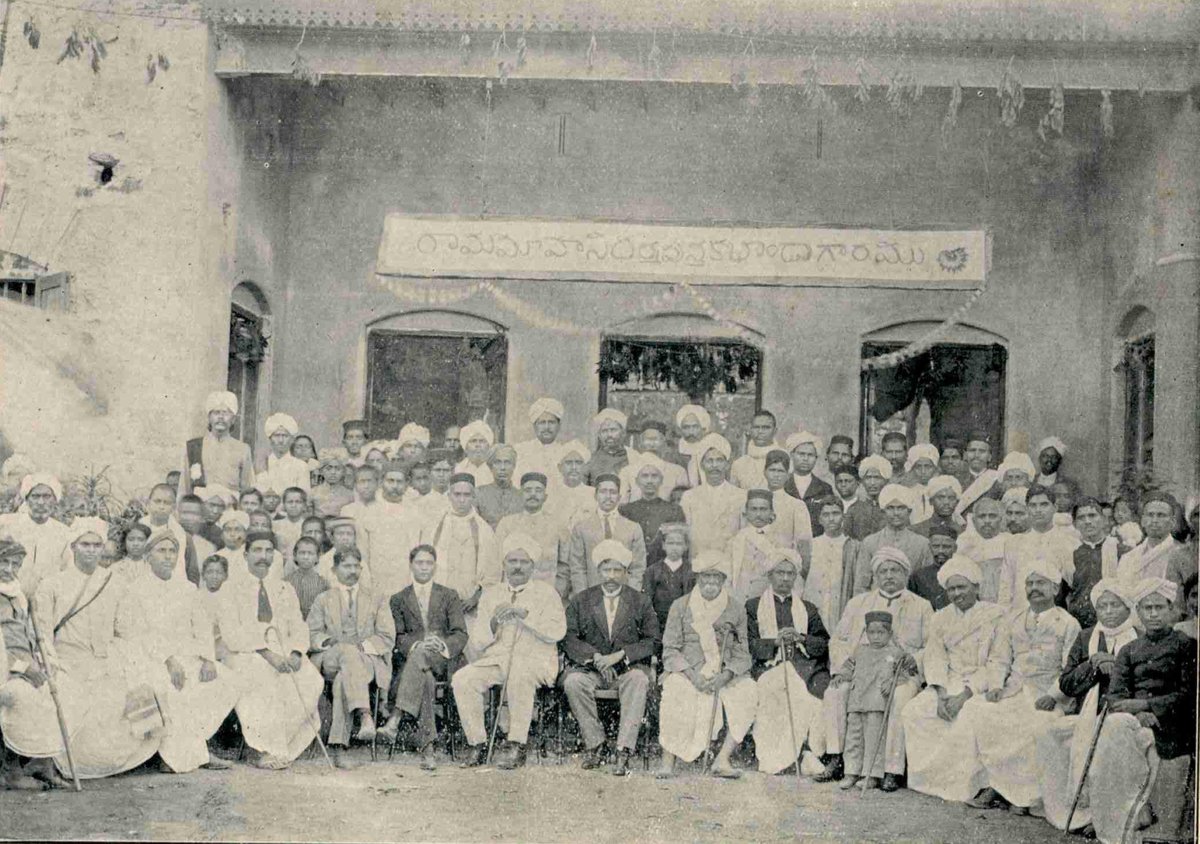
Early Foundations (1903–1916)
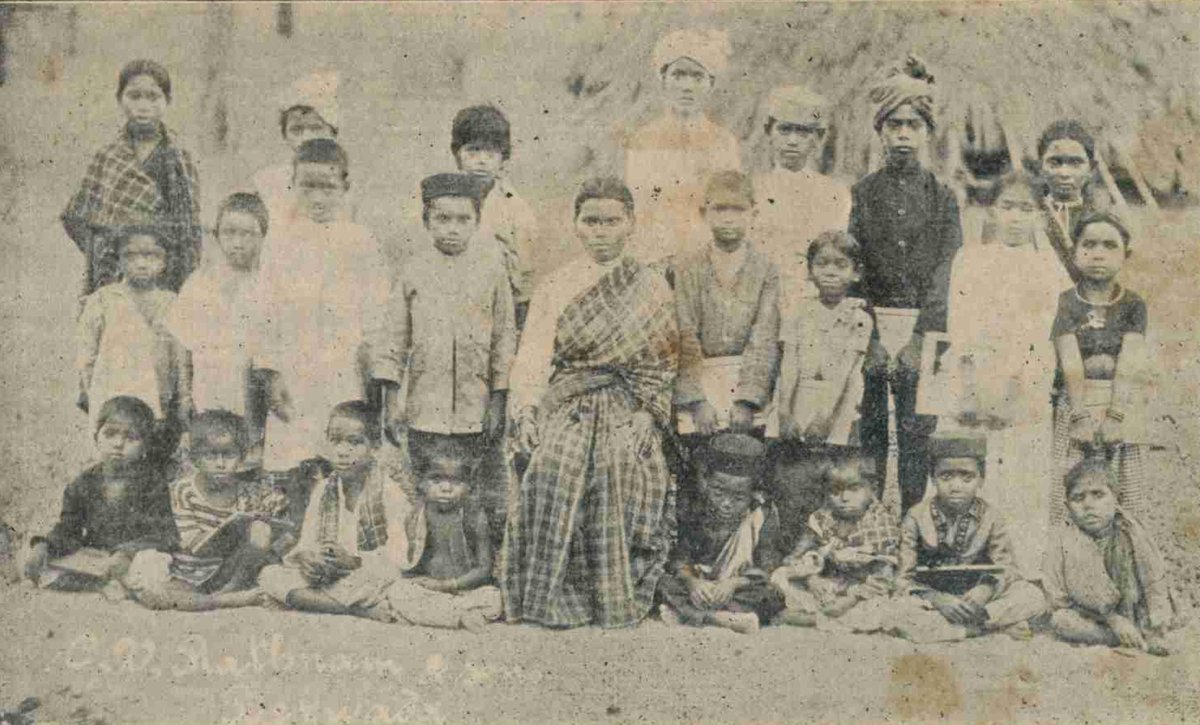
The Ram Mohan Library’s origins date to 1903, rooted in the early public library movement in India. It began as Asthika Pusthaka Bhandagaram (Theistic Library) at Satyanarayana Puram, with an initial collection of 200 books donated by Brahma Samaja Pracharak I. Subbakrishnaiah, Babu Hemachandra Sarkar of Kolkata, and a London university. The library soon moved to Besant Road and then to Buckingham Pet, eventually being renamed in honor of Raja Ram Mohan Roy, reflecting its commitment to social reform and intellectual progress (source).
Padma Shri awardee Ayyanki Venkata Ramaiah, a key figure in the Indian public library movement, became its first secretary, guiding its early growth and community engagement.
Growth and Construction
Community support was instrumental in the library’s development. In 1912, Dr. Bhogaraju Pattabhi Sitaramayya presided over its anniversary, highlighting its significance. Land was acquired through local donations from prominent citizens, such as Munagala Rajanayini Venkata Rao and Ayyadevara Kaleswara Rao. The library’s permanent home was inaugurated in 1916, blending colonial and South Indian architectural elements (The Hindu).
Role in the Indian Freedom Movement
The library became a focal point for the freedom struggle. Its halls hosted meetings attended by Mahatma Gandhi in 1919, 1921, and 1929, cementing its place in the region’s nationalist history. It was a gathering place for freedom fighters and reformers advocating for women’s rights and social change (Deccan Chronicle).
Literary and Cultural Milestones
The library also fostered Andhra Pradesh’s literary heritage, hosting the first ‘Andhra Desa Library Congress’ and the ‘All India Conference of Library Organisers’ in 1914, events presided over by poet laureate Chilakamarti Lakshmi Narasimha Pantulu. It continues to inspire generations of writers and scholars (The Hans India).
Visiting Ram Mohan Library: Hours, Tickets, and Accessibility
Visiting Hours & Entry
- Hours Monday to Saturday, 9:00 AM – 6:00 PM
- Closed Sundays and public holidays
- Entry Fee Free for all visitors
- Membership Fees
- General Public: ₹50/year
- Students/Senior Citizens: ₹20/year
- Children (below 12): Free
- Membership is needed for borrowing privileges and access to some archives. Cards can be purchased at the reception.
Accessibility
The library is committed to inclusivity, offering wheelchair access at the entrance and accessible reading halls and restrooms. Staff assistance is available for those with disabilities (New Indian Express).
How to Reach
- By Road Located near MG Road; accessible by auto-rickshaws and taxis.
- By Bus 2 km from Vijayawada Bus Station; local buses and shared autos available.
- By Train 4 km from Vijayawada Railway Station; taxis and buses operate frequently.
- Address 27-37-144 Bandar Road, MG Road, Krishnalanka, Vijayawada, Andhra Pradesh 520002 (Tripcrafters).
Nearby Attractions
Combine your visit with nearby sites:
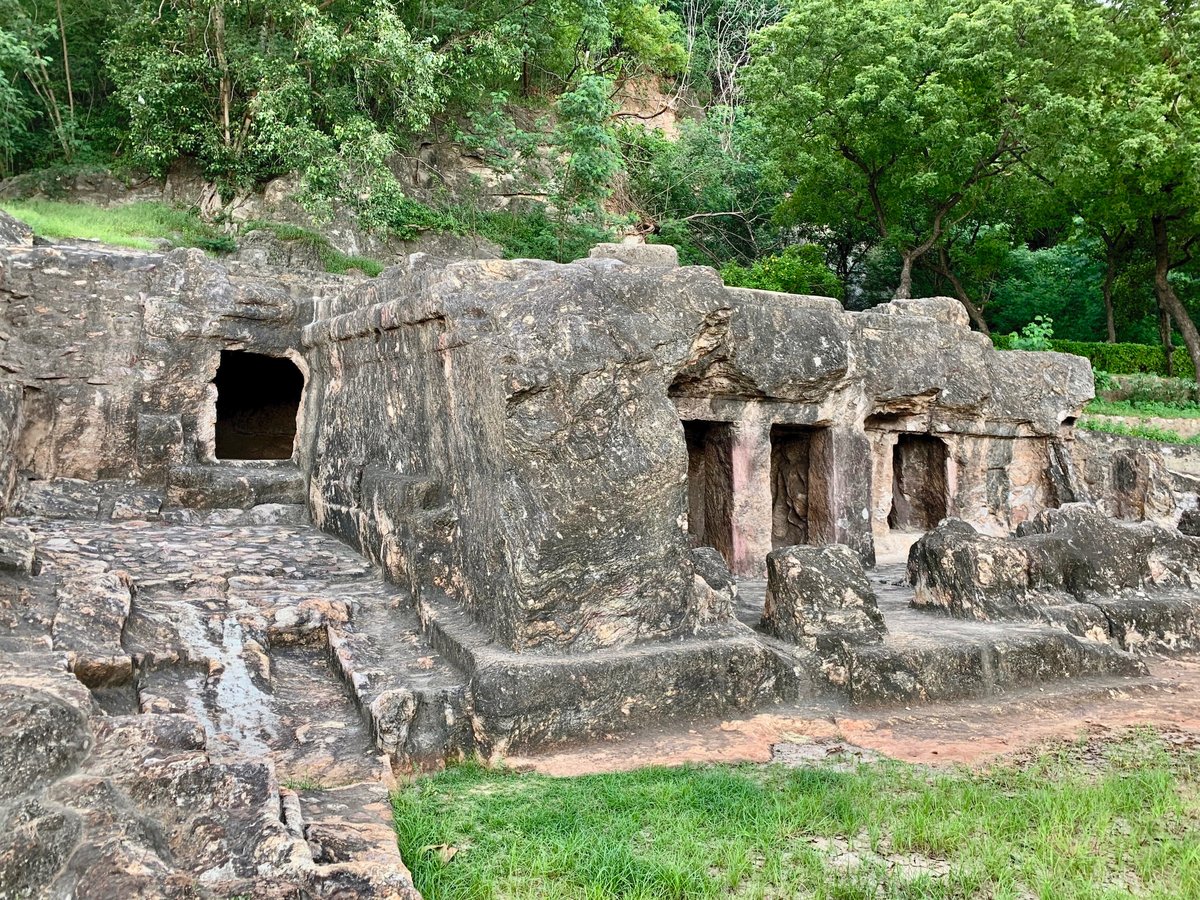
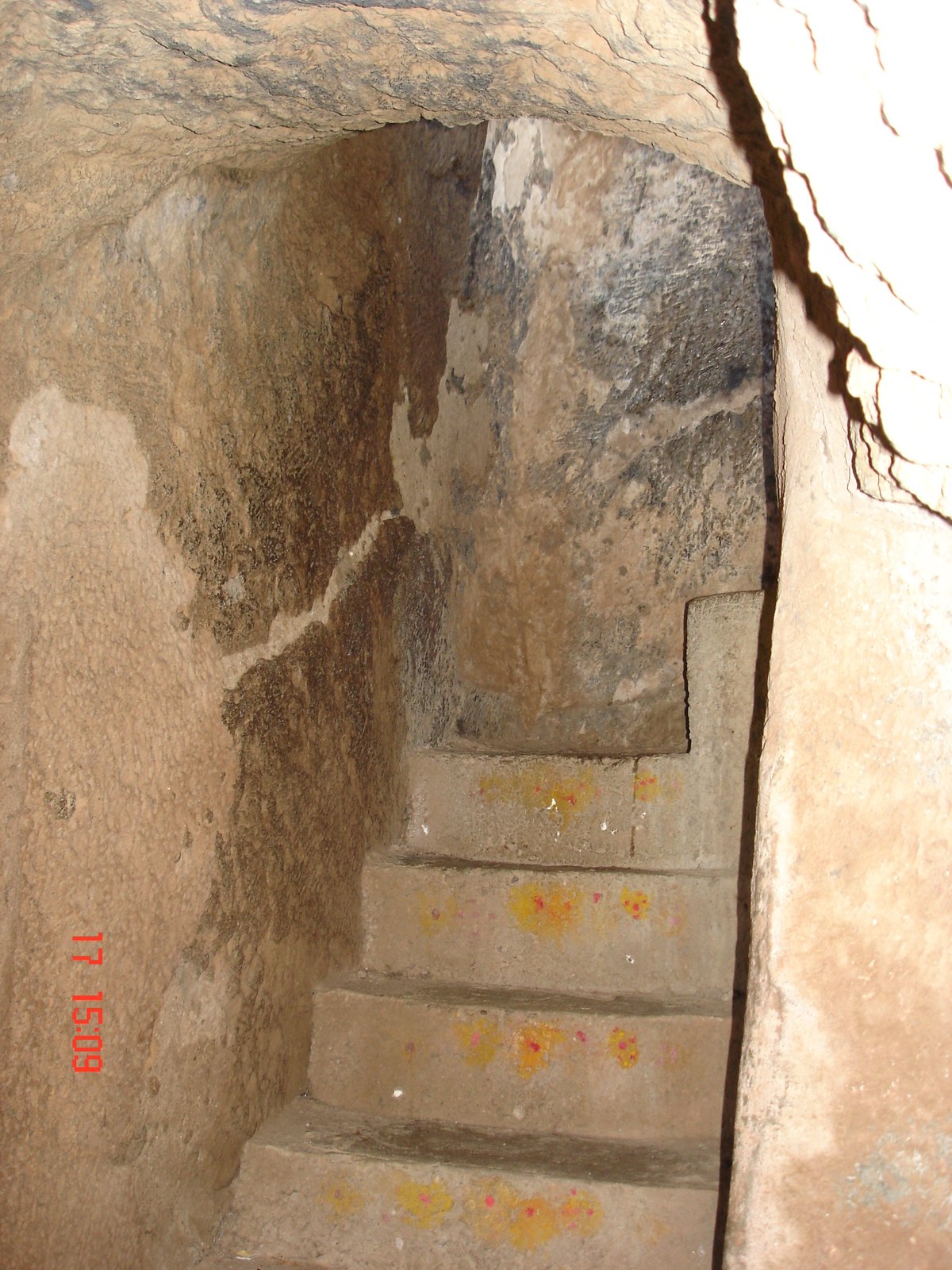
- Undavalli Caves Ancient Buddhist rock-cut caves
- Bhavani Island Leisure spot on Krishna River
- Prakasam Barrage Iconic dam and picnic area
- Kanaka Durga Temple Renowned hilltop temple (Yometro)
Ambience, Facilities & Collections
The library’s two-storied, colonial-era building retains its historic charm, offering quiet reading spaces illuminated by natural light. Facilities include:
- Designated reading areas and collaborative spaces
- Children’s section with interactive displays
- Computer terminals with internet access
- Restrooms and drinking water
- Limited parking; public transport is recommended (ThreeBestRated)
Collection Highlights:
- 20,000+ books in Telugu, English, Hindi, Sanskrit
- Rare manuscripts and pre-independence documents
- Newspapers, journals, and magazines
- Digital resources: e-books and online journals (Times of India)
Cultural and Social Significance
- Intellectual Center Fosters education, research, and public discourse
- Social Reform Historically, a base for freedom fighters and progressive thinkers
- Literary Hub Hosts festivals, readings, and awards for regional literature
- Community Engagement Offers literacy drives, workshops, and outreach for disadvantaged groups
- Secular and Pluralistic Venue for interfaith and cultural events promoting harmony
- Preservation of Heritage Maintains archives and conducts heritage walks
- Generational Impact Influenced generations of writers, scholars, and citizens
Special Events & Guided Tours
- Annual Literary Festivals Engage with local and national writers
- Heritage Walks Explore the library’s architecture and collections with expert guides
- Educational Workshops On literacy, social justice, and digital skills
- Photography Permitted in select areas; please seek staff permission
Virtual tours and high-quality images are available through the official tourism website.
Tips for a Memorable Visit
- Visit during morning/late afternoon to avoid heat
- Allocate ample time to explore archives and rare books
- Interact with librarians for research support
- Maintain silence and respect library guidelines
- Combine with visits to nearby sites for a full cultural experience
Safety, Amenities, and COVID-19 Protocols
- Security and CCTV on site
- COVID-19 measures: Masks, sanitization, and social distancing
- Accessible amenities: ramps, handrails, and materials for differently-abled visitors
Frequently Asked Questions (FAQ)
Q: What are the Ram Mohan Library’s visiting hours?
A: Monday to Saturday, 9:00 AM – 6:00 PM; closed Sundays and public holidays.
Q: Is there an entry fee or ticket required?
A: Entry is free. Membership is required to borrow books.
Q: Are guided tours available?
A: Yes, during festivals or on request; book in advance via the official website.
Q: Is the library accessible for differently-abled visitors?
A: The ground floor is fully accessible; some upper floors may have limited access.
Q: Can I take photographs inside the library?
A: Permitted in designated areas with staff approval.
Visuals
Related Articles
- Top Historical Sites to Visit in Vijayawada
- Kanaka Durga Temple: A Spiritual Journey
- Undavalli Caves: Ancient Rock-cut Architecture