Plan and listen to Akkanna Madanna Caves with Audiala.
Audio guide in your pocket, itinerary in your browser. Built for the way you actually visit.
Introduction
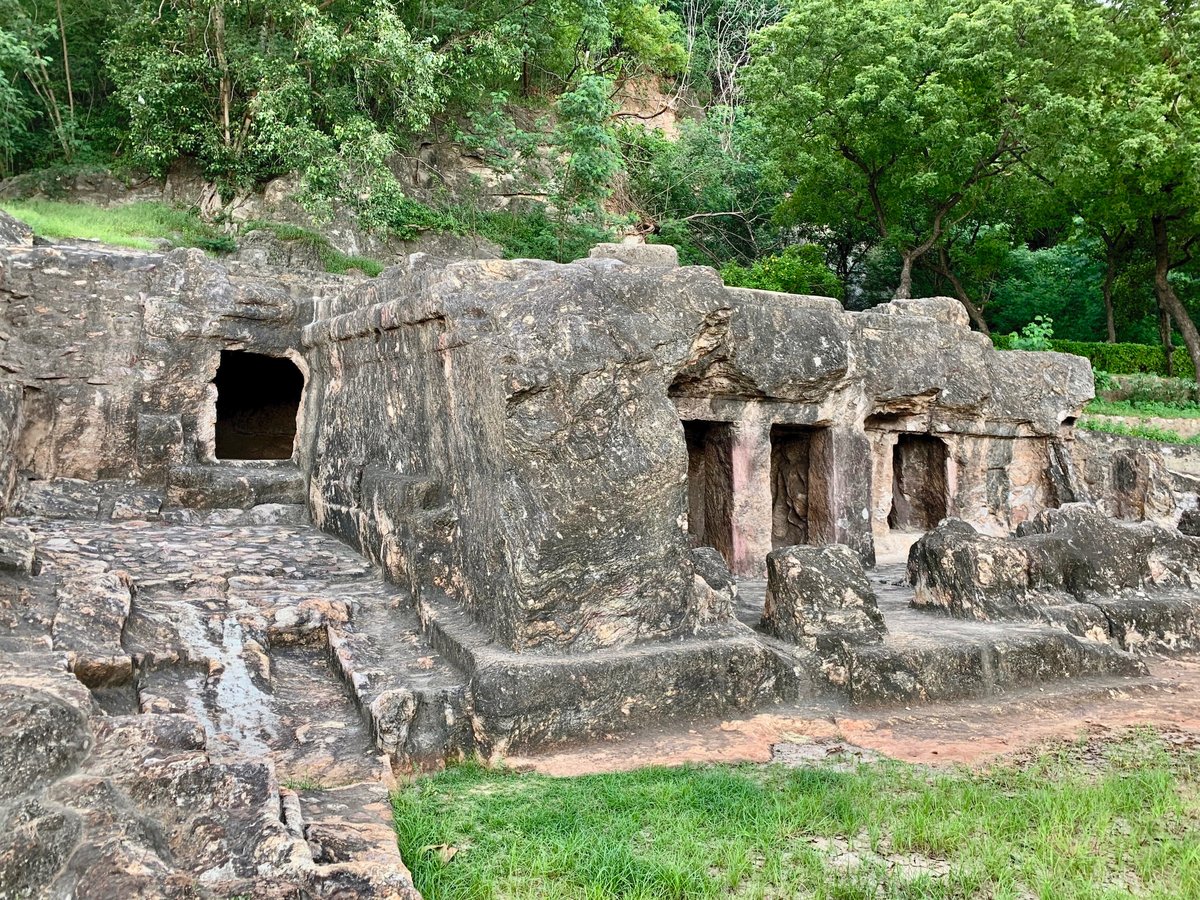
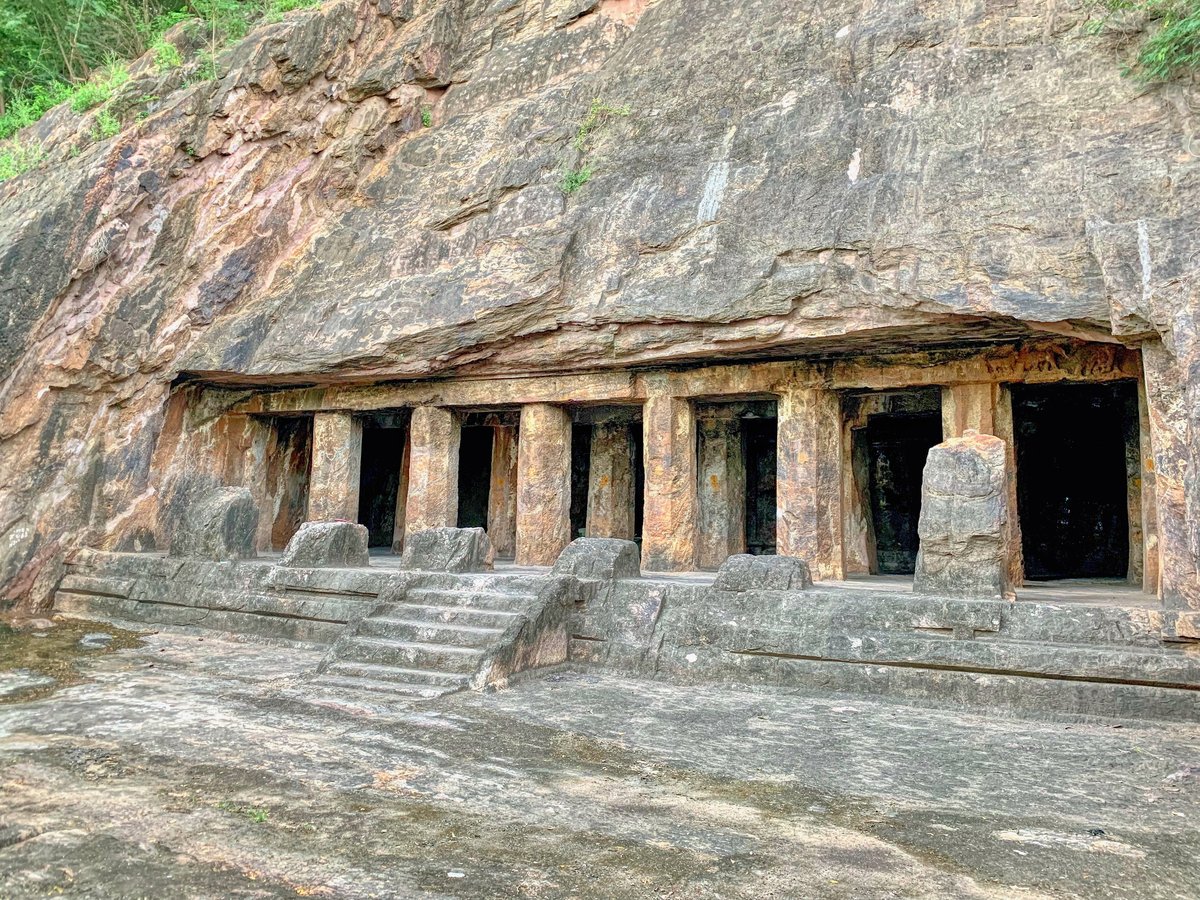
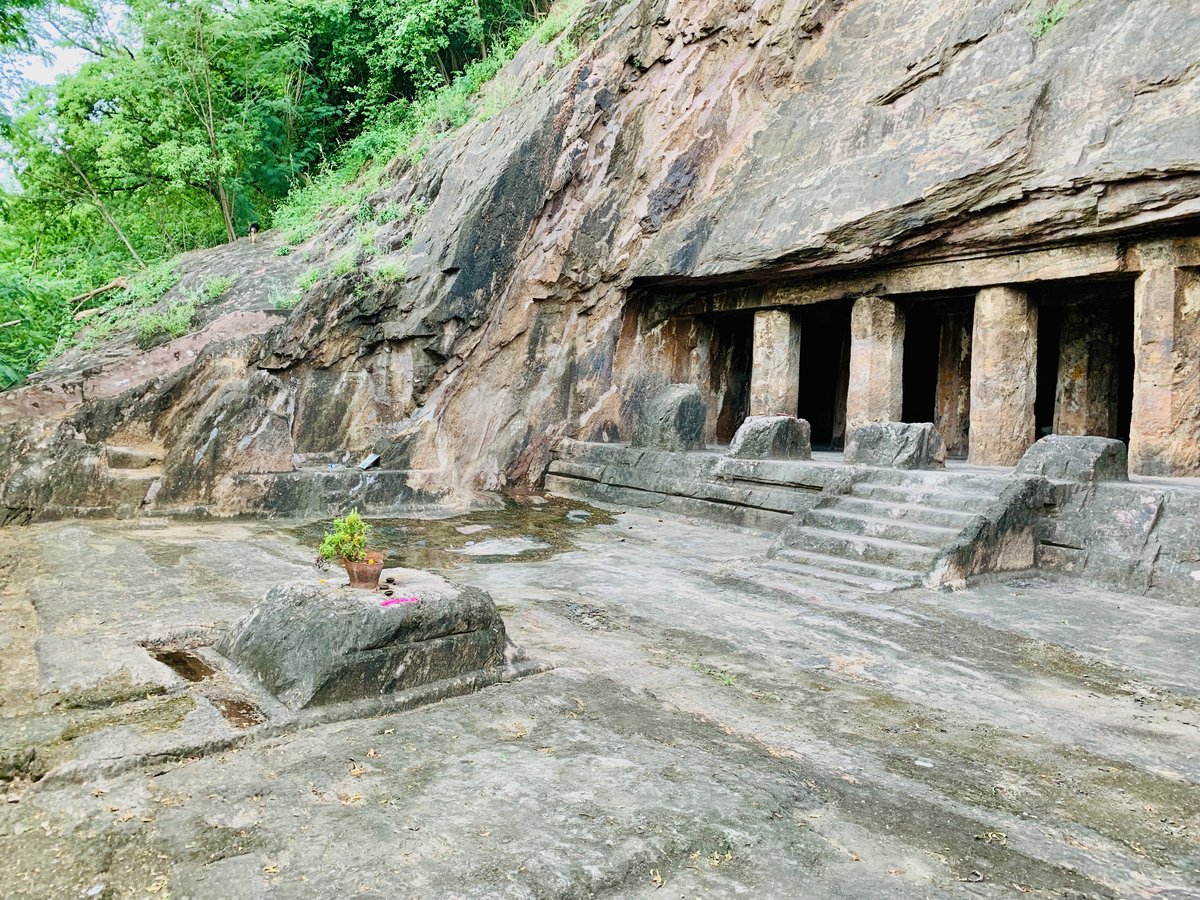
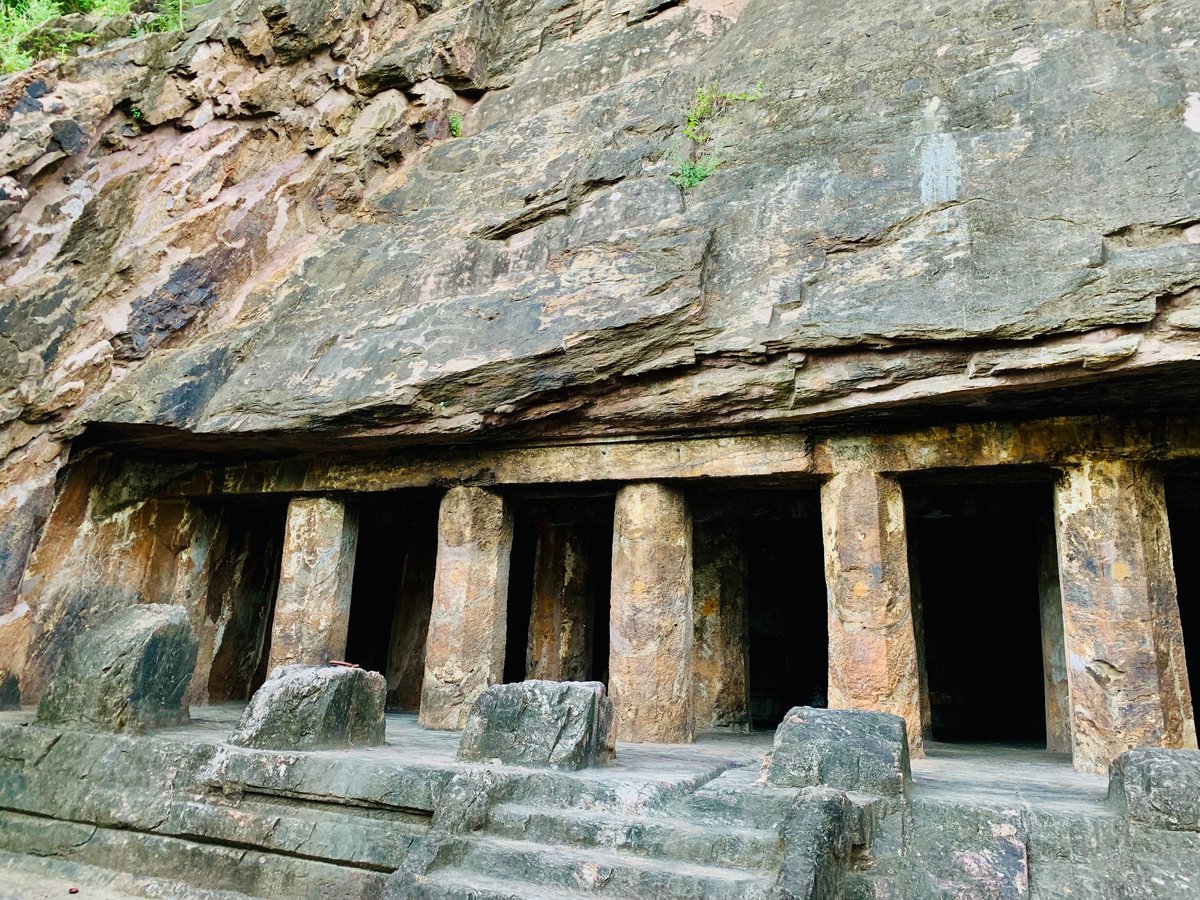
Nestled in the historic town of Amaravathi, India, the Akkanna Madanna Caves stand as a remarkable testament to the region's rich cultural and architectural heritage. These ancient rock-cut chambers, believed to date back to the 7th century AD, were constructed under the patronage of the Eastern Chalukya dynasty. Named after Akkanna and Madanna, prominent ministers in the Qutb Shahi dynasty of Golconda, the caves reflect the artistic and cultural influences of the time, showcasing intricate carvings, sculptures, and frescoes (source).
The caves are not just an architectural marvel but also hold immense religious significance, particularly for followers of Hinduism. They serve as a center for religious and spiritual activities, with the main chamber housing a shrine dedicated to Lord Shiva. The serene and secluded environment has historically provided an ideal setting for meditation and spiritual practices. In recent years, preservation efforts by the Archaeological Survey of India (ASI) have helped protect and conserve this historical site, making it a popular destination for history enthusiasts, art lovers, and spiritual seekers alike (source).
This comprehensive guide aims to provide visitors with all the necessary information for a memorable visit, including historical context, architectural features, religious significance, visiting hours, ticket details, and practical tips for exploring the Akkanna Madanna Caves.

Origins and Construction
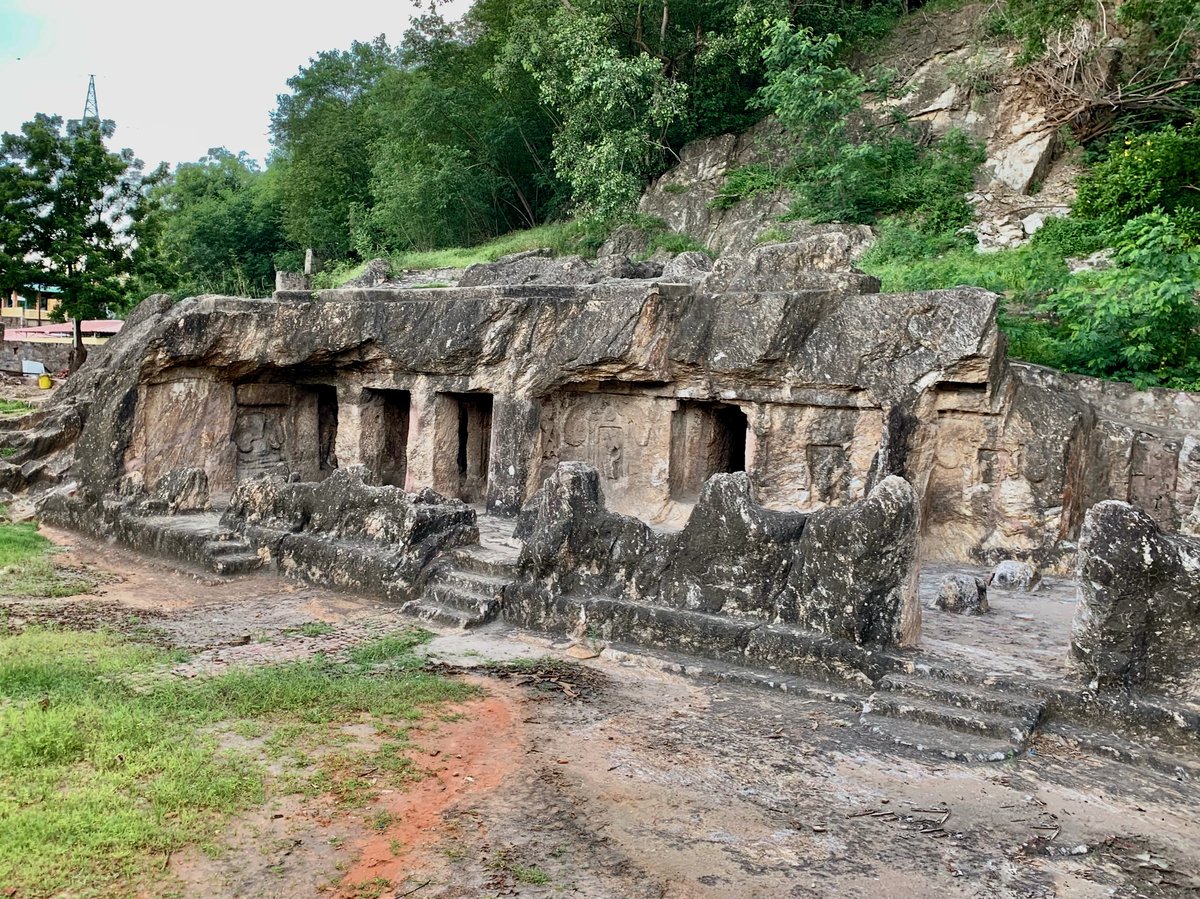
The Akkanna Madanna Caves date back to the 7th century AD and are attributed to the Eastern Chalukya dynasty, which ruled parts of South India during this period. The caves are named after Akkanna and Madanna, two prominent ministers in the court of the Qutb Shahi dynasty of Golconda, known for their contributions to the region's development.
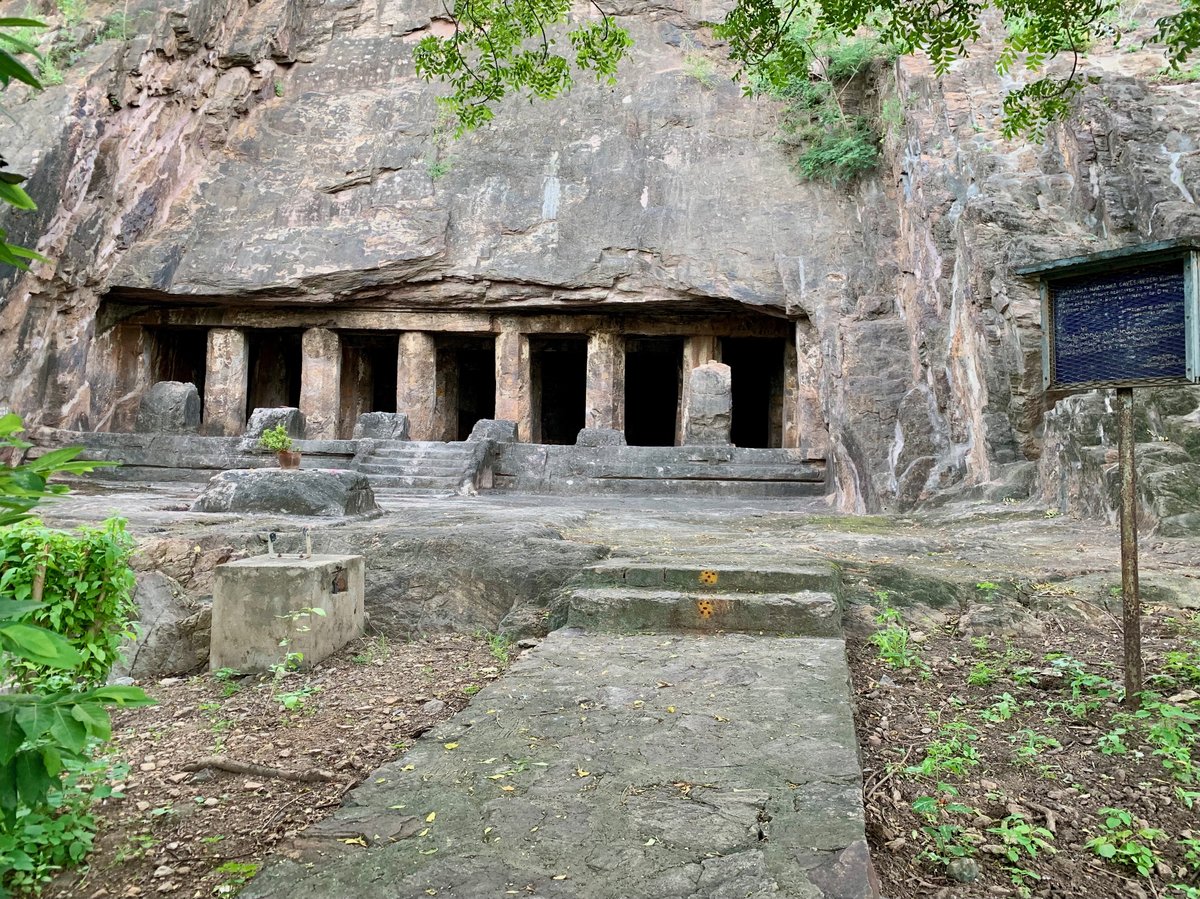
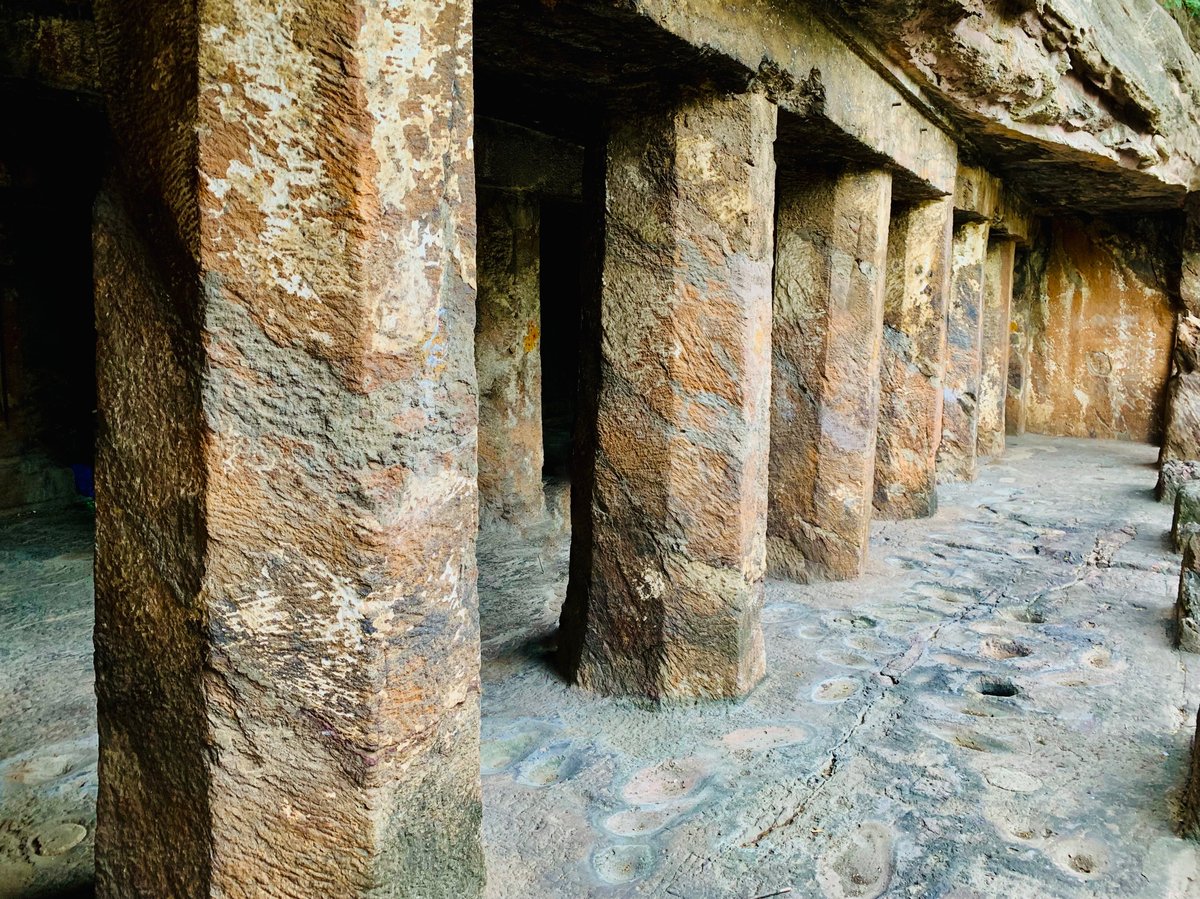
The construction of the caves is believed to have been initiated under the patronage of the Eastern Chalukya rulers, who were known for their support of art and architecture. The caves were carved out of solid rock, a common practice in ancient Indian architecture, which required immense skill and labor. The artisans used simple tools like chisels and hammers to create intricate carvings and sculptures that adorn the cave walls.
Architectural Features
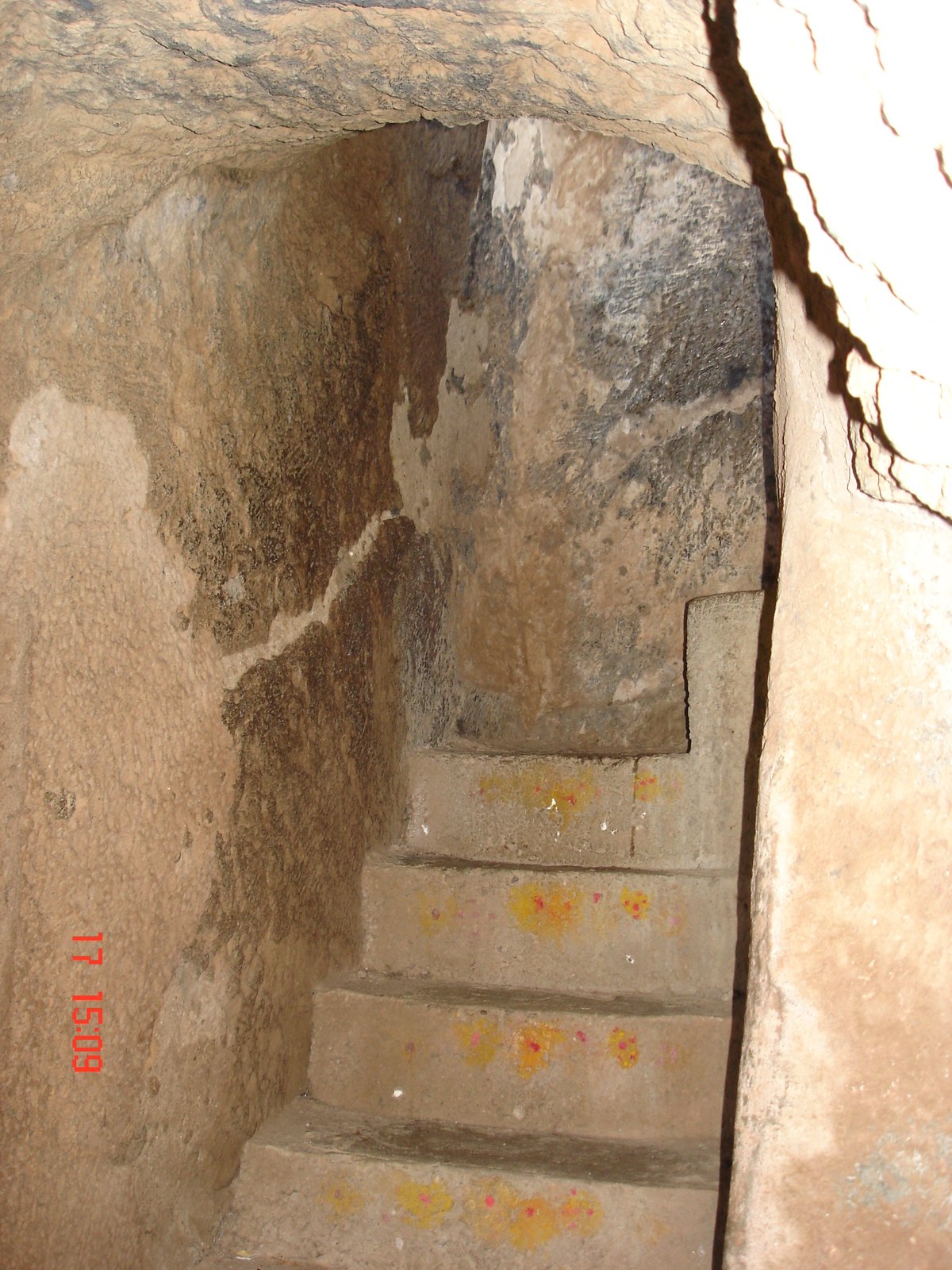
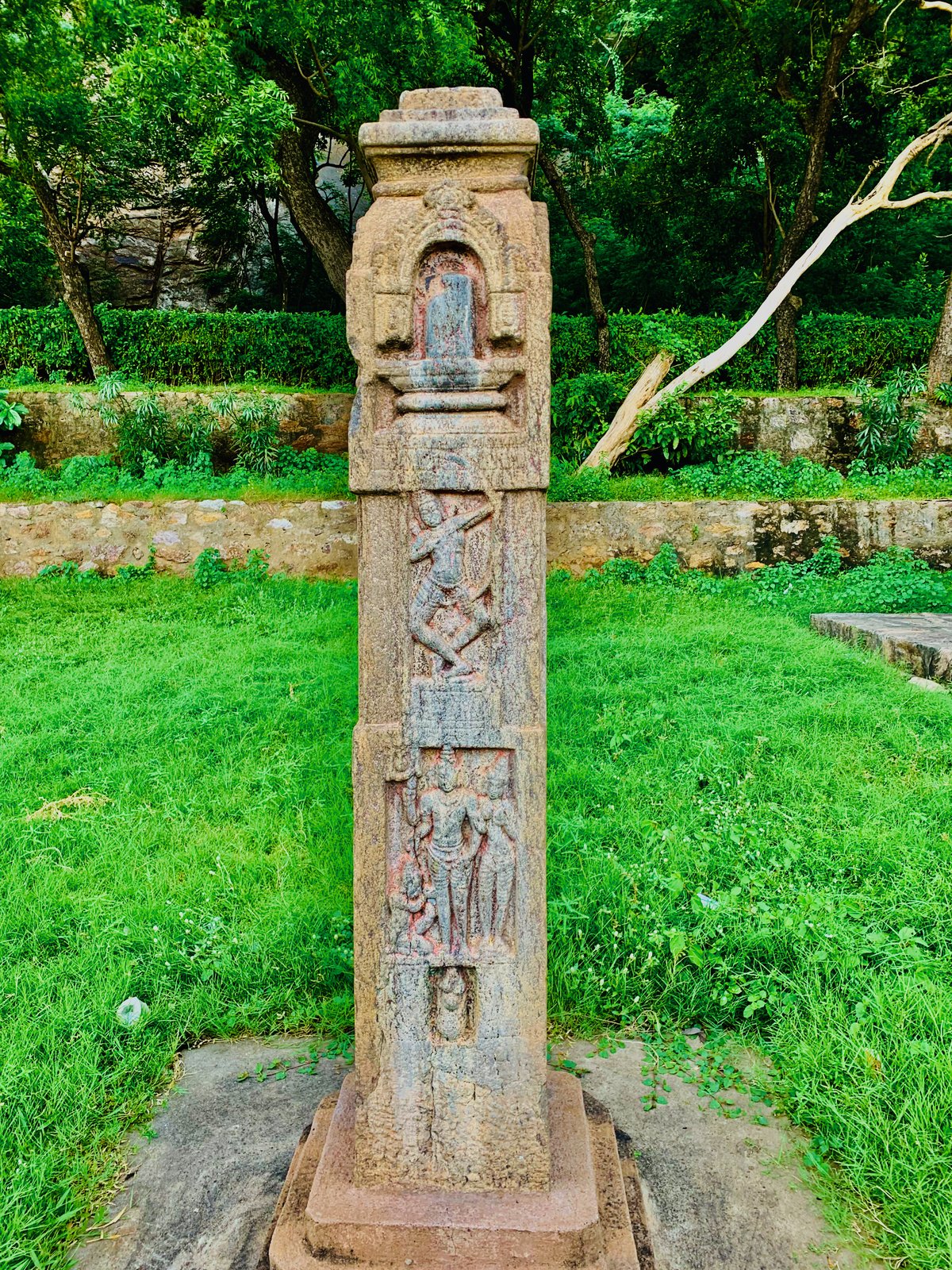
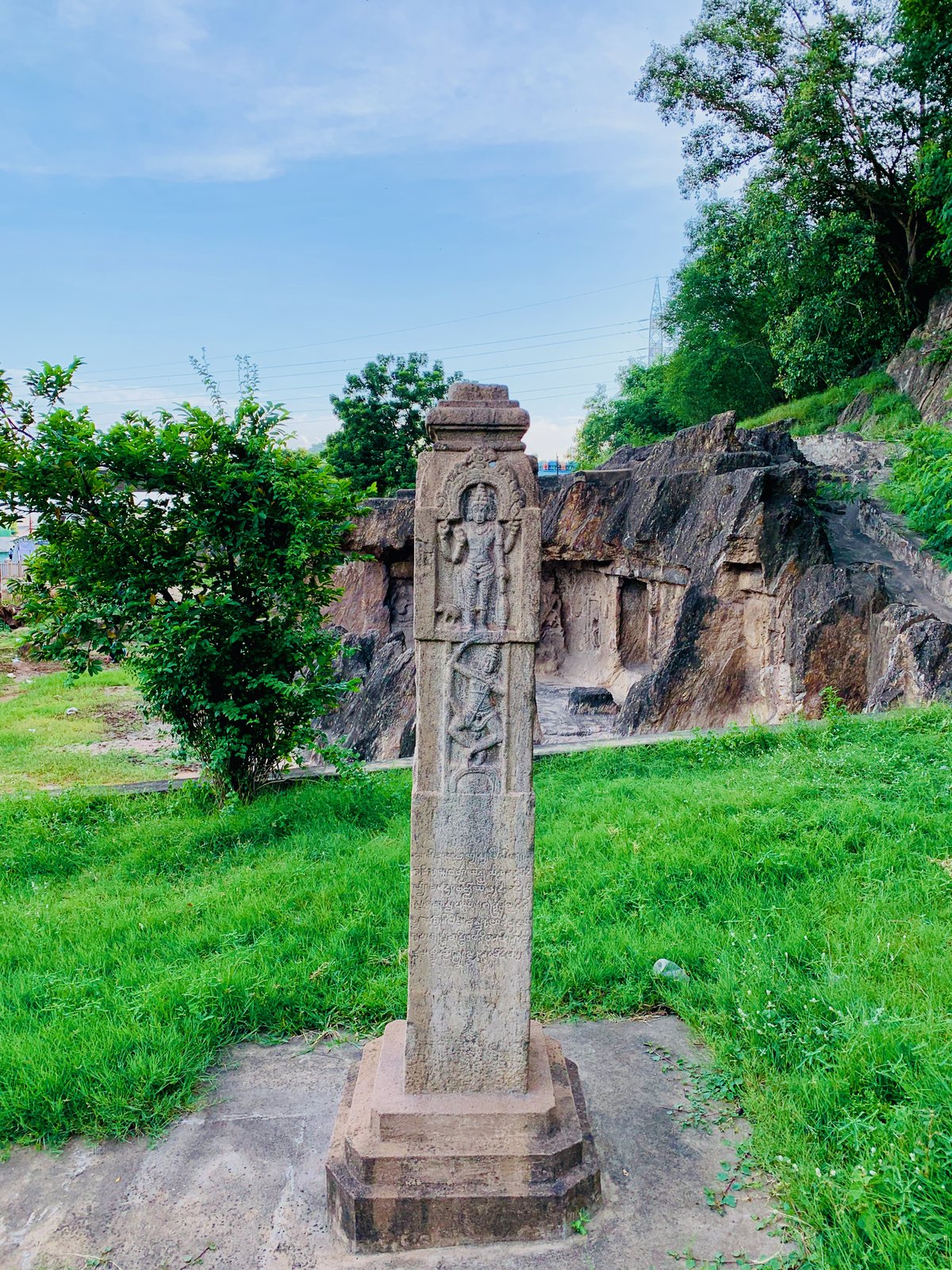
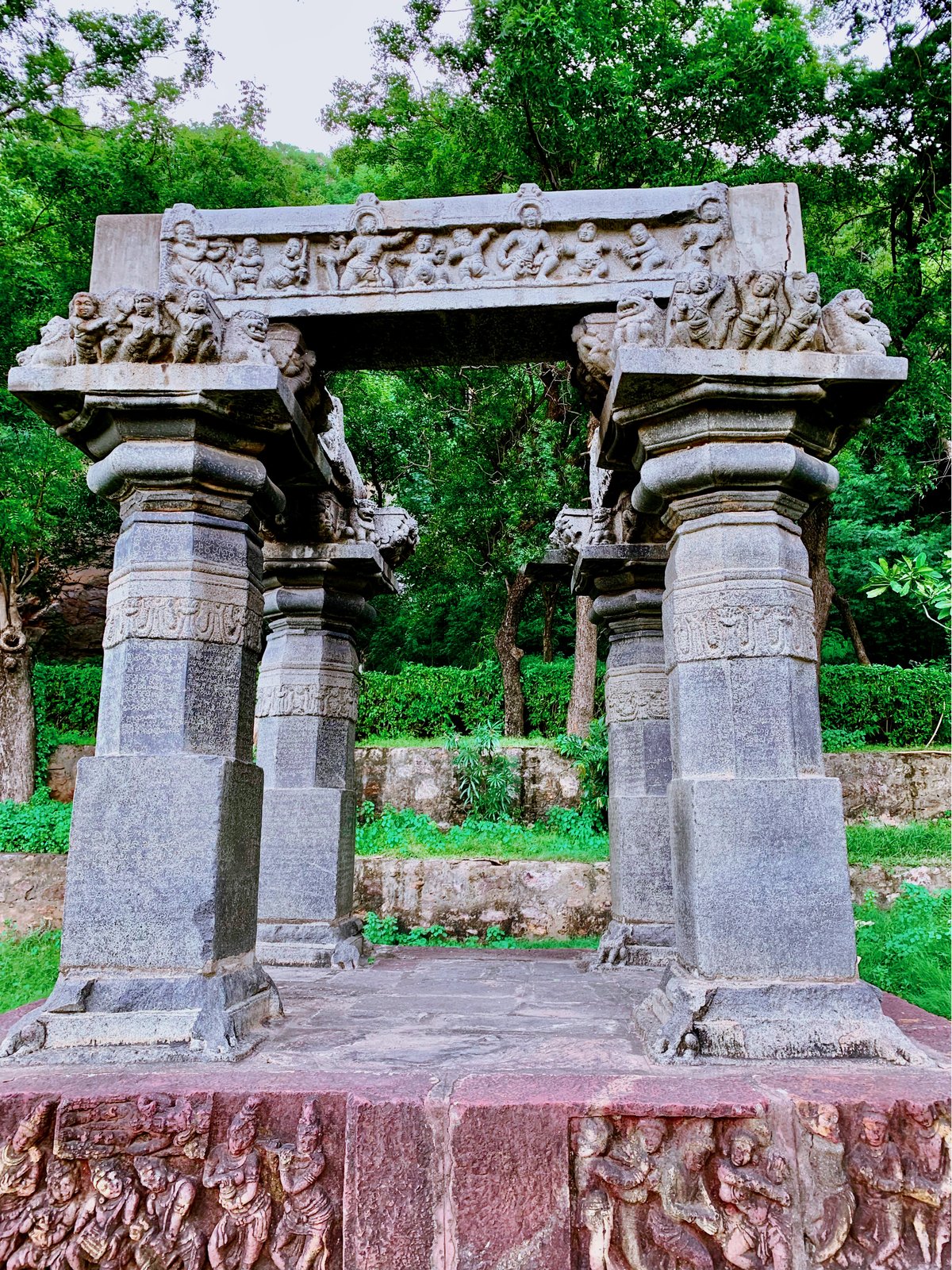
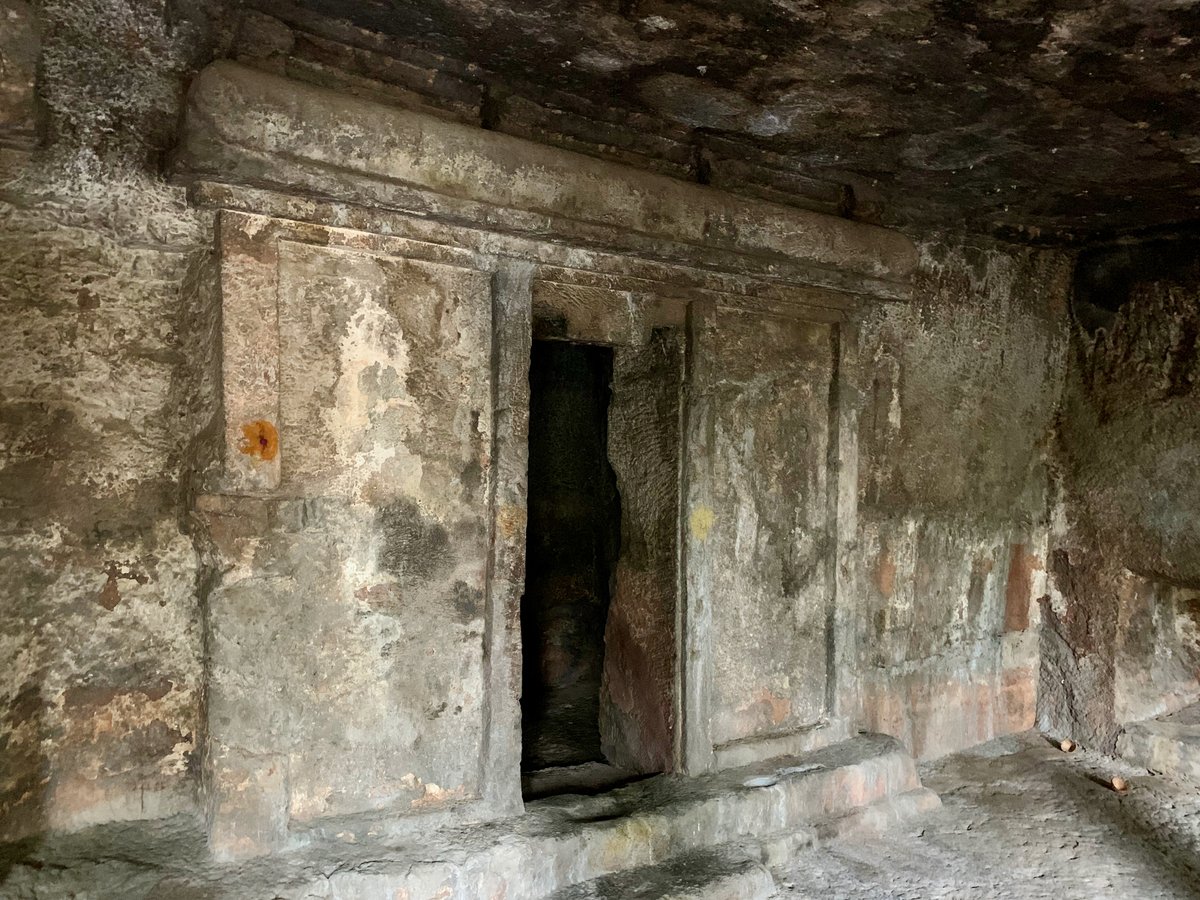
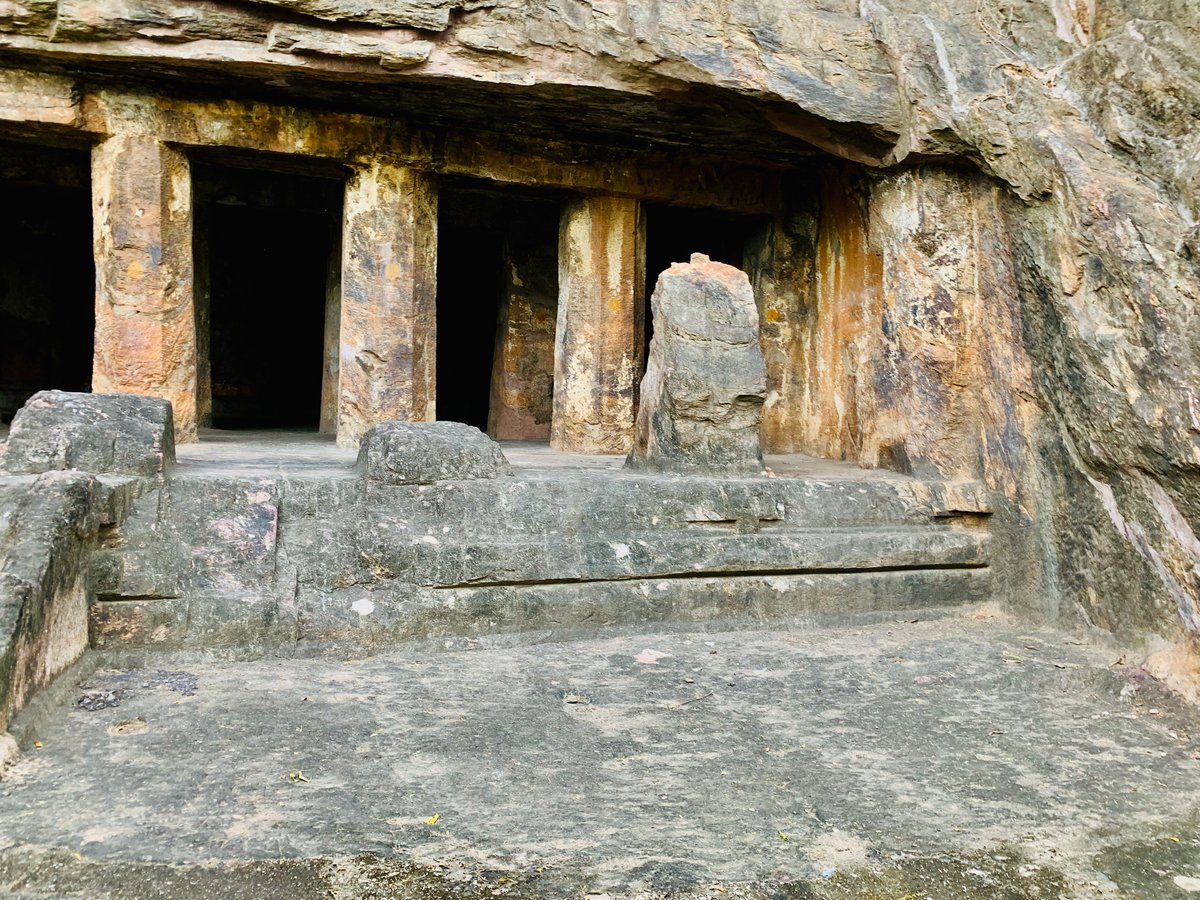
The Akkanna Madanna Caves are renowned for their unique architectural features, which reflect the artistic and cultural influences of the time. The caves consist of a series of rock-cut chambers, each serving a different purpose. The main chamber, often referred to as the sanctum sanctorum, houses a shrine dedicated to Lord Shiva, one of the principal deities in Hinduism.
The entrance to the main chamber is adorned with elaborate carvings depicting various Hindu deities and mythological scenes. These carvings are a testament to the high level of craftsmanship achieved by the artisans of the Eastern Chalukya period. The walls and ceilings of the caves are also decorated with intricate frescoes and murals, which have unfortunately deteriorated over time but still offer a glimpse into the rich artistic heritage of the era.
Religious Significance
The Akkanna Madanna Caves hold immense religious significance, particularly for followers of Hinduism. The main shrine dedicated to Lord Shiva is a focal point for devotees who visit the caves to offer prayers and seek blessings. The presence of other deities, such as Vishnu and Brahma, in the carvings and sculptures indicates the caves' role as a center for religious and spiritual activities.
The caves also served as a place for meditation and retreat for ascetics and monks. The serene and secluded environment provided an ideal setting for spiritual practices and contemplation. The architectural design of the caves, with their well-ventilated chambers and natural light, further enhanced the spiritual ambiance.
Historical Events and Patronage
Throughout history, the Akkanna Madanna Caves have witnessed various historical events and changes in patronage. During the reign of the Qutb Shahi dynasty in the 16th and 17th centuries, the caves received significant attention and patronage from Akkanna and Madanna, the ministers after whom the caves are named. Their contributions included the restoration and maintenance of the caves, as well as the addition of new sculptures and carvings.
The caves also played a role during the colonial period when British archaeologists and historians began to document and study India's ancient heritage. The Akkanna Madanna Caves were among the many historical sites that attracted the attention of scholars and researchers, leading to increased awareness and preservation efforts.
Preservation and Conservation
In recent years, efforts have been made to preserve and conserve the Akkanna Madanna Caves to protect them from further deterioration. The Archaeological Survey of India (ASI) has undertaken various initiatives to restore the caves' structural integrity and safeguard the intricate carvings and frescoes. These efforts include cleaning and stabilizing the rock surfaces, repairing damaged sections, and implementing measures to prevent water seepage and erosion.
The caves are now a protected monument under the ASI, and steps have been taken to promote responsible tourism and educate visitors about the historical and cultural significance of the site. Information boards and guided tours provide valuable insights into the history and architecture of the caves, enhancing the visitor experience.
Visiting Hours and Tickets
The Akkanna Madanna Caves are open to visitors from 9:00 AM to 5:00 PM every day. Tickets can be purchased at the entrance, with prices set at INR 20 for Indian citizens and INR 200 for foreign tourists. Discounts are available for students and senior citizens upon presenting valid identification.
Accessibility and Visitor Information
The Akkanna Madanna Caves are located in the town of Amaravathi, which is well-connected by road and rail. The nearest major city is Vijayawada, approximately 35 kilometers away, which has an airport and railway station with regular connections to major cities in India.
Visitors to the caves are advised to wear comfortable clothing and footwear, as the site involves some walking and climbing. It is also recommended to carry water and snacks, as there are limited facilities available at the site. The best time to visit the caves is during the cooler months from October to March, when the weather is pleasant and conducive to exploring the site.
Nearby Attractions
While in Amaravathi, visitors can explore other historical sites such as the Amaravathi Mahachaitya, an ancient Buddhist stupa, and the Amaralingeswara Temple, which is dedicated to Lord Shiva. These attractions provide a deeper understanding of the region's diverse cultural and religious heritage.
Special Events and Guided Tours
The annual Maha Shivaratri festival, dedicated to Lord Shiva, sees a significant influx of devotees who visit the caves to participate in religious ceremonies and rituals. Guided tours are available, offering detailed explanations of the caves' history, architectural features, and religious significance. Photography spots are marked for visitors to capture the beauty of the site.
FAQs
What are the visiting hours for Akkanna Madanna Caves? The caves are open from 9:00 AM to 5:00 PM every day.
How can I purchase tickets for Akkanna Madanna Caves? Tickets can be purchased at the entrance. Prices are INR 20 for Indian citizens and INR 200 for foreign tourists.
What should I wear when visiting the caves? Comfortable clothing and footwear are recommended due to the walking and climbing involved.
Are there guided tours available? Yes, guided tours are available and provide detailed insights into the history and architecture of the caves.
Listen to the full story in the app
The whole Akkanna Madanna Caves,
told well.
Listen to sourced travel stories with local history and practical context — ready offline.
Verified, and shown.
Researched and written by the Audiala editorial team from historical records, architectural archives, and local expertise.
Built from cited sources · see the method · How we make our guides →