History and Evolution
CUTS was founded in response to the significant Tibetan refugee influx into India after the Chinese occupation of Tibet in 1959. It began as an extension of Sampurnananda Sanskrit University and gained autonomy in 1977, later being declared a deemed university in 1988. In 2009, it was formally inaugurated as the Central University of Tibetan Studies by the Dalai Lama himself (Wikipedia, Wikiwand). Today, it stands as a premier institution for Indo-Tibetan studies, serving scholars, spiritual seekers, and visitors interested in the preservation and promotion of Tibetan Buddhist knowledge and culture.
Campus Infrastructure and Facilities
Location and Ambience
The CIHTS campus is located in Sarnath, about 10 km from Varanasi city center and 25 km from Lal Bahadur Shastri International Airport. The lush, green campus is adjacent to many of Sarnath’s revered Buddhist sites, providing a peaceful and inspiring environment (cihts.ac.in, universitykart.com).
Academic and Cultural Facilities
- Shantarakshita Library Houses over 60,000 rare Tibetan, Sanskrit, and Pali manuscripts, as well as modern research resources (rigpawiki.org).
- Sowa Rigpa Medical College and Hospital Focuses on traditional Tibetan medicine and healing practices.
- Art Galleries and Exhibition Halls Display thangka paintings, sculptures, and cultural artifacts.
- Modern Classrooms, Seminar Halls, and Auditorium Equipped for national and international academic events (careers360.com).
- Hostels and Dining Comfortable residential accommodations and a cafeteria serving Tibetan and Indian cuisine.
Accessibility and Visitor Amenities
- Wheelchair ramps and paved walkways in main areas.
- Visitor restrooms in the administrative and library buildings.
- Campus maps and brochures available at the main reception.
Visiting Hours and Ticket Information
- Open Days Monday to Saturday
- Hours 9:00 AM – 5:00 PM
- Closed Sundays and public holidays
- Entry Fee Free for general campus and library access. Special exhibitions or events may have a fee or require registration.
- Guided Tours Available for groups or educational institutions upon prior request; contact visitor services or the administration (cihts.ac.in).
Accessibility and Visitor Tips
- Getting There Easily reached by taxi, auto-rickshaw, or bus from Varanasi city, the railway station, or airport.
- Dress Code Modest attire is recommended, especially for cultural and religious spaces.
- Photography Allowed in most outdoor areas; seek permission before taking photos indoors or at ceremonies.
- Special Needs Contact the administration in advance for mobility assistance or other accommodations.
- Best Time to Visit October to March for pleasant weather and cultural festivals.
Special Events and Cultural Experiences
CUTS regularly hosts academic conferences, public lectures, and vibrant cultural festivals such as Losar (Tibetan New Year) and Buddha Purnima. These events offer visitors a chance to witness traditional music, dance, and rituals—deepening cultural understanding and providing immersive experiences (tibet.net).
Nearby Attractions in Sarnath and Varanasi
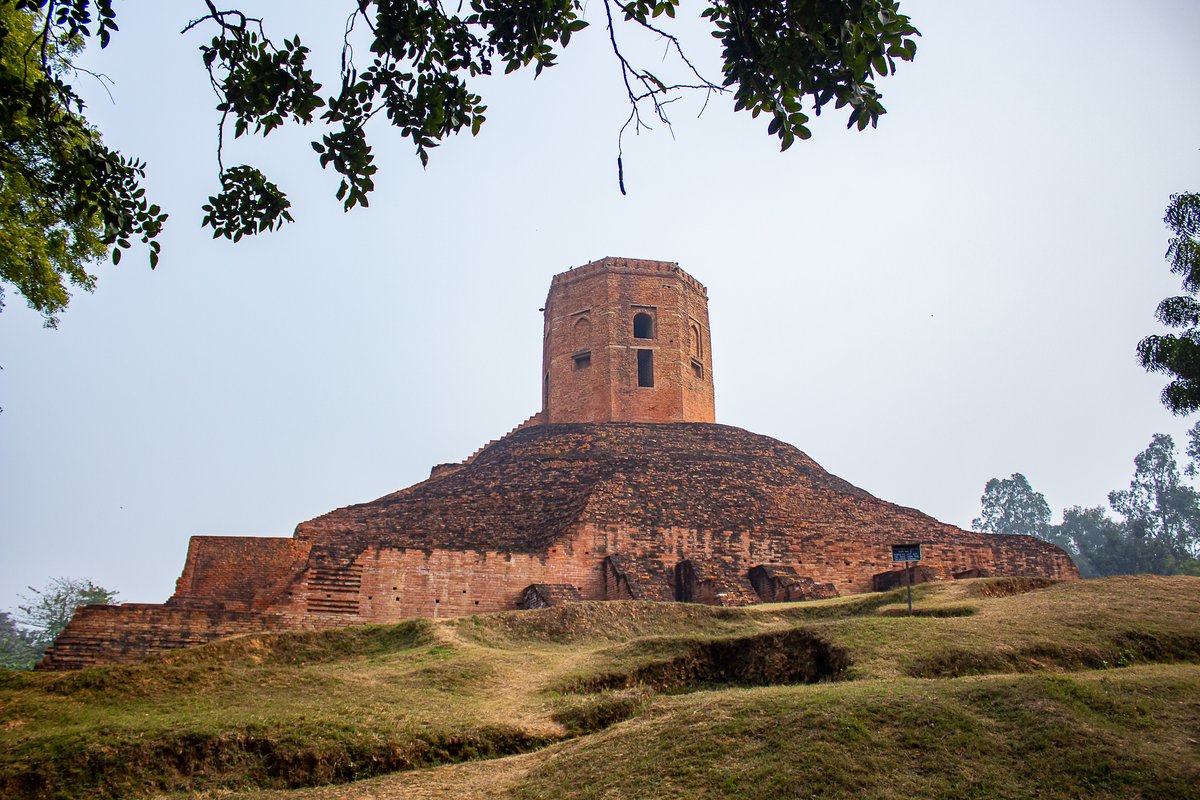
- Dhamek Stupa Site of Buddha’s first sermon.
- Sarnath Archaeological Museum Showcases ancient Buddhist artifacts.
- Mulagandha Kuti Vihara Buddhist monastery with stunning murals.
- Deer Park (Mrigadaya) A peaceful natural retreat.
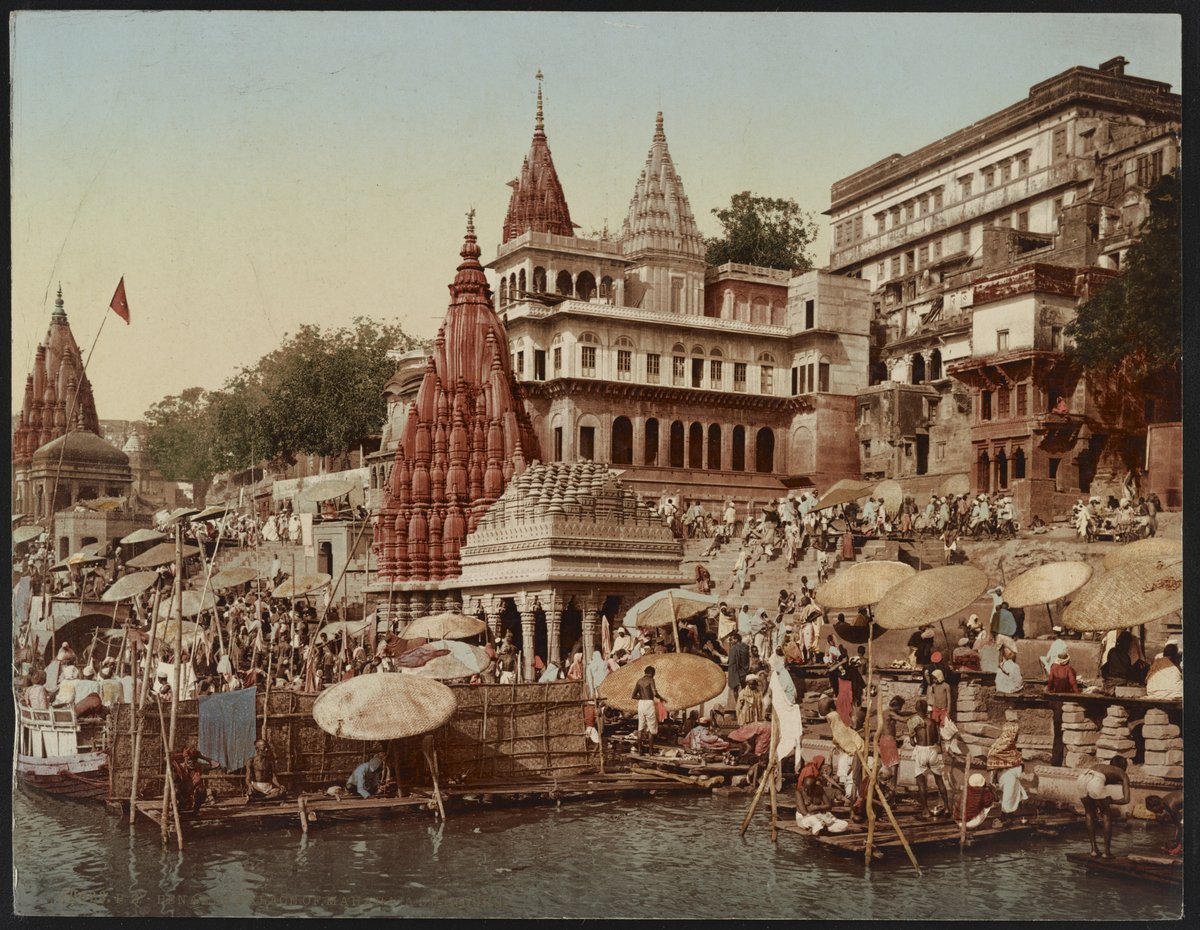
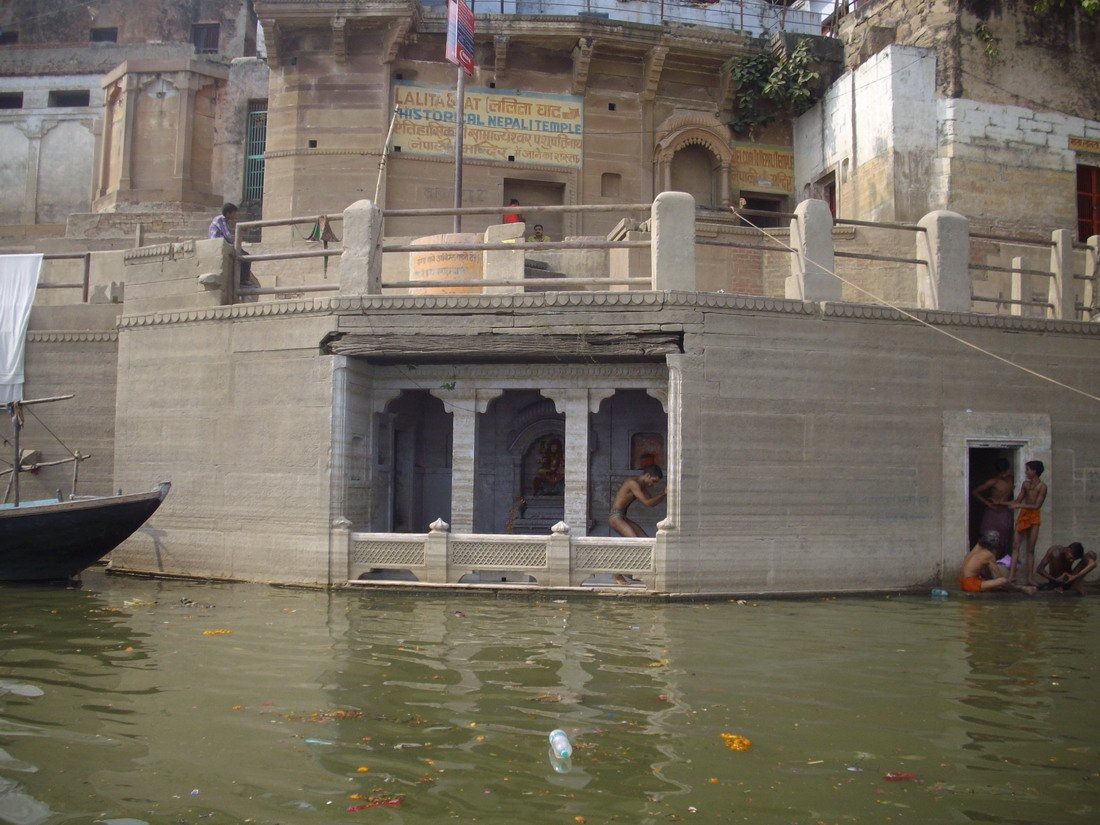
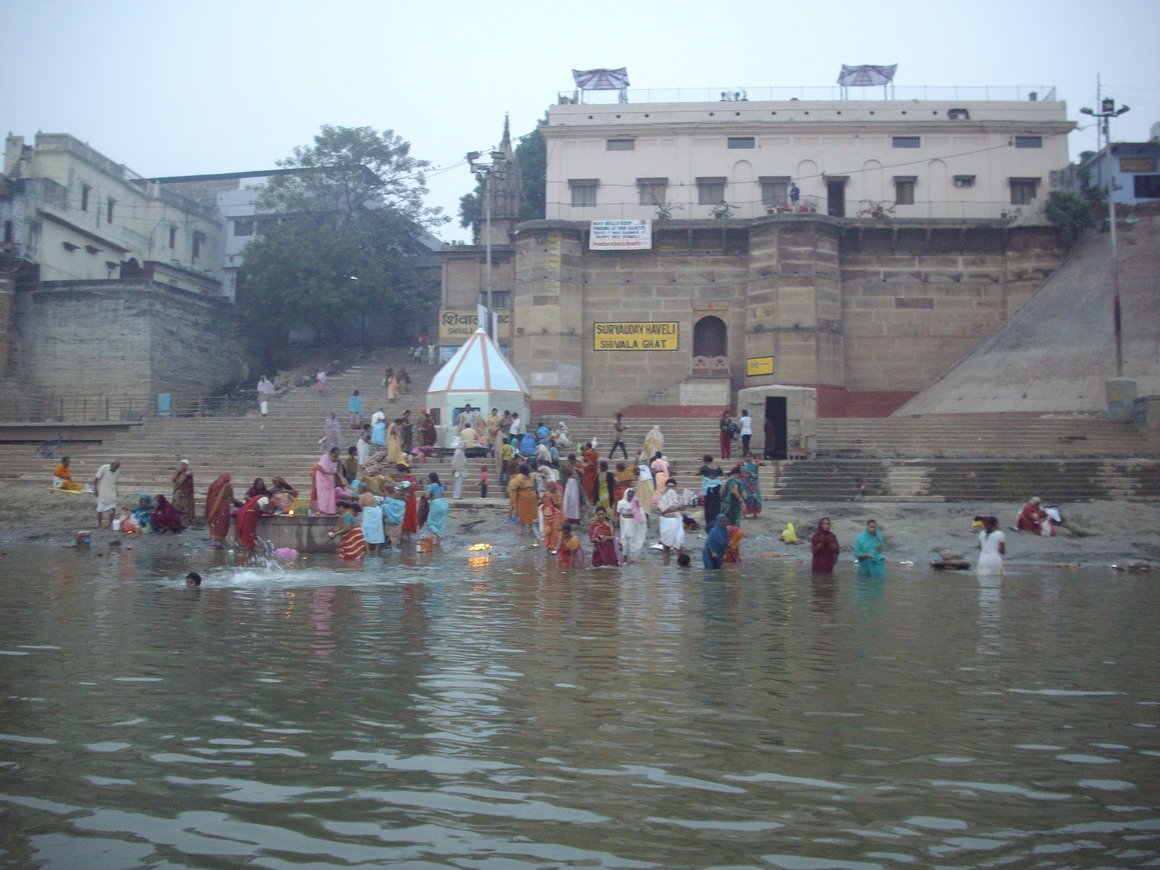
- Varanasi Ghats The iconic riverfront steps along the Ganges.
These sites are easily accessible from the CIHTS campus and can be combined into a cultural and spiritual itinerary.
Frequently Asked Questions (FAQ)
Q: What are the visiting hours for CIHTS?
A: 9:00 AM to 5:00 PM, Monday through Saturday.
Q: Is there an entry fee?
A: No, general access is free; some special events may require registration or tickets.
Q: Are guided tours available?
A: Yes, by prior arrangement, especially for groups and educational visitors.
Q: Is the campus accessible for visitors with disabilities?
A: Main areas are accessible; please contact the administration for specific needs.
Q: Can visitors attend cultural events?
A: Yes, many festivals, lectures, and performances are open to the public—check the official website for schedules.
Q: What is the best time to visit?
A: October to March, for comfortable weather and major festivals.
Q: Are COVID-19 protocols in effect?
A: Please consult the official CIHTS website for current guidelines.