

The Ghats at Dawn
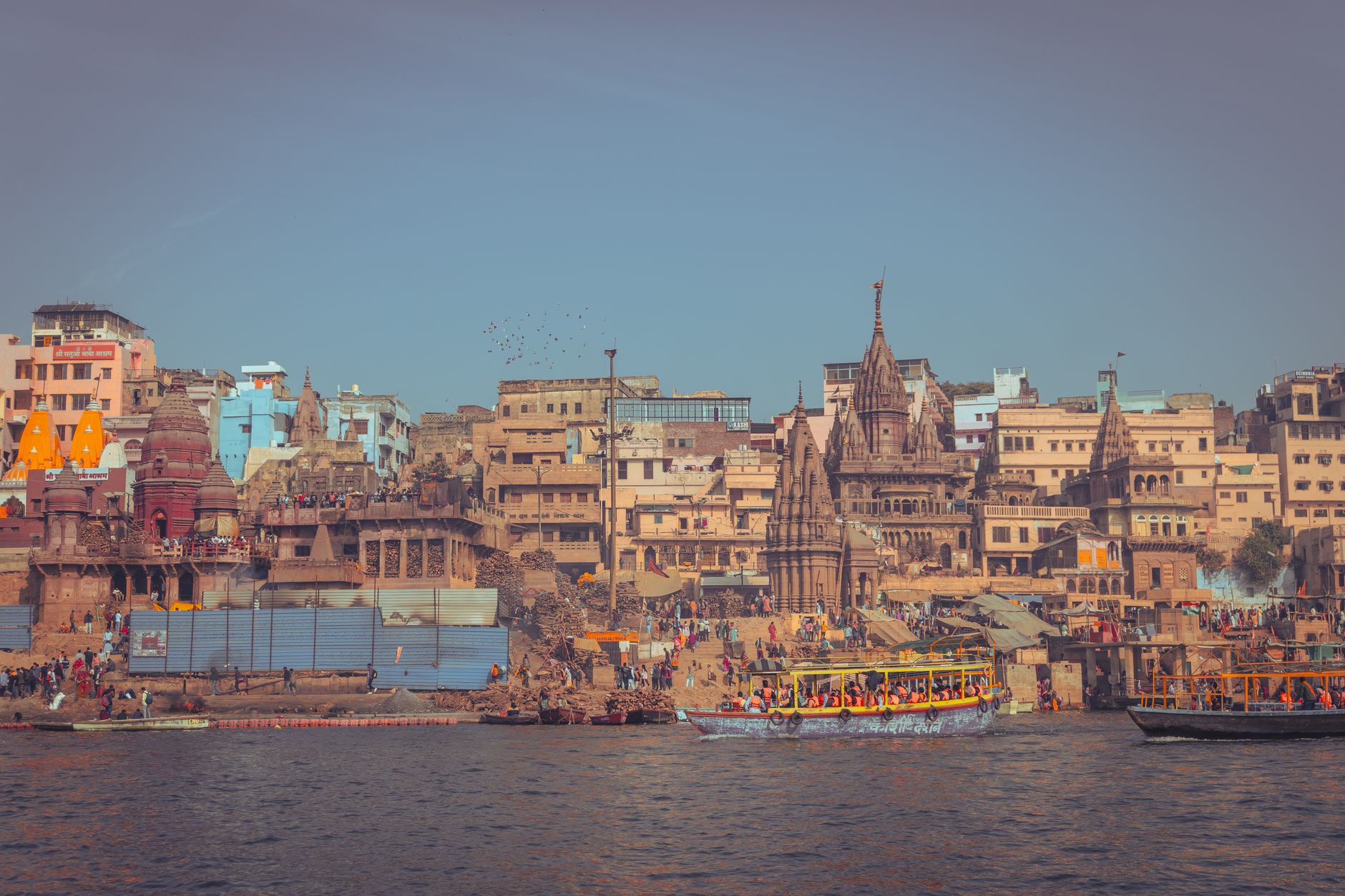
Watch the Ganges unfold from the 84 stone steps that stretch 6.5 km along its crescent bank. At Dashashwamedh the nightly aarti sends flames leaping toward the dark while at Manikarnika the pyres never go out.
Varanasi, India, is a city with 84 stone ghats along the Ganges, where Manikarnika Ghat has burned continuously for over 3000 years. The guide covers 25 attractions. The best season to visit is November to February, with an average visit duration of 4-5 days.
The first thing that hits you in Varanasi is the smell of woodsmoke at 4 a.m. mixed with marigolds and river mist. This 6.5-kilometre crescent of 84 stone ghats along the Ganges is where fires have burned nonstop at Manikarnika for longer than most cities have existed, and where the same Sanskrit verses chanted today were already ancient when Buddha spoke his first sermon 10 kilometres away at Sarnath.
Curated from places in this city. Same price as official sites.
Prices shown are indicative — final pricing and availability are confirmed at checkout. Audiala may receive a commission from bookings made via these links.
Researched from Wikidata, Wikipedia & official sources · fact-checked · How we make our guides →
VThe first thing that hits you in Varanasi is the smell of woodsmoke at 4 a.m. mixed with marigolds and river mist. This 6.5-kilometre crescent of 84 stone ghats along the Ganges is where fires have burned nonstop at Manikarnika for longer than most cities have existed, and where the same Sanskrit verses chanted today were already ancient when Buddha spoke his first sermon 10 kilometres away at Sarnath.
The riverbank curves like the forehead of Shiva, a detail carved into local cosmology long before the Maratha palaces rose above the steps in the 18th century. Walk Dashashwamedh Ghat at dusk and you’ll see the nightly aarti lights bouncing off the water while priests swing brass lamps in perfect synchrony. Stand at Manikarnika at any hour and the pyres never go out. The contrast is deliberate and unapologetic.
Yet the city refuses to be only solemn. In the tight alleys behind the ghats you’ll stumble on wrestlers oiling their bodies at akharas built in the 1700s, students arguing over Vedanta outside tiny tea stalls, and the unmistakable sound of a paan seller slapping betel leaves at 2 a.m. Varanasi doesn’t sell serenity. It sells friction. And somehow that friction changes how you see everything else.
What makes this place worth slowing down for.
Watch the Ganges unfold from the 84 stone steps that stretch 6.5 km along its crescent bank. At Dashashwamedh the nightly aarti sends flames leaping toward the dark while at Manikarnika the pyres never go out.
The 2021 corridor shaved the old claustrophobic approach down to a clean walk. Non-Hindus still stop at the outer courtyard yet the marble and gold spire visible from the river tells its own story.
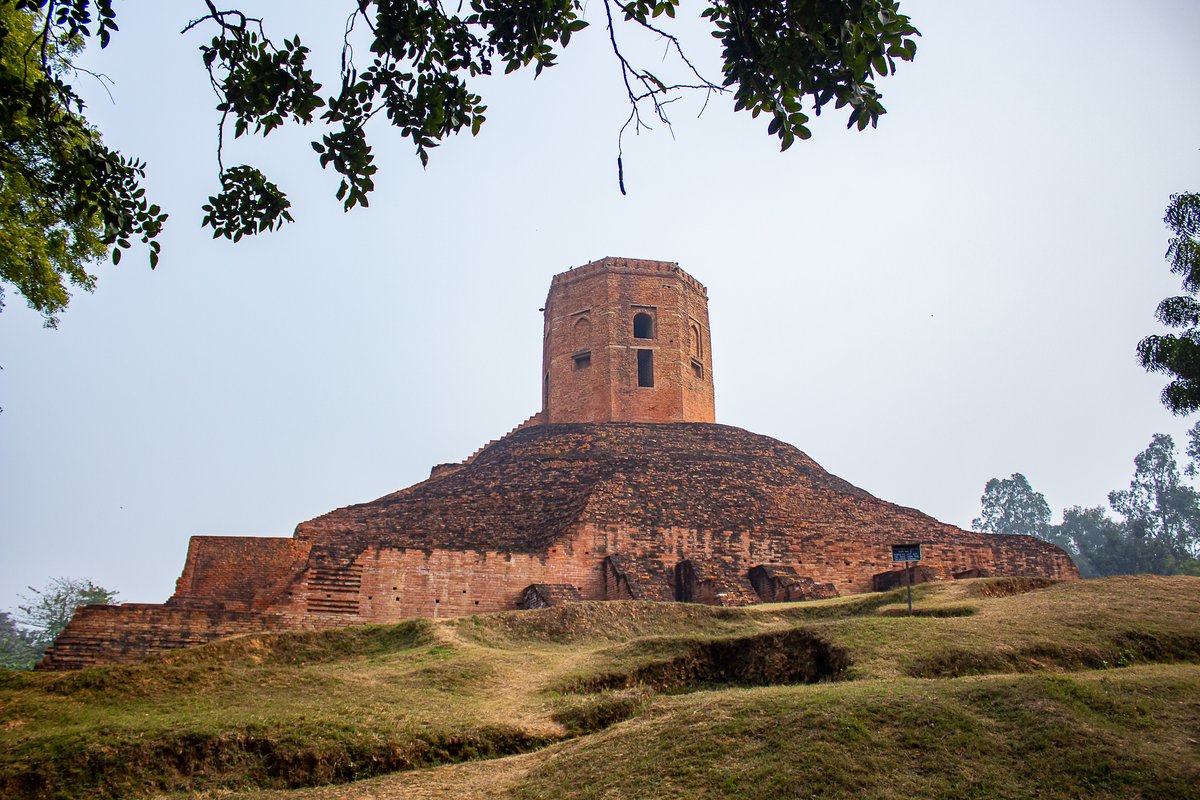
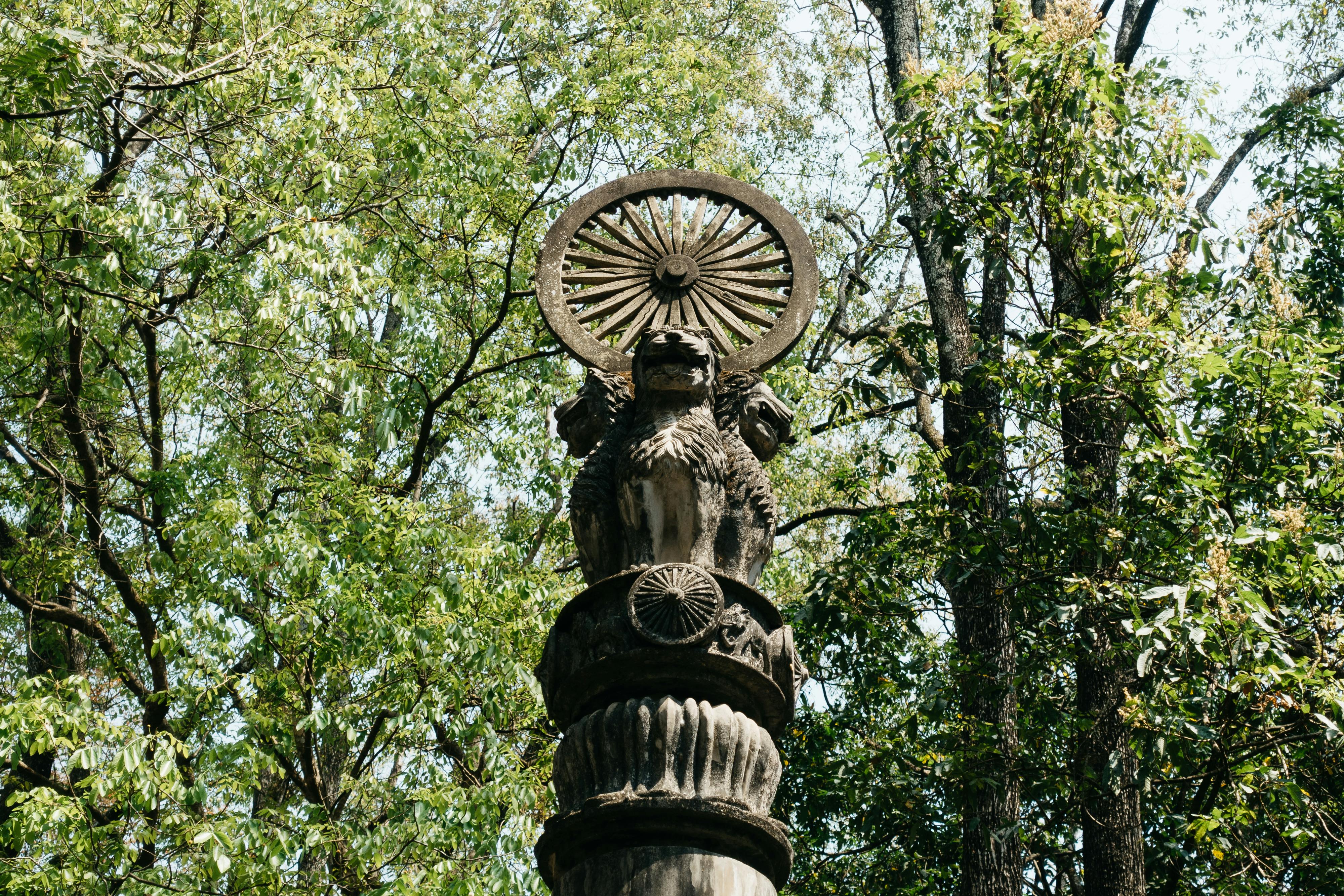
Eight kilometres north the Dhamek Stupa rises where Buddha spoke his first sermon in 528 BCE. The Lion Capital that once crowned Ashoka’s pillar now sits in the museum, the original national emblem of India.
Sanskrit students still chant in the narrow lanes exactly as they have for three thousand years. UNESCO lists the tradition as intangible heritage; stand still near Man Mandir Ghat at dusk and you will hear it.
Not every monument, just the ones we'd walk you past ourselves.

Assi Ghat, located at the confluence of the Ganges and Assi rivers in Varanasi, India, is a site of immense historical, cultural, and spiritual significance.
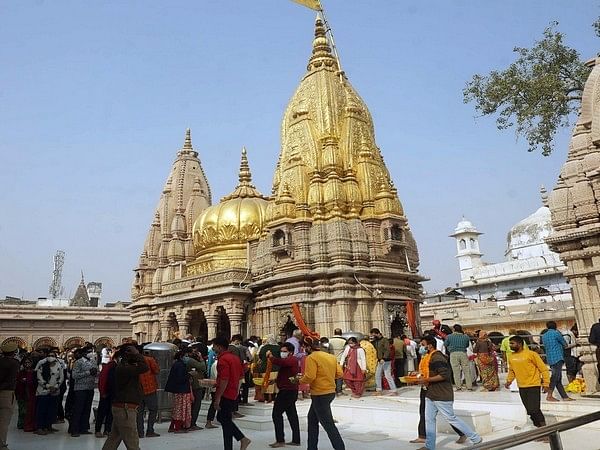
Nestled in the ancient city of Varanasi, the Kashi Vishwanath Temple stands as one of the most venerated Hindu shrines dedicated to Lord Shiva, attracting…

Nestled in the spiritual heart of Varanasi, Uttar Pradesh, the Gyanvapi Mosque stands as a monument steeped in centuries of rich history, religious…

Ramnagar Fort, or रामनगर किला, is an architectural marvel situated on the eastern bank of the Ganges River, directly opposite the holy city of Varanasi in…

Nestled in the historic precincts of Sarnath, near the ancient city of Varanasi, the Dhamek Stupa stands as a monumental testament to Buddhist heritage and…

Tulsi Ghat, situated on the sacred banks of the Ganges River in Varanasi, India, is a landmark steeped in historical, cultural, and spiritual significance.

Scindia Ghat, an emblematic site nestled along the banks of the sacred Ganges River in Varanasi, India, is a microcosm of the city's profound spiritual and…
Where to wander, by quarter — each with its own rhythm.
The southern anchor of the ghats feels almost relaxed. Backpackers and yoga students fill the cafés that spill onto the steps. Morning aarti here is smaller and the light softer. You can actually sit on the ghat without being swept into someone’s ritual. At night the sound of temple bells mixes with Bob Marley covers drifting from rooftop restaurants.
Narrow lanes barely wide enough for a cow. This is the bazaar heart where Kashi Vishwanath’s new corridor meets 400-year-old sweet shops. The smell of frying jalebis fights with incense. Every third doorway opens onto a tiny Shiva temple. Get lost on purpose. The paanwallahs near Chowk Thana have been perfecting their blend since your grandparents were children.
Not a neighborhood for selfies. This is where the continuous cremations happen, 24 hours a day, every day. The pyres are stacked with precision that comes from centuries of practice. Visitors are tolerated only if they practice quiet witnessing. No photos. The smoke has a particular density at dawn that photographs could never capture anyway.
Wide leafy streets and colonial-era bungalows built for British officers. The contrast with the old city is total. Families and those who need a break from the ghats stay here. The railway station is close, the trees are tall, and the horn honking finally stops after 10 p.m.
Student territory near Banaras Hindu University. Cheap thalis, strong kulhad coffee, and bookshops that stay open until midnight. The energy is younger and less devotional than the ghats. Auto-rickshaws to Sarnath leave from here at all hours.
The theatrical center of Varanasi. This is where the big nightly Ganga Aarti draws thousands. The ghat steps are wide enough for the crowds yet steep enough that you’ll remember every one of them the next morning. Street vendors sell everything from flower baskets to battery-powered laser pointers.
Varanasi has burned, prayed and outlasted them all
Archaeologists found iron slag and pottery shards at Raj Ghat that prove traders already lived here when the Buddha was still a child. The Ganga curved exactly as it does today. Smoke from funeral pyres already rose each dawn. This is not myth. This is carbon dated fact.
Ten kilometres north the deer park fell silent. A man in patched robes turned the wheel of dharma for five ascetics. The Lion Capital he inspired would one day become India’s national emblem. Varanasi barely noticed. It was already ancient.
The Chinese monk counted thirty temples and counted again. The air smelled of sandalwood and burning flesh. He wrote that the water of the Ganga could wash away sins. Pilgrims still quote him 1,400 years later as if he had just left the ghat.
The young philosopher from Kerala walked the ghats arguing that formless Brahman and personal Shiva were the same truth. He established the worship that still echoes in every evening aarti. The city listened and kept both versions.
The Ghurid army smashed temples and carried away idols on elephants. Yet within decades new shrines rose from the same stones. Varanasi absorbed the blow the way the river absorbs ash. Nothing stayed destroyed for long.
A weaver’s child refused every label. He sang that Ram and Rahim were the same name spoken differently. Brahmins and mullahs both claimed him and both were told to get lost. His dohas still cut through temple loudspeakers at dawn.
In a small house near Assi Ghat a poet started writing in Awadhi so ordinary people could understand their gods. The manuscript still exists. When he read it aloud even the monkeys of Varanasi are said to have wept. Legend or not the language changed forever.
The Mughal emperor who never visited sent Rajput architects instead. They built in red sandstone with Hindu motifs under Islamic domes. The compromise still stands near the river. Tolerance as architecture.
The nawab of Awadh granted semi-independence to a local ruler. For the first time in centuries the city answered to someone who actually lived on its ghats. The arrangement lasted until the British arrived with better maps and worse manners.
The East India Company took control without firing a shot in the city itself. They kept the ghats, the temples and the chaos. What they could not keep was the smell of sandalwood smoke that still clings to every treaty page.
Jonathan Duncan, the British Resident, founded a college so the old learning would not die. Vedic chants continued under colonial ceilings. The contradiction still walks the same corridors today wearing both saffron and tweed.
In a narrow lane of the old city a boy appeared who would drag Hindi literature into the modern age. He wrote plays that mocked both British and Brahmin alike. The language he helped forge is what most Indians now read on their phones.
Madan Mohan Malaviya and Annie Besant stood on donated land and declared an Indian university free from government control. The first students studied under trees. Today 30,000 of them walk past the same foundation stone every morning.
A seven-year-old boy from a Brahmin family heard Bismillah Khan practicing in the Muslim quarter. The sound decided his life. Decades later he would carry that same Varanasi air in his sitar across every continent.
Midnight bells rang from temples that had heard every empire fall. The British left but the river kept receiving ashes. Some things refused to change no matter whose flag flew over the cantonment.
The first steam engine rolled out of the Banaras Locomotive Works. Iron replaced prayer bells for eight hours a day. Workers still walked home past burning ghats. The contrast has never needed explanation.
The shehnai maestro who refused to leave Varanasi even when the world begged him to tour died here. His funeral procession crossed the same ghats where he had practiced at dawn for eighty years. The river received its most musical son.
After three centuries of narrow lanes pilgrims suddenly walked through a wide stone plaza to the temple. Some called it beautification. Others called it erasure. The temple itself stayed exactly where it had always been.
The people who shaped the city — and were shaped by it.
Kabir worked as a weaver in the narrow lanes near the ghats. He composed verses that ridiculed both Hindu rituals and Muslim practices while pointing toward direct experience of the divine. Locals still quote him daily. He would probably laugh at the modern Kashi Vishwanath corridor, then sit by the river and remind people that truth needs no ticketed entrance.
Born in a house near the river, Ravi Shankar first learned music amid the sound of temple bells and Vedic chants. He later carried the sitar to every corner of the world. The morning raags he practiced here still echo in the older music schools near Dashashwamedh. He would recognize the morning light on the Ganges immediately.
Bismillah Khan refused to move from his modest home near the ghats despite international fame. He played the shehnai at the Kashi Vishwanath Temple every morning for decades. The instrument gained classical respect because of him. He would probably still be sitting on the steps at dawn, playing for the river.
Premchand wrote some of his most powerful stories about ordinary Indians while living in the crowded lanes of Varanasi. He watched the same boatmen, weavers, and priests we see today. The city’s unfiltered life became the raw material for modern Hindi literature. The paan shops and tea stalls he frequented still operate with the same rhythm.
Where locals actually book dinner — not the tourist menus.
Small things that change how the city treats you.
November brings cool mornings around 59°F, atmospheric mist over the Ganges, and the start of Malaiyo season. Book ghatside rooms early as this is peak season before December crowds intensify.
Photography is strictly prohibited at Manikarnika and Harishchandra Ghats. Practice quiet witnessing from a distance. Locals and priests will confront anyone who breaks this rule.
The 6.5 km stretch of 84 ghats is best explored on foot at dawn. Start at Assi Ghat and head north. The light, the chants, and the river smell hit differently before the tour boats arrive.
Head to Ram Bhandar in Chowk before 9 AM for fresh kachori sabzi. Expect to pay around 60 INR. Skip the cafés near Assi if you want the real morning rhythm of the city.
UPI works almost everywhere but boatmen, small paan stalls, and cycle-rickshaw drivers in the old city prefer 10, 20 and 50 rupee notes. ATMs near Godowlia often run dry by evening.
Vedic chanting is UNESCO-listed intangible heritage. Keep voices low near Dashashwamedh Ghat during evening aarti. The sound of bells and mantras carries further than you expect.
The city, as it actually looks.

Traditional wooden boats rest along the banks of the Ganges River in the historic city of Varanasi, India.
Patricia Luquet on Pexels

A traditional street scene in Varanasi, India, where stacks of funeral pyre wood line the path leading toward a historic temple near the Ganges.
Monojit Dutta on Pexels
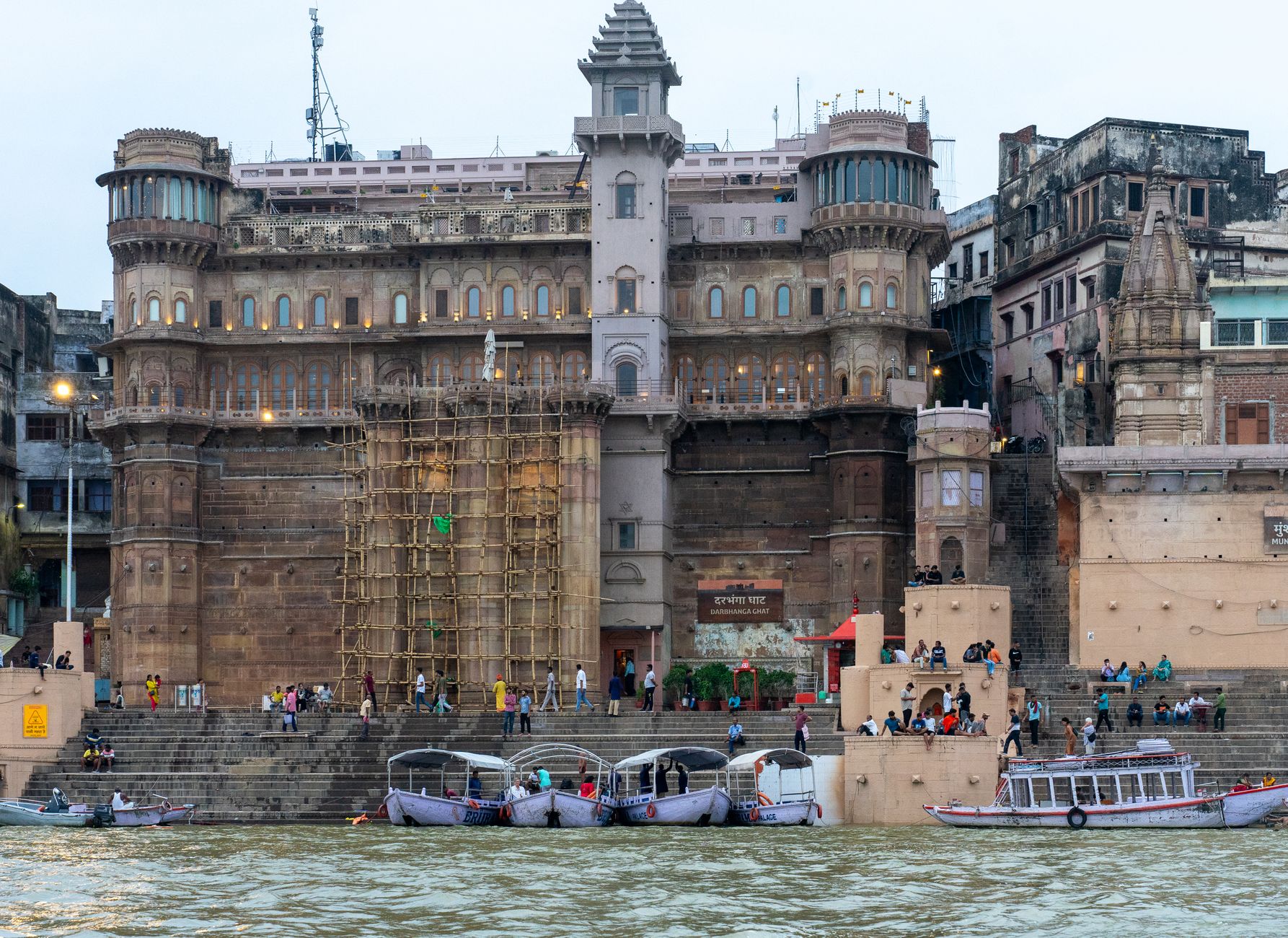
The majestic stone facade of Darbhanga Ghat rises above the Ganges River in Varanasi, India, where local life and traditional architecture meet.
Patricia Luquet on Pexels

A quiet moment at the historic Darbhanga Ghat in Varanasi, India, where a street vendor rests beside his cart against the backdrop of the Brijrama Palace.
Subhajit Paul on Pexels
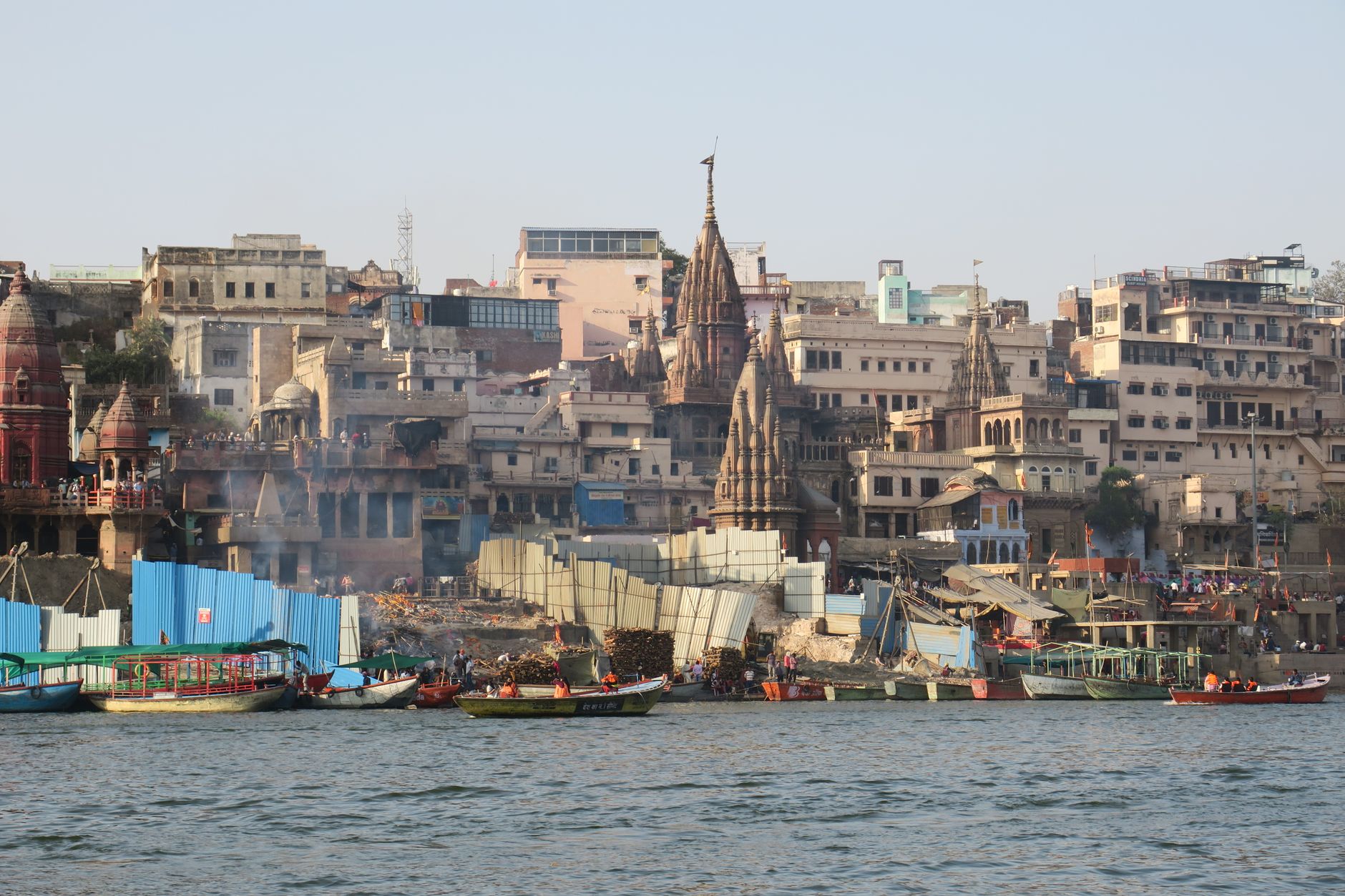
The historic ghats of Varanasi, India, showcase a blend of ancient temple architecture and traditional life along the sacred Ganges River.
INDU BIKASH SARKER on Pexels

Two men sit quietly on the historic stone ghats of Varanasi, India, watching a boat drift along the Ganges River.
Shashank Shekhar on Pexels

The historic ghats of Varanasi, India, glow under the night sky, with traditional wooden boats moored along the tranquil Ganges River.
Subhrajyoti Paul on Pexels

The bustling Dashashwamedh Ghat in Varanasi, India, comes alive with pilgrims and boats along the sacred Ganges River.
Patricia Luquet on Pexels
Yes, but only if you can handle death as public theater. The continuous cremation fires at Manikarnika Ghat, the pre-dawn boats through fog, and the 3000-year-old rhythm of life and death along the river change how you see time itself. Most visitors either leave after two days overwhelmed or stay a week and never want to leave.
Four days minimum. One for the dawn boat ride and Dashashwamedh aarti, one to walk the full length of ghats from Assi to Scindia, one for Sarnath, and one to simply sit and absorb. Three days feels rushed. Five days lets the city start working on you.
Non-Hindus cannot enter the inner sanctum even after the 2021 Kashi Vishwanath Dham corridor opened. You can visit the outer areas and the new corridor. The temple itself remains restricted, a rule that has stood for centuries.
Safe enough if you stay alert in the old city lanes. Avoid walking alone near the cremation ghats after dark and decline offers from friendly strangers who want to take you to their special silk shop or guru. Women should dress modestly around the ghats.
Download Ola or Uber before you arrive. They work well in Cantonment and Lanka. In the old city, negotiate cycle-rickshaw fares before you get in. Expect to pay about 30-40 INR for short rides. Walking the ghats themselves costs nothing and reveals more.
Arrive at Dashashwamedh Ghat by 6:15 PM in winter to secure a decent viewing spot. The aarti begins around 7 PM. Better still, watch it from a boat 30 meters offshore where the sound of bells travels across the water without the crowds.
Ready to book?
Curated from places in this city. Same price as official sites.
Prices shown are indicative — final pricing and availability are confirmed at checkout. Audiala may receive a commission from bookings made via these links.
Fly into Lal Bahadur Shastri International Airport (VNS), 25 km west of the city. In 2026 the upgraded terminal feeds an electric bus straight to Varanasi Cantt Railway Station for 140 INR. Long-distance trains arrive at Varanasi Junction or Cantt; taxis and hotel cars wait outside both.
No metro exists in 2026 despite occasional rumours. Cycle-rickshaws and auto-rickshaws rule the old city; agree on the fare before you climb in or expect triple the local rate. The ghats themselves are pedestrian only. For day trips to Sarnath or Ayodhya hire a driver with a Tempo Traveller.
October to March brings highs of 73–90 °F and almost no rain. November and December add river mist that softens every silhouette. Summers hit 105 °F in May; the monsoon from July to September drops 21 inches across two months and turns alleys into streams.
Never photograph cremations at Manikarnika or Harishchandra Ghats. Decline offers from strangers promising special ashrams or silk deals. Keep valuables tight in the crowded lanes around Godowlia and walk with others after dark.
25 places, one continuous walking route. Free with your first city.
25 places to discover