
History of Tiruchirapalli Rock Fort
Ancient Origins
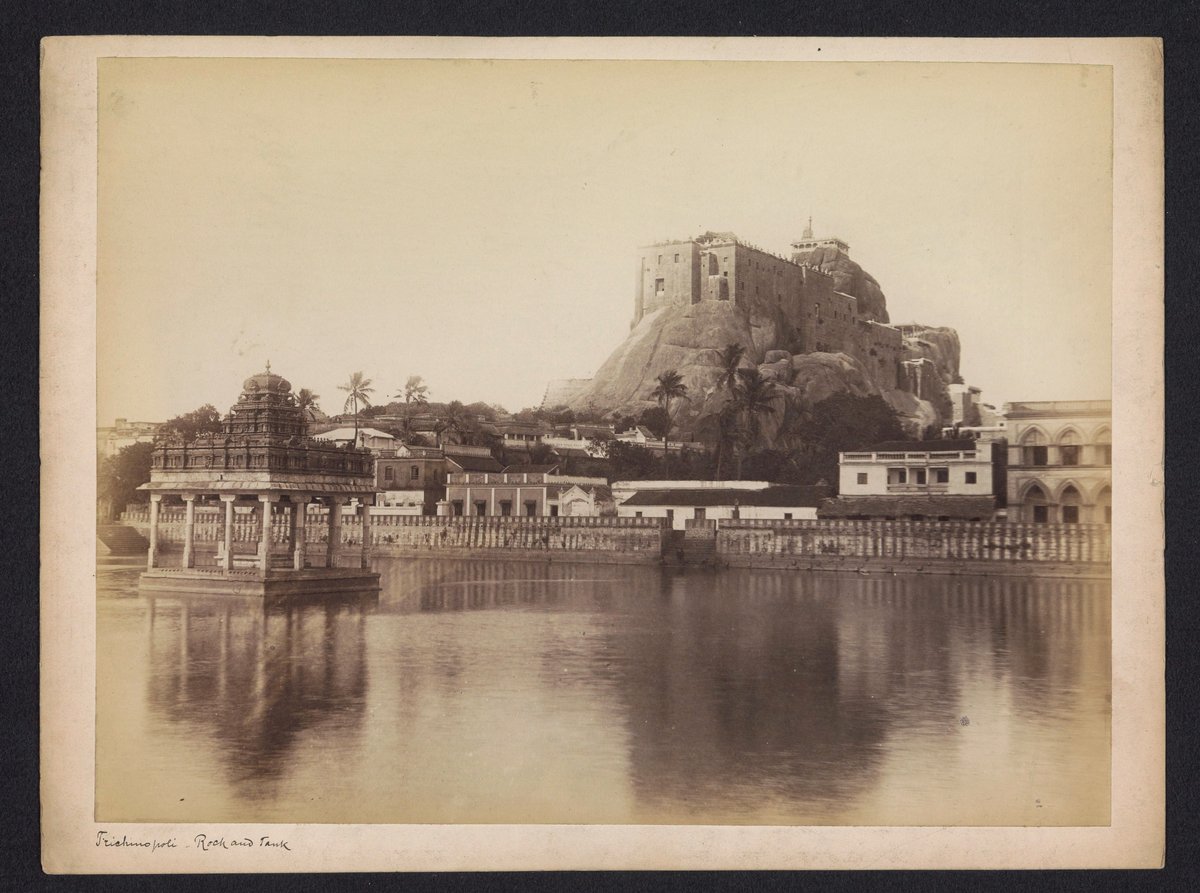
The rock itself is believed to be over 3.8 billion years old, making it one of the oldest formations in the world. The fort's history is deeply intertwined with various dynasties that ruled the region, each leaving its mark on this monumental structure.
Early Dynasties
The earliest known rulers to have utilized the Rock Fort were the Pallavas, who reigned from the 6th to the 9th centuries. They were responsible for the initial construction of the cave temples within the fort complex, which feature intricate carvings and sculptures.
Chola Dynasty
The Chola dynasty, which ruled from the 9th to the 13th centuries, expanded the fort and enhanced its defenses. They constructed additional temples and fortifications, making the Rock Fort a significant military and religious center.
Vijayanagara Empire
In the 14th century, the Vijayanagara Empire took control of the Rock Fort. The Vijayanagara rulers further fortified the structure, recognizing its strategic importance.
Nayak Dynasty
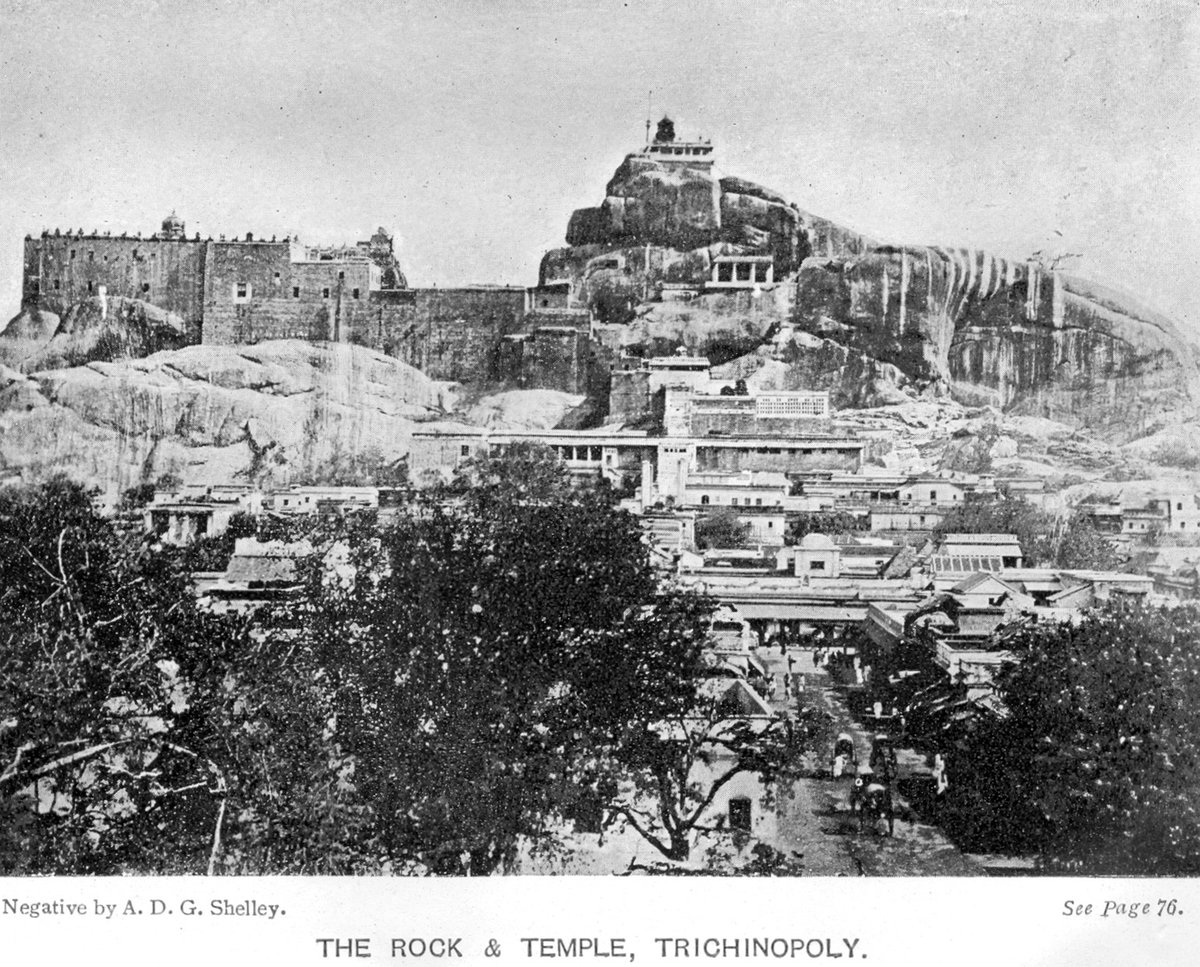
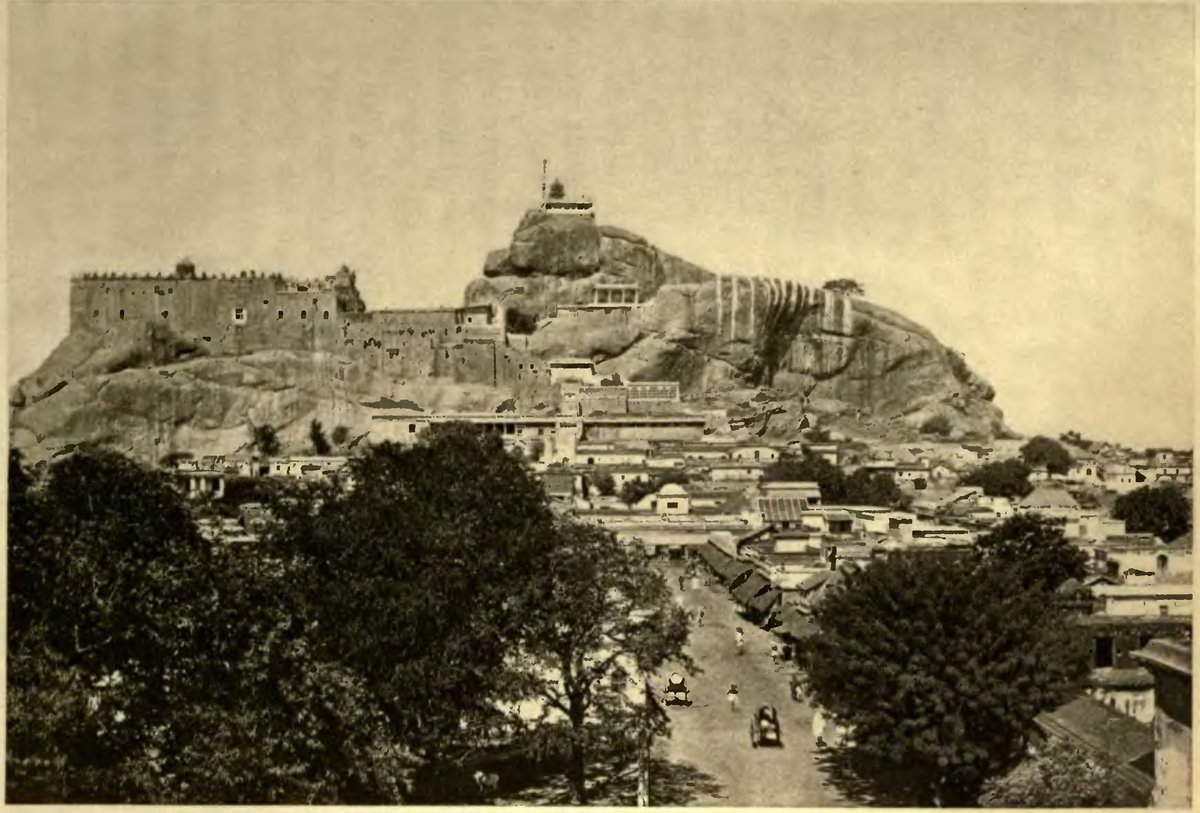
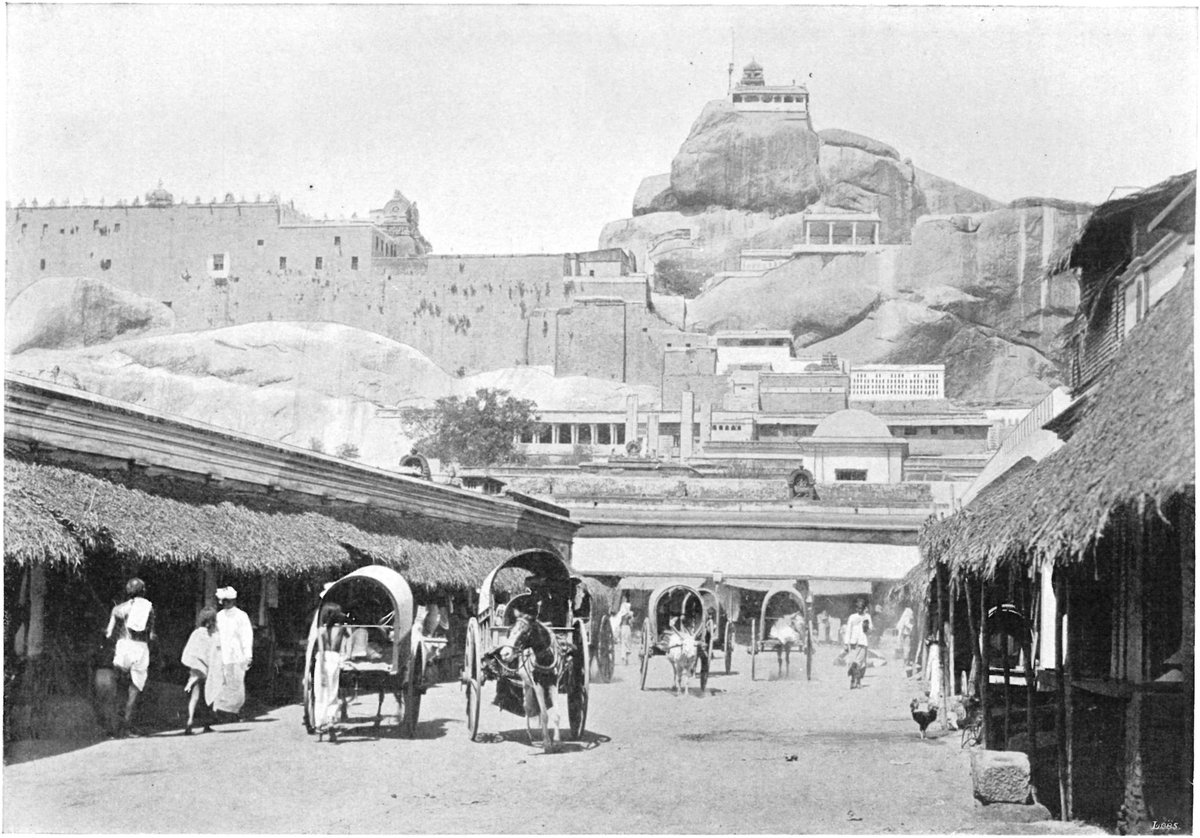
The Nayak dynasty, which ruled from the 16th to the 18th centuries, played a crucial role in the Rock Fort's history. They constructed the Ucchi Pillayar Temple at the summit and the Thayumanaswami Temple halfway up the rock.
British Colonial Period
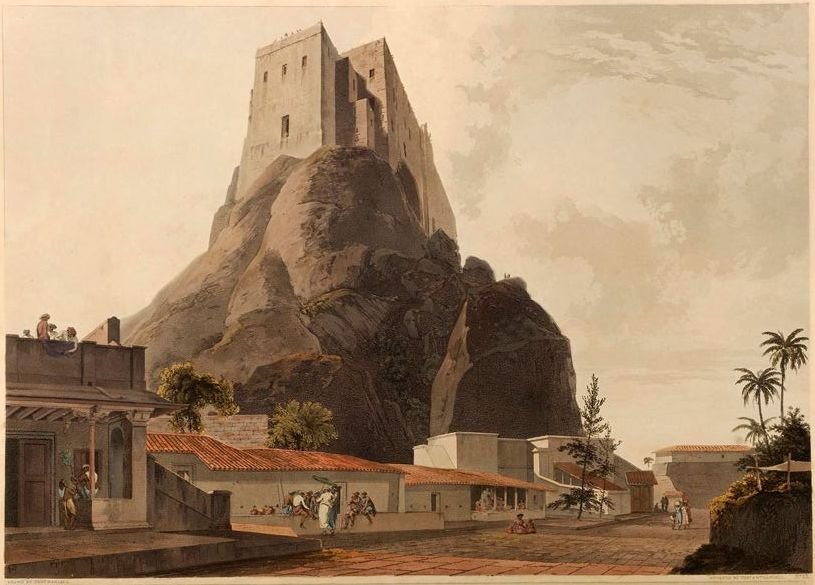
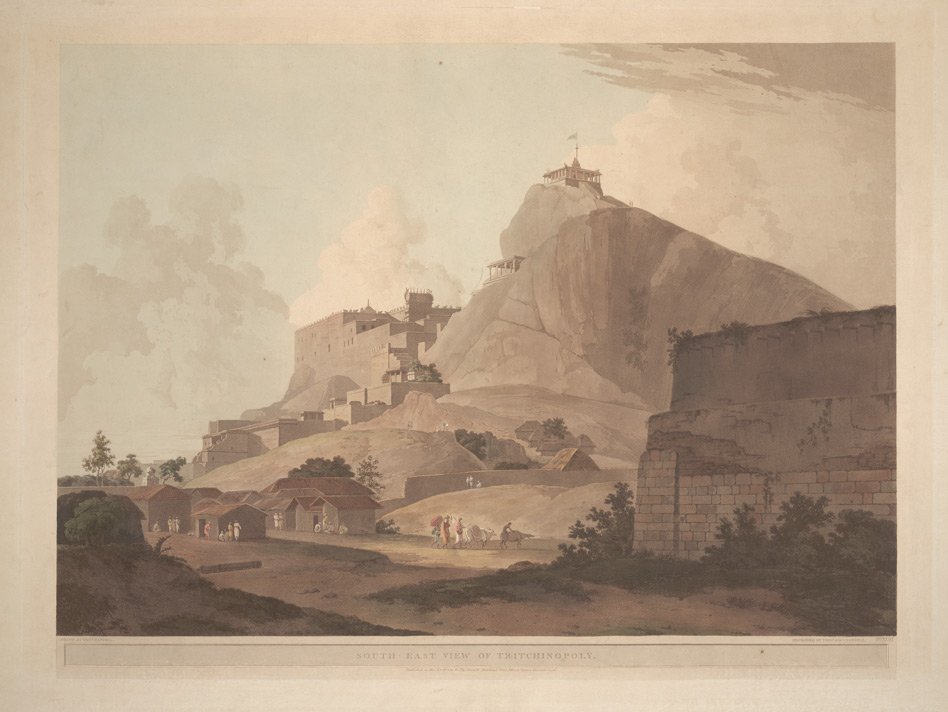
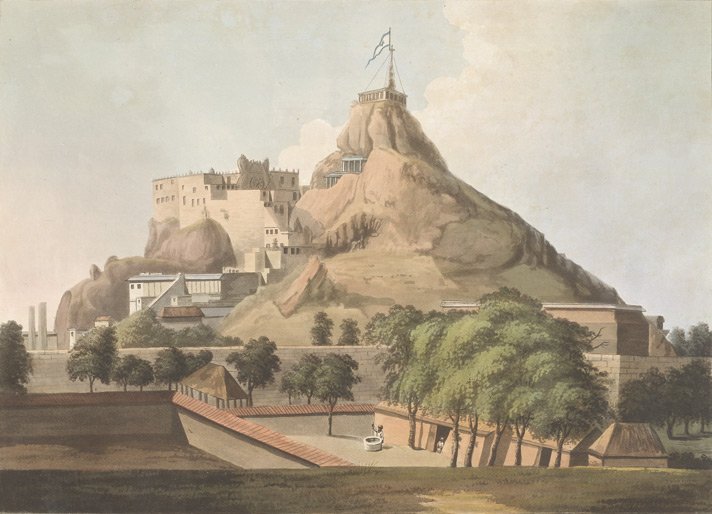
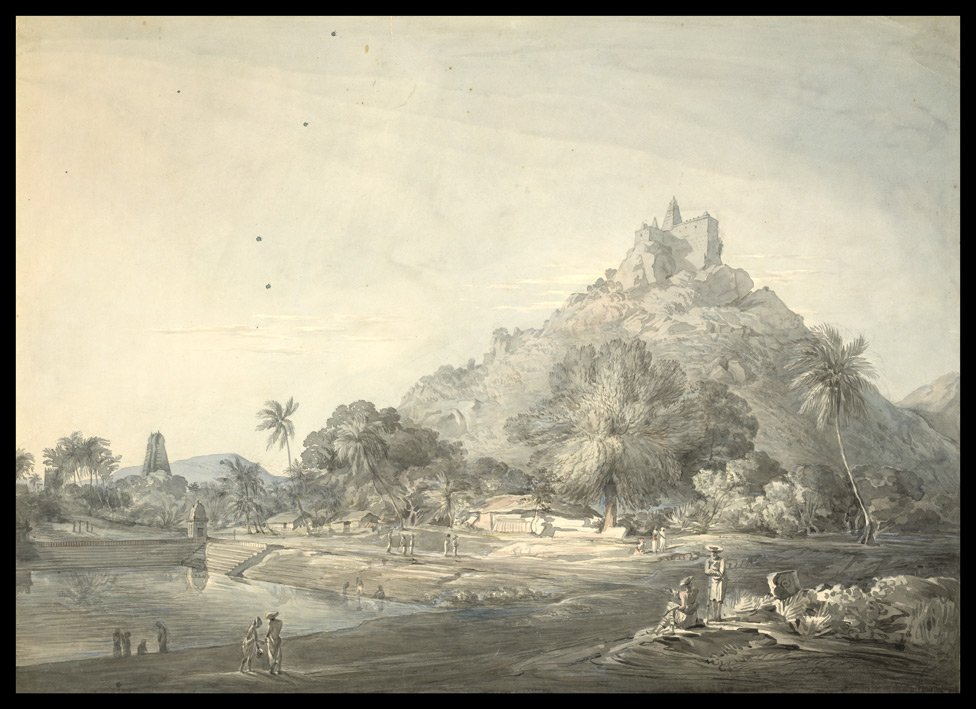
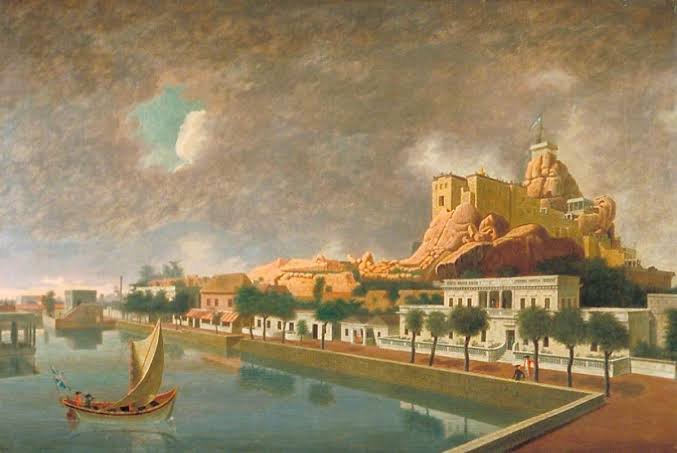
During the 18th century, the Rock Fort was a focal point in the conflicts between the British East India Company and the French. Eventually, the British gained control of the fort, and it remained under their administration until India's independence in 1947.
Architectural Significance
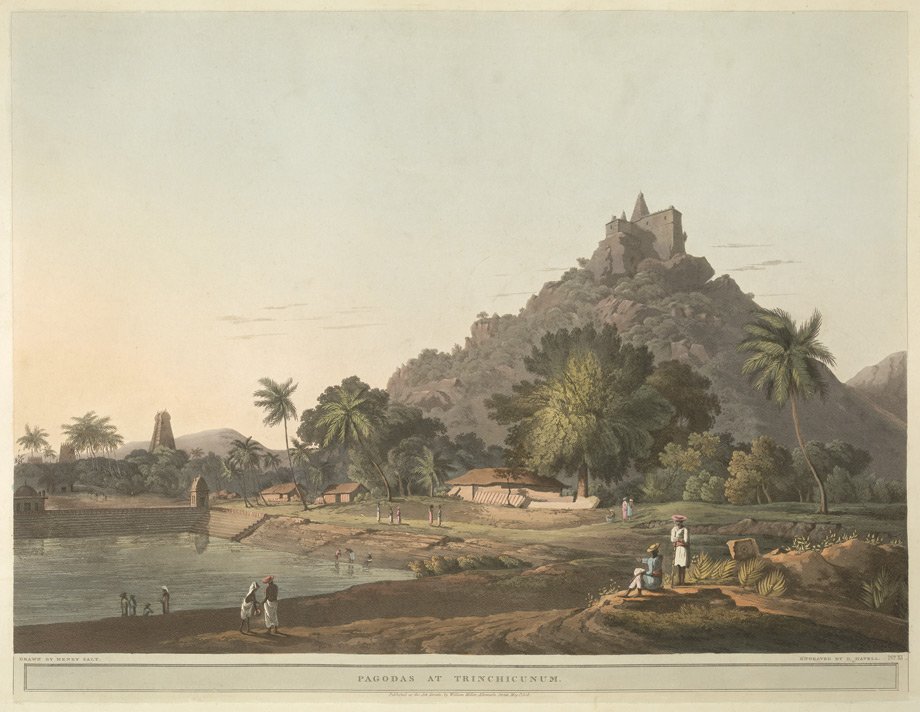
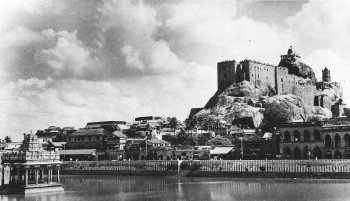
The Tiruchirapalli Rock Fort is renowned for its unique blend of architectural styles, reflecting the various dynasties that contributed to its construction. The Ucchi Pillayar Temple, located at the top of the rock, and the Thayumanaswami Temple, situated halfway up, are architectural marvels.
Cultural and Religious Significance
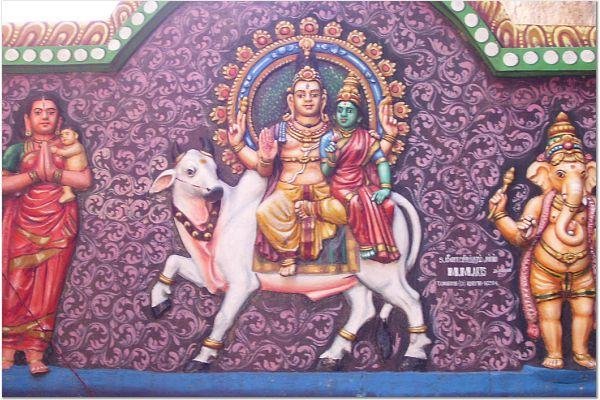
The Rock Fort is a significant religious site. The Ucchi Pillayar Temple is a major pilgrimage destination for devotees of Lord Ganesha, and the Thayumanaswami Temple attracts devotees of Lord Shiva. The fort complex also hosts several festivals and religious events, including the annual Chithirai Festival.
Visitor Information
Visiting Hours
The Tiruchirapalli Rock Fort is open to visitors from 6:00 AM to 8:00 PM daily.
Ticket Prices
The entrance fee is nominal, and additional charges may apply for guided tours or special events.
How to Get There
The fort is easily accessible by road, and the nearest railway station is Tiruchirapalli Junction. It is well-connected by public transportation and taxis.
Travel Tips
- Best Time to Visit The best time to visit is during the cooler months from November to February.
- What to Wear Comfortable clothing and footwear are recommended due to the steep climb.
- Photography The fort offers numerous photographic spots, especially at the summit with panoramic views of the city.
- Guided Tours Consider hiring a guide to learn more about the fort's history and significance.
Nearby Attractions
- Srirangam Temple A major Vaishnavite temple complex located nearby.
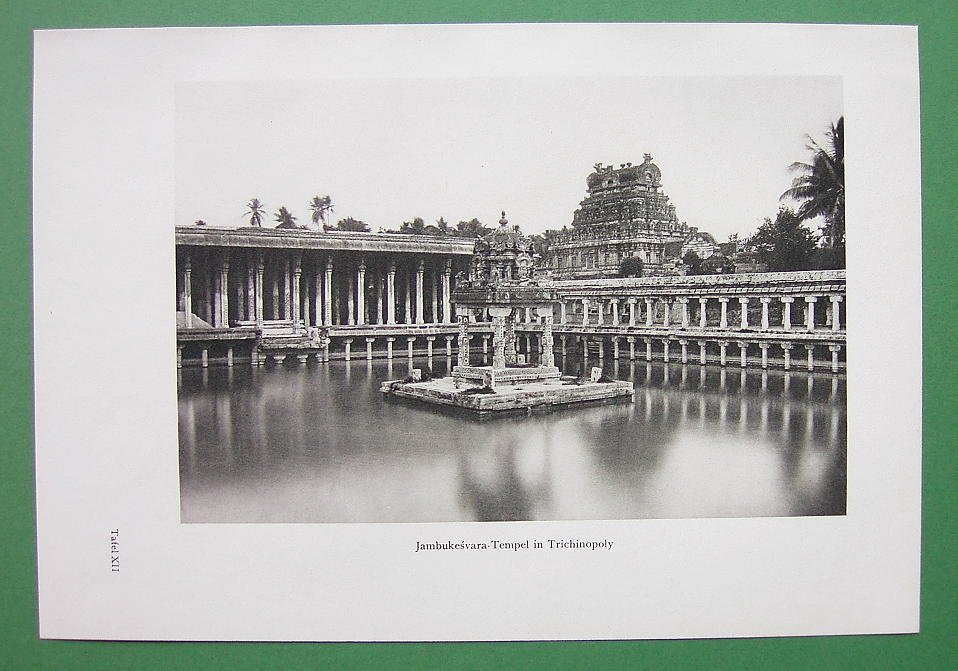
- Jambukeswarar Temple Another significant temple dedicated to Lord Shiva.
Preservation and Conservation
Efforts to preserve and conserve the Tiruchirapalli Rock Fort have been ongoing for several decades. The Archaeological Survey of India (ASI) has undertaken various restoration projects to maintain the fort's structural integrity and its temples.
FAQ Section
Q1: What are the Tiruchirapalli Rock Fort visiting hours?
A1: The fort is open from 6:00 AM to 8:00 PM daily.
Q2: Is there an entrance fee for the Tiruchirapalli Rock Fort?
A2: Yes, there is a nominal entrance fee, and additional charges may apply for guided tours or special events.
Q3: What is the best time to visit the Tiruchirapalli Rock Fort?
A3: The best time to visit is from November to February when the weather is cooler.
Q4: Are there guided tours available at the Tiruchirapalli Rock Fort?
A4: Yes, guided tours are available and recommended for a comprehensive understanding of the fort's history.
Discover More
The Tiruchirapalli Rock Fort stands as a testament to Tamil Nadu's rich history and cultural heritage. Whether you're a history buff, a religious devotee, or a curious traveler, the Rock Fort offers something for everyone. Visit the Archaeological Survey of India website for more information, and don't forget to follow us on social media for more updates on historical sites and travel tips.