Historical Background and Patronage
Antiquity and Mythological Roots
The Veerabhadra Temple’s origins are anchored in South Indian mythology and history. While much of its current structure is modernized, the core sanctum and traditions stretch back nearly 1,000 years. Local lore and inscriptions associate the temple with Ottakoothar, a famed Tamil poet, whose samadhi lies within its precincts (TN Temples Project). The temple’s dedication to Veerabhadra, Shiva’s fierce avatar created during Daksha’s Yagna, links it deeply to the Shiva Purana and Tamil Shaivite traditions.
Chola and Nayak Patronage
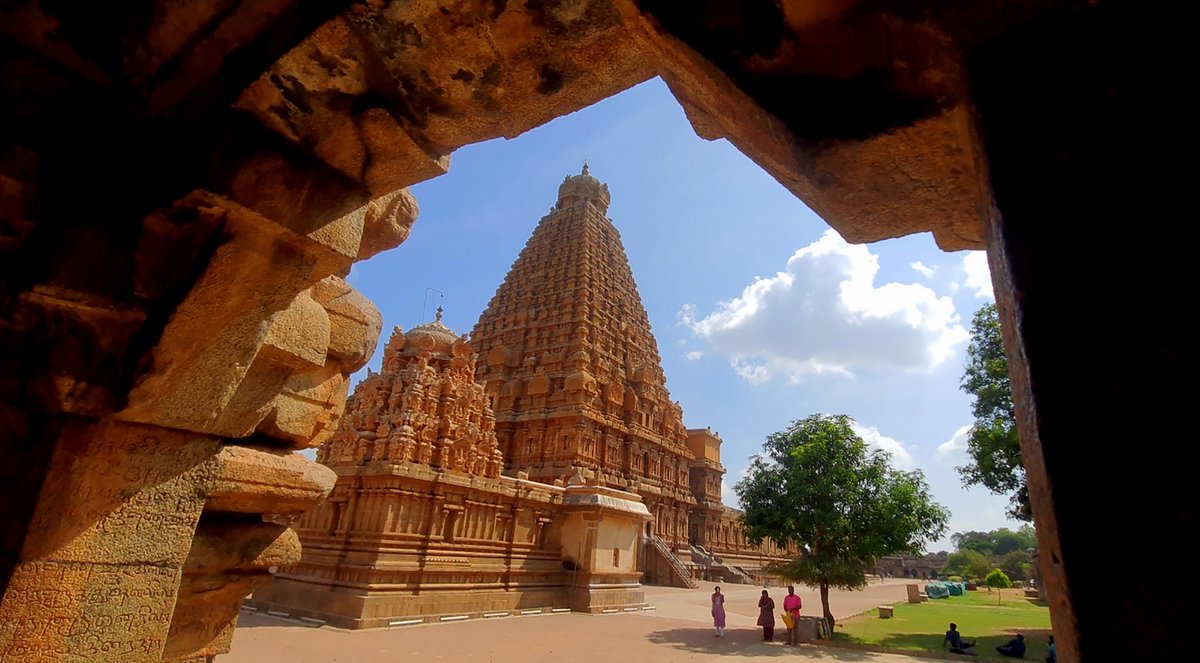
Though more modest than the nearby Brihadeeswarar Temple, Veerabhadra Temple benefited from Chola royal patronage (9th–13th centuries) and underwent significant enhancements under the Nayaks (16th–18th centuries). The presence of distinctive gopurams and pillared mandapams are hallmarks of these periods (TN Temples Project).
Ottakoothar’s Legacy
A unique aspect is the temple’s strong association with Ottakoothar, whose jeeva samadhi is marked by a Shiva Lingam and an image of Saraswati, highlighting the temple’s connection to Tamil literature and devotional arts.
Architectural Features
The Veerabhadra Temple exemplifies classic Dravidian architecture with a compact yet ornate complex. Key highlights include:
- Gopuram The gateway tower adorned with intricate reliefs and mythological figures.
- Mandapams Pillared halls featuring carvings of dancers, musicians, and deities.
- Garbhagriha The sanctum houses a serene Veerabhadra, an unusual depiction for this deity.
- Nandi on Hexagonal Pedestal An architecturally rare feature.
- Bhadrakali Shrine South-facing shrine for Veerabhadra’s consort.
- Iconography Statues of Dakshinamurti, Navagrahas, and guardian dwarapalakas.
- Recent Renovations 20th-century gopuram and mandapam managed by the Veera Saiva matham.
Visitor Information
Hours and Entry
- Opening Hours Daily, 6:00 AM – 8:00 PM
- Entry Fee Free for all visitors
Accessibility and Facilities
- Wheelchair-accessible ramps and rest areas.
- Drinking water and basic amenities available.
- Guided tours can be arranged locally.
Photography and Visitor Etiquette
- Photography is allowed in outer areas but restricted inside the sanctum.
- Modest, respectful attire is expected.
- Remove footwear before entering temple premises.
Major Festivals and Events
- Maha Shivaratri Night-long pujas, cultural programs, and special rituals.
- Veerabhadra Jayanthi Celebrated with processions, martial arts, and folk performances, reflecting the deity’s valor.
Nearby Attractions
- Brihadeeswarar Temple UNESCO World Heritage Site, only 2 km away.
- Thanjavur Maratha Palace
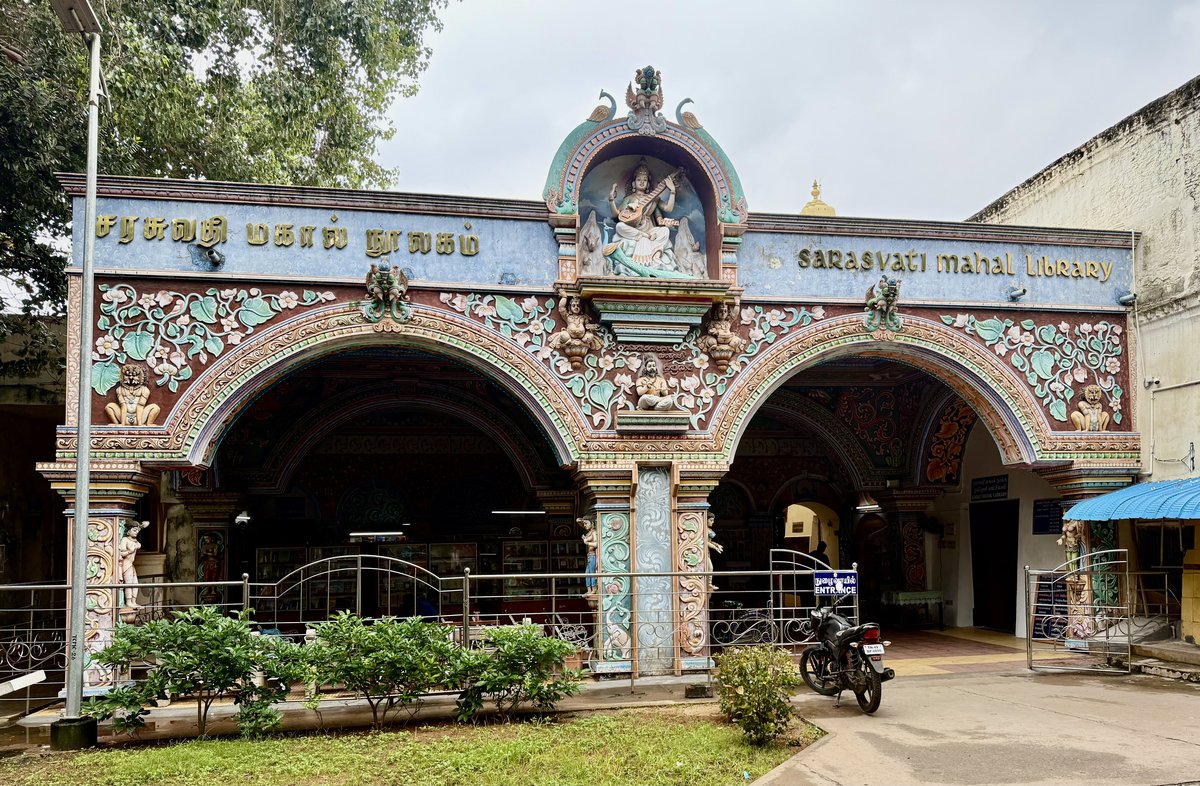
- Saraswati Mahal Library
- Art Galleries Showcasing Tanjore paintings and crafts.
Local transport is readily available; parking is provided near the temple.
Frequently Asked Questions (FAQs)
Q: What are the temple visiting hours?
A: 6:00 AM to 8:00 PM daily.
Q: Is there an entry fee?
A: No, entry is free.
Q: Is the temple accessible for differently-abled visitors?
A: Yes, with ramps and rest areas.
Q: Is photography allowed?
A: Permitted in outer areas; not inside the sanctum.
Q: How to book guided tours?
A: On-site or through local tourism offices.
Conservation Efforts: Lepakshi Veerabhadra Temple (Anantapur)
The Veerabhadra Temple at Lepakshi, Andhra Pradesh, is another renowned South Indian temple dedicated to the same deity. It is acclaimed for its Vijayanagara artistry, the mysterious hanging pillar, and its status as a protected monument (OneIndia).
Visiting Hours (Lepakshi)
- Morning 5:00 AM – 12:30 PM
- Evening 4:00 PM – 8:30 PM
- Entry Fee Free (TemplesTime)
Conservation and Community Involvement
- Managed by ASI Restoration of pillars, carvings, and temple foundations.
- Community Engagement Clean-up drives, fundraising, and educational awareness (TempleYatri).
- Digital Preservation 3D scanning, online archives.
- Challenges Natural erosion, visitor wear, and environmental threats.
- Recognition Listed on UNESCO’s tentative list (Shriveerbhadreshwar).
- Private Support Philanthropic and corporate backing for South Indian temple conservation (Culture and Heritage).