Thane
India Updated Apr 2026
The first thing that hits you in Thane is the smell of kokum drifting from a street stall, sharp and floral, cutting through diesel fumes at 8 a.m. Thirty-five kilometers from Mumbai’s glass towers, this city in Maharashtra, India, still keeps village time: fishermen haul silver pomfret out of creek water while commuters in suits queue for vada pav, and nobody acts like either schedule is more important. You came for a lakeside breather; you stay because Thane refuses to be a suburb.
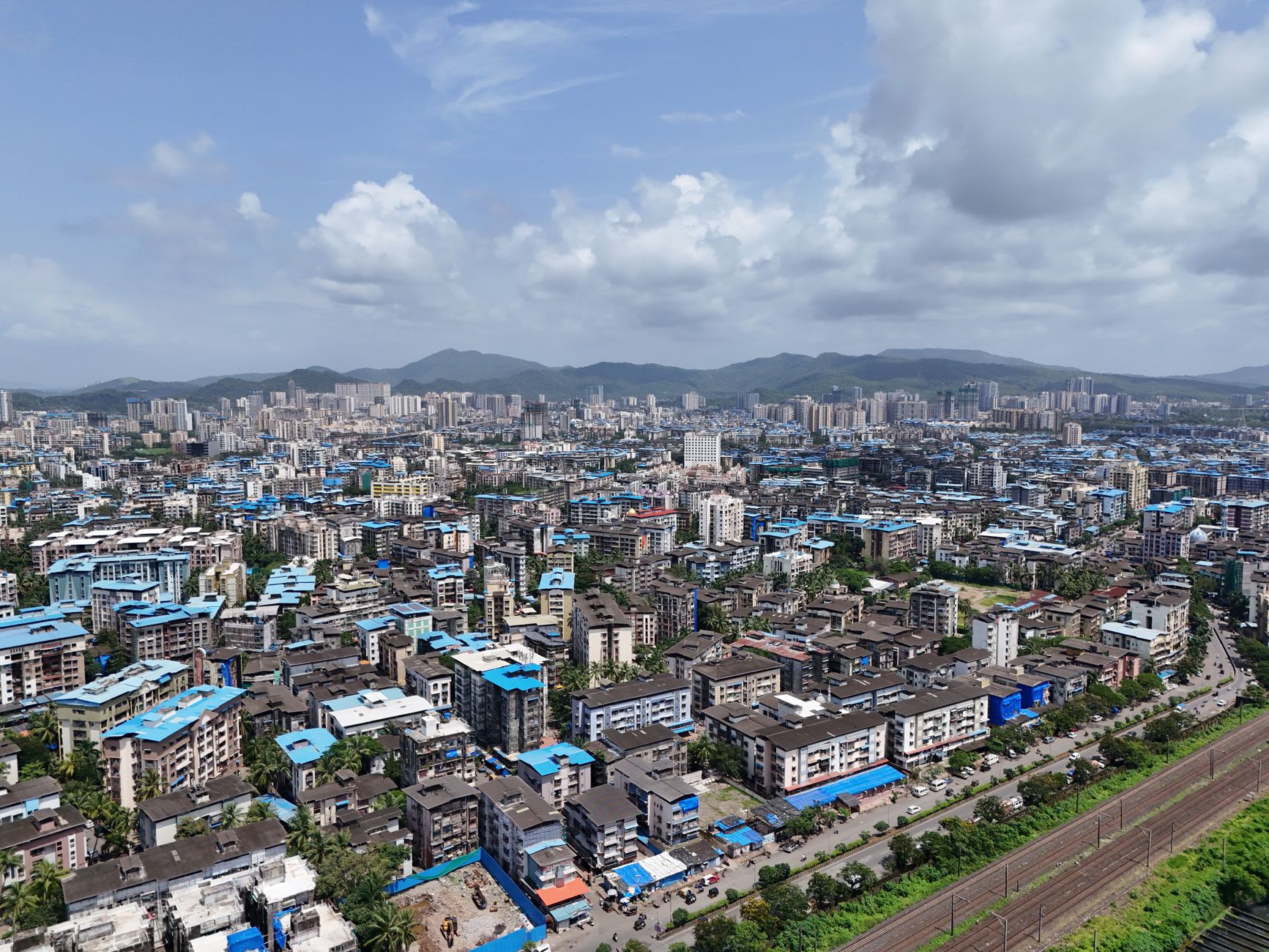 Photo: Rajkumarrr comics / Pexels
- Attractions
- 8
- Audio
- 34 min
- Trip length
- 2–3 days
- Best season
- November–February (lake weather, flamingos)
Why Thane
Built from cited sources · see the method · How we make our guides →
Masunda Lake at dusk feels like a living room the whole city shares. Schoolkids skim stones, aunties power-walk in saris, and the 18-meter linga inside Kopineshwar Temple glows with oil lamps that have been refilled every evening since 1760. Walk ten minutes east and concrete gives way to teak forest; Yeoor Hills rise 190 meters, high enough to mute the traffic but low enough for leopard tracks to appear on the same trails used by evening joggers.
Food here is coastal first, Maharashtrian second. A single metal thali arrives with Malvani curry the color of terra-cotta, rice that smells of Konkan salt air, and a bowl of sol kadhi that tastes like tamarind seawater. Eat it at 1 p.m. sharp or the cook looks offended; lunch has a curfew, dinner runs until midnight, and the city’s only nightclub is technically in the next district.
Thane’s real trick is timing. Show up in January and the Sanskruti Arts Festival turns Upvan Lake into an open-air gallery where potters from Sindhudurg sell clamshell-shaped diyas beside IT engineers debating Kafka in Marathi. Arrive during Ganesh Chaturthi and you’ll watch a 12-meter idol float past apartment blocks, drums so loud they set off car alarms, while flamingos in the creek ignore the noise entirely. Either way, you leave thinking Mumbai is just Thane with worse traffic.
Lake City at the Forest Edge
Thane keeps two lakes inside its city limits—Masunda and Upvan—ringed by promenades where egrets land at dusk. Walk twenty minutes uphill from Upvan and you’re in Yeoor Hills, a teak-and-bamboo ridge that smells of wet earth after the first monsoon shower.Marathi Stage Capital
Gadkari Rangayatan, built in 1979, schedules a new Marathi play every week—surtitles in English on request. The foyer still sells ₹20 chai in clay kulhads that crack if you hold them too tight.Shiva Linga the Size of a Rhino
Kopineshwar Temple’s central linga, carved from black basalt in the 1760 Peshwa rebuild, measures 2.1 m tall—one of the largest in Maharashtra. Monkeys chase worshippers across the Hemadpanthi stone courtyard at sunrise, bells echoing off the old city walls.
Neighborhoods
Where to wander, by quarter — each with its own rhythm.
Talao Pali (Masunda Lake)
The city’s living room wraps around a 5-hectare lake built in the 1600s to water horse-traders’ animals. Evening light turns the water copper; couples rent pedal boats for ₹60 per half-hour while peanut vendors work the promenade. Gadkari Rangayatan theatre, built in 1983, spills audiences into the night smelling of fried chili and applause.Upvan Lake & Manpada ridge
A 30-meter dam created this lake in the 1890s to supply the rail workshop; now it hosts poetry readings at sunrise. The ridge behind it is teak and ghost tree, leopards on motion-sensor cameras, and trailheads that start 400 meters from Starbucks. Sanskruti Festival in April fills the shore with 200 craft stalls—come early, leave with clay whistles that actually sound like koels.Yeoor Hills
Seven tribal hamlets inside a 40-km² forest patch owned by the forest department. Butterflies outnumber people 20:1 between November and March; the air smells of wild mango and wet basalt. Entry is free, closing time is loosely enforced, and the single tea stall serves cutting chai so strong it could wake the Portuguese ghosts in nearby Ghodbunder Fort.Tembhi Naka & Old Thane lanes
Narrow streets where 19th-century wadas have ground-floor pharmacies and second-floor wooden balconies sagging like tired shoulders. Morning smells alternate between filter coffee and disinfectant; by night the same corners sell kothambir vadi at ₹20 per plate. The 1579 ruins of St. John the Baptist Church sit inside a college campus—ask the guard nicely and he’ll unlock the iron gate.Hiranandani Estate
A planned 300-acre township that looks like someone dropped a slice of southern California onto marshland. The main boulevard, called “The Walk,” is 800 meters of faux-Italian pastel lined with third-wave coffee and cocktail bars that close at 1 a.m.—late by Thane standards. Rents are double the city average; the view is still scrubland on one side and construction cranes on the other.Wagle Estate
Industrial sheds turned into micro-brew-adjacent bars where machinists drink alongside call-center kids. Level Up opens at 7 p.m. sharp; happy-hour pricing ends when the first local train horn sounds at 9:27. Street food here means misal pav with extra tarri served on dented tin plates—bring antacids, order anyway.
Plan your trip
Before you go
- Getting There
- Fly into Chhatrapati Shivaji Maharaj International Airport (BOM) 15 km south; prepaid taxis to Thane Station cost ₹600–700. Central Railway’s Thane Station is a major hub—locals leave every 8 min for Mumbai CST (45 min). National Highway 48 skirts the west side of the city.
- Getting Around
- No metro yet—Line 4 (Wadala–Kasarvadavali) is under construction in 2026. Thane Municipal Transport runs 240 CNG and 100 new electric buses; flat fare ₹10–25. Auto-rickshaws are metered but most drivers quote—agree before you board. No public bike share; Yeoor lanes are popular with private cyclists on Sunday mornings.
- Climate & Best Time
- November–February is dry and mild (17–31 °C), perfect for lake walks. March–May climbs to 34 °C with zero rain. Monsoon June–September dumps 1 100 mm; July alone brings 446 mm and flooded rail underpasses. Visit October for post-rain greenery without the deluge.
- Language & Currency
- Marathi is the street language; Hindi works almost everywhere, English in hotels and malls. Indian rupee (₹) only—ATMs on every junction. UPI QR payments accepted at even the peanut vendor outside Thane Station.
Where the Creek Met the World
From Shilahara capital to Mumbai's green escape, a port city that never quite forgot it used to rule
- c. 250 BCE
Greek Merchants Notice the Creek
Satavahana scribes record Greek ships anchoring where Thane Creek meets the Ulhas. The merchants want bamboo crystal—tabashir—shipped west to Egypt. First written trace of the place that will become Thane.
- c. 150 CE
Ptolemy Pins Chersonesus Here
Alexandrian geographer maps a promontory called Chersonesus at the mouth of a great river. Modern scholars lay the grid over Thane Creek. The city enters Mediterranean knowledge forever.
- c. 800 CE
Shilaharas Crown Śrīsthāna
King Aparajita moves his court north from Kalyan and renames the settlement Śrīsthāna—‘place of prosperity’. Copper-plate grants begin calling it the capital of North Konkan. The urban clock starts.
- 1078 CE
Copper Plate Names the City
A land deed issued by Arikesara Devaraja addresses the ‘residents of Sri Sthanaka’. Found under later Portuguese ramparts, it’s the first document that unambiguously says Thane.
- 1321 CE
Friar Jordanus Sees Martyrs
Dominican Jordanus Catalani steps off an Arab dhow into a crowded timber port. Within weeks four of his companions are executed on the creek bank—first Christian blood spilled here, long before the Portuguese.
- c. 1530 CE
Portuguese Rename It Tana
Lisbon’s captains hoist the banner of King João III over a town of teak warehouses and horse stables. They call the place Cacabe de Tana and start taxing every bale of cotton that heads to the Gulf.
Show the full timeline (19 moments)
- 1663 CE
St John the Baptist Rises
Masons lay laterite blocks for a new parish church beside the creek. The bell still rings every evening at six, sounding over the same water where Portuguese galleys once careened.
- 1737 CE
Marathas Storm the Fort
Peshwa cavalry charge through monsoon mud and breach the Portuguese stockade. Thane changes hands for the price of 300 horses and two bronze field pieces. Latin inscriptions are plastered over with saffron.
- 1784 CE
British Collectors Move In
After the Treaty of Salbai, East India Company clerks unpack ledgers inside the captured fort. Thane becomes the district headquarters—paperwork replaces cannonballs, and the town’s future tilts toward Bombay.
- 16 April 1853
First Indian Train Steams Here
At 3:30 pm a soot-black locomotive whistles into Thane carrying 400 passengers from Bombay. Fourteen miles of track, but it rewires the subcontinent. The station still uses the original stone booking office.
- 1891 CE
Anant Kanhere Is Born
In a modest house near Masunda Lake, the boy who will assassinate British collector Jackson takes his first breath. Eighteen years later he’ll hang inside Thane Jail, turning the city into a revolutionary pilgrimage.
- 1910 CE
Kanhere Hanged, City Awakens
The gallows trapdoor cracks open at 7 am. Crowds outside the jail walls recite the Bhagavad Gita. Overnight, Thane becomes stamped on Maharashtra’s map of resistance—schoolchildren still leave marigolds at the gate.
- 1935 CE
Kashinath Ghanekar Born
Future matinee idol draws his first breath in a Thane lane smelling of tamarind and axle-grease. He’ll grow up to own the Marathi stage, earning the title Natsamrat—emperor of actors—before dying young and leaving the city a permanent fan club.
- 1962 CE
Raymond Mill Spindles Begin to Hum
British tailors had imported fabric; now Indians export it. The new mill at Kalwa hires 3,000 workers, and Thane’s skyline sprouts chimneys alongside temple shikharas. The town pivots from admin to industry.
- 1979 CE
Gadkari Rangayatan Opens Curtains
A 900-seat auditorium rises where coconut groves once swayed. Marathi theatre gets a permanent home; every evening auto-rickshaws queue under neon posters promising three hours of song, satire and middle-class dreams.
- 1 Oct 1982
Municipality Becomes Corporation
Population crosses four lakh and paperwork explodes. The upgrade from council to corporation gives Thane its own mayor, a bigger budget, and permission to dream of metros instead of just municipal tanks.
- 1996 CE
Thana Officially Becomes Thane
State government drops the Portuguese-era ‘a’. Station signs are repainted overnight, postcards reprinted, and the city quietly reclaims the Sanskrit root it has always pronounced anyway.
- 2011 CE
Population Hits 1.8 Million
Census officials count more people here than in entire Baltic capitals. Yeoor forest becomes a weekend lung, Upvan lake a morning jogging track. The creek that started everything now glitters with high-rise glass.
- 2022 CE
Cinema Reimagines Anand Dighe
A packed single-screen theatre in Thane watches a Marathi biopic turn the late Shiv-Sena strongman into folk hero. Outside, traffic stalls as supporters garland his statue. The city finally scripts its own mythology on celluloid.
Who lived here
-
Shiv Sena strongman · 1951–2001
Anand Dighe
Born, lived and ruled from Thane
He held court under a banyan outside Thane railway station, settling disputes faster than courts. Today autorickshaw murals still paint him as ‘Thane ka Tiger’—the man who made the city’s identity louder than Mumbai’s shadow.
-
Bollywood dancer & TV judge · born 1973
Malaika Arora
Born in Thane
She spent early childhood by Masunda Lake before the family shifted to Santa Cruz. Locals like to claim the swagger in her ‘Chaiyya Chaiyya’ step was learned running around Thane’s old market lanes.
-
Marathi theatre superstar · 1935–1986
Kashinath Ghanekar
Born and started acting in Thane
He played Hamlet at Gadkari Rangayatan back when it was a tin-roof tent, charging ₹ 5 tickets. The current theatre keeps his make-up box on display—greasepaint still flecked inside.
-
Dynasty founder · c. 800–850
Aparajita Shilahara
Made Thane (Sri Sthanaka) his capital
Copper plates record his 1078 CE land grant near today’s fort walls. Walk Kopineshwar Temple at dusk; the stone lingam he consecrated still smells of camphor and rain.
Where to Eat
Where locals actually book dinner — not the tourist menus.
Insider tips
Small things that change how the city treats you.
Beat the 8:30 crush
Local trains to Mumbai empty out after 9 am; the 8:27 from Thane gets you a seat and cooler air. Return before 6 pm or after 8:30 pm to avoid standing-room-only chaos.Thali before 3 pm
Unlimited Maharashtrian thalis near Thane station shut their counters at 3 pm sharp. Arrive by 2 pm for the freshest bhakri and still-warm dal.Sunset at Upvan Lake
The Yeoor ridge turns copper at 6:15 pm winter, 7 pm summer. Phone shots from the south-east corner catch flamingo-pink sky mirrored in the lake—no filter needed.Yeoor entry fee hack
Forest gate at Patonpada village charges ₹ 50 per vehicle, but walkers enter free before 8 am. Carry ID; guards check for plastic.Ganesh Tuesday silence
During Aug–Sep Ganesh immersions, traffic is sealed around Masunda Lake from 6 pm till midnight. Book a room inside 2 km or plan to walk back.Cash for street food
Old-city vada-pav carts and sugar-cane stalls don’t take UPI after 9 pm. Keep ₹ 100 in small notes; ATMs vanish inside the market lanes.
Gallery
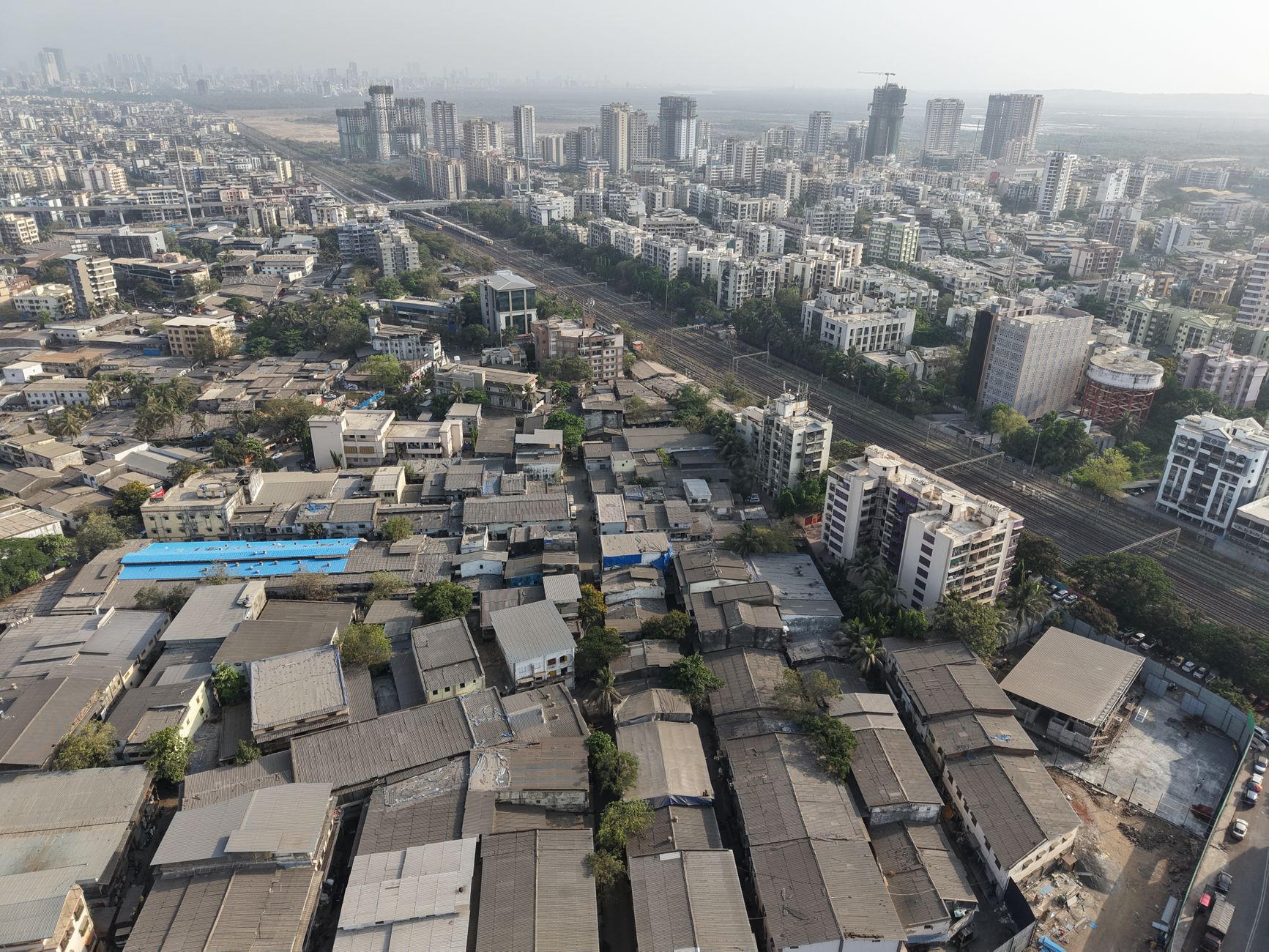
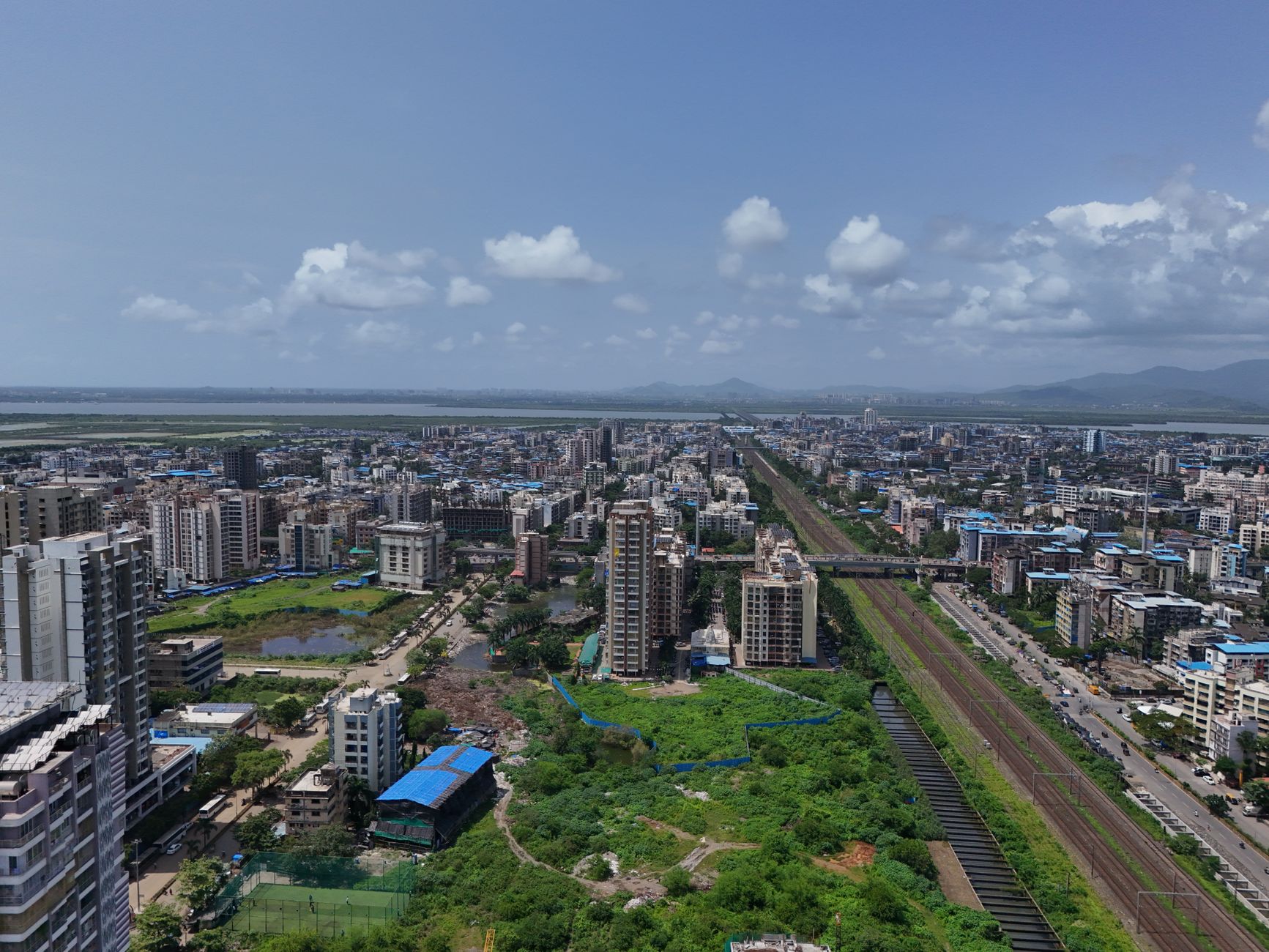
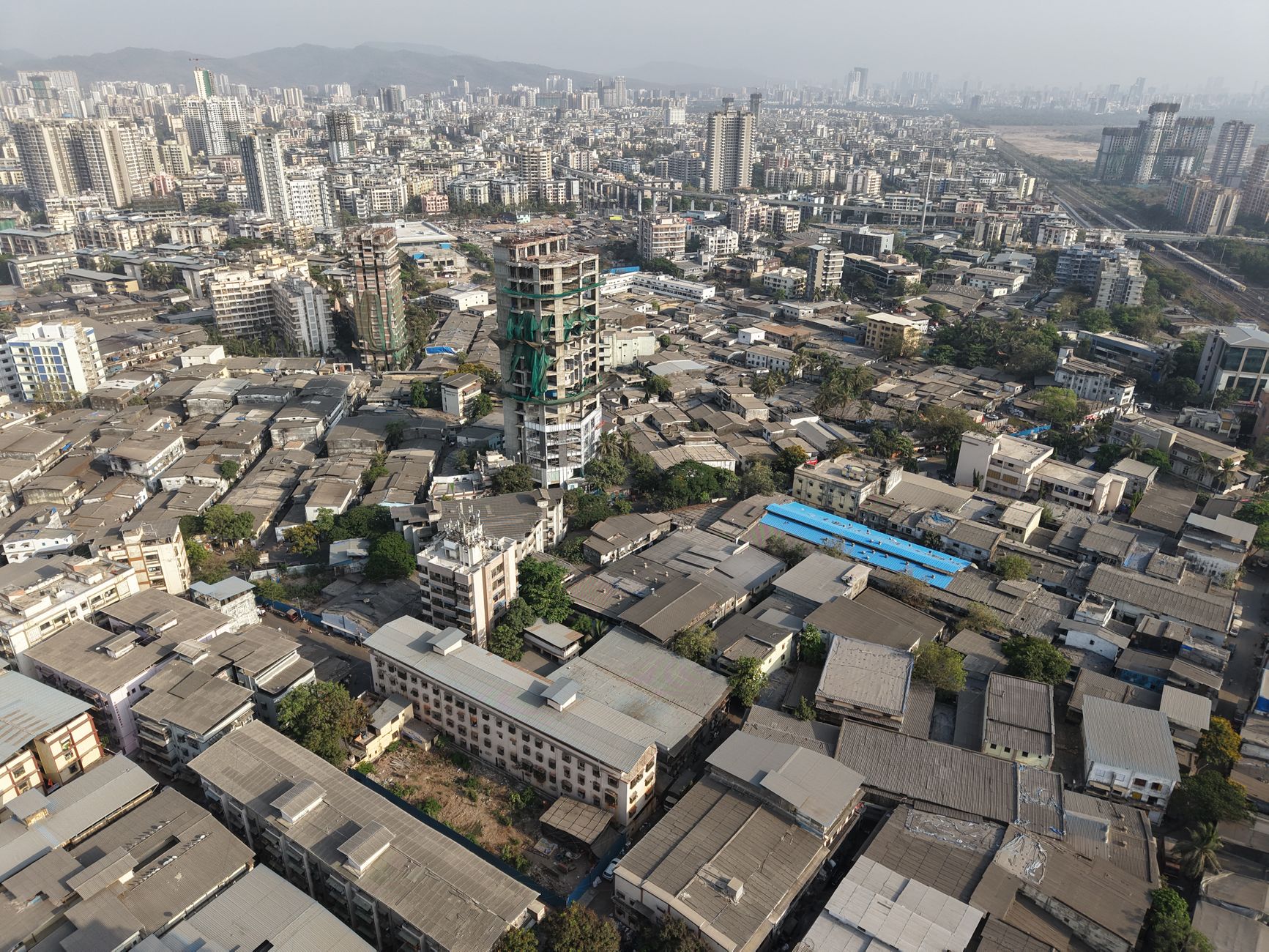
The city, as it actually looks.


Frequently asked
Is Thane worth visiting or just a Mumbai suburb?
Thane is worth a full day on its own. You get 11th-century Shiva carvings at Kopineshwar Temple, lake sunsets framed by forested hills, and Malvani fish curry that predates Mumbai’s restaurant scene—then hop a 45-minute train to the big city whenever you like.
How many days should I spend in Thane?
Budget two days: one for the lakes–temple–fort loop inside the city, one for Yeoor Hills or a district day-trip to Ghodbunder Fort. Add a third night if you’re timing the April arts festival or January Malvani food fair.
What’s the cheapest way from Mumbai airport to Thane?
Take Metro Line 7 to Andheri East (₹ 20), switch to the slow local towards Kalyan and alight at Thane (₹ 15). Total 70 minutes and under ₹ 50. A taxi runs ₹ 700–900 in light traffic.
Are the flamingos at Thane Creek easy to see?
Between December and March, board the 8 am boat from Airoli jetty (₹ 300 return) for guaranteed sightings a kilometre from the mangroves. Bring binoculars; the birds keep a polite 40-metre distance.
Is Thane safe for solo women at night?
The area around Masunda Lake and railway footbridges stays busy until 11 pm with families and theatre crowds. Stick to main roads, avoid poorly lit lanes toward Ghodbunder Road after midnight, and use metered autos—drivers display ID cards inside.
Which local dish should I not leave without trying?
Order kombdi wade—fiery chicken curry with disc-shaped fried bread—followed by kokum-coconut sol kadhi that tastes like the coast in a glass. Metkut, a spiced lentil powder eaten with rice and ghee, is the comfort food locals miss when they move away.
Pick up where you left off
Saved and recently read places — kept on this device only.
Photo credits (6)
- Rajkumarrr comics — Pexels License (https://www.pexels.com/license/) — Source: https://www.pexels.com/photo/35172565/
- Rajkumarrr comics — Pexels License (https://www.pexels.com/license/) — Source: https://www.pexels.com/photo/35172562/
- Rajkumarrr comics — Pexels License (https://www.pexels.com/license/) — Source: https://www.pexels.com/photo/34480704/
- Rajkumarrr comics — Pexels License (https://www.pexels.com/license/) — Source: https://www.pexels.com/photo/34480717/
- Rajkumarrr comics — Pexels License (https://www.pexels.com/license/) — Source: https://www.pexels.com/photo/35172559/
- Rajkumarrr comics — Pexels License (https://www.pexels.com/license/) — Source: https://www.pexels.com/photo/34480697/
Photos may have been resized or cropped.