Etymology and Mythological Origins
Shimoga’s name stems from “Shiva-Mukha” (“Face of Shiva”), with alternate local derivations such as “Shivana-Mogu” and “Shivana-Mogge.” Legend tells of sage Durvasa, whose ashram in the area lent the region its sacred status. Over time, local lore and the evolution of place names led to the modern “Shivamogga” (Shimoga District Official Website).
Prehistoric and Ancient History
Archaeological finds reveal Shimoga’s settlement since the Paleolithic era, with significant Neolithic sites discovered near the Tungabhadra River. Evidence of early human habitation underscores Shimoga’s role as a cradle of southern Indian civilization (Shimoga District Official Website).
Dynastic Rule and Key Historical Sites
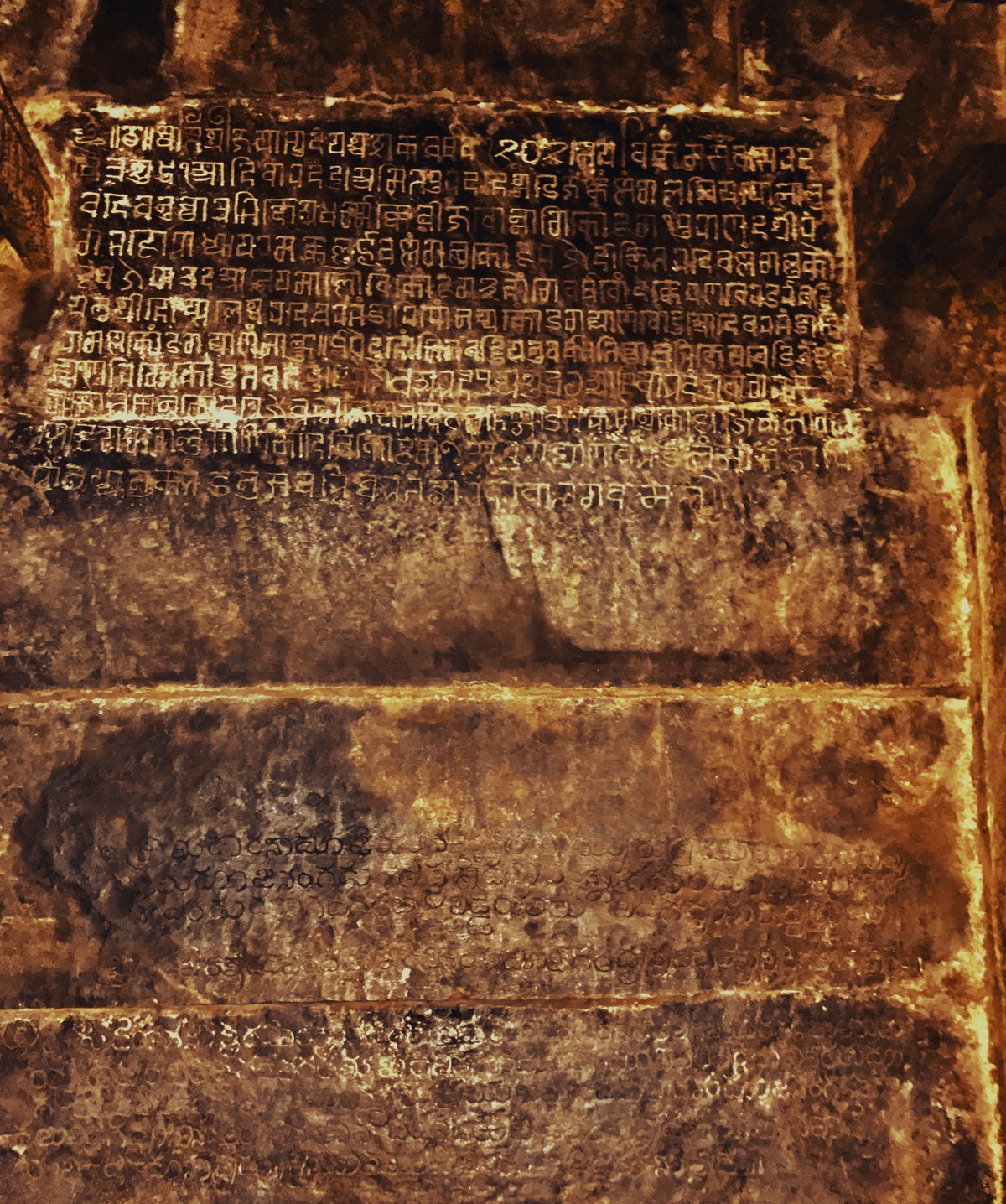
Kadamba, Rashtrakuta, Chalukya, and Hoysala Contributions
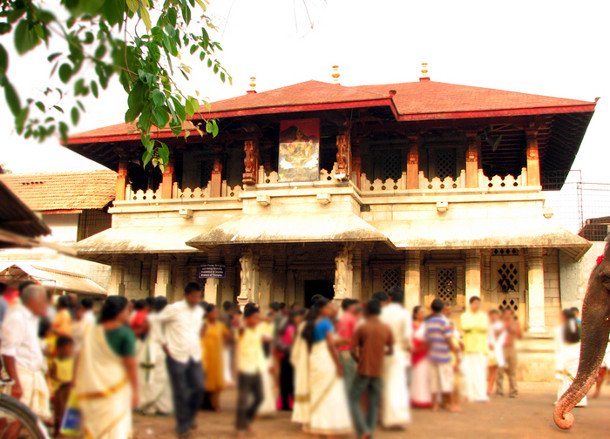
Shimoga flourished under successive dynasties, each leaving behind architectural and artistic treasures. Bandalike’s Jain basadis, the Lakshminarasimha Temple in Bhadravathi, and the Rameshwara Temple on the Tunga riverbank exemplify their enduring legacy (Shimoga District Culture & Heritage).
The Keladi Nayaka Dynasty
The Keladi Nayakas, ruling from the 16th century, established Nagara as their capital. Shivappa Nayaka’s reign saw the construction of the Shivappa Nayaka Palace, now a museum housing artifacts from multiple dynastic periods. The Keladi Rameshwara Temple is another architectural highlight (Shimoga District Culture & Heritage).
Colonial and Modern Eras
Shimoga came under Mysore Sultanate control in the 18th century before British annexation spurred further modernization, including the establishment of iconic industries (Shimoga District Official Website).
Modern Shimoga and Industrial Heritage
Today, Shimoga balances tradition and progress. The Sir M. Visvesvaraya Iron & Steel Plant and Mysore Paper Mills highlight its industrial prowess, while fertile lands make it Karnataka’s “Rice Bowl” (Holidify).
Cultural Traditions and Artistic Life
Shimoga is a hub for cultural arts, especially Yakshagana, a colorful blend of dance and drama. The NEENASAM drama institute and a range of religious sites—such as Ganapathi Devasthana, Basaveshwar Temple, Marikamba Devasthana, and the expansive Saint Thomas Church—showcase the city’s artistic and spiritual diversity (Shimoga District Culture & Heritage).
Major Attractions: Visiting Hours & Ticket Info
Shivappa Nayaka Palace
- Hours 9:00 AM – 5:30 PM (Closed Fridays)
- Tickets ₹20 adults, ₹10 children
- Accessibility Wheelchair friendly
- Highlights Historical artifacts museum
Lakshminarasimha Temple, Bhadravathi
- Hours Sunrise to sunset
- Tickets Free entry
Bandalike Jain Basadis
- Tickets Free entry
Saint Thomas Church
- Hours 8:00 AM – 6:00 PM
- Tickets Free entry
Keladi Rameshwara Temple
- Hours 6:00 AM – 8:00 PM
- Tickets Free
- Highlights Stone carvings and murals
Kavaledurga Fort
- Hours 7:00 AM – 5:00 PM
- Entry ₹30
Nature Escapes and Wildlife Experiences
Jog Falls
- Hours 8:00 AM – 6:00 PM
- Entry ₹20
- Best Season Monsoon and post-monsoon
Kodachadri Hill
- Hours 6:00 AM – 6:00 PM
- Permit ₹50
- Trek Difficulty Moderate to difficult
Agumbe
- Hours 8:00 AM – 5:00 PM
- Attractions Rainforest research, waterfalls, sunset point
Sakrebailu Elephant Camp
- Hours 8:30 AM – 11:00 AM (bathing/feeding hours best for visits)
- Entry ₹50 adults, ₹25 children
Tyavarekoppa Tiger and Lion Safari
- Hours 10:00 AM – 1:00 PM & 2:15 PM – 5:00 PM (Closed Tuesdays)
- Entry ₹50 (Indians), ₹200 (foreigners)
Bhadra Wildlife Sanctuary
- Hours Dawn to dusk (guided safaris available)
- Entry ₹100
Mandagadde & Gudavi Bird Sanctuaries
- Hours 7:00 AM – 6:00 PM
- Entry Free or nominal
Honnemaradu Reservoir
- Hours 8:00 AM – 6:00 PM
- Entry ₹100 for water activities
Other Noteworthy Sights
- Mattur & Hosahalli Sanskrit-speaking villages—cultural immersion
- Dabbe Falls Trekking and adventure
- Kundadri Hill Jain pilgrimage, panoramic views
- Sigandur Chowdeshwari Temple Access by barge ferry
- Gandhi Park Urban green space
Practical Travel Information
- Best Time to Visit October to March for sightseeing; June–September for waterfalls (monsoon)
- Transport Well connected by road, rail, and air (Mangalore Intl. Airport is nearest)
- Local Travel Taxis, buses, and auto-rickshaws
- Tickets Carry cash; digital payments may not be accepted everywhere
- Dress Code Modest attire, especially for temples
- Language Kannada (official), English and Hindi widely spoken
- Cuisine Sample Akki Rotti, Bisi Bele Bath, Neer Dosa at local eateries
FAQs
Q1: What are the visiting hours for major Shimoga attractions?
A1: Most sites open from 9:00 AM to 6:00 PM; some temples open earlier and close later.
Q2: Are entry fees required?
A2: Yes, most attractions have nominal fees (₹10–₹50); some temples and sanctuaries are free.
Q3: Are guided tours available?
A3: Yes, at key sites and through local operators.
Q4: What is the best time to visit Shimoga?
A4: October to March for pleasant weather; monsoon for waterfalls.
Q5: How do I reach Shimoga?
A5: By train (Shimoga Nagar Railway Station), road (NH 206), or via Mangalore International Airport.
Discover More
Shimoga offers a rich blend of heritage, natural beauty, and cultural vibrancy. From ancient temples and royal palaces to thundering waterfalls and wildlife adventures, the region promises diverse experiences for every traveler. Plan your journey with this guide, check the latest updates on official and trusted travel websites, and download the Audiala app for curated itineraries, local tips, and real-time updates. Start exploring Shimoga’s wonders today!