Introduction
The first thing that feels off is the silence at 5 a.m. on Sarojini Devi Road: no honking, just the clink of porcelain as barefoot waiters pour pink-tea Irani chai into glasses still warm from the kiln. Secunderabad, India’s forgotten cantonment twin, wakes up before Hyderabad has finished its last peg of rum—soldiers on morning drill, priests ringing the bell at St. Mary’s Basilica, and the scent of kheema drifting from a 1957 railway café that never bothered to change its menu.
This is a city that hides in plain sight. Locals simply call it “the other side of the lake,” but walk ten minutes north of the glass-box tech parks and you’re among 1847 British parade grounds, Parsi fire temples with locked silver doors, and a stepwell rescued from garbage dump to amphitheatre. Secunderabad keeps its stories in inches, not miles: a 120-foot teak flagpost that once saluted viceroys, a maze garden where the President of India still retreats every winter, and a clock tower whose four faces were paid for by shopkeepers who wanted to catch the last train to Bombay.
Come for the architecture—Gothic spires, Art Deco balconies, barracks turned into bakeries—but stay for the micro-rituals. Dip an Osmania biscuit long enough to let it collapse into sweetness, bargain for bangles while Bonalu drums throb down RP Road, climb Moula Ali Hill at sunrise to watch the Deccan plateau glow like a kiln just opened. Secunderabad won’t shout for your attention; it offers you a chair, pours tea the color of sunset, and lets eavesdropping do the rest.
Places to Visit
The Most Interesting Places in Secunderabad
Nizam Museum
Nestled within the historic Purani Haveli palace complex in Hyderabad, India, the Nizam Museum offers an unparalleled window into the regal heritage and…
Dr. B.R. Ambedkar Statue
The Dr. B.R. Ambedkar Statue in Hyderabad, prominently situated near Hussain Sagar Lake and the Telangana State Secretariat, stands as a monumental tribute to…
British Residency, Hyderabad
Nestled in the historic Koti area of Hyderabad, India, the British Residency, also known as Koti Residency or Rashtrapati Nilayam, stands as an enduring…
Moghlapura
Nestled within the vibrant metropolitan area of Hyderabad, India, Moghlapura and Secunderabad stand out as culturally rich and historically significant…
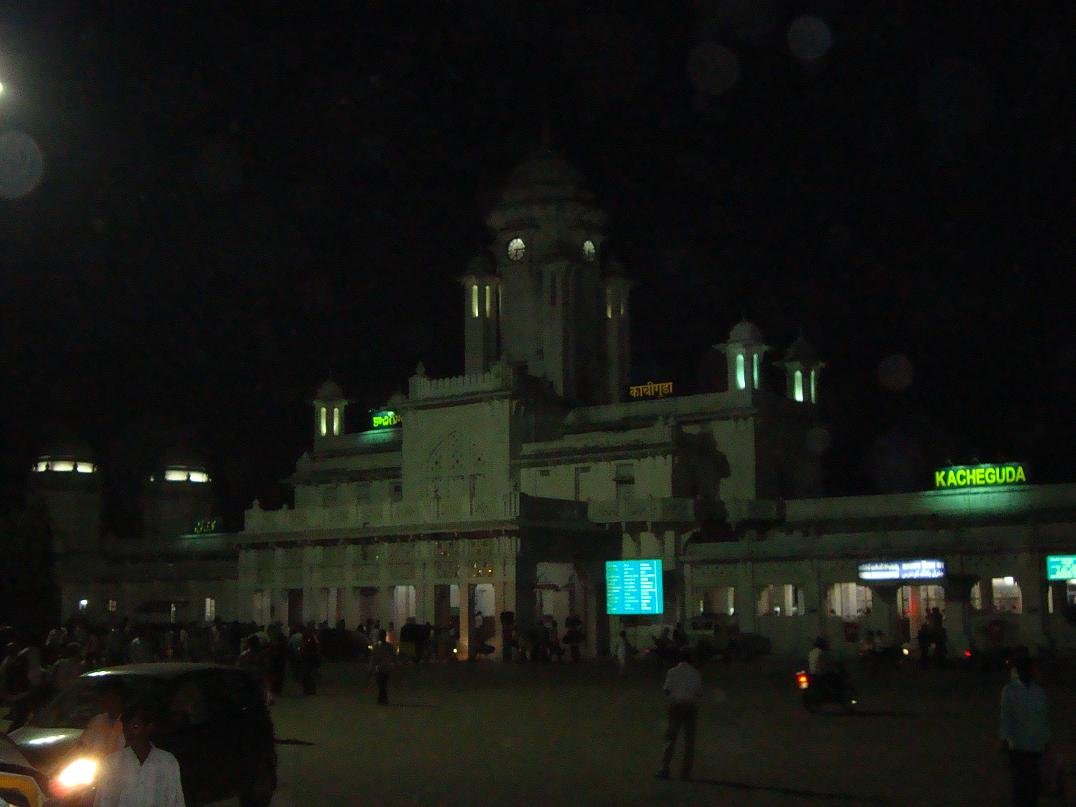
Kacheguda_Railway_Station_Building
Kacheguda Railway Station, located in the heart of Hyderabad near Secunderabad, stands as a remarkable fusion of rich historical heritage and modern railway…
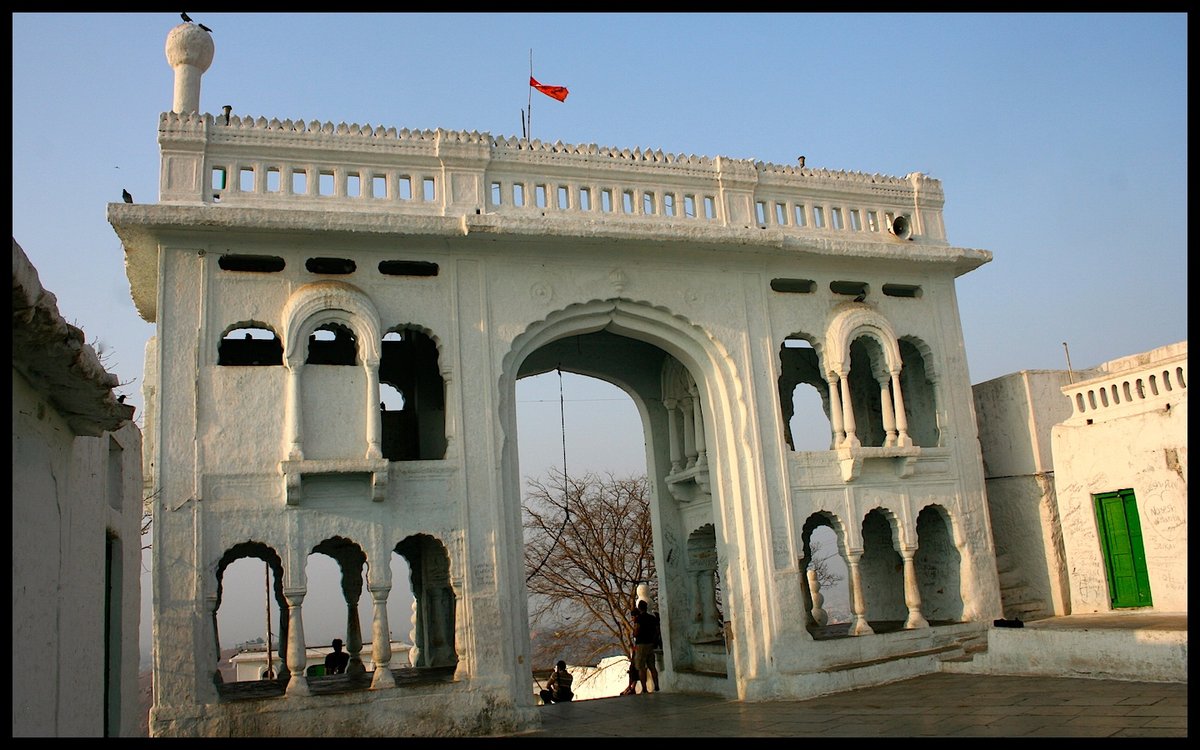
Moula Ali Dargah
Nestled atop the granite Moula Ali Hill in Secunderabad, Telangana, the Moula Ali Dargah stands as one of Hyderabad’s most iconic and spiritually significant…
Telugu Lalitha Kala Thoranam
Telugu Lalitha Kala Thoranam, an iconic open-air auditorium nestled within the historic Public Gardens (Bagh-e-Aam) of Hyderabad, India, stands as a living…
What Makes This City Special
Cantonment Ghosts
Stroll from the 1860 All Saints’ Church to the Parsi Fire Temple of 1847—British barracks, Gothic arches and Zoroastrian embers all within one square mile. The sandstone Clock Tower still strikes on the hour, echoing off parade-ground facades that once quartered two armies.
A Stepwell Reborn
Bansilalpet’s 17th-century stepwell reopened in 2022 with cafés cantilevered over water and an amphitheatre where the city now hosts poetry at dusk. Climb 75 steps past chiselled Deccan granite and you’ll see why locals call it ‘Secunderabad’s vertical tank bund.’
Irani-cafe Time Capsule
Order a 6-rupee Osmania biscuit at Alpha Hotel (serving since 1957) while the proprietor recites the Persian calendar. The same marble-topped tables once plotted railway strikes; today they host midnight debates over chai that tastes of cardamom and nostalgia.
Sunrise on Moula Ali
Climb 480 roughly-hewn steps to the hilltop dargah before dawn; the city’s cantonment grid glints pink while Hyderabad’s high-rises float like mirages across Hussain Sagar. Pilgrims claim the 13th-century stone footprint here glows for a minute when the first ray hits.
Historical Timeline
A Cantonment Rises from the Lake's Edge
From Ulwul village to presidential retreat—how a military camp became Hyderabad's twin
Kakatiya Fall, Delhi Sultanate Arrives
The Telugu-speaking Kakatiya kingdom, which had ruled these Deccan plains from Warangal, collapses under northern armies. Ulwul—future Secunderabad—becomes a quiet lake-side hamlet within the Delhi Sultanate's restless frontier. Persian chronicles barely note the place; locals still speak Telugu around Hussain Sagar's lotus banks.
Hyderabad Founded Across the Lake
Muhammad Quli Qutb Shah lays out Hyderabad five kilometres southwest of Ulwul. The new capital's Charminar rises in granite; Hussain Sagar, fed by canals, becomes the reflecting mirror between two settlements. Ulwul supplies bricks, lime and boatmen for the royal city—its first commuter link.
Mughal Cannons End Golconda
Aurangzeb's artillery breaches Golconda fort; the Qutb Shahi dynasty ends. Ulwul's farmers watch imperial banners replace the yellow diamond standard. Tax registers switch from Telugu to Persian overnight; the village headman learns to sign his name in nastaliq script.
Asaf Jah I Creates the Deccan Nizamate
Viceroy Asaf Jah declares autonomy; Hyderabad State is born. Ulwul lies just outside the capital's walls, supplying milk, fodder and fish. The Nizam's cavalry graze horses on the lake's northern meadows—future parade grounds of a British cantonment.
Subsidiary Alliance Welcomes the British
The Nizam signs a 'protection' treaty; 6,000 Company troops march in. Red-coated officers sketch camping grounds north of Hussain Sagar, marking Ulwul on military maps for the first time. Bazaars sprout overnight to sell rum, soap and imported Cheshire cheese.
Secunderabad Cantonment Officially Born
Sikander Jah renames Ulwul after himself; the British raise barracks, a commissariat and the first parade ground. Native labourers mix Deccan lime with English brick dust—an architectural alloy that still colours old bungalows. The camp is exempt from customs; trade booms.
Plague, Vow and First Bonalu
Cholera ravages the barracks. Suriti Appaiah, a troop cook, vows at Ujjain's Mahakali; returning, he installs an idol in a Secunderabad tent. The nightly drumming and turmeric offerings evolve into Lashkar Bonalu—still the city's loudest festival.
Fr. Murphy Raises St. Mary's Towers
Irish priest Daniel Murphy completes the first Catholic church in Secunderabad—its twin spires visible from incoming troop trains. He funds schools for Anglo-Indian children; Latin hymns drift across the parade ground at dawn reveille. The church bell still marks the Angelus at 6 p.m., competing with mosque azaans.
Mutiny Panic Builds Trimulgherry Jail
News of Delhi's uprising reaches the cantonment; British officers fortify Trimulgherry hill. A polygonal jail rises to cage mutineers—its stone cells echo with Deccani Urdu graffiti scratched by rebels. The entrenchment walls still carry 1858 datestones.
All Saints' Church Consecrated
Gothic arches and stained glass arrive for the British garrison. The church registers record cholera deaths, cricket scores and baptisms of children born between Hyderabad and 'the Camp'. On Sundays, the band of the 3rd Madras Native Infantry plays hymns outside.
First Steam Engine Whistles In
Secunderabad Junction opens under the Nizam's Guaranteed Railway. The platform clock—imported from Leeds—becomes the city's public timekeeper. Irani refugees fleeing Persia set up the first tea stall; the scent of cardamom chai mingles with coal smoke.
Clock Tower Inaugurated
A 120-foot Victorian tower of Guntur stone starts ticking on 1 February. Locals set their pocket-watches to its bell; nearby merchants rename the road 'Clock Tower' before municipalities catch up. Evening shadows slice MG Road into golden rectangles—still the best hour for photography.
Ronald Ross Pinpoints Malaria's Secret
Surgeon Ronald Ross, posted to the cantonment hospital, dissects mosquitoes on a monsoon night and sees the plasmodium cycle. His diary entry—'I found the pigment'—earns him a Nobel and births modern tropical medicine. The bungalow where he worked still stands behind Gandhi Hospital.
Young Churchill Drinks Whiskey in Barracks
Cornet Winston Churchill, 22, joins the 4th Hussars at Trimulgherry. He pens letters home complaining of 'heat like a blast furnace' and learns polo on the parade ground. Decades later, memories of Deccan dust colour his speeches on empire.
Great Musi Flood Swallows Twin Cities
A cloudburst sends a four-metre wall of water down the Musi; 15,000 drown in Hyderabad. Secunderabad's ridge camps act as refugee hilltops; British troops ferry survivors in ox-carts. The catastrophe spawns Osman and Himayat Sagar lakes—still the city's flood insurance.
Operation Polo Ends Nizam Rule
Indian Army tanks roll in; the Nizam's forces surrender in 109 hours. At Bolarum, the last British-era flagstaff becomes the site of Hyderabad's first tricolour hoisting. Secunderabad's barracks switch from empire to republic overnight—mess halls rename 'curry day' as 'khana'.
President Makes Bolarum His Southern Retreat
The 1860 British Residency becomes Rashtrapati Nilayam. Nehru plants a mahogany sapling in its manicured maze; the teak flagpost is now a 120-foot tribute to integration. For the first time, Indian citizens can tour a building their colonial grandparents never entered.
Shyam Benegal Born in Trimulgherry
In a railway quarter smelling of engine grease and jasmine, the future pioneer of Indian parallel cinema takes his first breath. His childhood films are screened in the cantonment's open-air theatre—mosquitoes and romance projected together. Secunderabad's Anglo-Indian accents later populate his scripts.
Sunil Chhetri Kicks His First Ball
Born in an army hospital to an officer father, India's future football captain learns dribbling between parade-ground white lines. The cantonment's monsoon puddles become his first pitch. Decades later, his autobiography recalls 'the smell of wet khaki and football leather'.
St. Mary's Becomes a Basilica
Vatican bells ring; the 1850 church is elevated to Minor Basilica—the only one in Telangana. Its original Murphy spires are sand-blasted back to limestone white. Midnight Mass now streams live to Malayali nurses in Dubai.
Secunderabad Club Fire Scorches Colonial Wood
An electrical spark devours 144-year-old teak beams, polo trophies and silver cigar boxes. Members watch Victorian billiard tables collapse into ash. Within hours, WhatsApp groups auction charred club chairs as memorabilia—heritage reduced to salvage.
Rashtrapati Nilayam Opens Rare Gardens
A 120-foot flag replica, restored stepwells and a knowledge gallery welcome public for the first time. Visitors walk the same corridors where Presidents once reviewed monsoon storms over the Deccan. Online slots sell out in minutes—colonial retreat becomes democratic museum.
Notable Figures
Sikander Jah, Asaf Jah III
1768–1829 · Nizam of HyderabadHe swapped a patch of scrubland for a British regiment and accidentally birthed a cantonment city. Today the traffic on his eponymous roads would probably send him galloping back to the Golconda serenity.
Sir Ronald Ross
1857–1932 · Nobel-winning physicianIn a modest Secunderabad hospital he dissected mosquitoes and cracked the malaria mystery—earning the city its first Nobel. The institute that still bears his name keeps a stained slide of the decisive 1897 specimen.
Winston Churchill
1874–1965 · British Prime MinisterYoung subaltern Churchill drilled on the Parade Ground, gambled at the Secunderabad Club and mailed dispatches that foreshadowed his prose. The bar still keeps a photocopy of his bar tab—brandy and cigars, predictably.
Sunil Chhetri
born 1984 · Indian football captainIndia’s record goal-scorer took his first kicks in Sainikpuri lanes and returns every off-season for his mother’s biryani. Locals claim the 400-step Moula Ali hill is where he built early stamina.
Photo Gallery
Explore Secunderabad in Pictures
The entrance to the HQ Telangana and Andhra Sub Area in Secunderabad, India, showcasing its distinctive military architecture and landscaped grounds.
Adbh266 · cc by-sa 3.0
A busy bus depot in Secunderabad, India, showcasing rows of parked public transport vehicles against a backdrop of urban development.
LOVEofZ · cc by-sa 4.0
A bustling view of the Rathifile Bus Station in Secunderabad, India, capturing the daily flow of auto-rickshaws, buses, and commuters.
melgupta · cc by-sa 2.0
The signage for the B.V. Gurumurthy Memorial Swimming Pool and D.A.D. Guest House, a municipal facility located in Secunderabad, India.
Rajasekhar1961 · cc by-sa 4.0
A wide-angle panoramic view of the busy Secunderabad Railway Station in India, showcasing its industrial architecture and daily commuter activity.
Tushar0034 · cc by 4.0
A historical colorized view of James Bazaar Street in Secunderabad, India, showcasing the iconic clock tower and bustling colonial-era street life.
PaperJewels · cc by 4.0
This unique circular structure with a prominent concrete arch is a notable architectural landmark located in Secunderabad, India.
Bhaskaranaidu · cc by 2.5
A view of the modern metro infrastructure towering over a busy street in Secunderabad, India, with local commuters and a bus passing by.
Adbh266 · cc by-sa 3.0
The exterior signage of the historic Centenary Baptist Church located in Secunderabad, India.
Meher Mansion · cc by-sa 4.0
A peaceful street scene in Secunderabad, India, where delicate pink blossoms contrast against a dramatic, cloud-streaked sky.
E.Prabha · cc0
The ornate, bird-covered dome of a historic mosque contrasts with a modern monument celebrating the 200-year anniversary of Secunderabad, India.
Nagesh Jayaraman · cc by 2.0
A vibrant street market in Secunderabad, India, captures the daily life and local commerce near the iconic Alpha Hotel.
Arunpnair 787 · cc by-sa 4.0
Practical Information
Getting There
Fly into Rajiv Gandhi International Airport (HYD) at Shamshabad; Pushpak Airport Liner route AA runs to Secunderabad every 30 min, ₹350–450. Main rail hubs are Secunderabad Junction and nearby Hyderabad Deccan (Nampally); NH44 and NH65 feed the city from Mumbai and Bengaluru.
Getting Around
Hyderabad Metro has 3 lines—Green, Blue, Red—with 60 stations; Secunderabad is served by Parade Ground, Secunderabad East & West, and Paradise. Smart Card ₹20 deposit, rides ₹10–60. TGSRTC operates 10,000+ buses including Metro Express/Luxury AC; no city-wide bike-share yet, so walk the cantonment core or hail an auto.
Climate & Best Time
Winter (Dec–Feb) is coolest at 15–28 °C and driest (<8 mm rain). Summer (Apr–May) peaks near 42 °C; monsoon (Jun–Sep) dumps 150–190 mm monthly. Visit October–February for stepwell afternoons and hilltop dawns; avoid August if you dislike flooded lanes.
Language & Currency
English works in hotels and metro signage, Hindi-Urdu in bazaars, Telugu with drivers. Carry Indian Rupee (₹) cash for cafés; UPI One World wallet accepts passport + visa, zero fees. Tipping 5–10 % in restaurants, round up for autos.
Where to Eat
Don't Leave Without Trying
Alpha Hotel
local favoriteOrder: Kheema roti, Osmania biscuits with chai, and their biryani—this is where locals get off the train and eat. The mince meat dishes are the real deal.
A railway-station institution since 1957, Alpha is where Secunderabad's old-school breakfast culture lives. Packed with commuters and travelers who know the real Secunderabad.
Blue Sea Tea & Snacks
quick biteOrder: Onion samosa, Osmania biscuits, golden chai, and jam rolls. This is pure old-school Secunderabad snacking—crispy, fresh, and unapologetic.
The strongest chai-and-snacks stop near the station, Blue Sea is where locals actually spend their afternoons. High rating (4.4) and massive review count prove it's the real deal.
Kamat Hotel
local favoriteOrder: Biryani, kebabs, and traditional North Indian curries. Kamat is dependable for lunch or dinner without the crowds of Paradise Circle.
A reliable mid-range spot near Clock Tower with over 10,000 reviews. Locals use it as a solid fallback for a proper sit-down meal.
Hotel Saptagiri
local favoriteOrder: Breakfast specials and biryani. The early-morning crowd here is a sign it's doing something right for station-side eaters.
Positioned right near the railway station with solid ratings, Saptagiri is a quiet alternative to the chaos of Alpha or Blue Sea for a proper breakfast.
Shraddha Temptations
cafeOrder: Fresh pastries, cakes, and baked goods. Shraddha is where Regimental Bazaar locals grab their afternoon sweets.
A neighborhood bakery with a 4.1 rating and solid local following. It's the kind of place where quality matters more than hype.
Karachi Bakery - Vikrampuri
quick biteOrder: Classic biscuits, cakes, and pastries. Karachi is one of Hyderabad's signature bakery names—this Vikrampuri location is where locals stock up.
Karachi Bakery carries real heritage and reputation across Hyderabad. The Vikrampuri outpost delivers the same quality with a neighborhood feel.
Vac's Pastries - KARKHANA
cafeOrder: Pastries, cakes, and fresh baked goods. Vac's is where Karkhana residents go for quality without pretense.
A 4.3 rating with over 6,000 reviews signals consistent quality. Vac's has built real neighborhood loyalty in Karkhana.
McDonald's
quick biteOrder: Standard McDonald's menu. Reliable for a quick bite or when you need something familiar.
A convenient option on S D Road near Paradise Circle for fast, predictable eating. Good for families or when you're in a rush.
Dining Tips
- check Paradise Circle and S D Road are the classic biryani and restaurant axis—expect crowds during lunch and dinner.
- check Railway Station Road and Regimental Bazaar are best for early morning (5:00 AM+) chai, snacks, and the most 'old Secunderabad' experience.
- check Budget meals (₹500–₹850 for two) are standard at Alpha, Blue Sea, and Kamat; mid-range sits around ₹950–₹1,400.
- check Many local spots open very early (5:00–7:00 AM) to catch the station and commuter crowd—go early for the freshest experience.
- check Haleem is seasonal and best during Ramadan; check ahead if it's a must-try.
- check Cash is common at older establishments; carry small notes for street-food and budget spots.
Restaurant data powered by Google
Tips for Visitors
Book Nilayam Early
Slots for India’s southern presidential retreat open two weeks in advance on the Rashtrapati Bhavan portal—weekends sell out fastest.
Sip Irani Chai Slowly
Stand, sip, and dunk the Osmania biscuit—rushing the ritual at Alpha Hotel or Blue Sea is the quickest way to out yourself as an outsider.
Sindhi Colony Crawl Rule
Arrive hungry at 7 p.m., share every plate, and walk the full PG Road strip before deciding on dessert—stalls change nightly.
Bonalu Silence Zones
During Lashkar Bonalu, RP Road turns into a pedestrian-only devotional corridor—plan alternate routes and expect drumbeats until midnight.
Dawn Light at Moula Ali
Climb the 400-odd steps to Moula Ali Dargah by 5:45 a.m. for rose-gold sunrise views over both twin cities—tripod permitted.
Explore the city with a personal guide in your pocket
Your Personal Curator, in Your Pocket.
Audio guides for 1,100+ cities across 96 countries. History, stories, and local insight — offline ready.
Audiala App
Available on iOS & Android
Join 50k+ Curators
Frequently Asked
Is Secunderabad worth visiting if I’m already seeing Hyderabad? add
Absolutely—Secunderabad gives you the quieter cantonment layer the Old City lacks. In one compact day you can sip 1950s Irani chai beside the station, climb Moula Ali Hill for sunrise, tour a presidential estate, and finish with Sindhi Colony street food.
How many days should I spend in Secunderabad? add
Budget one full day to cover the colonial core, Rashtrapati Nilayam, and a night food crawl. Stretch to two if you want to linger in Sainikpuri cafés or fit the Bansilalpet stepwell and YK Antiques Home Museum.
What’s the easiest way to get from Hyderabad airport to Secunderabad? add
The Pushpak Airport Liner (₹250) drops at Secunderabad station in 55–70 min depending on traffic. Ride-shares cost ₹900–1 200 and can take 90 min at rush hour—metro + local train is cheapest but requires two changes.
Is Secunderabad safe for solo female travellers at night? add
The station-SD Road strip stays well-lit and busy until the last train around midnight. Stick to main roads, avoid the deserted parade ground side after 11 p.m., and use app cabs for late rides—drivers know the Sainikpuri café circuit.
Do I need to tip in Irani cafés? add
No—old-school cafés like Alpha add a modest service charge to the bill. Leaving the small change (₹5–10) on the marble counter is appreciated but never expected.
Sources
- verified The News Minute – Vanishing Irani Cafés — Insider timeline of iconic chai joints and current survival status.
- verified President of India – Rashtrapati Nilayam visitor portal — Official booking window, timings and visitor rules for Bolarum retreat.
- verified Deccan Chronicle – Night Owls Let Down — Local reporting on bar closing times and late-night transport gaps.
Last reviewed: