Place
Ranchi
India Updated Apr 2026
The first thing that catches you off guard in Ranchi, India, is the sound of water falling through forest—98 meters of it—while city traffic hums just out of sight. One minute you're negotiating a roundabout clogged with matador vans; ten minutes later you're ankle-deep in spray at Hundru Falls, wondering how a state capital kept a canyon secret.
 Photo: Eddyvishal · CC BY-SA 3.0
- Attractions
- 12
- Audio
- 1 h 28 min
- Trip length
- 2-3 days
- Best season
- October–February
Why Ranchi
Built from cited sources · see the method · How we make our guides →
Ranchi doesn't announce itself. It leaks out in increments: a 17th-century Jagannath temple that predates Puri's chariot festival by three decades, a palace with 103 rooms modeled on Buckingham House that you can usually only stare at through locked gates, and Tribal Museum dioramas where the mannequins wear real silver earrings looted from living villages. The city sits on the Chota Nagpur Plateau at 650 meters, cool enough that British officers once summered here, leaving behind Audrey House—now a gallery where the state's best folk artists hang paintings next to a 1854 colonnade.
What keeps the place from sliding into heritage pastiche is the indigenous engine underneath. Morning smells of dhuska—lentil-rice puffs fried in mustard oil—drift past stalls selling rugra mushrooms foraged during the monsoon, while auto-rickshaws blare Bhojpuri remixes past a meditation hall built by Paramahansa Yogananda. Add 320 species in the city zoo, a megalith field older than the pyramids an hour away, and a new science center that still smells of wet concrete, and you get a capital that behaves like an overgrown hill town that refuses to pick a single century.
City of Waterfalls
Ranchi sits on a 650m plateau ringed by more than a dozen falls within 50km. Hundru drops 98m in a single horsetail; Dassam splits into ten silver threads you can walk behind.Colonial Summer Capital
When Bihar still ruled from Patna, British officers fled here each May. The 1854 Audrey House and 1899 Ratu Palace—103 rooms modelled on Buckingham—still stand, now galleries and Durga-Puja venues.Tribal Memory Trail
The Morabadi Tribal Museum fits 32 Jharkhand tribes into one courtyard of dioramas and drums. Out at Hargaddi Chokahatu, 8,000 megaliths—menhirs taller than a bus—spread across a field most maps ignore.
Places to Visit
Not every monument, just the ones we'd walk you past ourselves.
-
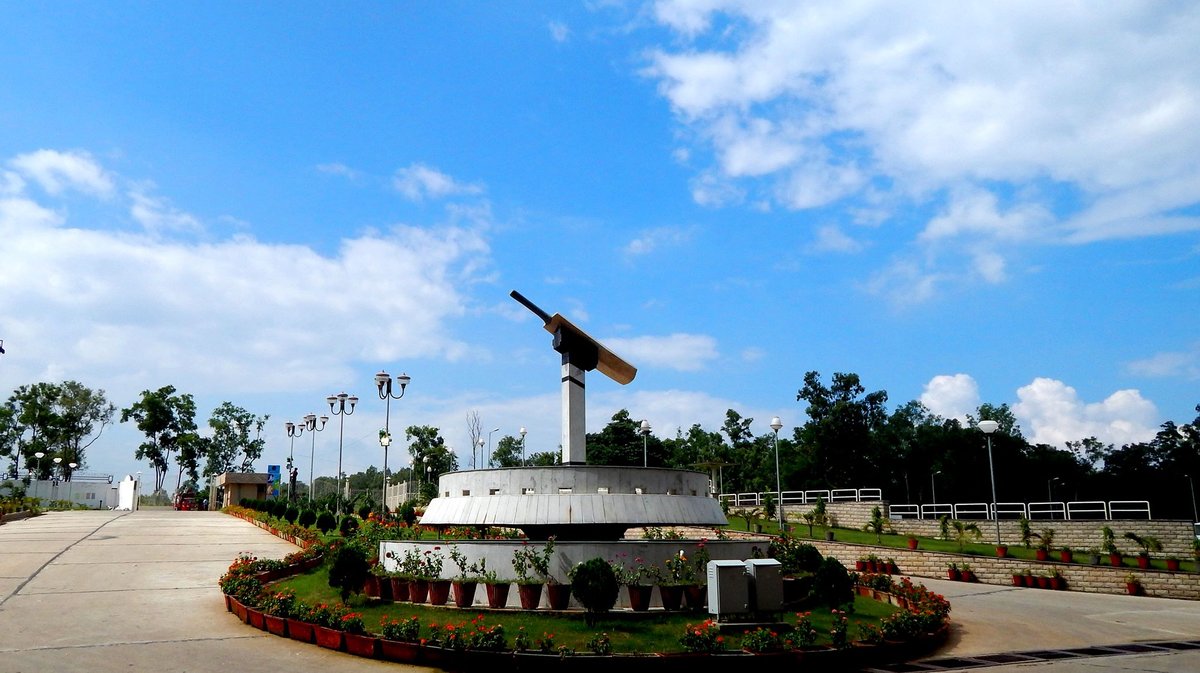
Jsca International Cricket Stadium The JSCA International Cricket Stadium in Ranchi, Jharkhand, stands as a modern architectural marvel and a cornerstone of Indian cricket, embodying both…
-
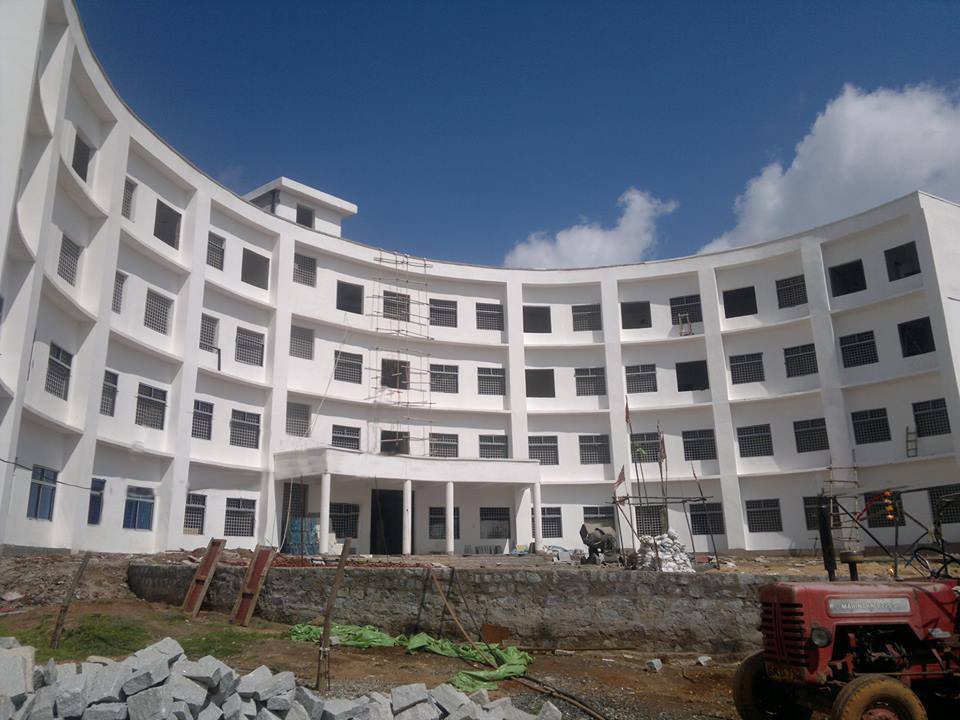
Central University of Jharkhand Nestled in the culturally rich and ecologically vibrant state of Jharkhand, the Central University of Jharkhand (CUJ) stands as a distinguished institution…
-
Namkom Railway Station Namkom Railway Station (station code: NKM) stands as a significant suburban railway hub in Ranchi, the capital of Jharkhand, India.

-
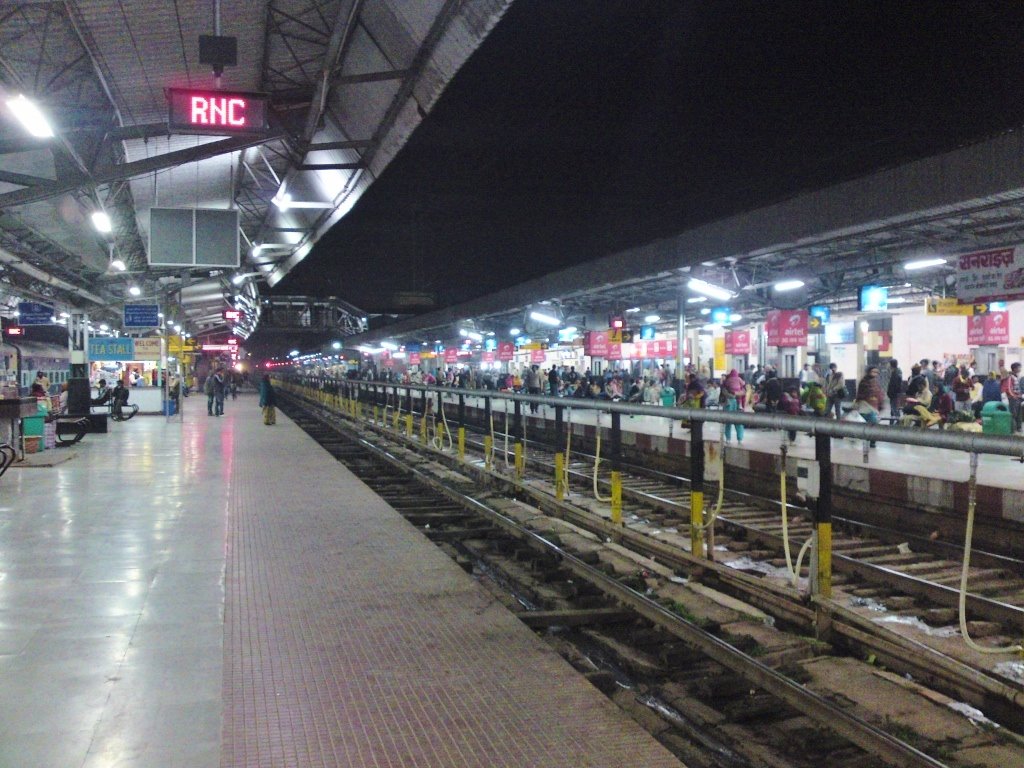
Ranchi Junction Railway Station Ranchi Junction Railway Station (station code: RNC) stands as a pivotal gateway to Ranchi, the capital city of Jharkhand, and serves as a vital node in…
- Tagore Hill Nestled in the heart of Ranchi, Jharkhand, Tagore Hill, also known as Morabadi Hill, is a prominent landmark that resonates with the rich cultural and…
- National University of Study and Research in Law Situated in the vibrant city of Ranchi, Jharkhand, the National University of Study and Research in Law (NUSRL) stands out not only as a premier institution…
- Rajendra Institute of Medical Sciences The Rajendra Institute of Medical Sciences (RIMS) in Ranchi stands as a cornerstone of healthcare, education, and cultural heritage in eastern India.
- Tatisilwai Railway Station Tatisilwai Railway Station, with station code TIS, stands as a crucial transit hub near Ranchi in Jharkhand, India, connecting travelers to a rich tapestry of…
Neighborhoods
Where to wander, by quarter — each with its own rhythm.
Morabadi–Kanke Ridge
The city's lungs and cultural spine. Climb 468 steps up Pahari Mandir for sunrise, then slide down to Tagore Hill where Rabindranath's brother once wrote plays in a bungalow that's now a graffiti-scribbled ruin. The ridge strings together Nakshatra Van (a park planted with zodiac-linked trees), Tribal Museum (dioramas with real tribal jewelry), and evening food stalls serving ghugni under banyans lit by phone torches.Lalpur & Circular Road
Ranchi's attempt at a downtown. Rooftop bars pour overpriced espresso martinis while students from the nearby law college queue for ₹30 dhuska below. The strip holds Mocha Café (book-exchange library, live indie nights), CUKU Bakehaus (single-estate coffee from Chaibasa), and jewelry shops that switch off generators at 9 p.m. sharp, plunging the sidewalk into a darkness that smells of diesel and marigold.Main Road–Upper Bazar
Colonial-era commercial grid now crammed with sari wholesalers and breakfast legends. Bhola Dhuska fries 1,400 lentil puffs before 9 a.m.; New Churuwala sells sesame brittle so fresh it bends instead of snaps. The lanes narrow until you walk single-file past ledger clerks on typewriters, the clatter echoing off balconies where British clerks once counted mica shipments.Ranchi Lake Quarter
A 19th-century tank excavated by Colonel Onsely anchors this quiet government enclave. Morning walkers circle the 1.2-km perimeter in 17 minutes flat; bar-headed geese land January–March, ignoring the Supreme Court signs about encroachment. Audrey House hosts weekend folk-art fairs—enter for free, exit smelling of turpentine and hadia sampled from terracotta pitchers.Ratu
Technically a suburb, politically a kingdom. The 1899 Nagvanshi palace—103 rooms, marble imported from Italy—opens only during Durga Puja when royals still receive visitors under chandeliers that haven't been rewired since 1978. Outside the gates, tribal vendors sell handia in recycled Fanta bottles; inside, the courtyard hosts drummers whose rhythms predate the palace foundations.
Plan your trip
Before you go
- Getting There
- Birsa Munda Airport (IXR) is 7km south; IndiGo, Air India, Akasa fly direct to Delhi, Mumbai, Kolkata, Bangalore. Ranchi Junction (RNC) runs Rajdhani to Delhi in 18h and an overnight to Howrah in 5h. NH-20 and NH-43 feed the plateau from Kolkata and Varanasi.
- Getting Around
- No metro, no trams. City buses under JNNURM cover Station–Kanke for INR 10–20 but run erratically. Ola/Uber autos start at INR 49; private hire for the waterfall circuit is INR 1,500–2,500 for an 8h/80km day. There is no tourist pass—pay per ride in cash or UPI.
- Climate & Best Time
- Plateau keeps Ranchi cooler: winter nights 9°C, summer peaks 37°C. Monsoon dumps 330mm in July—waterfalls rage but paths are slick. Come October–February for 23°C days and dry skies; August–September if you want thundering water and don’t mind mud.
- Language & Currency
- Hindi works everywhere; Santali and Nagpuri swirl in markets. ATMs on Main Road spit INR 200 notes—carry 2,000 for waterfalls where only cash gates (INR 20–30) exist. UPI codes are stuck to every chai cart, but drivers still quote ‘cash only’ after 9pm.
Where Waterfalls Meet Revolution
From tribal heartland to crucible of uprisings, Ranchi's story runs deeper than its cascades
- c. 1400 BCE
Iron Smelters Arrive
Tribal furnaces on the plateau glow red with the first iron tools. Archaeologists still pick slag from the red earth near Hundru Falls. The Munda and Oraon peoples claim these hills as their own, naming it Jharkhand—'the forest tract.'
- 350 CE
Nagvanshi Dynasty Founded
Legendary king Phanimukut crowns himself on Chutia hill after the Gupta Empire fractures. His serpent-totem dynasty will rule these plateaus for twelve centuries, building the first stone temples where drums still echo at dawn.
- 1585
Mughal Forces Breach Plateau
Akbar's general Shahabaz Khan drags cannons up the ghats and defeats Raja Madhu Singh. The Nagvanshi kings become vassals, paying tribute in elephants and iron ore. Persian chronicles record the plateau's chill air that 'makes breath visible.'
- 1616
Raja Durjan Sal Imprisoned
Ibrahim Khan Fateh Jang hauls the defiant king to Delhi in iron chains. Twelve years in Gwalior fort break his body but not his realm—he returns to rule from a palace whose ruins still stand near Ratu village.
- 1691
Jagannath Temple Rises
Thakur Ani Nath Shahdeo builds a smaller replica of Puri's masterpiece using local black stone. The Rath Yatra chariot here weighs fourteen tons and requires four hundred men to pull it through monsoon mud.
- 1757
British Shadows Lengthen
After Plassey, East India Company clerks begin mapping the plateau's iron deposits. They note 'savage tribes who smelt metal with bamboo bellows' and file away the knowledge for future exploitation.
Show the full timeline (20 moments)
- 1843
Ranchi Gets Its Name
Commissioner Wilkinson moves headquarters from Lohardaga to Kishunpur village, renaming it after the Rici Buru hill. He builds Bada Talab—a lake so large that morning mist makes the far bank invisible.
- 1855
Thakur Vishwanath Shahdeo
Born near Satranji fort, this Zamindar will grow up to challenge the British. He learns swordsmanship from tribal warriors and Persian from court poets—skills that will serve him when cannons thunder across these valleys.
- 1857
Sepoys Storm Ranchi
The Ramgarh Battalion mutinies under Shahdeo's command. They seize the armoury and drive British officials through the jungle to Hazaribagh. The rebellion lasts two months before colonial forces hang the leaders from banyan trees still standing behind the courthouse.
- 1869
Municipality Established
British administrators create Ranchi's first municipal council. Census takers record 116,426 inhabitants—tribal farmers, Bengali clerks, and Parsi traders who operate the new iron foundries. The town gets its first oil streetlamps.
- 1893
Paramahansa Yogananda
Born Mukunda Lal Ghosh, this boy from Gorakhpur will establish his first ashram on Ranchi's outskirts in 1917. He teaches Kriya Yoga to both British officers and tribal farmers, writing 'Autobiography of a Yogi' in a small room overlooking the Subarnarekha River.
- 1899
Birsa Munda Dies in Jail
The tribal prophet who told followers 'the land belongs to those who clear the forest' succumbs to cholera in Ranchi Central Jail aged just 25. His body is buried in an unmarked grave, but villagers still leave flowers at the prison gates each Sunday.
- 1917
Gandhi Negotiates in Ranchi
The Mahatma meets Bihar's Lieutenant Governor here twice to discuss Champaran indigo farmers' plight. The negotiations lead to the 1918 Act abolishing forced cultivation—Ranchi serves as quiet backdrop to India's first civil disobedience victory.
- 1927
Simon Commission Boycotted
Students block the commission's motorcade on Main Road, waving black flags and chanting 'Simon Go Back.' Police batons crack against tribal drums. The incident radicalizes a generation who will lead the Quit India movement here fifteen years later.
- 1948
Madhu Mansuri Hasmukh
Born in Similia village, this boy will grow up to sing Nagpuri folk songs that fuel the Jharkhand statehood movement. His voice—raw as gravel, sweet as mahua wine—will earn him the Padma Shri and make him the voice of tribal resistance.
- 1981
MS Dhoni
Born at Dhoni Hospital in Harmu Housing Colony, this boy will practice wicketkeeping with borrowed gloves on the railway tracks. He'll grow up to captain India to World Cup glory, putting Ranchi on every cricket fan's map.
- 1983
District Divided
Ranchi district splits into three—Ranchi, Lohardaga, and Gumla. The division reflects decades of tribal demands for smaller administrative units. Local newspapers mourn the loss of 'greater Ranchi' while celebrating new district headquarters.
- 15 Nov 2000
Jharkhand State Born
At midnight, Ranchi becomes capital of India's 28th state. Fireworks explode over Bada Talab as tribal dancers perform on streets renamed for Birsa Munda. The city that housed revolutionaries finally rules itself.
- Feb 2011
National Games Open
Athletes parade into the new Birsa Munda Athletics Stadium before 40,000 spectators. The games cost ₹1,800 crore and transform Ranchi's skyline—new flyovers, hotels, and India's first astroturf hockey stadium rise from former paddy fields.
- 2015
Smart City Selection
Ranchi makes Modi's Smart Cities list. Within five years, the city gets free WiFi at waterfalls, app-based buses, and a 230-foot flag mast on Pahari Mandir. Traditional iron smelters watch smartphone-wielding tourists document their craft.
Who lived here
-
Cricketer · born 1981
Mahendra Singh Dhoni
Born here
He still trains on the JSCA ground he helped build; locals say the wicketkeeper who learned keeping on these hard, uneven pitches can read a Ranchi sunset like a slow ball. His farmhouse on the city’s edge is the only address autograph hunters need.
-
Tribal freedom fighter · 1875–1900
Birsa Munda
Died here
They locked him in the old Ranchi jail and the city has worn his name ever since—airport, university, the park where children now skateboard over the cell blocks. Every November tribal drummers march to the exact spot he died, turning a colonial lock-up into a pilgrimage.
-
Playwright & painter · 1849–1925
Jyotirindranath Tagore
Lived here 1880–1890s
Rabindranath’s elder brother built a brick bungalow on Morabadi Hill, planted chikoo trees and staged Bengali plays for bewildered Oraon neighbours. Today the grove is gone, but the plateau wind that stirred his sketches still rattles the iron gate at sunset.
-
Rebel king · 1817–1858
Vishwanath Shahdeo
Born here
He rode out of Satranji fort, declared independence from the East India Company and held the ridge above modern Hatia for two monsoons before the gallows. Ranchi traffic now honks past the mound where his cannons once sat, most drivers unaware the road is named after a man hanged for treason.
-
Archer · born 1994
Deepika Kumari
Born here
She learnt archery aiming at mangoes behind Ratu Chatti village school, using bamboo bows the coach whittled at night. When she releases an arrow on the Tokyo live-stream, Ranchi autorickshaws still pull over to watch on cracked phone screens—same streets where she once waited for a shared ride to practice.
Where to Eat
Where locals actually book dinner — not the tourist menus.
Insider tips
Small things that change how the city treats you.
Book driver early
The only way to reach Hundru, Dassam or Jonha Falls is a private cab; reserve by 9 a.m. to avoid last-minute surge pricing and to get back before dusk when road signs disappear.Cash still rules
Waterfall entry tickets, roadside tea stalls and most autos take only cash. Draw ₹2 000 at an ATM on Main Road before heading out—ATMs vanish once you leave the city ring.Shoot waterfalls at noon
Cliff faces block low-angle light; reach Hundru or Dassam between 11 a.m.–2 p.m. when the sun is overhead and the spray creates rainbows instead of lens-flare.Skip station autos
Pre-paid taxis from Ranchi Junction add ₹50–100 ‘station fee’. Walk 200 m to Main Road and hail an Ola/Uber instead—same ride, 30 % cheaper.Pack a sweater in July
Plateau nights drop to 22 °C even during monsoon; a light fleece keeps you comfortable on open-top jeep rides to the falls and saves renting a shawl.
Gallery
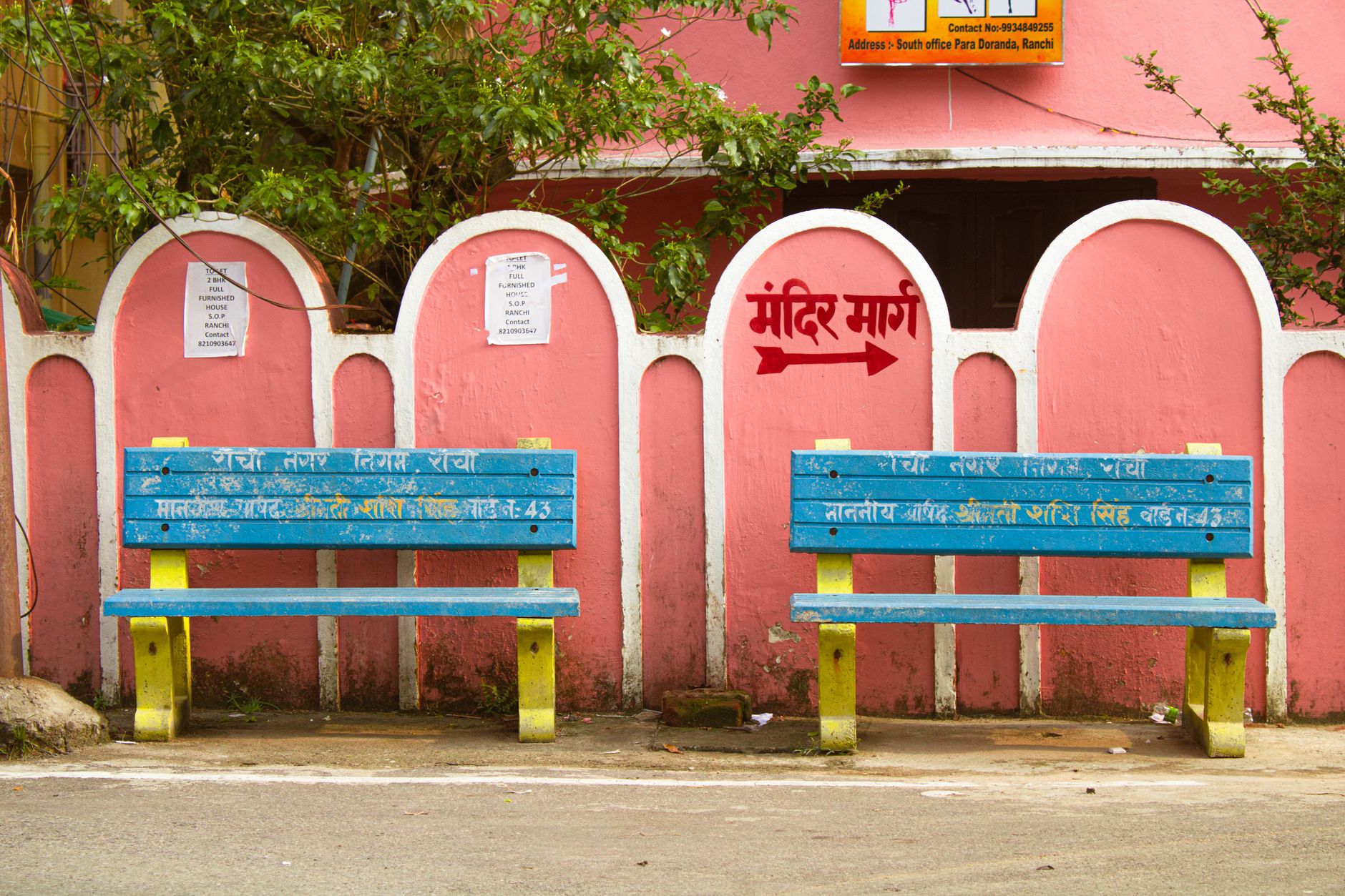
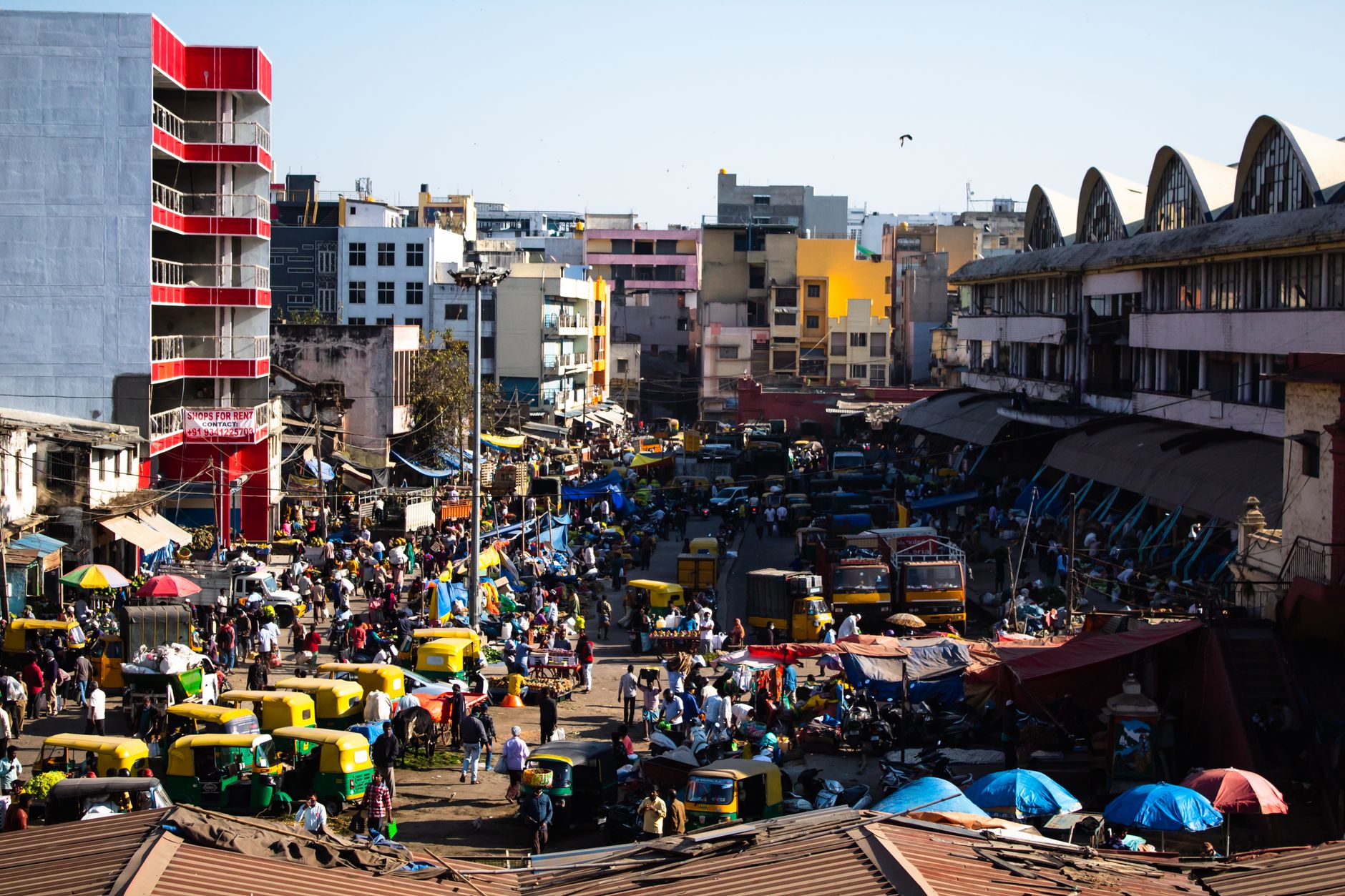
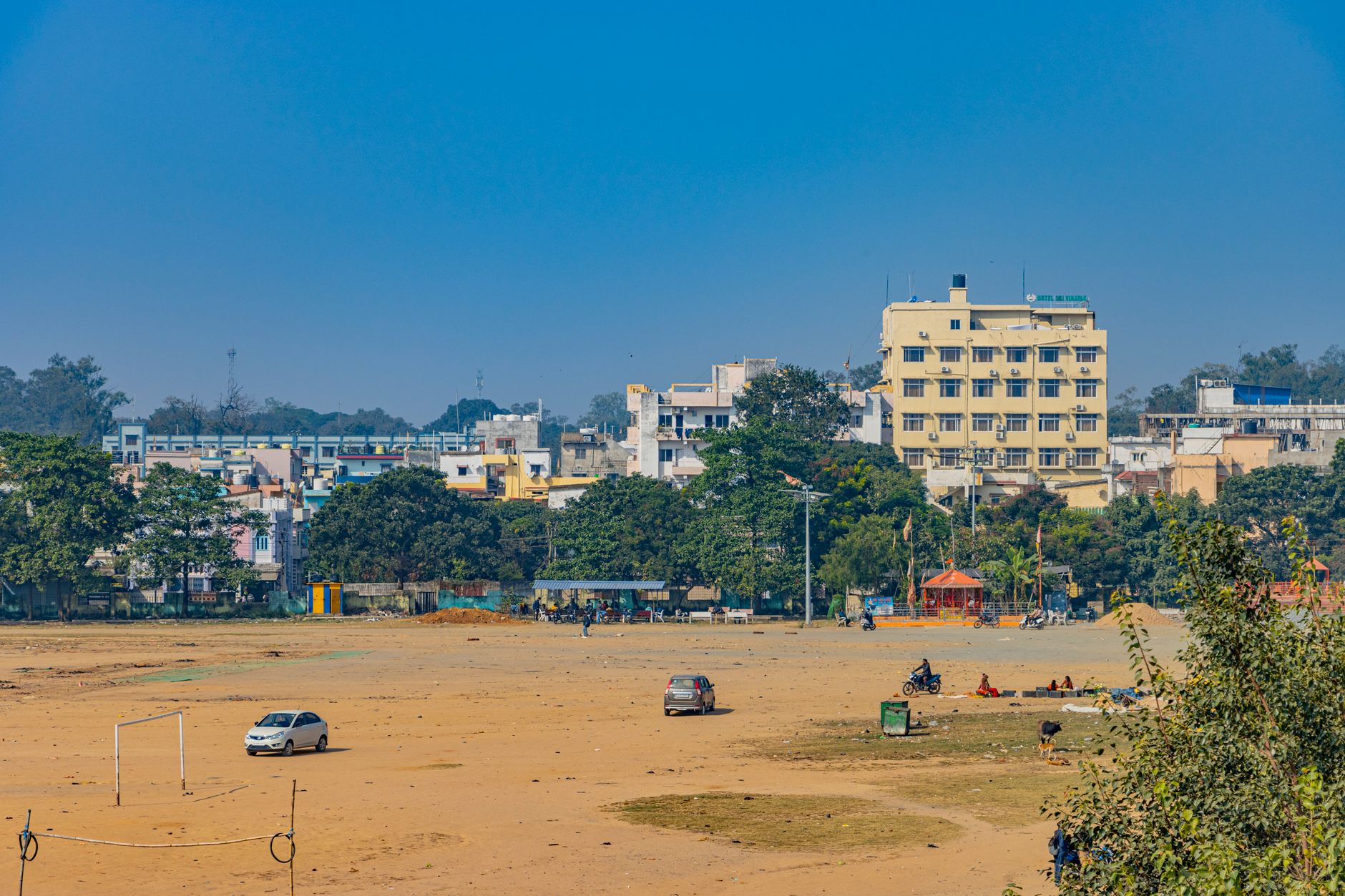
The city, as it actually looks.



Frequently asked
Is Ranchi worth visiting?
Yes—if you like raw waterfalls and tribal culture without tourist buses. Within a 60 km radius you get 98 m drops, 17th-century temples and India’s best tribal museum, all for the price of a metro ticket in Delhi.
How many days should I spend in Ranchi?
Two full days covers the big three waterfalls plus Tagore Hill and the Tribal Museum. Add a third day if you want to include Betla National Park or simply watch the Subarnarekha River change colour with the light.
Can I use public transport to the waterfalls?
No—there are no buses or shared jeeps to Hundru, Dassam or Jonha. Expect ₹1 500–2 000 for an eight-hour AC cab that does all three; autos will do one fall for ₹500 round-trip but won’t wait long.
Is Ranchi safe for solo female travellers?
Central Ranchi is relaxed by Indian big-city standards; stick to app cabs after 9 p.m. and avoid isolated waterfall trails after 4 p.m. when crowds thin out. Tell your hotel which fall you’re visiting—cell signal dies in the gorges.
What does a day trip to the waterfalls cost?
Budget ₹2 000–2 500 for the cab, ₹90 total entry fees, ₹150 for roadside dhaba lunch and ₹200 buffer for chai and tips. Under ₹3 000 for two people—far cheaper than similar circuits in Kerala or Himachal.
All Places to Visit.
8 places to discover
Pick up where you left off
Saved and recently read places — kept on this device only.
Photo credits (10)
- View From Pahari Temple — Eddyvishal — CC BY-SA 3.0 (https://creativecommons.org/licenses/by-sa/3.0/) — Source: https://commons.wikimedia.org/wiki/File:View_From_Pahari_Temple.jpg
- Ethan Sarkar — Pexels License (https://www.pexels.com/license/) — Source: https://www.pexels.com/photo/35417264/
- Muhammad Furqan — Pexels License (https://www.pexels.com/license/) — Source: https://www.pexels.com/photo/32794467/
- SRIPADA STUDIOS — Pexels License (https://www.pexels.com/license/) — Source: https://www.pexels.com/photo/21751093/
- Muhammad Furqan — Pexels License (https://www.pexels.com/license/) — Source: https://www.pexels.com/photo/32559019/
- Shantum Singh — Pexels License (https://www.pexels.com/license/) — Source: https://www.pexels.com/photo/34968150/
- Ayan Roy — Pexels License (https://www.pexels.com/license/) — Source: https://www.pexels.com/photo/10387035/
- Shantum Singh — Pexels License (https://www.pexels.com/license/) — Source: https://www.pexels.com/photo/34968152/
- Rahul Shah — Pexels License (https://www.pexels.com/license/) — Source: https://www.pexels.com/photo/739381/
- Shantum Singh — Pexels License (https://www.pexels.com/license/) — Source: https://www.pexels.com/photo/34968151/
Photos may have been resized or cropped.