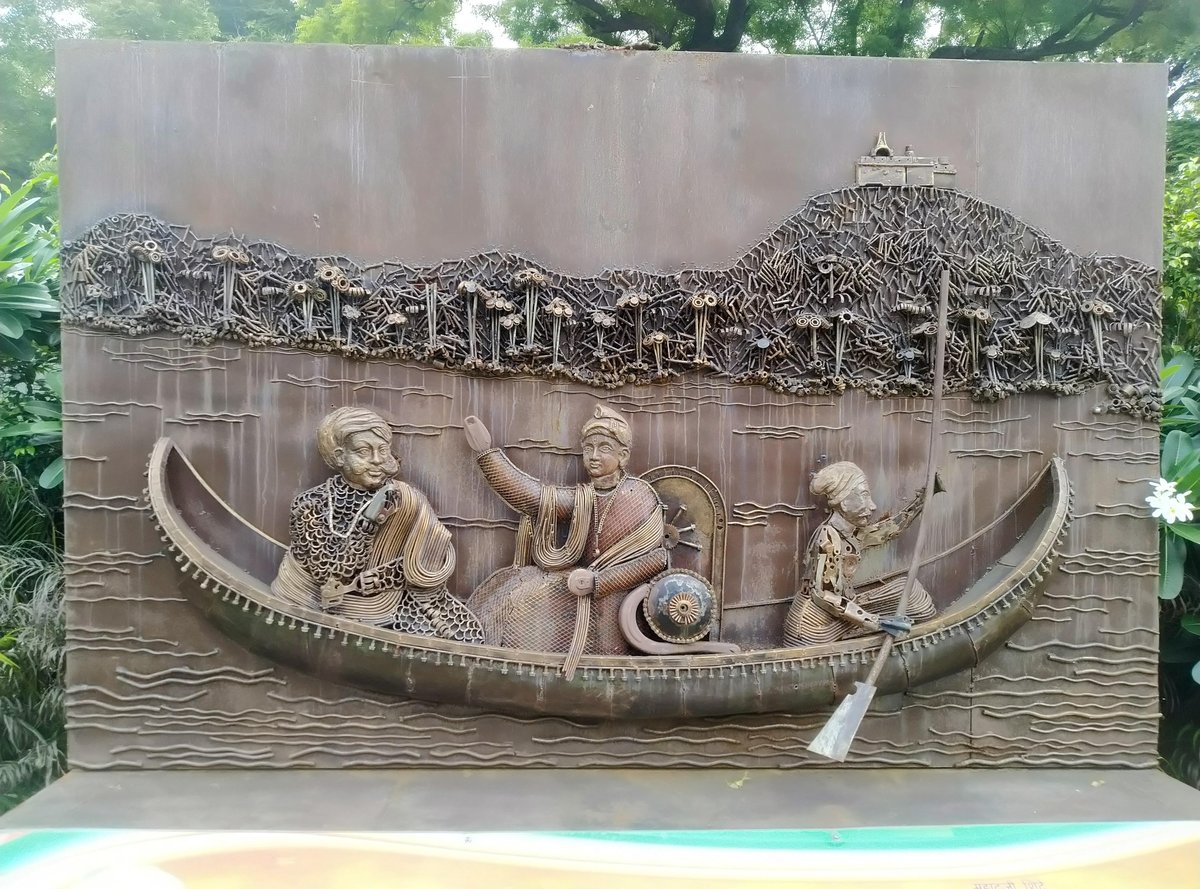
Colonial Origins and Establishment
Founded after the pivotal Third Anglo-Maratha War, Pune Cantonment leveraged its strategic location near the Mula and Mutha Rivers and the Western Ghats. Designed with European urban planning principles, the area features grid-like streets, wide avenues, and stately colonial bungalows, standing in contrast to Pune’s older cityscape (Wikipedia: History of Pune). Early on, it became home to key military regiments and institutions including the 17th Poona Horse Cavalry, Maratha Light Infantry, Armed Forces Medical College, and Empress Botanical Garden (Mapcarta: Pune Cantonment).
Military and Administrative Significance
As a key military hub since the 19th century, Pune Cantonment houses the Southern Command Headquarters of the Indian Army (PIB: Southern Command HQ). The area encompasses training centers, military hospitals, and logistics facilities, and is governed by the Pune Cantonment Board under the Ministry of Defence. Recent merger initiatives aim to bring civilian areas under the Pune Municipal Corporation, balancing heritage preservation with urban development (Pune News: Merger Initiative).
Social and Cultural Dynamics
Pune Cantonment has long been a melting pot, attracting Anglo-Indians, Parsis, Jews, and other communities, thereby enriching the city’s cosmopolitan character. Its colonial past is evident in landmarks such as St. Patrick’s Cathedral and the clubs and institutions established during British rule (Mapcarta: Pune Cantonment). Public health initiatives, such as those during the 1897 plague epidemic, also shaped its social history (Wikipedia: History of Pune).
Architectural and Environmental Heritage
The area is renowned for colonial-era architecture—bungalows, barracks, churches—and public gardens like the Empress Botanical Garden, celebrated for its rare plant species and serene ambience (MakeMyTrip: Empress Botanical Garden). Proximity to the Western Ghats, a UNESCO World Heritage Site, supports local biodiversity and conservation activities, including tree censuses and educational initiatives (PIB: Biodiversity Hotspot).
Political and Civic Evolution
Pune Cantonment’s political landscape has evolved from a historical Congress stronghold to a current BJP bastion, reflecting larger trends in urban governance (Hindustan Times: Political Shifts). Civic merger proposals with the Pune Municipal Corporation continue to be debated, focusing on heritage, military needs, and urban growth (Pune News: Merger Initiative).
Key Historical Landmarks
- Shinde Chhatri Memorial and temple complex dedicated to Mahadji Shinde, showcasing Indo-Saracenic architecture (Nomad Saikat: Shinde Chatri).
- Empress Botanical Garden Colonial-era garden with a vast collection of plant species and tranquil landscapes (MakeMyTrip: Empress Botanical Garden).
- St. Patrick’s Cathedral Iconic church reflecting Pune’s colonial legacy (Mapcarta: Pune Cantonment).
- Armed Forces Medical College Prestigious military medical institution, underpinning Pune’s defense importance (Travel India: Military Importance).
National War Memorial Southern Command
The National War Memorial Southern Command, inaugurated in 1998, honors the valor of the Indian Armed Forces. It features a 25-foot marble pillar, eternal flame, landscaped gardens, and a museum with military artifacts such as tanks and a MiG-23BN fighter aircraft (indiatourism.travel). Informative galleries provide insights into India’s military history.
- Visiting Hours Daily, 9:00 AM to 5:30 PM. Timings may differ on public holidays.
- Tickets Entry is free; guided tours are available and recommended (thetouristchecklist.com).
- Tips Photography outdoors is allowed; museum interiors may have restrictions. The site is wheelchair-friendly.
Exploring Pune Cantonment Historical Sites
St. Mary’s Church
Built in 1825, St. Mary’s Church is Pune’s oldest church, featuring colonial-era architecture and memorial plaques honoring British officers (punetourism.co.in).
- Visiting Hours Open during service hours and weekdays; confirm ahead.
- Etiquette Dress modestly; check about photography before clicking inside.
Ohel David Synagogue (Lal Deval)
Erected in 1867 by David Sassoon, this Gothic-style synagogue is Asia’s largest outside Israel, with a 90-foot spire and impressive stained glass (punetourism.co.in).
- Entry Prior permission required, especially for non-Jewish visitors.
- Etiquette Modest dress is expected; contact the synagogue office for visits.
Military Heritage and Public Events
While direct access to military institutions is restricted, public military exhibitions and parades are occasionally held. Check event calendars and carry ID when visiting areas near military zones.
Parks and Green Spaces
Empress Garden: Spread over 39 acres and managed by the Agri-Horticultural Society, it features rare trees, vibrant flowers, and a lotus pond. The annual flower show is a highlight (fabhotels.com).
- Hours 9:30 AM to 6:30 PM daily.
- Tickets Nominal entry fee.
Other green spaces include the Race Course (for walking and jogging) and the Pune Club (membership required).
MG Road – Shopping and Culinary Scene
MG Road (Main Street) is the commercial heart of Pune Cantonment, renowned for its mix of colonial charm and modern retail (indiatourism.travel). Shop for branded goods, handicrafts, and jewelry, and savor local street food like vada pav and Irani chai.
Culinary Highlights: Kayani Bakery and Marz-O-Rin are famous for Shrewsbury biscuits, mawa cakes, and other Anglo-Indian treats (fabhotels.com).
Cultural and Religious Diversity
Pune Cantonment’s pluralism is reflected in its array of churches, synagogues, gurudwaras, temples, and mosques (punetourism.co.in). Community events and festivals highlight harmonious coexistence.
Haunted Heritage and Local Legends
Victory Theatre and colonial mansions along Residency Road are reputedly haunted. Heritage walks sometimes include these sites for those interested in local legends (travelandleisureasia.com).
Visiting Hours, Tickets, and Visitor Guidelines
- General Hours Most public areas open from 9:00 AM to 8:00 PM. Specific sites may have their own timings.
- Tickets Entry to Pune Cantonment is free; some attractions like Empress Garden and Shinde Chhatri have nominal fees.
- Guided Tours Available through local operators—advance booking recommended.
- Accessibility Major sites are wheelchair accessible; some older buildings may have limitations.
- Guidelines Respect military protocols, avoid restricted areas, and carry a photo ID when visiting heritage sites.
Getting Around Pune Cantonment
- Public Transport PMPML buses and Pune Railway Station offer easy connectivity (Official PMPML Site).
- Auto Rickshaws & Taxis Widely available; app-based cabs such as Ola and Uber operate efficiently.
- Walking & Cycling Many attractions are within walking or cycling distance; some traffic congestion during peak hours.
- Parking Limited near popular spots; use paid parking where available.
Best Time to Visit and Weather
- Best Months October to February offer the most pleasant weather for sightseeing and outdoor activities (MakeMyTrip: Best Time to Visit).
- Monsoon Lush scenery but heavy rains; carry appropriate gear.
- Summer Hot (above 35°C); plan for indoor or early-morning visits.
Accommodation Options
- Luxury Several four- and five-star hotels near the Cantonment.
- Budget Guesthouses and budget hotels abound near MG Road and East Street (Tripoto).
- Booking Reserve in advance during festivals and winter months.
Safety and Local Etiquette
- Pune Cantonment is generally safe for all visitors.
- Dress modestly, especially near places of worship and military sites.
- Avoid photographing military installations.
- English, Hindi, and Marathi are widely spoken.
Key Things to Do
- Explore historical churches and synagogues.
- Shop for local crafts on MG Road.
- Enjoy Maharashtrian and Anglo-Indian cuisine.
- Join morning walks or guided heritage tours.
- Attend festivals and cultural events.
Festivals and Events
- Ganesh Chaturthi Vibrant processions (August/September).
- Christmas, Easter Special services and festive events.
- Local Fairs Flea markets and food festivals in winter.
Shopping and Souvenirs
- What to Buy Handicrafts, leather goods, Kolhapuri chappals, jewelry.
- Where MG Road and East Street for branded and budget options. Bargaining is acceptable in local markets.
Food and Dining
- Try Shrewsbury biscuits from Kayani Bakery and Irani chai at Vohuman Café.
- Stick to well-rated eateries; use bottled water.
- Vegetarian and Jain options are widely available.
Accessibility
- Most modern hotels and restaurants are wheelchair-friendly.
- Public restrooms are available but basic; carry sanitizer and tissues.
Day Trips and Nearby Attractions
- Aga Khan Palace
- Shaniwar Wada
- Raja Dinkar Kelkar Museum
- Sinhagad Fort
- Khadakwasla Dam (MTDC Pune)
Responsible Tourism
- Use designated waste bins; avoid littering.
- Respect restricted military zones and signage.
- Maintain low noise near schools and hospitals.
Frequently Asked Questions (FAQs)
Q: What are the visiting hours for main attractions?
A: Most are open between 9:00 AM and 6:30 PM. Check individual sites for details.
Q: Are tickets required?
A: Most historical sites are free; some, like Empress Garden, charge nominal fees.
Q: Is the area wheelchair accessible?
A: Most major sites are accessible, though some old buildings may have limitations.
Q: Are guided tours available?
A: Yes, guided walks and cycling tours are widely offered.
Q: Can I photograph sites in Pune Cantonment?
A: Allowed in public areas; avoid military sites and ask permission in religious places.
Useful Contacts
- Tourist Information MTDC office near Pune Railway Station
- Transport Official PMPML Site
- Lost and Found Local police station or market office