Maratha Citadels in the Sky
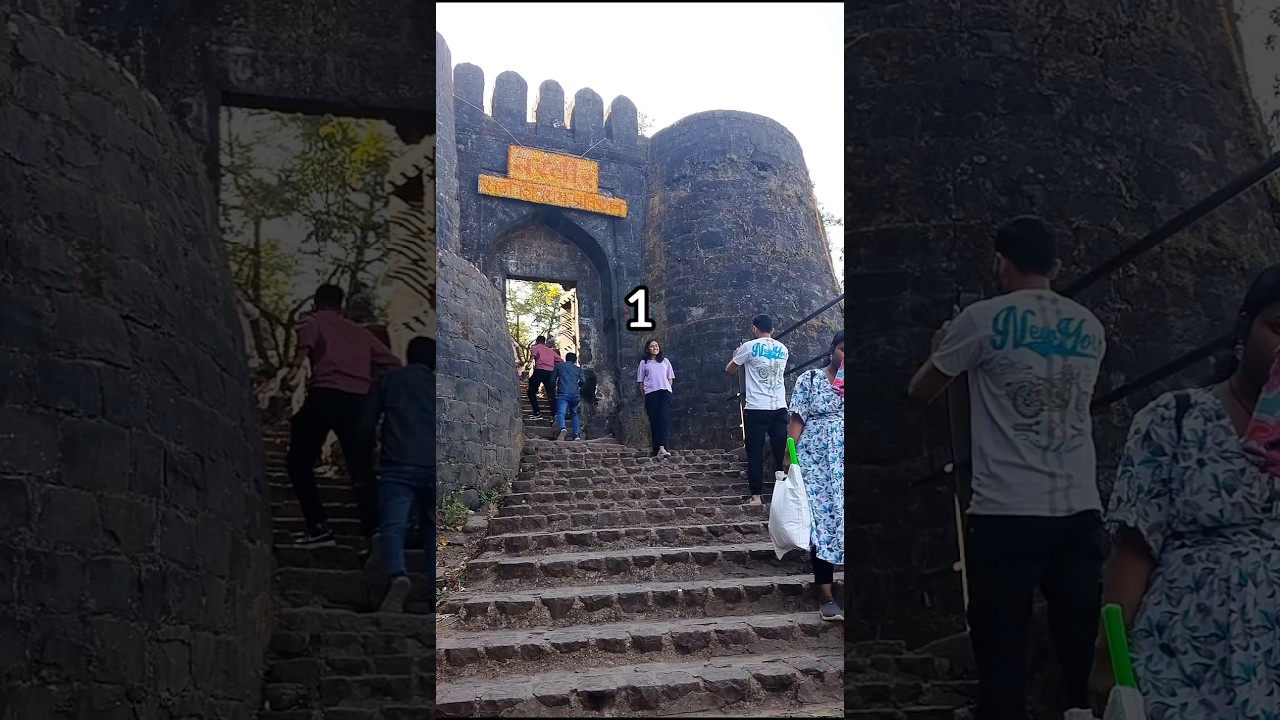
Sinhagad and the freshly UNESCO-listed Lohagad hover 30 km out, their basalt walls rising straight from monsoon cloud. Dawn bus up, plate of hot kanda-bhaji on the summit, city spread below like a 3-D map.
The first thing that hits you in Pune, Bhart is the smell of copper and cardamom rising from Tambat Ali at dawn—smiths hammering pots while chai stalls bloom open like clockwork. A city where 8th-century cave temples share parking lots with micro-roasteries, and where a single lane can contain both a 1732 palace gate and a Mastani milkshake thick enough to stand a spoon in.
PThe first thing that hits you in Pune, Bhart is the smell of copper and cardamom rising from Tambat Ali at dawn—smiths hammering pots while chai stalls bloom open like clockwork. A city where 8th-century cave temples share parking lots with micro-roasteries, and where a single lane can contain both a 1732 palace gate and a Mastani milkshake thick enough to stand a spoon in.
Pune doesn’t shout; it accumulates. Every Peshwa balcony, Irani café bun, and neon brewery sign is another layer laid on top of the last, so the urban fabric feels quilted rather than planned. Walk the old peths at 4 p.m. and you’ll hear temple bells syncopating with the clack of typewriters still servicing law courts that pre-date independence.
This is a city that outsources its ego to history—Maratha forts on the skyline, Gandhi’s prison in the suburbs—then undercuts the grandeur with self-mocking traffic and students arguing over whose misal burns harder. The result is a place serious about its culture but allergic to taking itself too seriously, which is why you’ll find a 1967 juice bar inventing milkshakes named after Bollywood starlets next to a museum housing 20,000 folk artifacts no one can fully catalog.
What makes this place worth slowing down for.
Sinhagad and the freshly UNESCO-listed Lohagad hover 30 km out, their basalt walls rising straight from monsoon cloud. Dawn bus up, plate of hot kanda-bhaji on the summit, city spread below like a 3-D map.
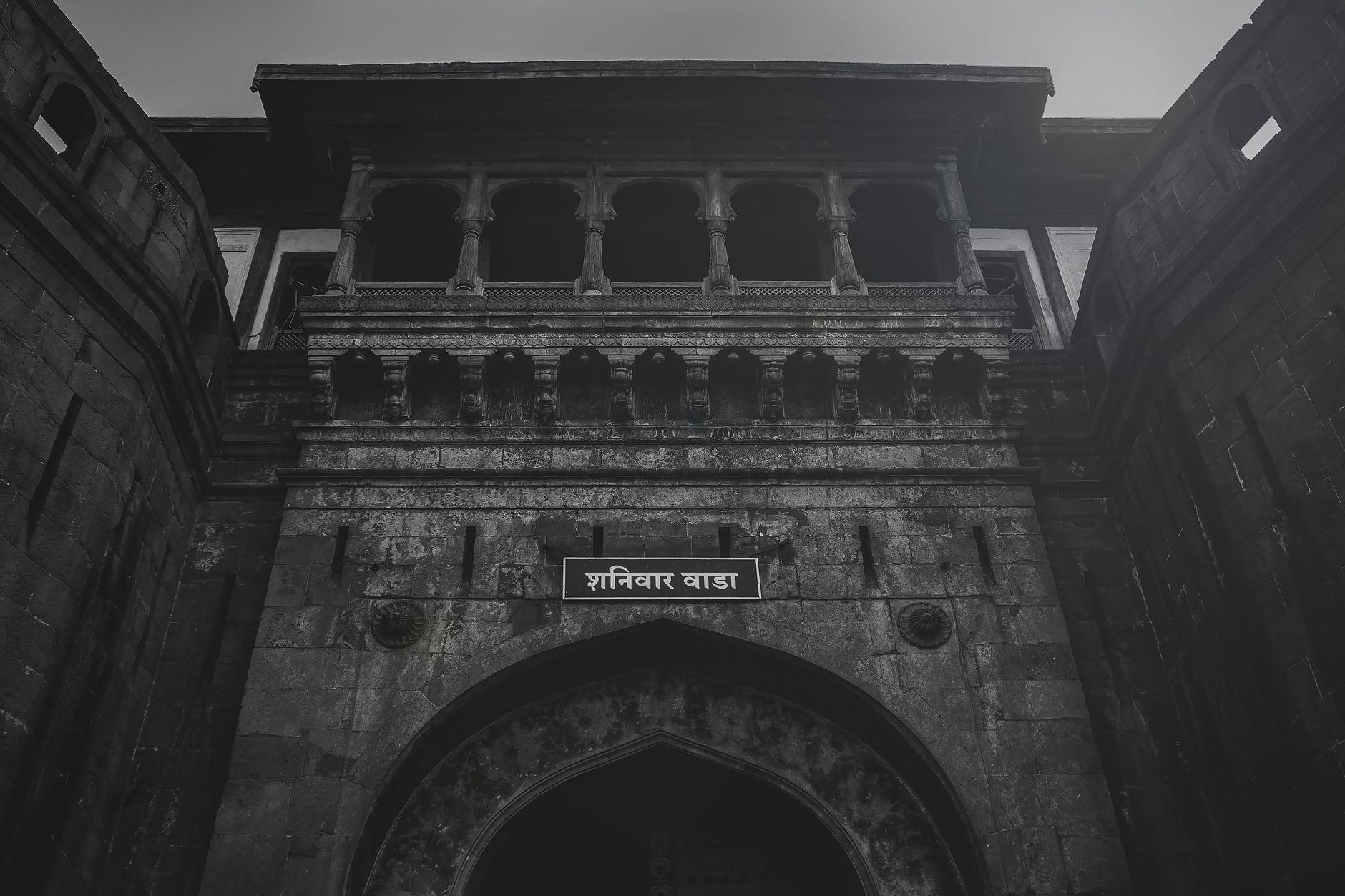
Shaniwar Wada’s stone lotus gates still echo with 18th-century drums, while Vishrambaug Wada’s teak balconies creak overhead. Walk Tambat Ali’s coppersmith lanes to smell molten metal that hasn’t changed recipe since 1750.
Vetal Tekdi’s scrub forest delivers 164 bird species and a skyline view for the price of a 20-minute climb. Locals treat it like Pune’s communal backyard—morning walkers, medical students, the odd jackal.
Misal pav ignites at 6 a.m. in narrow Budhwar Peth—sprouts, tarry gravy, a slab of bread to mop the fire. Finish with a cold glass of mattha; the city’s already on second gear before the traffic lights change.
Not every monument, just the ones we'd walk you past ourselves.
Nestled in the heart of Pune, Maharashtra, Shaniwar Wada stands as an enduring emblem of the Maratha Empire’s grandeur and strategic prowess.

Pune hides a 10-acre Japanese-style garden on Sinhagad Road, opened in 2006 as a friendship symbol with Okayama, with ponds, bridges, and shifting views.
Nestled in the vibrant city of Pune, India, the Aga Khan Palace stands as a majestic testament to philanthropy, architectural brilliance, and the indomitable…
Situated in the culturally rich city of Pune, the Deccan College Post-Graduate and Research Institute stands as a monumental testament to India's academic…

Located in Pune, India, the Raja Dinkar Kelkar Museum offers a fascinating glimpse into India's rich cultural heritage.
Nestled in the historic heart of Pune, India, the Kasba Ganapati Temple stands as a cherished spiritual sanctuary and a symbol of the city’s rich cultural and…
Situated majestically atop a hill with four distinctive peaks in Pune, India, the Chaturshringi Temple stands as a vibrant testament to the region's rich…
Where to wander, by quarter — each with its own rhythm.
Banyan-shaded lanes where the Osho ashram’s white-robed walkers cross paths with craft-beer brewers and art-gallery owners. Come for Malaka Spice’s lemongrass prawns, stay for midnight kombucha on a rooftop that used to be someone’s backyard.
Victorian brick bakeries, Parsi Dairy kulfi carts, and Kayani’s 1955 Shrewsbury biscuit queue that snakes past men in berets discussing cricket since 1971. The only part of town where you can breakfast on bun-maska, buy army-surplus binoculars, and still make it to a 9 a.m. meeting.
Copper lanes of Tambat Ali give way to misal joints that open at 7 a.m. and sell out by 9. Traditional wada courtyards hide behind hardware shops; Ganapati workshops explode into color every August, turning entire blocks into papier-mâché studios.
Student central: dosa canteens, ₹30 vada pav counters, and second-hand bookstalls that smell like yesterday’s rain. Vaishali’s filter coffee line is the unofficial alumni reunion; across the street, Goodluck’s bun-maska survives hygiene scandals on nostalgia alone.
Bus fumes, flower markets, and the 1864 university clock tower staring down glass bank façades. Morning wholesale bazaars sell everything from jasmine garlands to circuit boards; by dusk the same footpaths convert into chaat Runway No. 1.
Silicon Valley aspirational: microbreweries with Scandinavian benches, co-working spaces in concrete lofts, and rent prices that make old-timers blink. Best espresso in town at 729 Grams, followed by sour-ale flights while traffic on the highway below turns into constellations.
Warehouses turned jazz bars, al-fresco Italian courtyards, and weekend pop-ups selling sourdough next to vintage Royal Enfields. Quieter than Koregaon Park but pricier; the neighborhood where start-up founders argue over Tulum versus Turkey for the next off-site.
From riverside market to IT plateau—Pune keeps rewriting its own epitaph
Archaeologists call it ‘pre-Pune’: a scatter of Satavahana potsherds along the river bend where women hauled water up the basalt slope. No city yet, only the smell of iron bloomeries and the certainty that anyone heading west to the Sahyadri passes would have to stop here for the night.
Stonecutters hack a monsoon-dark cliff into a Shiva shrine—columns first, then the lingam that still drips groundwater today. The copper-plate deed calls the district Punyaka Vishaya; pilgrims start walking in from the salt route that will later become Shivaji Road.
The Ahmadnagar sultan hands the dusty subah over to a Maratha cavalry captain. Suddenly the village has a fortress tax, two warhorses in residence, and a family name that will stencil itself across the plateau.
Jijabai rocks her infant son on a terrace that looked straight at the mud-walled Killa. By the time he is fifteen he is sneaking out at night to measure the walls of Torna, already convinced that Pune’s future lies above the clouds on basalt ramparts.
Shivaji slips through the Mughal cordon with 400 Mavalas; Shaista Khan loses three fingers and the city’s myth of invincibility is born. The alley still narrows at the spot where oil lamps were doused one by one.
Teak from the Junnar forests swings up on elephant-back to form seven stories of Maratha administration. Baji Rao I moves in with 1,500 scribes, cooks, astrologers, and the first map room in India to use colored sand for plotting cavalry routes.
When the camel-post rider arrives with news of the carnage, every household lights a single lamp; 20,000 widows walk the streets in white. The city’s musicians are forbidden to play drums for a year—silence becomes the sound of empire gasping.
His aunt screams from the balcony as guards haul the young Peshwa across the flagstones; the phrase ‘Uncle, save me!’ becomes a Marathi proverb for doomed innocence. Blood soaks into the teak, never quite scrubbed out.
Baji Rao II surrenders his sword at Khadki; the East India Company plants artillery on Parvati Hill and starts measuring land for cricket pitches. Overnight, Pune becomes the largest cantonment east of Suez, complete with a racecourse that still smells of wet turf each monsoon.
She unlocks the door of Bhide Wada at 7 a.m. with a slate in one hand and a sari pulled over her face—stone-throwing Brahmins wait across the lane. By year’s end 150 girls can spell their own names; the city’s first feminist newspaper will be printed two streets away.
Built as a famine-relief work employing 1,000 laborers for five years, its Italian arches and rosewood staircases look absurdly royal for a charity project. Fifty years later the same corridors will echo with Gandhi’s chappals during 21 months of internment.
Rand falls from his carriage on Ganeshkhind Road, blood pooling beside the new sewage works he forced through. The assassination turns Pune into the laboratory of revolutionary politics— Tilak’s printing presses roar all night, and the city’s first secret bomb manual is drafted in a cellar off Laxmi Road.
A young Bhimsen Joshi hears Abdul Karim Khan’s trembling voice float across the Deccan night and decides to stay in Pune forever. The festival will anchor the city as the place where khayal singers come to prove they are not afraid of the monsoon damp warping their tanpuras.
Soldiers bolt the iron gates hours after Quit India is launched; Kasturba’s cough gets worse in the damp wing overlooking the empty rose garden. When Mahadev Desai dies here three days later, they cremate him on the palace lawn—Pune soil absorbs another layer of national grief.
A wall of water drops 35 meters into the valley, flips double-decker buses near Deccan corner, and strands schoolchildren on rooftops for two days. The flood erases half the old wadas; post-war concrete boxes sprout in their place, uglier but dry.
Bombay Presidency dissolves; Pune wakes up as something more than a hill-station escape for colonial officers. Marathi replaces English on signboards overnight, and the university quadruple its intake—engineering students sleep two to a cot, dreaming of mills that haven’t been built yet.
The first leased line crackles to life in a bungalow on SB Road; engineers who once queued for Pune Engineering College now queue for H-1B stamps. By decade’s end the city’s exhaust note changes from Ambassador engines to the low hum of server racks cooled with monsoon air.
The first 12 km glide past Shaniwar Wada on concrete stilts—commuters look down into the ruined courtyard where Peshwa processions once lasted three days. A teenager on the train streams the scene live: history reduced to a background blur at 80 km/h.
The people who shaped the city — and were shaped by it.
He learned guerrilla tactics in these hills and his statue still watches the city traffic from the fort he played on as a boy. Today he’d recognise the dawn cannon at Sinhagad but wonder why the railings aren’t finished.
He turned Ganpati into a public protest from Dagdusheth’s courtyard; the festival now floods the same lanes with DJs and LED lights—he’d probably approve the noise, not the plastic.
She taught girls against stone-throwing mobs; today the school wall is a selfie spot and her verses are printed on city buses—she’d smile at the literacy rate, frown at the traffic.
He turned the city into a mecca for khayal, singing until the trains stopped running. The festival still sells out at 5 a.m. in December—he’d recognise every raga and every street-side chai stall outside the gate.
He learned stick-work on the military ground where British bands once marched. Now the turf is public, kids wear his faded jersey numbers, and he still shows up to coach when India loses.
He studied the origin of the universe from a campus built inside a banana grove. Ask the guards and they’ll point to the balcony where he’d sip tea and calculate star birth between monsoon clouds.
Where locals actually book dinner — not the tourist menus.
Small things that change how the city treats you.
Monsoon treks to Sinhagad and Rajgad are spectacular but slippery—wear trail shoes and carry a headlamp; railings are still missing on cliff edges post-2025 UNESCO listing.
Bedekar Misal sells out by 2 p.m.; reach before noon and ask for the ‘mild’ version if you can’t handle the volcanic Kolhuri oil they ladle on by default.
Buy a Pune Metro smart card at Civil Court station—₹100 deposit saves 15 % on every ride and skips the ticket queue between Shivaji Nagar and Vanaz.
During August Ganeshotsav, Dagdusheth temple closes vehicle lanes—walk from Laxmi Road, keep phones silent, and don’t photograph visarjan processions after dark.
Parvati Hill opens at 5 a.m.; climb the 108 steps for a pink-gold city dawn before the haze sets in—tripod allowed, no drone.
Kayani Bakery and most Camp Irani cafés accept only cash—carry ₹100 notes for bun-maska, Shrewsbury biscuits and chai under ₹50.
A few films to set the scene before you go.
The city, as it actually looks.
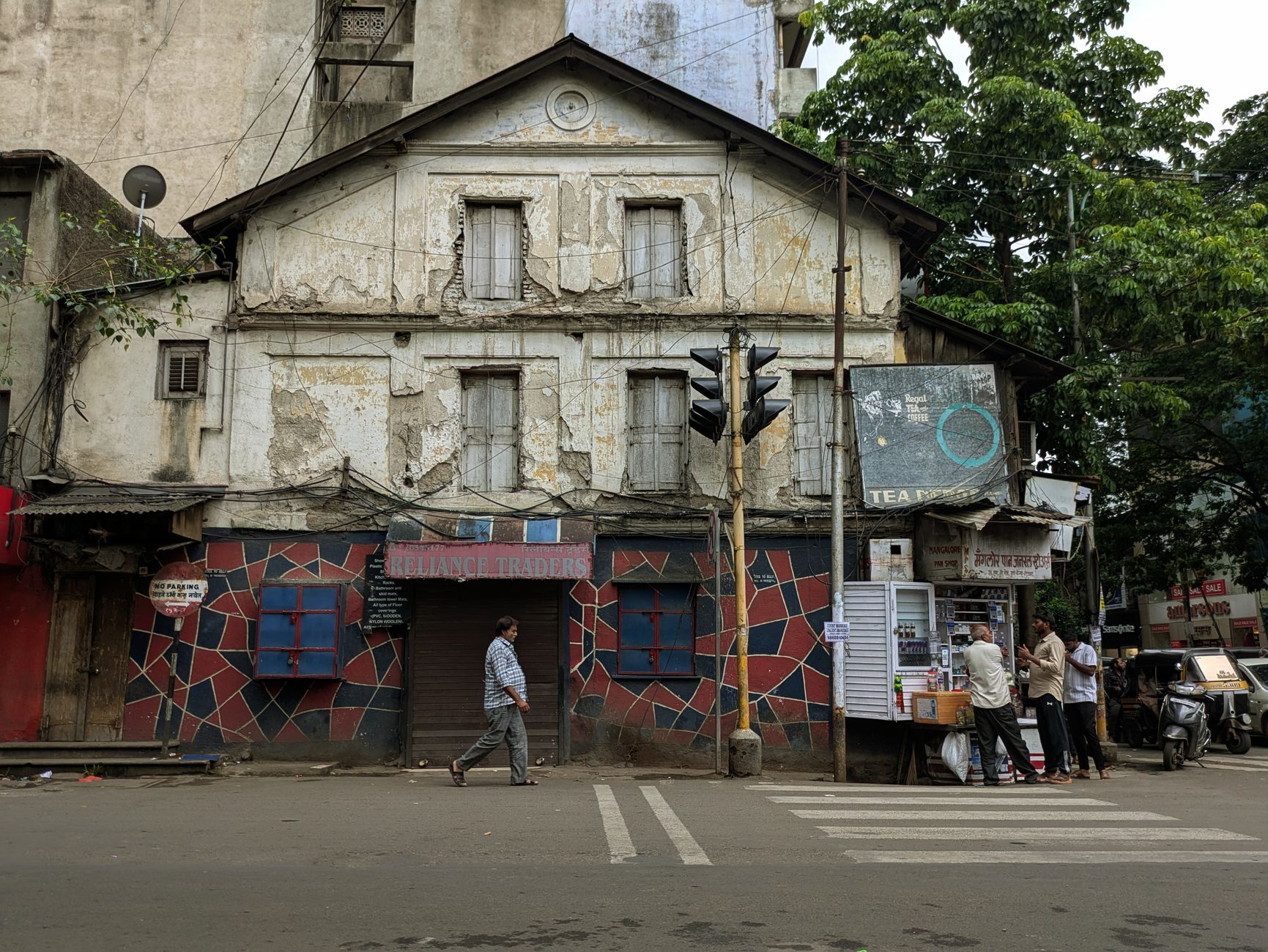
A glimpse of daily life in Pune, Bhart, where a historic, weathered building with a geometric mural stands alongside a bustling local tea stall.
Mayank Chourasia on Pexels
Pune rewards a full stay. You get living 18th-century wadas, UNESCO-listed forts, a 2nd-century-BCE cave belt and a music festival scene born with Bhimsen Joshi—none of which fit a Mumbai day-trip.
Three days covers the old-city wadas, Kelkar museum and a fort trek; add two more if you want day trips to the newly UNESCO-listed Maratha forts or Bhaja-Karla caves.
Take the airport PMPML metro feeder bus to Yerwada metro, then ride to Bund Garden for ₹18 total; taxis average ₹600 and Uber often surges during IT-shift change.
Koregaon Park and FC Road stay busy until 1 a.m. with street-lit crowds; avoid walking alone in the old Peth lanes after 11 p.m. and use app cabs that track routes.
Post-monsoon October to February gives clear skies and firm rock; June–September is lush but leech-ridden and railings are still patchy despite new UNESCO status.
No—tickets are sold at the gate, but arrive before 10 a.m. to dodge school groups and get the audio guide that explains which burnt wall once held Baji Rao’s mirror hall.
Ready to book?
Pune International Airport (PNQ) has pre-paid taxis straight to the old city in 25 minutes. Pune Junction and Shivajinagar are the main railheads; NH-48 (Mumbai) and NH-65 (Solapur) feed the bus stands at Swargate and Pune Station.
Pune Metro runs two lines (PCMC–Swargate and Vanaz–Ramwadi) covering 33 km and 28 stations in 2026. PMPML buses and Rainbow BRT handle the gaps; feeder e-bikes rent at major metro stops from ₹5–20. One Pune RuPay card gives 10 % off metro rides (₹50 issuance).
November–February delivers 12–30 °C and almost no rain—ideal for fort treks. March–May peaks near 38 °C; June–September soaks the city with 187 mm in July alone. Come October for post-monsoon green hills minus the umbrellas.
Marathi is spoken on the street, Hindi gets you through most menus, English dominates cafés and the IT corridors. Carry rupees—₹10 to ₹500 notes—because UPI One World is still pilot-only for foreigners in 2026.
67 places, one continuous walking route. Free with your first city.
67 places to discover


Showing 48 of 67 — search any place to jump straight there.