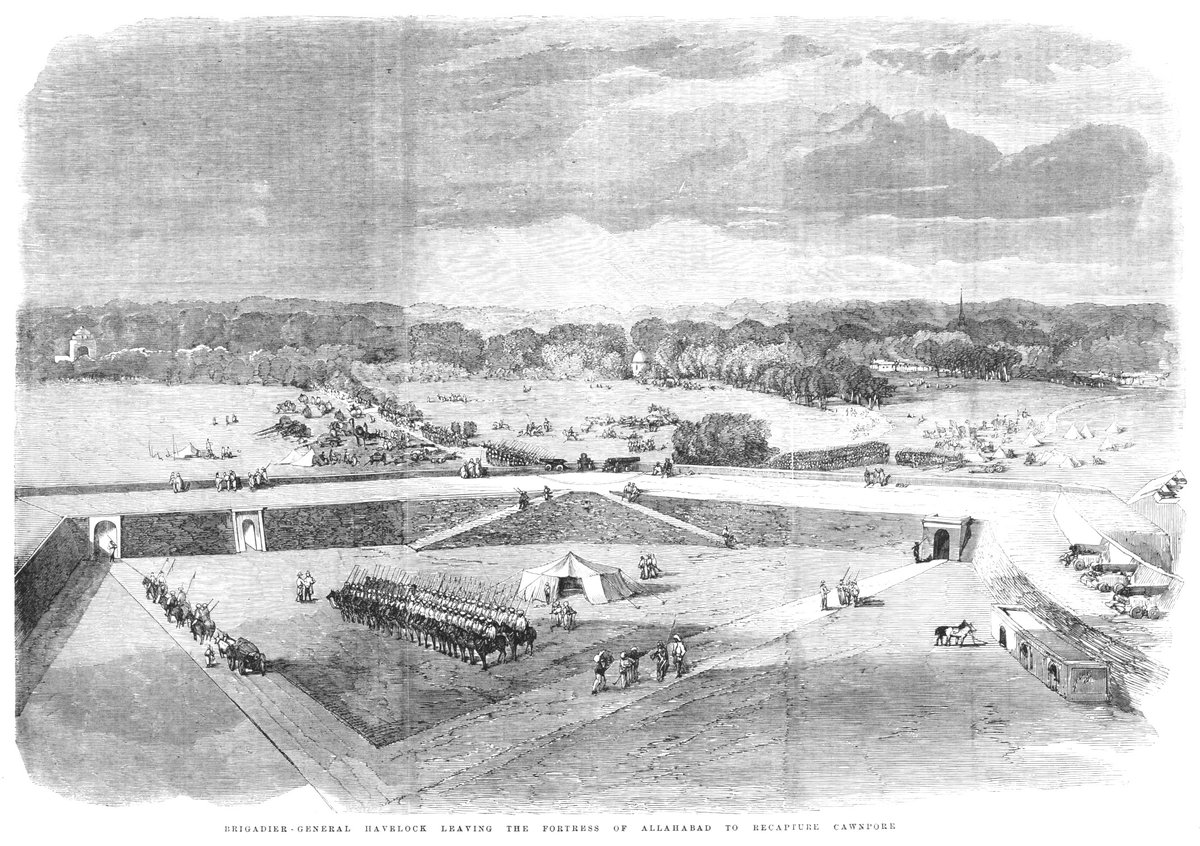
Allahabad Fort: History & Cultural Significance
Commissioned by Emperor Akbar in 1583, Allahabad Fort stands as a testament to Mughal grandeur and the city’s strategic importance at the confluence of the Ganges, Yamuna, and the mythical Saraswati rivers. The fort’s imposing red sandstone walls enclose treasures such as the Ashoka Pillar, Jahangir Palace, and the underground Patalpuri Temple. Throughout history, it has served as a stronghold during the Mughal era, witnessed the march of British colonialism, and played a role in India’s independence movement. The fort also gains spiritual significance during the Kumbh Mela, attracting millions of pilgrims to the sacred Triveni Sangam nearby.
Visiting Hours & Ticket Information
- Opening Hours 10:00 AM to 5:00 PM (Tuesday to Sunday)
- Closed Mondays and major public holidays
- Entry Fees
- Indian Nationals: INR 20–50 per person (students with valid ID: INR 20)
- Foreign Nationals: INR 200–500 per person
- Children below 15 years: Free
- Tickets Available at the fort entrance or via the Uttar Pradesh Tourism website
Note: Guided tours are highly recommended and can be booked at the entrance or in advance, especially for groups.
Getting There: Directions & Transport
- By Air Prayagraj Airport is approximately 12–15 km from the fort, with daily flights connecting major Indian cities.
- By Rail Prayagraj Junction, one of India’s busiest railway stations, is about 5–6 km from the fort. Taxis and auto-rickshaws are readily available.
- By Road The fort is easily accessible by city buses, taxis, auto-rickshaws, and private vehicles via NH30 and NH19. Parking is available near the site.
Guided Tours & Special Events
Official guided tours, offered by ASI-approved guides, provide in-depth insight into the fort’s architecture, history, and cultural relevance. During major events like Kumbh Mela, special heritage walks and cultural programs are organized, offering a unique perspective on Prayagraj’s traditions.
Accessibility & Visitor Facilities
- Accessibility Wheelchair ramps are available at main entrances; some internal areas may be less accessible due to uneven terrain.
- Facilities Clean restrooms, drinking water stations, souvenir shops, and food stalls are situated near the entrance.
- Audio Guides Available in multiple languages for self-paced exploration.
Nearby Attractions
Triveni Sangam
The sacred confluence of the Ganges, Yamuna, and Saraswati rivers—one of Hinduism’s holiest sites. Visit at sunrise for a serene experience or take a boat ride for panoramic views. The site hosts the famed Kumbh Mela every 12 years.
Anand Bhavan
A museum and former residence of the Nehru-Gandhi family, Anand Bhavan showcases artifacts from India’s freedom struggle. Open 9:00 AM to 5:00 PM (closed Mondays); entry fees apply.
Khusro Bagh
This Mughal-era garden features impressive tombs and tranquil green spaces, ideal for history enthusiasts and photographers.
Travel Tips
- Visit between October and March for pleasant weather.
- Wear comfortable footwear, as the fort and gardens have uneven surfaces.
- Carry water and sun protection, especially in summer.
- Photography is allowed in most areas, but drones and commercial equipment require ASI permission.
- Respect religious customs, particularly at the Patalpuri Temple and Sangam.
- Check the official websites for the latest updates on timings and ticket prices.
Frequently Asked Questions (FAQs)
Q1: What are the visiting hours for Allahabad Fort?
A: 10:00 AM to 5:00 PM, Tuesday to Sunday. Closed Mondays and select holidays.
Q2: Are guided tours available?
A: Yes, both audio guides and guided tours by ASI-approved experts are available.
Q3: Is Allahabad Fort suitable for children and elderly visitors?
A: Yes, though some areas are uneven. Wheelchair access is available at main entrances.
Q4: What are the ticket prices?
A: INR 20–50 for Indian nationals, INR 200–500 for foreign visitors. Children under 15 are free.
Q5: How can I get to the fort?
A: By air (Prayagraj Airport), train (Prayagraj Junction), or road (NH30/NH19).
Visual Gallery