Ponneri

India Verified Apr 2026

The air smells of salt and jasmine, diesel and dust, the scent of a town that isn't quite a town. Ponneri, in India's Tamil Nadu, is a place you pass through—a suburban railway junction where local trains sigh to a halt on their way to Chennai. But stop here, and you'll find a forgotten gateway to a lost Dutch colony and a religious ritual so old, even the gods share a festival.

Ponneri, India Photo: Aslamwonders · CC BY-SA 3.0
Attractions
3
Audio
24 min
Trip length
1 day
Best season
Winter (November-February)

Why Ponneri

Built from cited sources · see the method · How we make our guides →

Forget a grand city center. Ponneri's rhythm is set by the suburban railway, a constant metallic pulse connecting it to the capital 40 kilometers south. This isn't a destination; it's an access point. The town itself is modest, centered on the Agastheeswarar Temple, a Chola-era shrine where stone lingams have absorbed centuries of whispered prayers. Local tradition says this was once an ancient center of learning, a quiet fact that hangs in the air like heat haze.

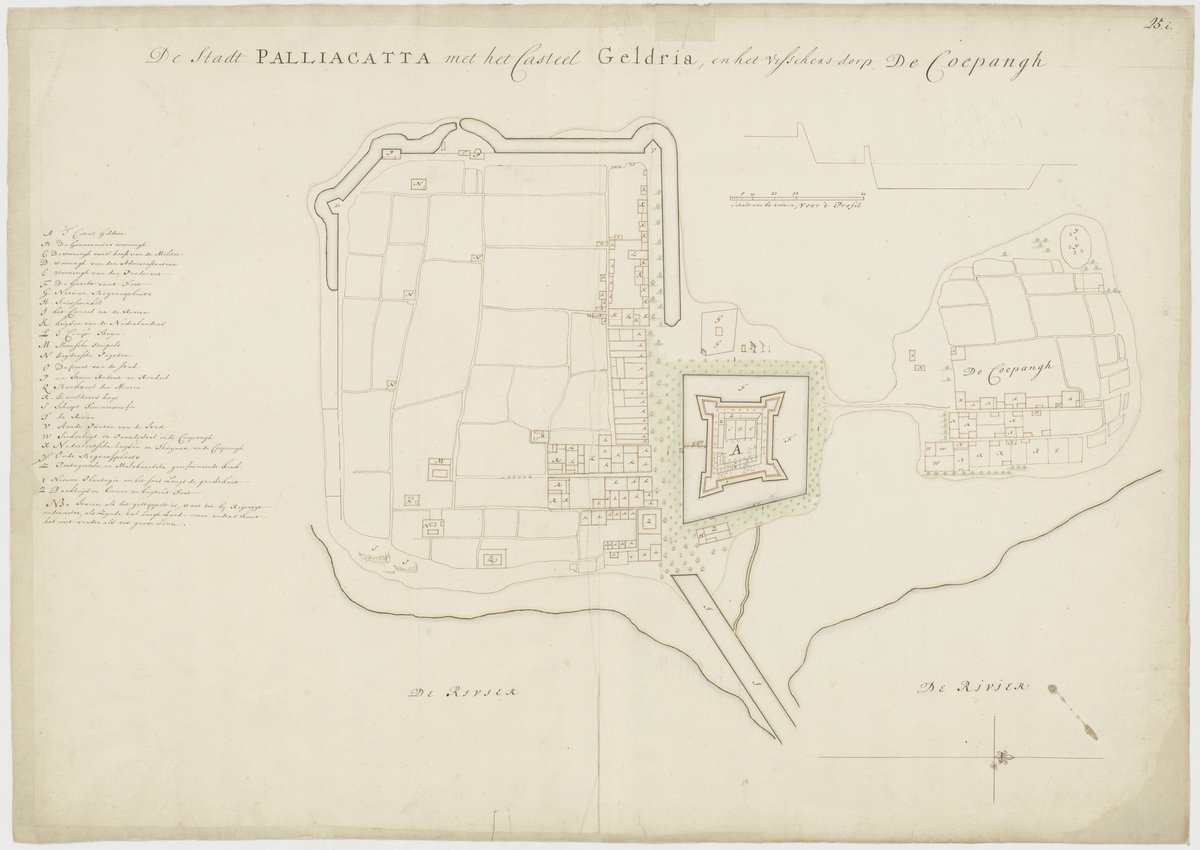
The real magic lies in what Ponneri unlocks. This is the nearest railhead to Pulicat, a ghost of the Dutch East India Company. From here, you can reach a brackish lagoon where thousands of flamingos stand like pink sentinels each winter. The district's own tourism copy, updated just this month, directs travelers this way. They know the secret.

Then there's the festival. Every Chittirai (April-May), the town stages the Harihara Sandhippu. The processional deities from the Agastheeswarar and Kari Krishna Perumal temples—Shiva and Vishnu—are brought together in a rare, documented ritual of unity. Two gods, one street, a thousand witnesses. It's a theological handshake that turns a transit hub into a pilgrimage.

  • A Rare Ritual Alliance

    The Agastheeswarar and Kari Krishna Perumal temples share a unique, documented tradition. Every April or May, during the Chittirai festival, their deities are brought together in a procession called Harihara Sandhippu, a formal meeting between Siva and Vishnu that speaks to a deeper, local theological harmony.
  • The Suburban Gateway

    Ponneri Railway Station is your quiet launchpad. It’s the nearest suburban rail access for the Dutch heritage and birdlife of Pulicat, with frequent local trains connecting you to Chennai’s urban energy in one direction and the brackish stillness of the lake in the other.
  • Flamingo Season on the Lake

    Between October and March, the skies over nearby Pulicat Lake shift from blue to a slow, sweeping pink. Thousands of migratory flamingos and other waterbirds descend on the shallow waters, a spectacle of movement and color that feels worlds away from the town’s quiet streets.

Neighborhoods

Where to wander, by quarter — each with its own rhythm.

  • Ponneri Town Center & Temple Precinct

    This is the old heart, a compact grid of shops and homes radiating from the Agastheeswarar Temple. The light here feels different in the temple courtyard—sharp and golden, cutting through the smoke of camphor. You'll find the Kari Krishna Perumal temple a short walk away, its walls holding stories of that unusual shared festival. The character is devout, daily, and deeply local.
  • Ponneri Railway Station & Environs

    Not a neighborhood in the traditional sense, but the district's functional core. The station is a constant hum of arrival and departure, the platform stained with betel nut and echoing with Tamil announcements. This is where your journey pivots. Auto-rickshaw drivers cluster outside, their meters ticking off the 25-kilometer fare to Pulicat before you've even bought a bottle of water.
  • Pulicat (Pazhaverkadu)

    Reachable via a 45-minute bus or auto ride from Ponneri station, this isn't a suburb—it's a day trip that defines the region. A skeletal Dutch cemetery faces the lagoon, names eroded by salt wind. The 16th-century lighthouse still stands. Come between November and March, and the shallow waters blush with migratory flamingos. The official district site calls it a place of 'historical importance and natural beauty.' That's an understatement. It feels like the edge of the world.

Plan your trip

Before you go

Getting There
Chennai International Airport (MAA) is your main international gateway, about 45 kilometers south. From there, you'll take a taxi or ride-share to Chennai's main suburban rail hubs. The Ponneri Railway Station itself is on the Chennai–Gummidipoondi suburban line, a direct link from Chennai Central and Chennai Beach stations.
Getting Around
Local transport is defined by the suburban rail and the bus. The Southern Railway’s Chennai suburban network is your efficient spine. For trips to Pulicat or Poondi, state-run buses (Tamil Nadu State Transport Corporation) run frequently from Ponneri as of 2026. Auto-rickshaws handle the last-mile connections within town.
Climate & Best Time
Summer (Mar–Jun) is hot, with temperatures regularly hitting 35–40°C. The monsoon brings heavy rain from Oct–Dec. The sweet spot is the winter, from November to February. Temperatures are milder (20–30°C), the air is drier, and it coincides perfectly with the migratory bird season at Pulicat Lake.
Language & Currency
Tamil is the primary language, with English widely understood in transport hubs and by service providers. The Indian Rupee (₹) is the currency. ATMs are available in town, but it’s wise to carry cash for auto-rickshaws and smaller local vendors.

Where to Eat

Where locals actually book dinner — not the tourist menus.

Insider tips

Small things that change how the city treats you.

  • Use the Station

    Ponneri Railway Station is your gateway. Frequent suburban trains connect to Chennai Central in about an hour, and it’s the nearest rail access point for trips to Pulicat Lake.
  • Plan for Heat

    The Tamil Nadu coast is humid and hot. Visit from November to February if you can. The mornings are cooler, and winter brings migratory flamingos to Pulicat.
  • Go North for Birds

    The real attraction is Pulicat. Catch a bus north from Ponneri station; the journey takes around 30 minutes. The lake’s bird sanctuary is active in winter.
  • Check Festival Dates

    If you visit in April or May, ask locals about the Harihara Sandhippu festival. It’s a unique ritual pairing the Agastheeswarar and Kari Krishna Perumal temples.
  • Eat in Chennai

    Ponneri is a small town. For a wider range of restaurants, head back to Chennai after your day trips. Pack water and snacks for exploring.

Frequently asked

Is Ponneri worth visiting?

Ponneri is worth visiting as a strategic base, not a destination. Its value lies in its railway station, which provides efficient access to the Dutch heritage site and bird sanctuary at Pulicat Lake. Spend your day there, not here.

How many days should I spend in Ponneri?

One day is enough. Use Ponneri as a transit hub for a day trip to Pulicat. Stay overnight only if you plan multiple excursions to nearby temples in Tiruvallur district.

How do I get to Pulicat Lake from Ponneri?

Take a bus from Ponneri town. The Tiruvallur district tourist page states frequent bus services run from Ponneri to Pulicat (Pazhaverkadu). The trip takes about 30 minutes.

What is the best time to visit Ponneri and Pulicat?

Winter, from November to February. The heat is less intense, and this is the peak season for migratory bird watching at Pulicat Lake, including flamingos.

Is Ponneri safe for solo travelers?

Yes, it’s a quiet suburban town. Standard precautions apply: keep valuables secure, avoid isolated areas after dark, and use registered transport for day trips.

What are the main attractions in Ponneri itself?

The Agastheeswarar Temple, a Chola-period Shiva temple, and the Kari Krishna Perumal Temple. Their shared festival in Chittirai (April-May) is a local highlight. The railway station is your practical anchor.

All Places to Visit.

1 place to discover

Fort Geldria
Place

Fort Geldria

Photo credits (1)
  1. Ponneri Bridge — Aslamwonders — CC BY-SA 3.0 (https://creativecommons.org/licenses/by-sa/3.0/) — Source: https://commons.wikimedia.org/wiki/File:Ponneri_Bridge.jpg

Photos may have been resized or cropped.