Plan and listen to Golghar with Audiala.
Audio guide in your pocket, itinerary in your browser. Built for the way you actually visit.
Introduction
Located in the heart of Patna, Bihar, Golghar stands as a testament to 18th-century colonial engineering and the city’s cultural resilience. Constructed in 1786 under the guidance of Captain John Garstin following the devastating famine of 1770, this massive beehive-shaped granary was built to prevent future food shortages. Over the centuries, Golghar has evolved from a utilitarian structure to an emblematic monument, offering visitors panoramic views of the Ganges River and Patna city while serving as a focal point for culture, history, and urban life.
This detailed guide covers Golghar’s historical background, architectural features, cultural significance, practical visitor information, and nearby attractions—providing a comprehensive resource for travelers seeking to experience Patna’s rich heritage.
- Historical Background and Architectural Features
- Cultural Significance
- Visitor Experience and Practical Insights
- Location and Accessibility
- On-Site Experience
- Nearby Attractions
- Suggested Itineraries
- Practical Tips for Exploring Patna
- Destinations Beyond Patna
- Frequently Asked Questions (FAQ)
- Conclusion
- Sources and Official Links

Historical Background and Architectural Features
Origins and Purpose
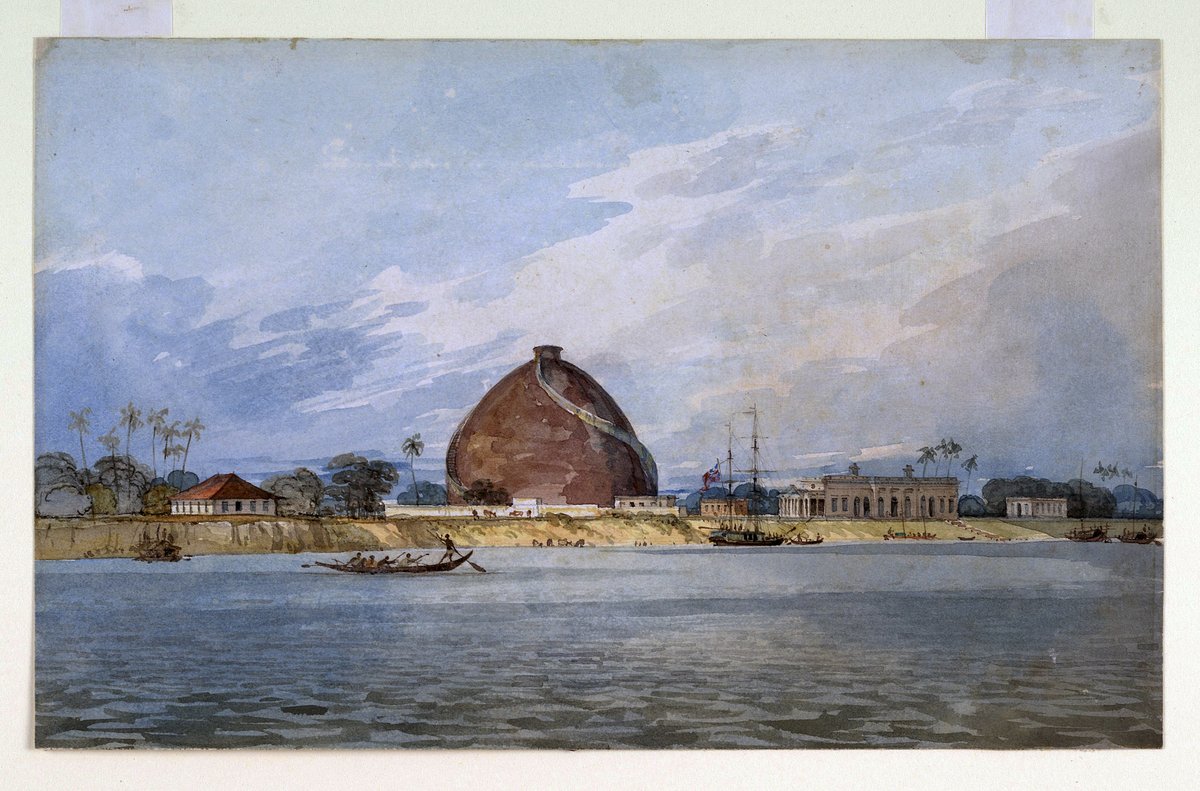
Golghar was commissioned in 1784 by Warren Hastings, the first Governor-General of India, to serve as a preventive measure against famines after the catastrophic famine of 1770 in Bihar and Bengal (Tripoto). Designed by Captain John Garstin, the granary was completed in 1786 and was originally intended to be part of a larger network of granaries—though Golghar remains the only one constructed (India OnGo).
Architectural Highlights
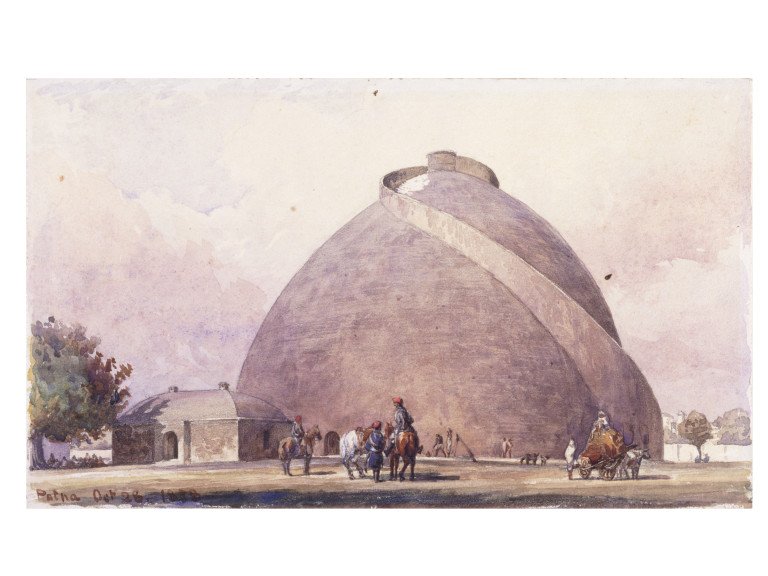
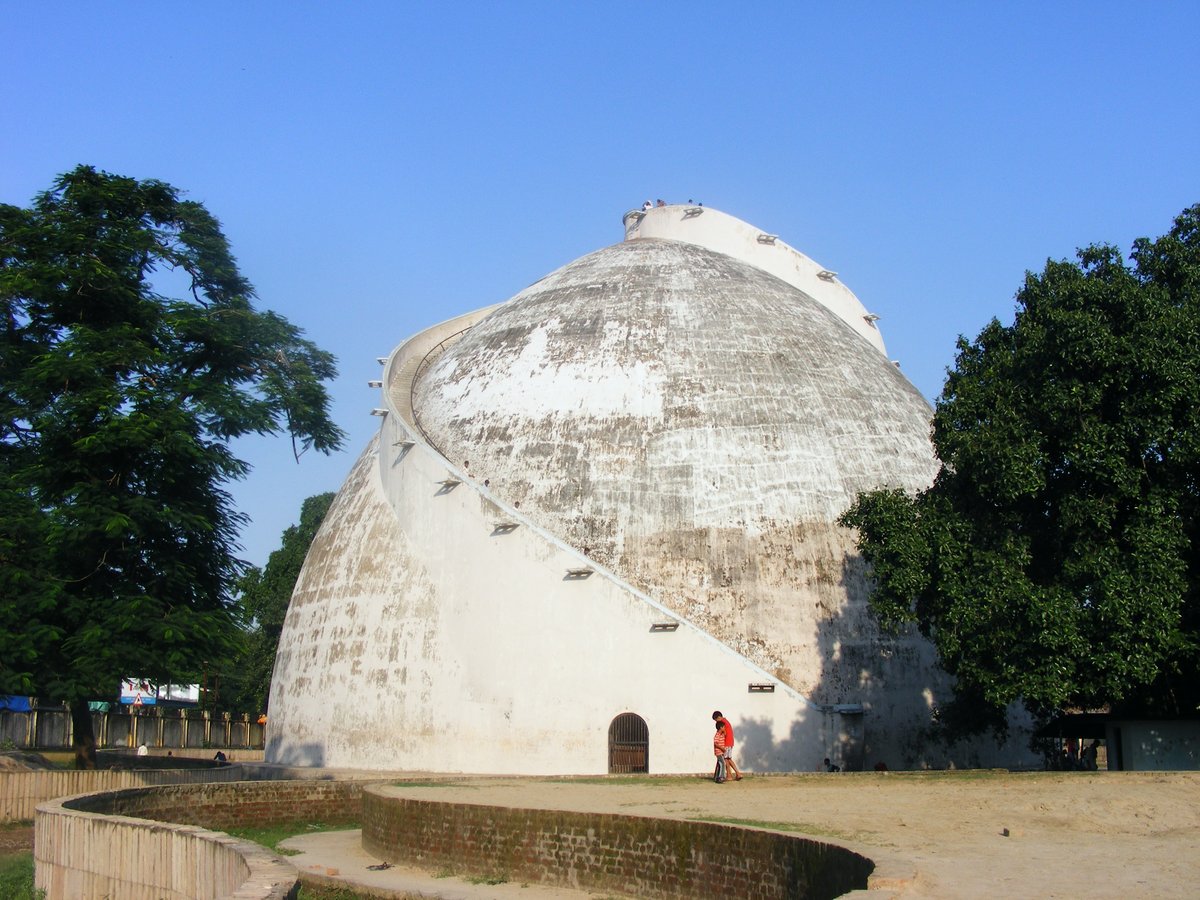
Golghar’s design draws inspiration from Buddhist stupas, featuring a massive dome 29 meters high and a diameter of 32–35 meters. The walls are 3.6 meters thick at the base, ensuring both stability and temperature regulation. The iconic spiral staircase of 145 steps encircles the exterior, facilitating the movement of grain sacks to the top (Cities2Explore). The structure lacks internal pillars, creating a vast, unobstructed storage space capable of holding up to 140,000 tons of grain. Notably, its inward-opening main door prevented the granary from being filled completely, a design flaw that has since become part of its historical intrigue (My Visiting Hours).
Construction Techniques
Built with brick masonry and lime mortar, Golghar’s thick walls insulate the interior against Patna’s intense climate, exemplifying colonial adaptation to local conditions (hectindia.com).
Cultural Significance
Symbol of Colonial History and Resilience
Golghar was constructed in response to the Bengal Famine of 1770, symbolizing both colonial intervention and the ongoing challenge of food security in India (thebusinesscluster.net). Over the years, it has become an enduring symbol of Patna’s resilience.
Integration into Local Identity and Tourism
The monument features prominently in local art, literature, and folklore, and serves as a backdrop for cultural events and educational tours. Its central location, near Gandhi Maidan, enhances its visibility and relevance within the city (hectindia.com).
Preservation and Modern Engagement
Ongoing renovations since 2002 by the Bihar government have preserved Golghar’s integrity and improved visitor amenities, ensuring its continued role as a living cultural landmark (thebusinesscluster.net).
Educational and Interpretive Value
Golghar acts as an open-air classroom for students of history, architecture, and engineering. Interpretive signage and guided tours further enrich the visitor experience (audiala.com).
Community Role
The surrounding gardens serve as a gathering place for recreation and events, reinforcing Golghar’s status as a vibrant community space (hectindia.com).
Visitor Experience and Practical Insights
Visiting Hours and Tickets
- Visiting Hours: Golghar is open daily from 8:00 AM to 6:00 PM.
- Entry Fee: Entry is free for all visitors. A nominal fee may apply for entry to the adjacent park or special events (official Bihar Tourism).
- Laser Light and Sound Show: Held on Fridays, Saturdays, and Sundays from 6:15 PM to 7:15 PM. Tickets cost ₹30 per person and are available on-site (Nomad Saikat).
Accessibility and Amenities
- Staircase: The 145-step spiral staircase leads to the top and offers striking views, but is not wheelchair accessible.
- Gardens: The base and garden areas are accessible and suitable for visitors with mobility challenges.
- Facilities: Restrooms, parking, and limited food stalls are available nearby.
Travel Tips
- Visit early morning or late afternoon for pleasant weather and optimal photography conditions.
- Wear comfortable shoes and carry water.
- Consider hiring a local guide for deeper insights.
Location and Accessibility
Golghar is situated on Ashok Rajpath, close to the banks of the Ganges River and Gandhi Maidan (Nomad Saikat).
- By Air: Jayaprakash Narayan International Airport is 7–8.5 km away; taxi/auto-rickshaw rides take 20–30 minutes (IndiaTouristInfo).
- By Rail: Patna Junction is about 4 km away, accessible via taxi, auto, or local buses.
- By Road: Well-connected by city buses, auto-rickshaws, and taxis.
On-Site Experience
The Monument and Climb
- Climb: Ascend the 145-step spiral staircase for panoramic city and river views (IndiaTravelSolutions). The climb is manageable for most but requires caution due to the exposed stairway.
- Gardens: Well-maintained lawns offer space for relaxation and picnics.
- Laser Light and Sound Show: An engaging evening event narrates Golghar’s history and Patna’s culture.
Safety
- The staircase is exposed; supervise children and elderly visitors.
- Gardens and lower areas offer accessible leisure spaces.
Nearby Attractions
Golghar’s central location makes it a perfect starting point to explore Patna’s rich historical and cultural sites:
- Gandhi Maidan: A historic urban park adjacent to Golghar.
- Gandhi Sangrahalaya: Museum dedicated to Mahatma Gandhi’s life and legacy (Trodly).
- Patna Museum: Features artifacts from ancient and medieval Bihar (Trodly).
- Bihar Museum: Modern, interactive exhibits on Bihar’s heritage (MakeMyTrip).
- Buddha Smriti Park: Meditation spaces and a central stupa (Trodly).
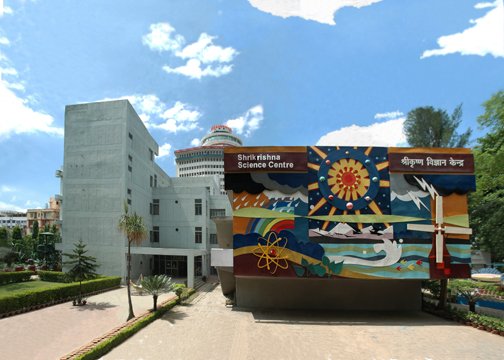
- Srikrishna Science Centre: Interactive science exhibits for all ages (Trodly).
- Folk Art Museum: Showcasing Bihar’s folk traditions (Trodly).
- Gandhi Ghat: Evening Ganga Aarti on the riverbanks (Thrillophilia).
- Sanjay Gandhi Biological Park (Patna Zoo): Popular family destination (Trodly).
- Patan Devi Temple: One of Patna’s oldest temples (Trodly).
- Takht Sri Patna Sahib: Major Sikh pilgrimage site (Trodly).
- Agam Kuan: Ancient Mauryan well (Trodly).
- ISKCON Temple Patna: Vibrant spiritual and cultural center (Trodly).
Suggested Itineraries
Half-Day Walking Tour
Start at Golghar, climb for panoramic views, then stroll to Gandhi Maidan and the adjacent Gandhi Sangrahalaya. End at Patna Museum for a historical overview (yometro.com).
Full-Day Heritage and Culture Circuit
Begin with Golghar and Bihar Museum, followed by the Folk Art Museum and Srikrishna Science Centre. Conclude with the Ganga Aarti at Gandhi Ghat (Thrillophilia).
Family-Friendly Excursion
Combine Golghar with a visit to Sanjay Gandhi Biological Park and Buddha Smriti Park for a mix of education and relaxation.
Religious and Spiritual Trail
From Golghar, visit Patan Devi Temple, ISKCON Temple, and Takht Sri Patna Sahib for a spiritual exploration of Patna’s diverse heritage.
Practical Tips for Exploring Patna
- Transport: Most attractions are within a 2–3 km radius; use walking, rickshaws, or taxis for convenience.
- Best Time: October to March offers pleasant weather (MakeMyTrip).
- Safety: Patna’s central areas are safe and well-policed.
- Food: Sample local specialties like litti-chokha and khaja near Gandhi Maidan.
- Shopping: Explore Maurya Lok Complex for souvenirs (Thrillophilia).
- Sustainable Tourism: Dispose of waste properly, use reusable bottles, and support local vendors (TravelSetu).
Destinations Beyond Patna
Patna serves as a gateway to several significant sites:
- Nalanda: UNESCO World Heritage site of the ancient university, 90 km away.
- Rajgir: Famous for hot springs and Buddhist sites, 100 km away.
- Bodh Gaya: Site of Buddha’s enlightenment, 110 km away.
- Vaishali: Jain and Buddhist pilgrimage center, 55 km away (Trodly).
Frequently Asked Questions (FAQ)
Q: What are Golghar’s opening hours?
A: 8:00 AM to 6:00 PM daily.
Q: Is there an entry fee?
A: Entry is free; a nominal fee may apply for special events or adjacent park access.
Q: Is Golghar accessible for differently-abled visitors?
A: The spiral staircase is not accessible by wheelchair, but the gardens and lower areas are.
Q: Are guided tours available?
A: Yes, local operators and the tourism department offer guided tours.
Q: Is photography allowed?
A: Yes, photography is allowed; drone use requires special permission.
Listen to the full story in the app
The whole Golghar,
told well.
Audio guides for 1,100+ cities across 96 countries. History, stories, and local insight — offline ready.
Verified, and shown.
Researched and written by the Audiala editorial team from historical records, architectural archives, and local expertise.
Researched from Wikidata, Wikipedia & official sources · fact-checked · How we make our guides →