
Travel Dates: 14/08/2024
Welcome to Palitana: Where History and Spirituality Converge
Welcome to Palitana, a city where the past whispers through ancient temples, and spirituality dances on the wind. Nestled in the Bhavnagar district of Gujarat, India, Palitana is a sanctuary of devotion that has stood the test of time since its founding in 1194. Imagine climbing Shatrunjaya Hill, where over 800 intricately carved Jain temples create a celestial landscape. This isn't just a pilgrimage; it's a journey through centuries of faith, resilience, and architectural brilliance (Curly Tales).
For the Jains, Palitana is nothing short of sacred ground. Legend has it that the first Jain Tirthankara, Lord Adinath, achieved enlightenment here, making it a beacon for spiritual seekers. But Palitana is more than just its temples; it's a city that made history by becoming the world's first legally enforced vegetarian city in 2014. Imagine a place where respect for all living beings is enshrined in law, reflecting the Jain principles of non-violence and compassion (Culture and Heritage).
As you traverse the stone steps of Shatrunjaya Hill, each temple tells a story, from the marble marvels of the Adinath Temple to the tranquil sanctuaries like Vimal Shah Temple. But the allure of Palitana extends beyond its religious sites. Nearby attractions like Gopinath Beach and the Palitana Wildlife Sanctuary offer a refreshing contrast to the spiritual intensity of the temples. Whether you're a history buff, a spiritual seeker, or a nature lover, Palitana has something to offer. So lace up your shoes, carry plenty of water, and get ready to explore a city where every corner holds a piece of history, a touch of spirituality, and a whole lot of heart (Tripoto).
Explore Palitana: A Journey Through Time and Culture
- A Tale of Timeless Devotion: Discover Palitana
- Ancient Roots and Development
- Jain Legends and Pilgrimage
- Cultural and Religious Significance
- The World's First Vegetarian City
- Festivals and Celebrations
- Architectural Marvels
- Shatrunjaya Hill Temples
- Hidden Gems and Local Secrets
- Visitor Tips: Your Guide to an Enriching Experience
- Best Time to Visit
- How to Reach
- Accommodation and Dining
- Essential Tips
- Nearby Attractions
- Gopinath Beach
- Talaja
- Palitana Wildlife Sanctuary
A Tale of Timeless Devotion: Discover Palitana
Ancient Roots and Development
Palitana, nestled in the Bhavnagar district of Gujarat, India, is a city that whispers ancient tales and echoes of spiritual journeys. Founded in 1194, this city flourished into a princely state under British rule. The temples of Palitana, with their origins deeply intertwined with Jain legends, stand as testaments to enduring faith. Despite invasions and destruction, these temples have been meticulously rebuilt, showcasing the unwavering resilience and devotion of the Jain community (Curly Tales).
Jain Legends and Pilgrimage
For Jains, Palitana is sacred ground. It's believed that the first Jain Tirthankara, Lord Adinath, achieved enlightenment on Shatrunjaya Hill, home to over 800 intricately carved temples. This hill is a beacon of spirituality, drawing pilgrims who seek blessings, offer prayers, and partake in age-old rituals (Culture and Heritage).
Cultural and Religious Significance
The World's First Vegetarian City
In 2014, Palitana made history, becoming the first city globally to legally enforce vegetarianism. The sale and consumption of meat, fish, and eggs were banned, reflecting the Jain principles of non-violence and respect for all living beings (Curly Tales).
Festivals and Celebrations
Palitana bursts into life during the Kartik Purnima festival, attracting thousands of pilgrims. The devotion and spiritual energy during this period offer a glimpse into the vibrant Jain way of life and their deep-rooted traditions (Curly Tales).
Architectural Marvels
Shatrunjaya Hill Temples
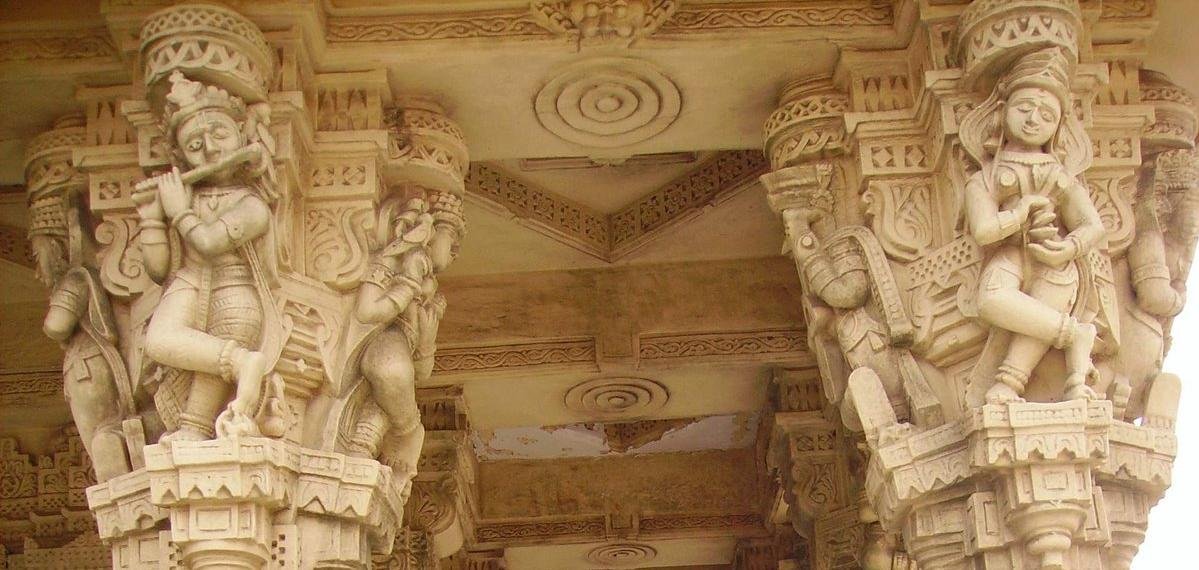
Shatrunjaya Hill, the crown jewel of Palitana, houses over 800 temples built over 900 years. The climb involves over 3,750 stone steps, making it a challenging yet rewarding pilgrimage. These temples are stunning examples of Jain architecture, with intricate carvings and breathtaking views. Highlights include the Adinath Temple, Kumarpal Temple, and Angar Pir Shrine (Tripoto).
Hidden Gems and Local Secrets
Beyond the famed temples, Palitana offers hidden treasures like the tranquil Vimal Shah Temple and the serene Khartar Vasahi Temple. These sites provide a unique architectural and spiritual experience, contributing to Palitana's reputation as a sanctuary of Jain spirituality (Travel Setu).
Visitor Tips: Your Guide to an Enriching Experience
Best Time to Visit
The ideal time to visit Palitana is during winter (November to February) when the weather is pleasant. Summers (March to June) can be scorching, while the monsoon season (July to October) brings moderate rainfall, perfect for those who enjoy a cooler climate (Tripoto).
How to Reach
Palitana lacks its own airport. The nearest airport is in Bhavnagar, 51 km away, with the closest international airport in Ahmedabad, 215 km from Palitana. Bhavnagar Railway Station, 56 km away, is the nearest railhead. Local transportation includes auto-rickshaws, cabs, and horse carts (Indian Holiday).
Accommodation and Dining
Palitana offers a range of accommodations, from budget hotels to comfortable lodgings. The local cuisine, influenced by Jain culture, is purely vegetarian. Recommended restaurants include Sankalp, Jagruti, and Swagat (Indian Holiday).
Essential Tips
- Footwear Wear comfortable shoes for the climb to Shatrunjaya Hill's 3,750 steps.
- Respect Local Customs Adhere to local customs, especially the vegetarian mandate.
- Hydration Carry sufficient water, especially during hotter months.
- Donations While temple entry is free, donations are appreciated.
Nearby Attractions
Gopinath Beach
About 30 km from Palitana, Gopinath Beach offers a sublime view, with the 700-year-old Gopnath Mahadev Temple drawing many devotees annually (Tripcrafters).
Talaja
Located 35 km from Palitana, Talaja is a historic town along the Shatrunjaya River, featuring significant sites for Hinduism, Buddhism, and Jainism, including ancient Buddhist Rockcut Caves (Tripcrafters).
Palitana Wildlife Sanctuary
For nature lovers, the nearby Palitana Wildlife Sanctuary offers bird watching and wildlife spotting opportunities (Tripoto).
Unveil Palitana with Audiala
Embark on your Palitana adventure with Audiala, your ultimate tour guide app. Audiala offers beautifully crafted, concise yet deep audio guides to enhance your exploration. Download Audiala and unlock the secrets and stories of Palitana for a truly memorable experience.