Historical Background
Establishment and Conservation
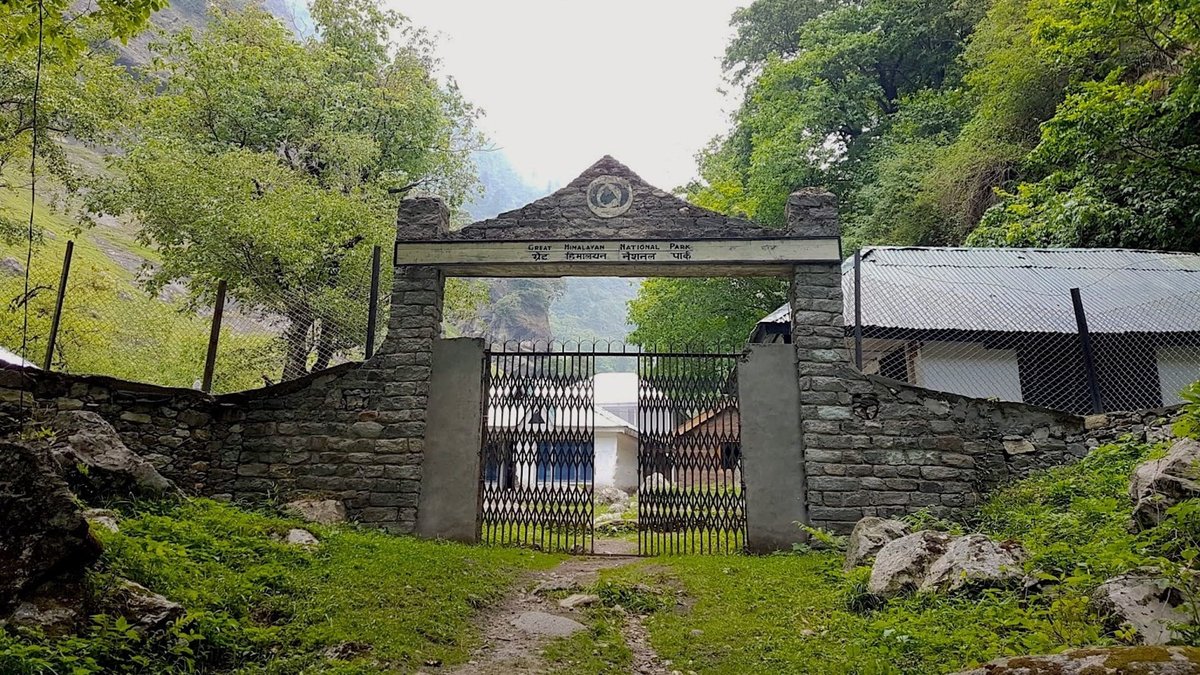
Declared a national park in 1987, Pin Valley was established to protect the cold desert ecosystem and its iconic species, especially the endangered snow leopard (hplahaulspiti.nic.in, indianetzone.com). It forms a core part of the Cold Desert Biosphere Reserve, supporting both rare wildlife and the livelihoods of indigenous communities (learnupsc.com).
Spiritual and Cultural Heritage
Pin Valley is steeped in Tibetan Buddhist traditions, most notably at the Kungri Monastery, the region’s second oldest. The Bhotia and Gaddi tribes maintain a lifestyle rooted in pastoralism and spiritual devotion. Festivals such as Losar (Tibetan New Year) and Fagli, along with traditional arts and architecture, continue to thrive (guidetour.in, whizzed.net).
Biodiversity Significance
Covering a core zone of 675 sq km and an additional 1,150 sq km buffer, the park shelters around 12 snow leopards, Siberian ibex, Himalayan blue sheep, red fox, and a range of rare birds (indianetzone.com). Over 400 plant species, including 22 rare medicinal plants, thrive here (whizzed.net).
Geography and Ecosystem
Location and Topography
Pin Valley lies in the Spiti sub-division, Himachal Pradesh, between 31°6’40” to 32°2’20” N and 77°4’21” to 78°6’19” E, just south of Dhankar Gompa and close to the Tibetan border. Kaza, the nearest town (32 km), serves as the main gateway (traveltriangle.com). Elevations range from 3,500 to over 6,000 meters (indianetzone.com).
Flora and Fauna
Despite harsh conditions, the park harbors alpine pastures, juniper, birch, willows, and rare medicinal plants. It supports snow leopards, ibex, blue sheep, red foxes, pikas, and over 20 bird species, including Himalayan snowcock and bearded vulture (whizzed.net, indianetzone.com).
Accessibility and Terrain
Accessible via road from Manali (via Kaza) or Shimla (via Reckong Peo), the park’s terrain is rugged and often requires trekking. The nearest railhead is Shimla, and Bhuntar airport in Kullu is the closest airport (hplahaulspiti.nic.in). Facilities for differently-abled visitors are limited.
Visitor Information
Visiting Hours
- Park Hours Generally open from 8:00 AM to 6:00 PM (peak season: May–October); hours may vary, especially in winter (manalitourism.co.in, vargiskhan.com).
Tickets and Permits
- Entry Fees Modest; approx. INR 50 for Indian nationals, INR 200 for foreign tourists. Additional camera fees may apply (naparks.com).
- Permits Required for visitors entering from Shimla side (Inner Line Permit from Reckong Peo DM office); not required when entering from Manali (euttaranchal.com).
- Guided Tours Local guides are available and recommended for wildlife tracking and cultural insight.
Best Time to Visit
- May to October Ideal for trekking and exploration. Daytime temperatures range from mild to warm, while nights remain cool.
- November to April The park is snowbound, access is difficult, and only experienced travelers should attempt a visit.
Accommodation
- Homestays In Mud Village and nearby settlements.
- Camping Allowed (no established campsites); bring your own gear.
- Guesthouses Limited options in Kaza and Sagnam (vargiskhan.com).
- Food and Supplies No shops inside the park; stock up at Mud Village or Kaza.
Health and Safety
- Acclimatize to altitude to prevent Acute Mountain Sickness.
- Carry personal medications and a first-aid kit.
- Inform local authorities or hosts about your travel plans; mobile coverage is limited (BSNL works best).
Notable Landmarks
- Pin-Parvati Pass A challenging trek connecting Pin Valley to Parvati Valley.
- Confluence of Spiti and Pin Rivers at Attargo A picturesque and significant site.
- Mudh Village Cultural hub and base for treks (vargiskhan.com).
Responsible Tourism
Environmental Practices
- Leave No Trace Carry out all waste.
- Water Conservation Use water responsibly.
- Wildlife Respect Do not disturb or feed animals.
Cultural Sensitivity
- Dress modestly and respect monastery customs.
- Seek permission before photographing locals or religious sites.
- Support local guides, homestays, and artisans (travelsetu.com).
Sustainable Adventure
- Use local guides and porters.
- Stick to marked trails to protect the ecosystem (ramanacademy.in).
- Prefer eco-friendly accommodation and reusable supplies.
Frequently Asked Questions (FAQs)
Q: What are the park’s visiting hours?
A: 8:00 AM to 6:00 PM (seasonal variations possible).
Q: Is there an entry fee?
A: Yes, approx. INR 50 (Indians), INR 200 (foreign nationals); camera fees extra.
Q: Are permits required?
A: Only for those entering from the Shimla side (Inner Line Permit).
Q: When is the best time to visit?
A: May to October.
Q: Are accommodations available inside the park?
A: No; homestays and guesthouses are in nearby villages.
Q: Can I photograph wildlife and monasteries?
A: Yes, but follow local guidelines and seek permission for religious sites.
Summary and Recommendations
Pin Valley National Park is a sanctuary of ecological diversity, cultural vibrancy, and adventurous opportunity. From snow leopards and rare flora to ancient Buddhist monasteries and traditional festivals, the park offers an experience both profound and exhilarating. Adhere to visiting hours, permit regulations, and responsible tourism practices to ensure your visit is safe and meaningful. Support local communities, tread lightly, and respect the spiritual and natural sanctity of this Himalayan treasure (hplahaulspiti.nic.in, globalemagazine.com, travelsetu.com, manalitourism.co.in).
Enhance your journey by using the Audiala app for detailed guides, offline maps, and updates. Explore related articles on Himachal Pradesh’s historical sites, eco-tourism, and wildlife conservation.