Plan and listen to Tomb Of Mohammed Shah with Audiala.
Audio guide in your pocket, itinerary in your browser. Built for the way you actually visit.
Introduction
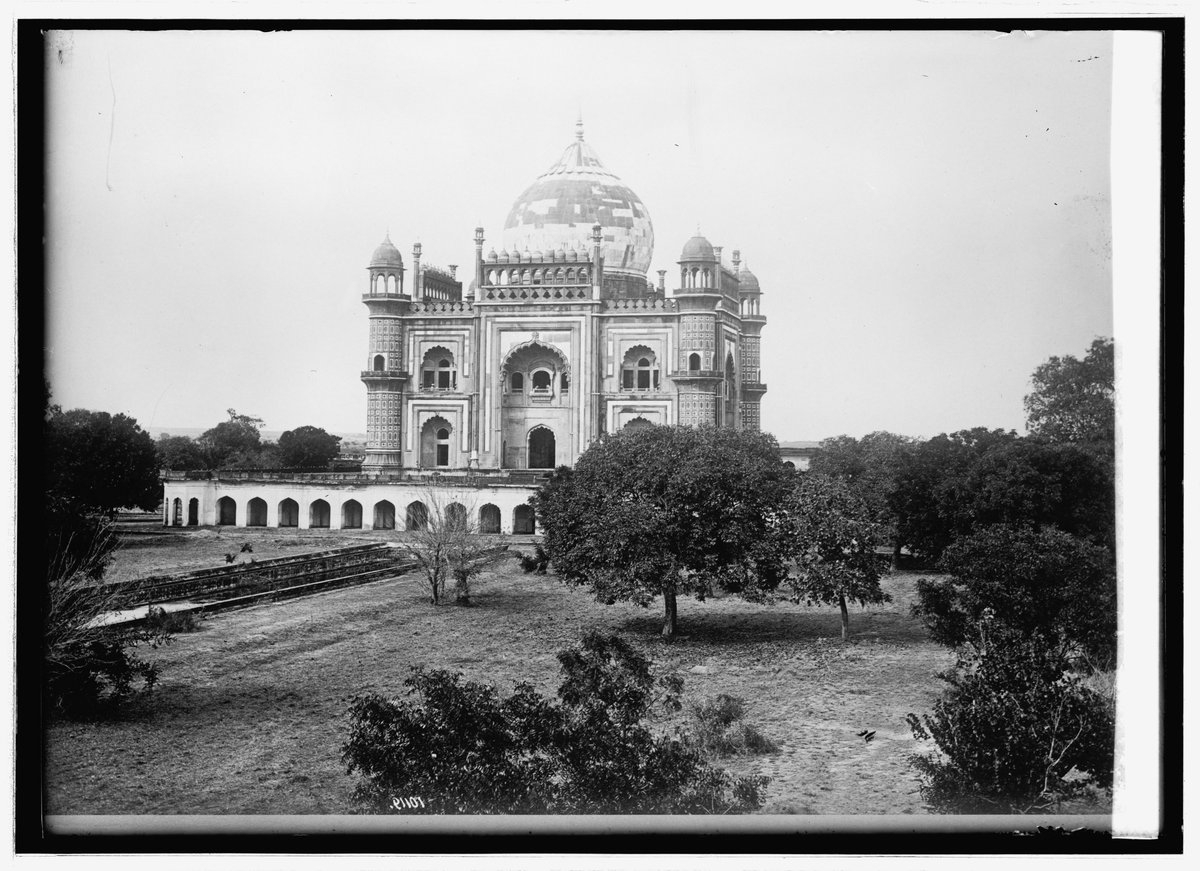
The Tomb of Mohammed Shah, located within New Delhi’s iconic Lodi Gardens, stands as a remarkable monument that encapsulates the rich medieval history and architectural heritage of India. Built around 1445 CE by Alauddin Alam Shah in memory of his father Mohammed Shah, the third ruler of the Sayyid dynasty, this tomb is a testament to the period’s political transitions and the fusion of Indo-Islamic and indigenous styles. As one of the few surviving Sayyid-era monuments, the tomb not only reflects innovative architectural practices but also symbolizes the syncretic cultural landscape of 15th-century Delhi (ThePrint; Reclaim Temples; Asia Research News).
Nestled amidst lush greenery and centrally located, the tomb is easily accessible by metro, bus, or taxi, and welcomes visitors without an entry fee. In this guide, you’ll find everything needed to plan your visit—historical context, architectural highlights, visiting hours, accessibility, travel tips, and more.
Historical Background
Dynastic Context and Construction
The Sayyid dynasty (1414–1451 CE) ruled during a time of great political fragmentation, bridging the gap between the Tughlaq and Lodi dynasties (Wikipedia). Mohammed Shah IV’s reign was marked by weakening central authority, which led to the rise of regional powers and set the stage for the Lodi and Mughal dynasties (Prepp.in). After his death, his son Alauddin Alam Shah commissioned this tomb as both a memorial and a statement of dynastic legitimacy (ThePrint).
Site and Setting
Strategically placed near the revered Nizamuddin Dargah, the tomb’s location in what is today Lodi Gardens—formerly “Bagh-i-Jud”—was chosen for its spiritual resonance and prestige. Over time, the presence of the Sayyid tomb influenced the area’s development as a royal necropolis, a tradition continued by the succeeding Lodi rulers (ThePrint).
Architectural Features
Octagonal Design and Layout
The tomb is built on a raised plinth accessed by stairs, giving it prominence within the gardens. Its octagonal chamber, a hallmark of Sayyid dynasty architecture, departs from earlier square plans and prefigures later Indo-Islamic mausoleums (Asia Research News).
- Arcade: Each of the eight sides features three arched openings, creating a circumambulatory corridor that ensures natural light and ventilation (Scribd).
- Central Dome and Chhatris: The tomb’s large dome, set atop an octagonal drum, is crowned by an inverted lotus finial—an element inspired by Hindu temples. Eight chhatris (domed kiosks) with floral finials accentuate each corner, blending Hindu and Islamic aesthetics (TripGuruGo).
- Circular Gallery: Below the dome, a gallery of arches and windows further illuminates the interior (Asia Research News).
Decorative Elements
Incised plasterwork with geometric and floral designs adorns the tomb’s interior. The use of perforated stone screens (jalis), decorative pinnacles, and calligraphy reflect a harmonious blend of Islamic and local artistic traditions (TripGuruGo).
Structural Innovations
Buttressed corners and discharging arches above the entrances provide structural stability and a rhythmic visual effect (Asia Research News).
Cultural and Historical Significance
The tomb’s architectural syncretism is a testament to the fluid artistic exchanges of its era. Although some historians speculate about earlier Hindu structures at the site, the monument ultimately embodies Delhi’s pluralistic heritage (Reclaim Temples). Its presence established the area as a necropolis, inspiring subsequent dynasties to build their own mausoleums nearby and shaping the evolution of Indo-Islamic funerary architecture (ThePrint).
Visiting the Tomb of Mohammed Shah: Practical Information
Visiting Hours
- Open daily: 6:00 AM – 6:00 PM
(Some sources list 7:00 AM as the opening time; visiting during daylight is recommended.)
Tickets & Entry
- Entry Fee: Free for all visitors.
- Guided Tours: Available via local heritage groups or tour operators for a nominal fee.
Accessibility
- Wheelchair Access: Main garden paths are paved and accessible; ramps are available, but assistance may be needed near the tomb’s stairs.
- Rest Areas: Benches and shaded spots are found throughout the garden.
- Signage: English and Hindi information boards are present.
How to Reach
- Metro: Jor Bagh (Yellow Line) and Khan Market (Violet Line) are the nearest stations, each about a 10–15 minute walk away.
- Bus: Served by several public bus routes (e.g., 502, 505).
- Auto/Taxi: Readily available; parking near main entrances is limited and fills quickly on weekends.
Best Time to Visit
- October to March: Pleasant weather, ideal for strolling and photography.
- Early mornings or late afternoons: Fewer crowds, soft natural light for photos.
On-Site Experience
- Atmosphere: The tomb is set among manicured lawns and mature trees, providing a tranquil escape from city bustle.
- Photography: Free; no official permits required. Early or late daylight enhances the dome and chhatris’ carved details.
- Facilities: Restrooms at main entrances; no food stalls inside, but Khan Market is nearby.
Travel Tips
- Bring water, sun protection, and comfortable shoes.
- The garden is safe and well-patrolled, but beware of unofficial demands for photography fees.
- Plan for 20–30 minutes at the tomb, longer if exploring other monuments in the garden.
Nearby Attractions
- Sikandar Lodi’s Tomb: Another octagonal Sayyid-Lodi era mausoleum.
- Bara Gumbad and Sheesh Gumbad: Imposing domed structures within the gardens.
- Safdarjung’s Tomb: A grand Mughal mausoleum nearby (entry fee applies).
- Nizamuddin Dargah: A revered Sufi shrine within short driving distance.
Conservation and Educational Value
The tomb is protected by the Archaeological Survey of India, with restoration work ensuring its preservation (Scribd). Lodi Gardens, re-landscaped in 1968 by Joseph Stein, now serves as a living museum and cultural hub, with regular heritage walks and educational programs.
Frequently Asked Questions (FAQ)
Q: What are the opening hours?
A: Daily from 6:00 AM to 6:00 PM.
Q: Is there an entry fee?
A: No, entry is free.
Q: Are guided tours available?
A: Yes, through local operators and heritage groups.
Q: Is the tomb wheelchair accessible?
A: Main paths are accessible; assistance may be needed near the tomb itself.
Q: Can I take photographs?
A: Yes, photography is allowed and free of charge.
Q: What is the best season to visit?
A: October to March, especially in the mornings or late afternoons.
Plan Your Visit
Enhance your experience by downloading the Audiala app for self-guided tours and real-time travel tips. For updated information, visit the Delhi Tourism Official Website and Lodi Gardens Information. Connect with us on social media for the latest updates and event announcements.
Listen to the full story in the app
The whole Tomb Of Mohammed Shah,
told well.
Listen to sourced travel stories with local history and practical context — ready offline.

Verified, and shown.
Researched and written by the Audiala editorial team from historical records, architectural archives, and local expertise.
Built from cited sources · see the method · How we make our guides →