Plan and listen to Thyagaraj Sports Complex with Audiala.
Audio guide in your pocket, itinerary in your browser. Built for the way you actually visit.
Introduction
Nestled in the vibrant heart of New Delhi, the Thyagaraj Sports Complex stands as a premier multi-purpose sports venue that exemplifies India’s commitment to blending cutting-edge athletic infrastructure with sustainability and cultural heritage. Originally constructed for the 2010 Commonwealth Games, the complex has since evolved into a dynamic hub for sporting excellence, cultural events, and community engagement. As India’s first Green Building-certified stadium, it is a national benchmark for eco-friendly technologies and inclusive design. This detailed guide provides essential information for visitors—covering the complex’s history, architectural marvels, visiting hours, ticketing, facilities, major events, community programs, and travel tips—helping you plan an enriching visit to one of New Delhi’s most iconic sports venues (Delhi 2010, Delhi Tourism, Delhi Sports Council, IGBC).

Historical Background and Cultural Significance
Origins and Construction
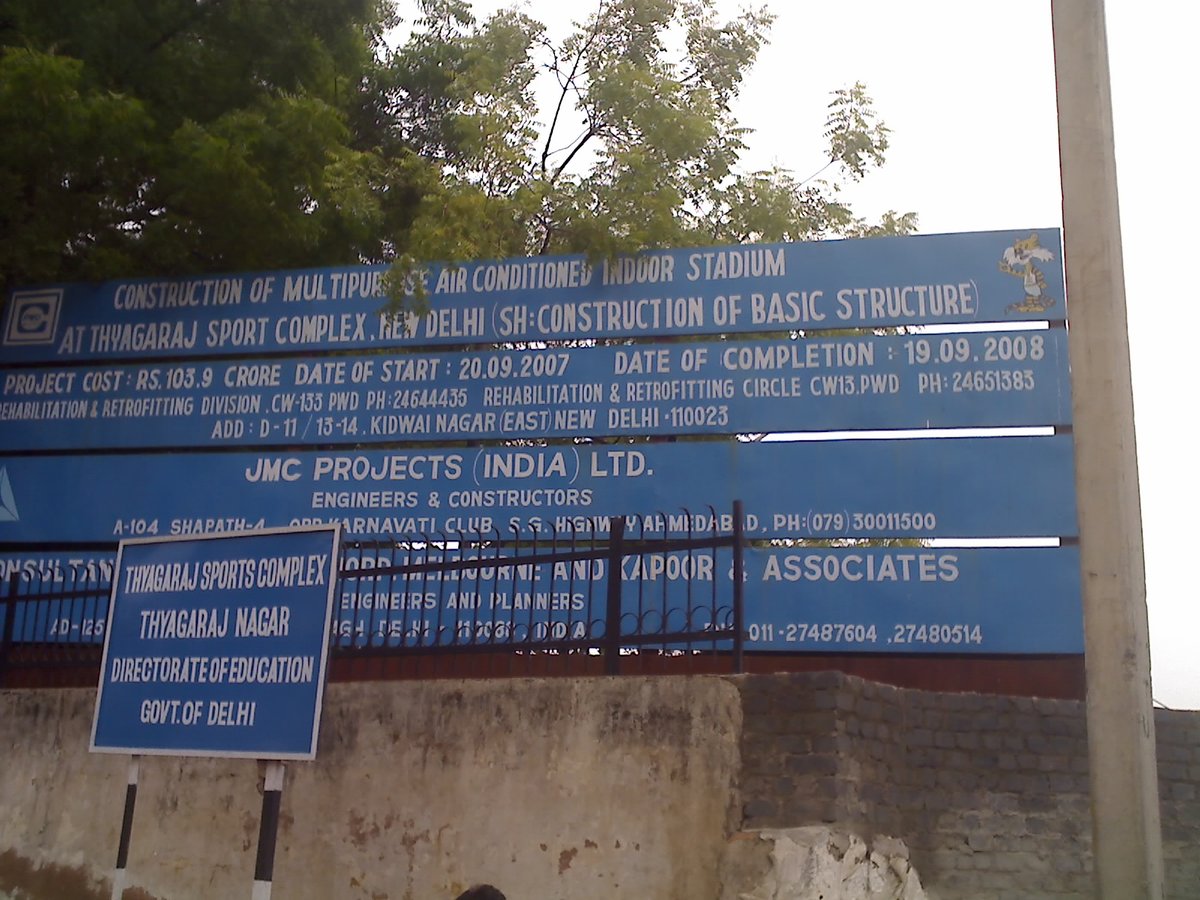
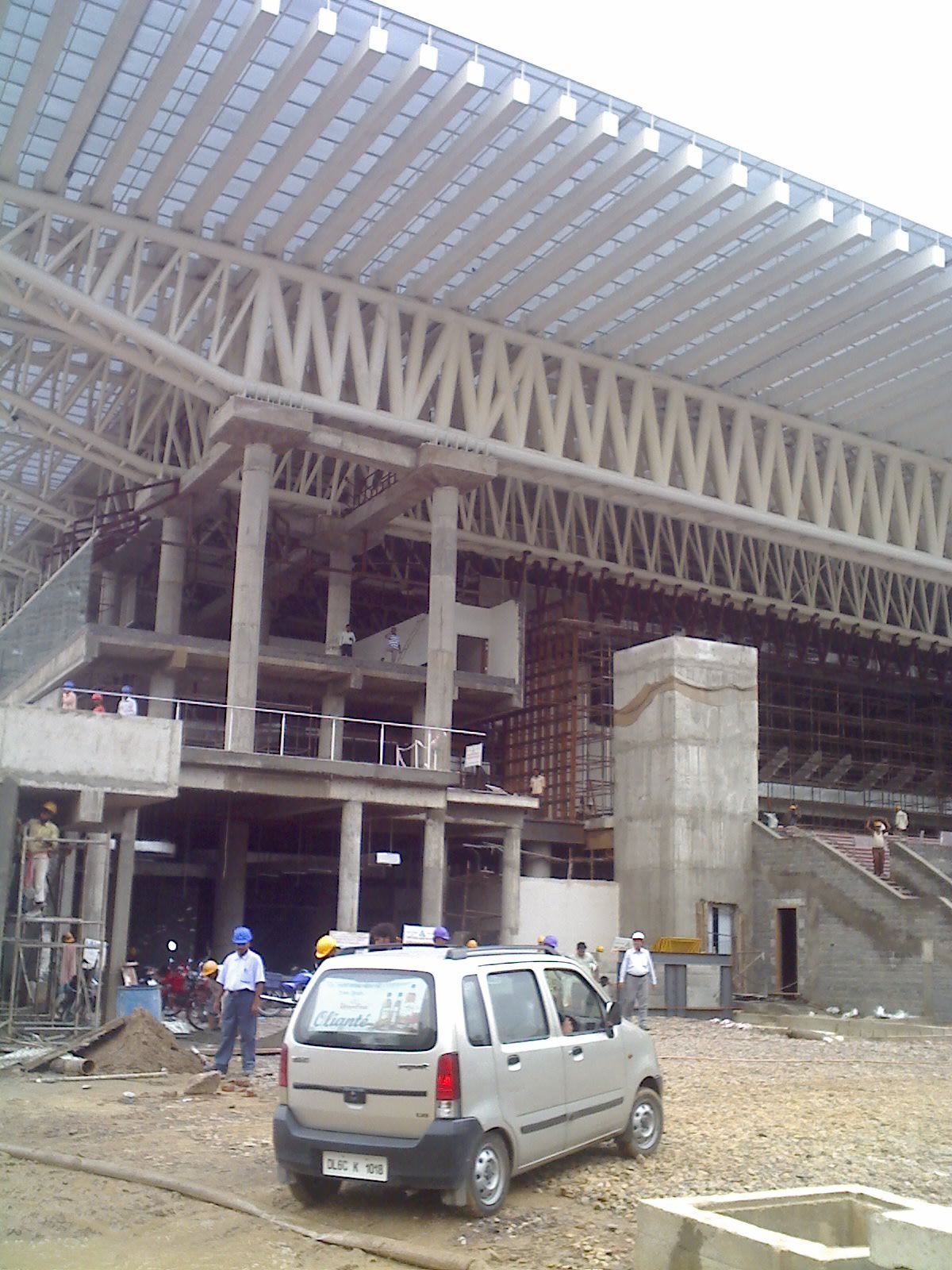
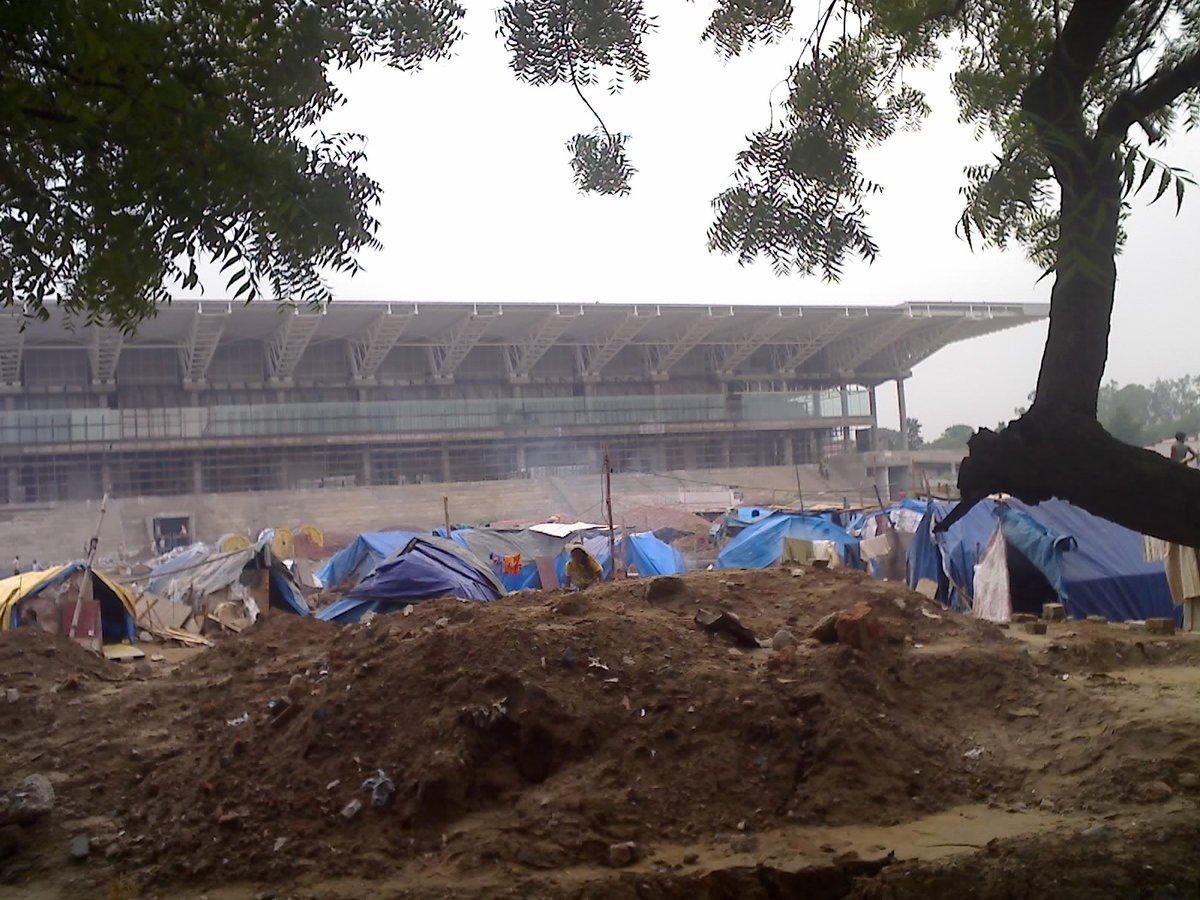
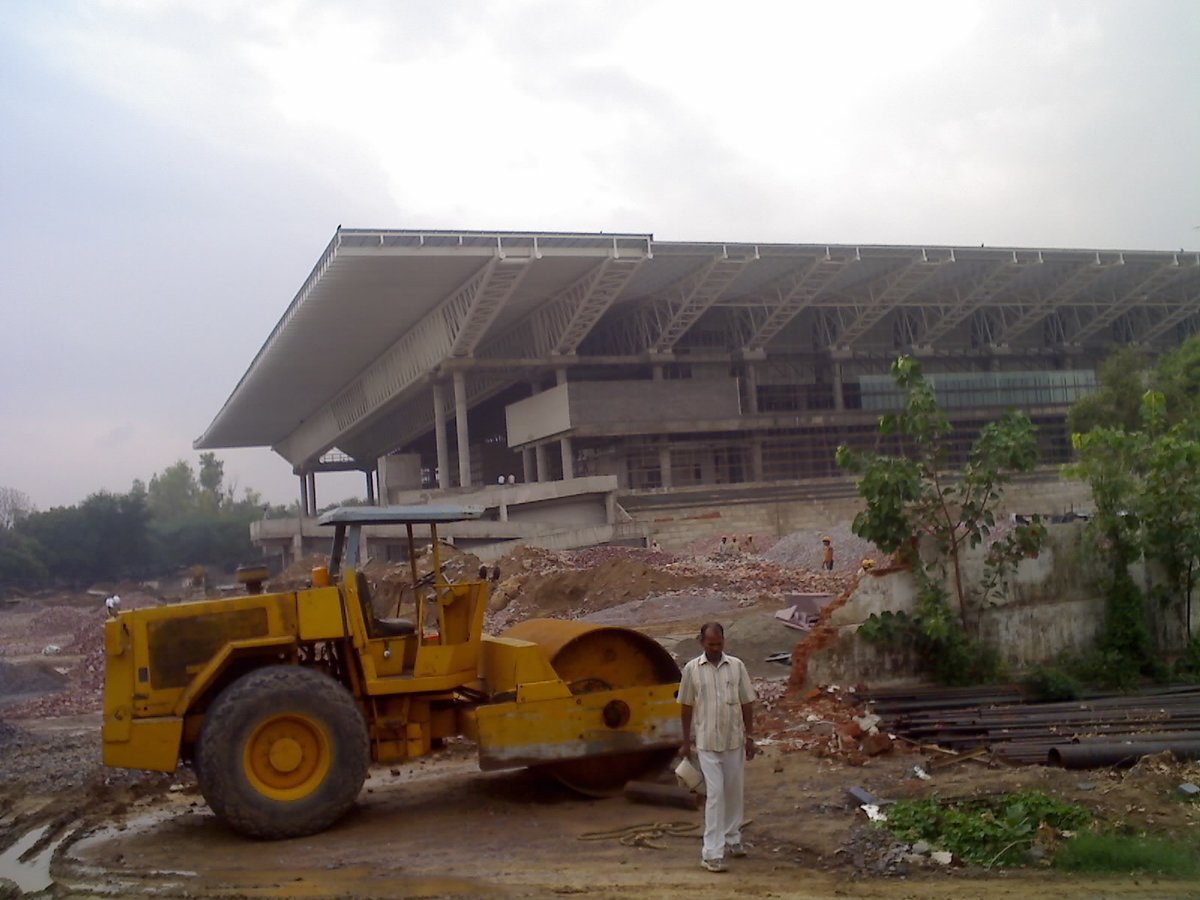
Commissioned by the Government of the National Capital Territory of Delhi and executed by the Public Works Department, construction of the Thyagaraj Sports Complex began in 2007, culminating in 2010 for the Commonwealth Games (Delhi 2010, PWD Delhi). Named after the legendary 18th-century Carnatic composer Thyagaraja, the stadium was conceived to fuse sporting ambition with a tribute to India's rich cultural traditions.
Architectural Innovation and Sustainability
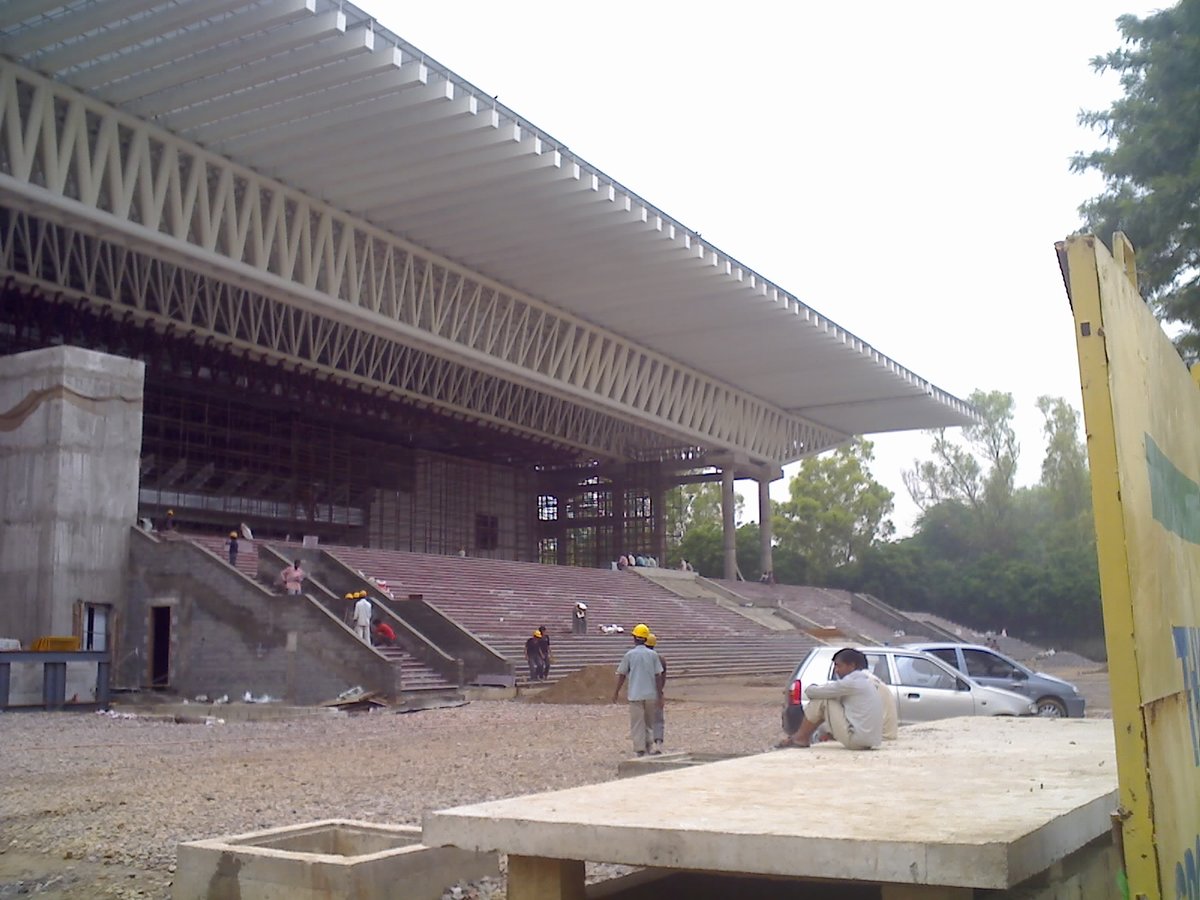
Designed collaboratively by leading Indian architects, the complex spans 16.5 acres and accommodates approximately 5,000 spectators. The stadium is India’s first to receive IGBC Green Building certification, integrating:
- Rainwater harvesting systems for landscaping and sanitation.
- Solar rooftop photovoltaic panels providing up to 1 MW of power.
- Energy-efficient lighting and HVAC, reducing power consumption by 30%.
- Fly ash bricks and recycled materials for construction (IGBC, The Hindu).
These sustainable features have influenced the design and renovation of other major Indian sports venues (Ministry of Youth Affairs and Sports).
Role in the 2010 Commonwealth Games
The complex hosted netball competitions and served as a training venue for athletes during the 2010 Commonwealth Games, earning praise for its accessible, athlete-friendly design and efficient event management (Commonwealth Games Federation).
Post-Games and Community Impact
After the Games, the stadium became a vibrant center for national and international tournaments, school competitions, cultural festivals, and government functions. It continues to serve the community by offering modern facilities for sports, fitness, and recreation (DDA Sports).
Cultural Significance
As a tribute to Thyagaraja, the stadium often hosts music concerts and cultural festivals, strengthening its role as a symbol of the fusion between sport and culture (Sangeet Natak Akademi).
Facilities and Sustainability Features
Architectural Design
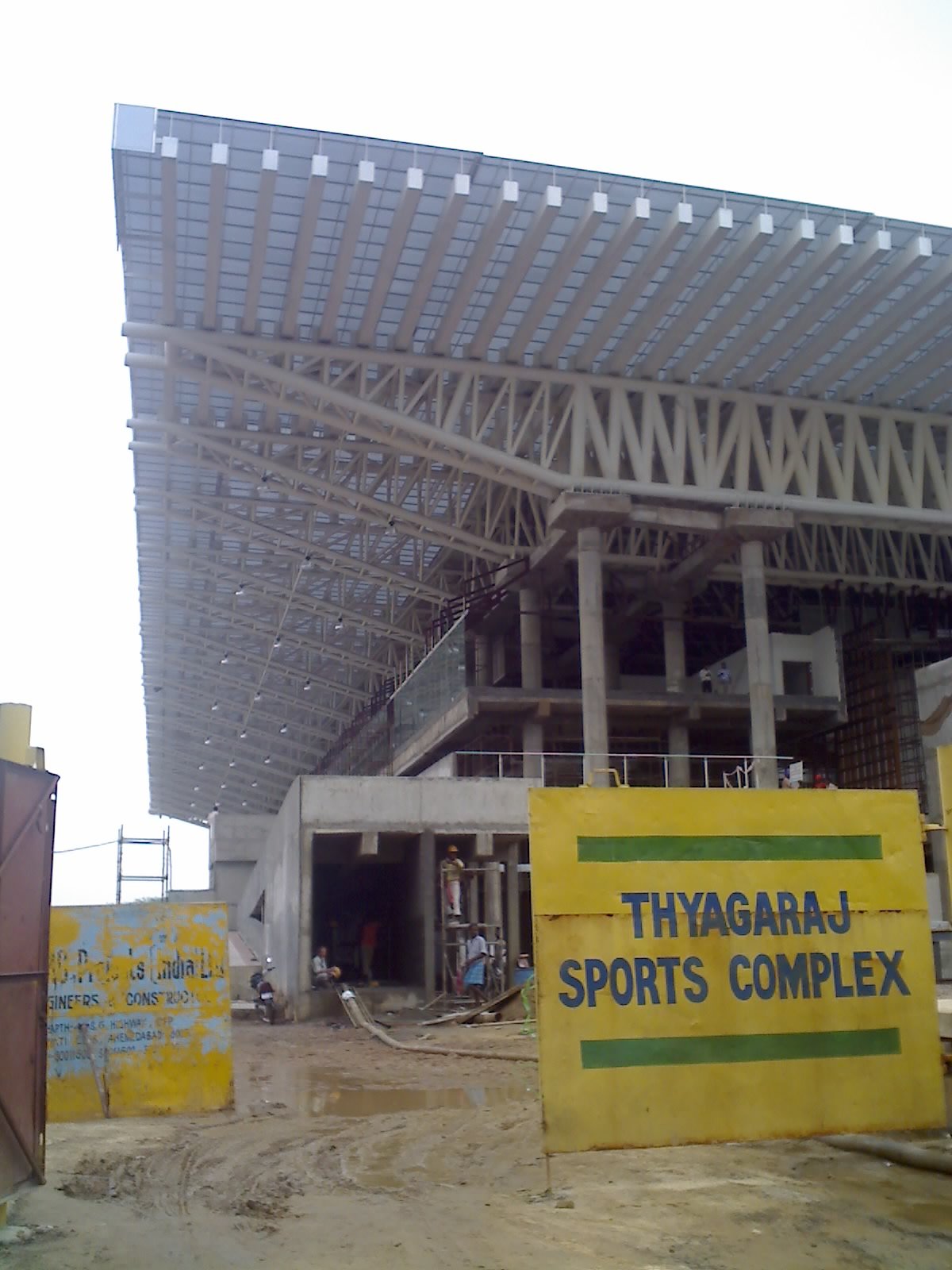
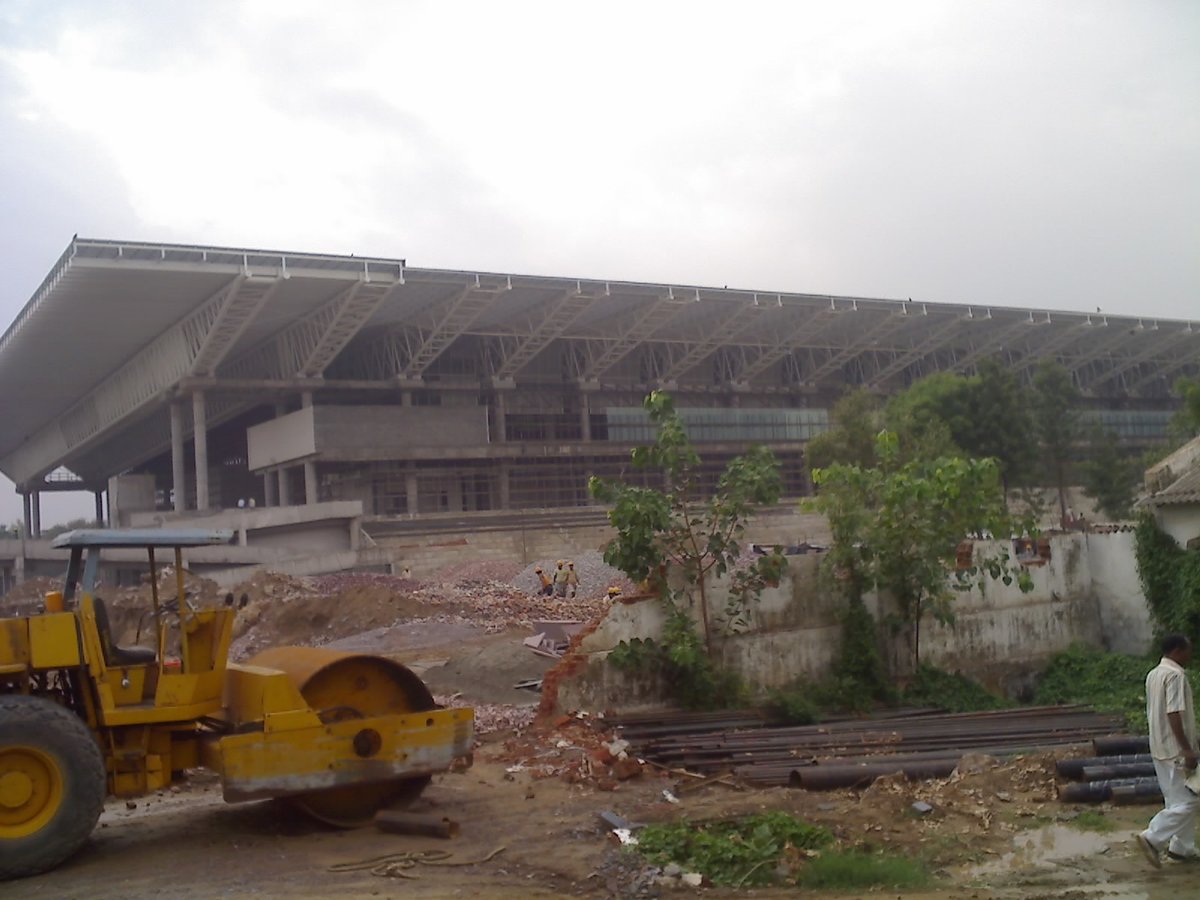
The stadium features a column-free main arena with a steel space frame roof, ensuring unobstructed views for up to 5,000 spectators (Scribd, Impulsecctv). Interior finishes include sustainable materials like fly ash bricks, recycled PVC flooring, and maple wood for sports surfaces (Times of India).
Main Sporting Infrastructure
- Indoor Arena: Air-conditioned, maple wood flooring, electronic scoreboards, seating for 3,600–5,000, and athlete amenities.
- Outdoor Facilities: International-standard 400m athletics track, FIFA-compliant football field, and multi-sport courts for basketball, tennis, and volleyball.
- Support Facilities: Fitness center, medical and physiotherapy rooms, changing rooms, locker facilities, and cafeteria (IndoorGem).
Sustainability Highlights
- Solar Photovoltaic System: Generates up to 1 MW electricity (The Hindu).
- Rainwater Harvesting & Water Recycling: Advanced systems conserve and recycle up to 200,000 liters daily (Times of India).
- LED Lighting & Energy Management: Automated controls and natural daylighting reduce energy use.
- Native Landscaping: Drought-resistant plants for eco-friendly maintenance (Down to Earth).
Accessibility and Visitor Amenities
- Wheelchair Access: Ramps, elevators, barrier-free pathways, and reserved seating.
- Parking: Ample spaces for cars, buses, and two-wheelers.
- Restrooms: Clean, accessible, and well-distributed.
- Wi-Fi: Free in select areas.
Sports and Training Programs
Sports Offered
- Athletics (sprints, hurdles, field events)
- Football
- Badminton
- Basketball
- Volleyball
- Tennis
- Table Tennis
- Yoga and Martial Arts (karate, taekwondo)
- Gymnastics (Sports Authority of India)
Training & Community Programs
- SAI Training Center: Certified coaches, talent identification, and scientific support (SAI Official).
- Delhi Government Initiatives: Seasonal camps, school programs, and women’s sports promotion (Delhi Sports Council).
- Private Academies: Specialized coaching and exposure trips.
- Open Membership: Gym, courts, and classes for the public.
Visitor Information
Visiting Hours
- General Hours: 6:00 AM to 9:00 PM daily. (Some sources indicate 9:00 AM to 7:00 PM for general visits—always check the official site for event-specific hours.)
Ticketing & Entry
- General Entry: Free during public hours.
- Event Tickets: Required for special events; purchase online (BookMyShow) or at the box office.
- Guided Tours: Available by advance booking.
Getting There
- By Metro: Nearest station is INA (Yellow Line), a short walk from the complex (Delhi Metro Rail Corporation).
- By Bus/Car: Well-connected by DTC buses and major roads; parking available.
Amenities
- Food courts and refreshment kiosks.
- Green spaces and public art installations.
- Information desks with multilingual signage and assistance.
Travel Tips
- Best Times: Early mornings or late afternoons for fewer crowds; October–March for major events.
- Dress Code: Sportswear and non-marking shoes for activity participants.
- Photography: Permitted in public areas; check event-specific restrictions.
Major Events and Community Initiatives
Sporting Events
- Commonwealth Games 2010: Hosted netball and training events (Commonwealth Games Federation).
- National Championships: Netball, badminton, athletics, and more (Badminton Association of India).
- Khelo India Youth Games: Regular youth sports platform (Khelo India).
Cultural and Civic Events
- Concerts, festivals, and government functions.
- Community health camps, fitness classes, and senior citizen programs.
- Para-sports and women’s sports promotion (Delhi Government).
Visitor Experience and Travel Tips
- Visitor Safety: CCTV, emergency exits, and first aid are available during events.
- Accessibility: Ramps, elevators, and accessible restrooms throughout.
- Nearby Attractions: Lodhi Garden, Humayun’s Tomb, India Gate, INA Market, and India Habitat Centre.
Sustainability and Safety
- Green Building Model: Solar power, rainwater harvesting, and waste management systems serve as educational models.
- Safety Systems: Fire, crowd management, and medical facilities on site.
Frequently Asked Questions (FAQs)
Q: What are the visiting hours?
A: 6:00 AM to 9:00 PM daily (check for updates during events).
Q: Is there a fee to enter?
A: General entry is free; events/tournaments may require tickets.
Q: Is the complex accessible for differently-abled visitors?
A: Yes, with ramps, elevators, and accessible restrooms.
Q: Are guided tours available?
A: Yes, by advance booking.
Q: Can I attend fitness programs or use facilities?
A: Yes, open gym and classes are available with registration.
Q: What is the nearest metro station?
A: INA Metro Station (Yellow Line).
Plan Your Visit
For the latest schedules, ticketing, and event updates, visit the official DDA Sports Complex website or Delhi Sports Council. Download the Audiala app for event notifications and travel tips.
Suggested Visuals and Media


Listen to the full story in the app
The whole Thyagaraj Sports Complex,
told well.
Listen to sourced travel stories with local history and practical context — ready offline.
Verified, and shown.
Researched and written by the Audiala editorial team from historical records, architectural archives, and local expertise.
Built from cited sources · see the method · How we make our guides →