Plan and listen to Teen Murti Bhavan with Audiala.
Audio guide in your pocket, itinerary in your browser. Built for the way you actually visit.
Introduction
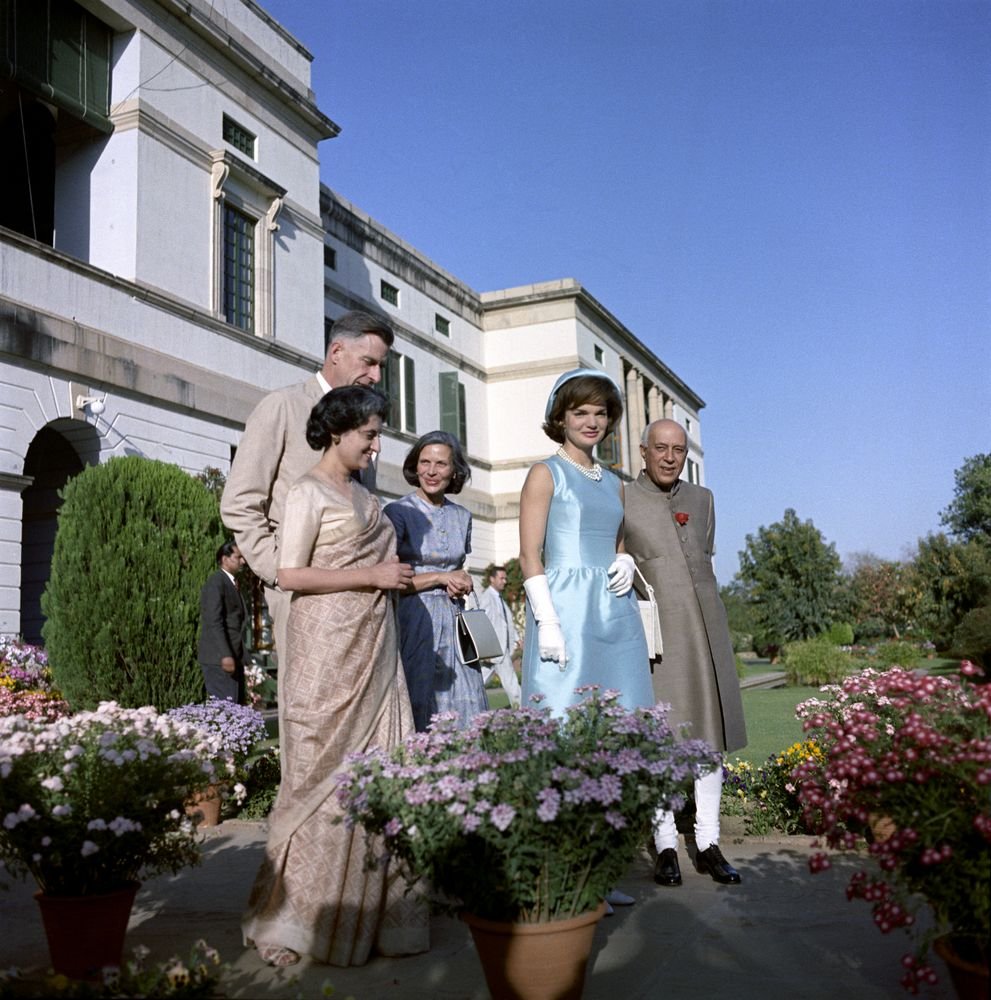
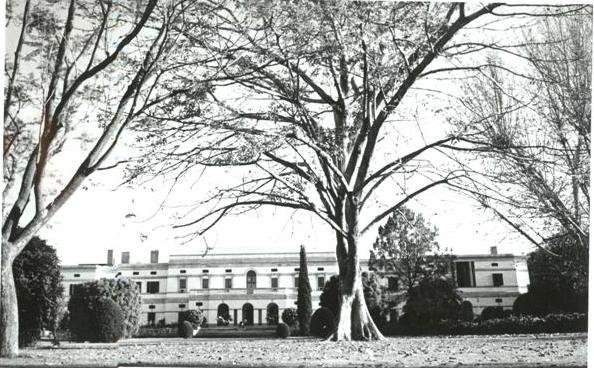
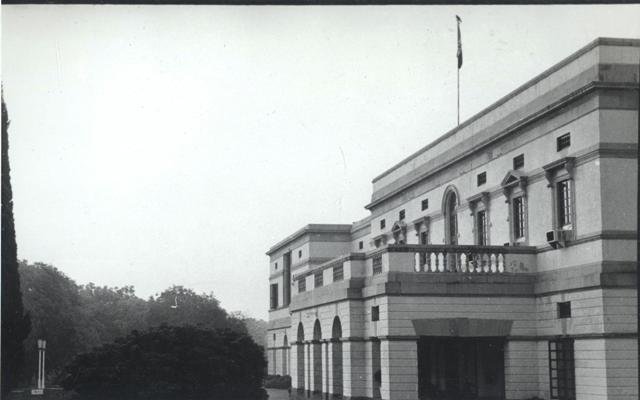
Teen Murti Bhavan stands as a distinguished landmark in New Delhi, seamlessly blending India’s colonial history, the journey to independence, and the enduring legacy of Jawaharlal Nehru, the nation’s first Prime Minister. Originally constructed in 1930 as the Flagstaff House by British architect Robert Tor Russell, the estate’s Victorian and French architectural elements set it apart from Delhi’s predominantly Mughal and Indo-Saracenic structures. Over time, Teen Murti Bhavan evolved from an exclusive colonial residence to a vibrant national memorial and cultural hub, now housing the Nehru Memorial Museum and Library (NMML), the Prime Ministers’ Museum, and the Nehru Planetarium (The Hindu).
This guide provides an in-depth look at Teen Murti Bhavan’s architectural grandeur, historical and cultural significance, practical visitor information—including timings and ticketing—accessibility features, and tips for making the most of your visit. Whether you are a history enthusiast, researcher, or tourist, this article will help you explore and appreciate one of Delhi’s most treasured historical sites.

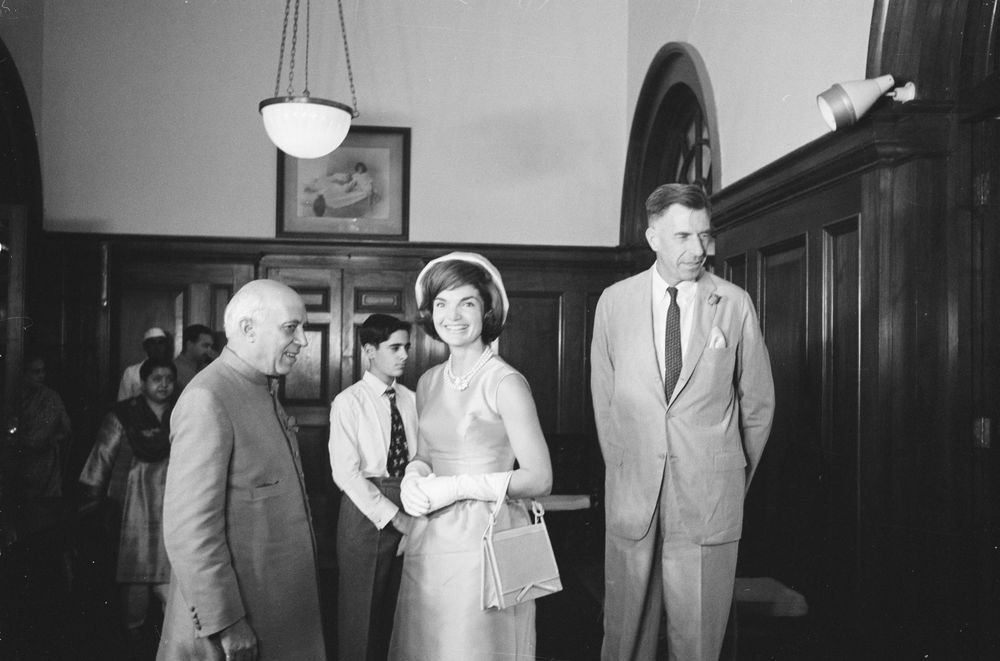
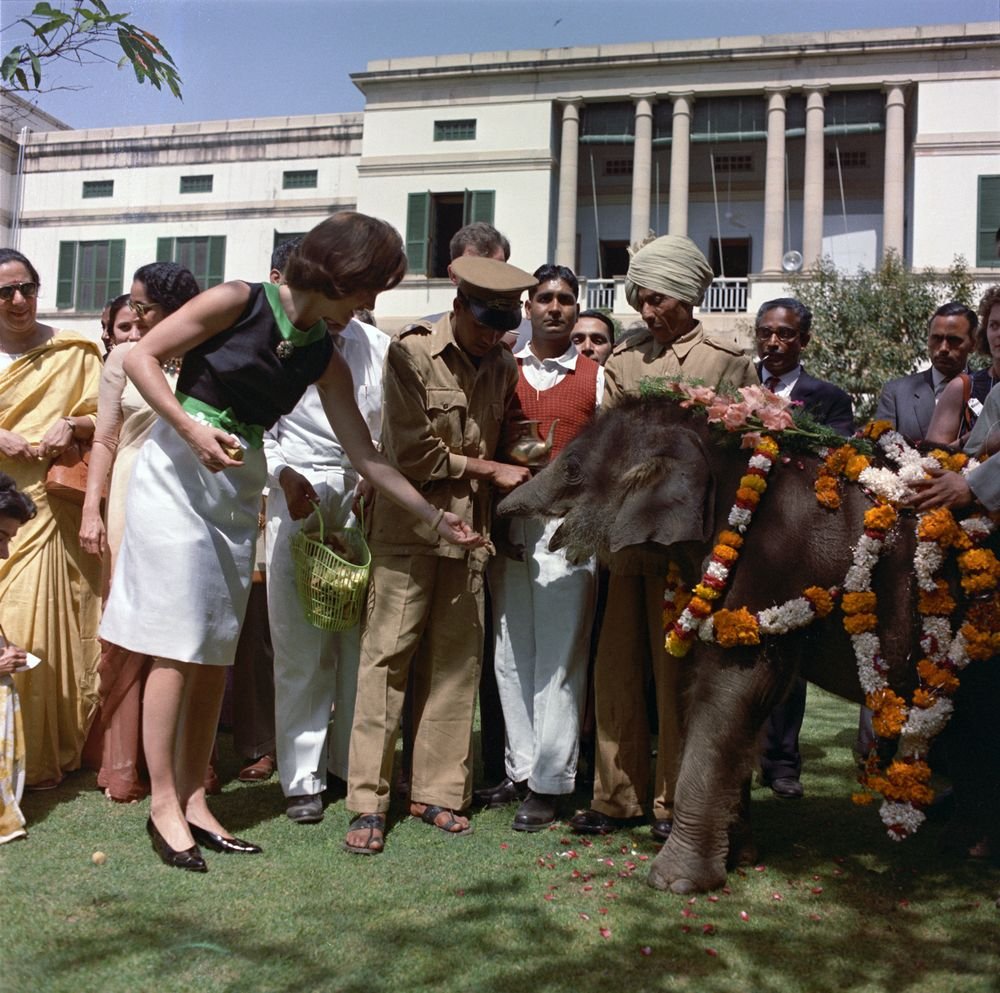
Colonial Origins and Nehru's Legacy
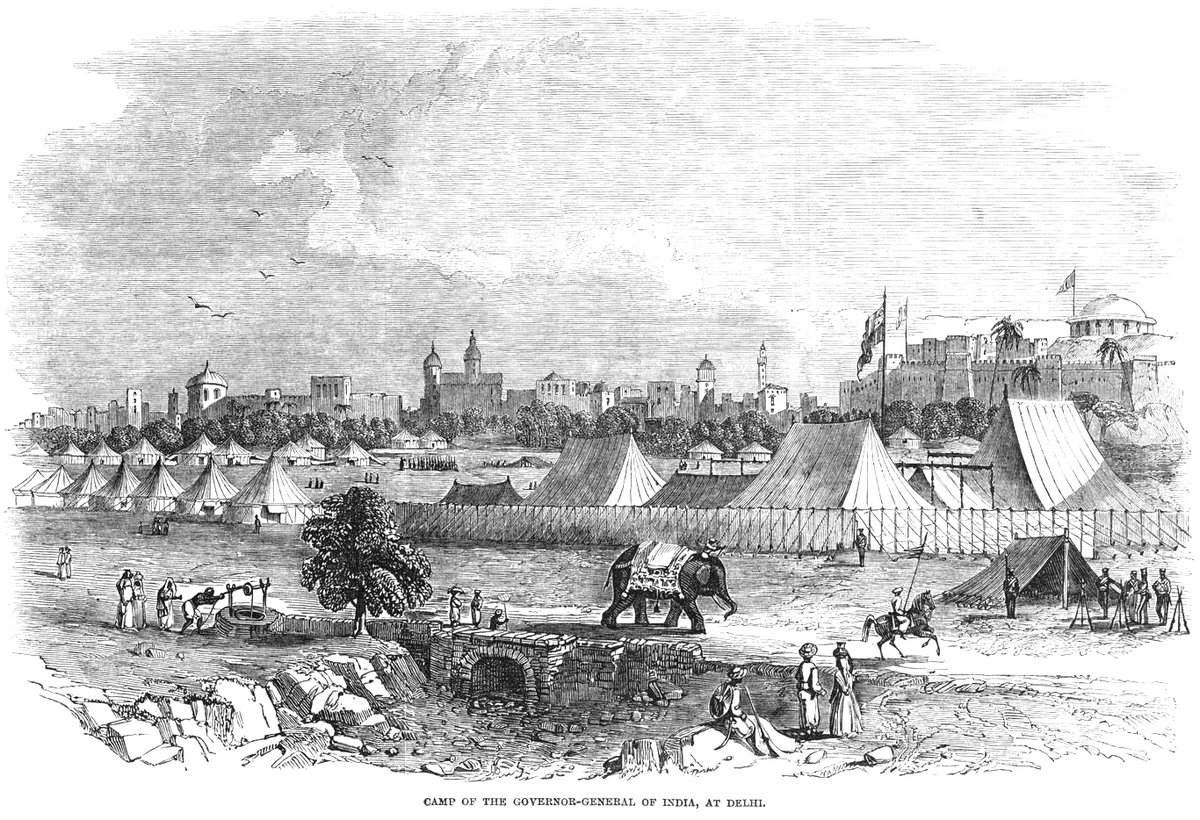
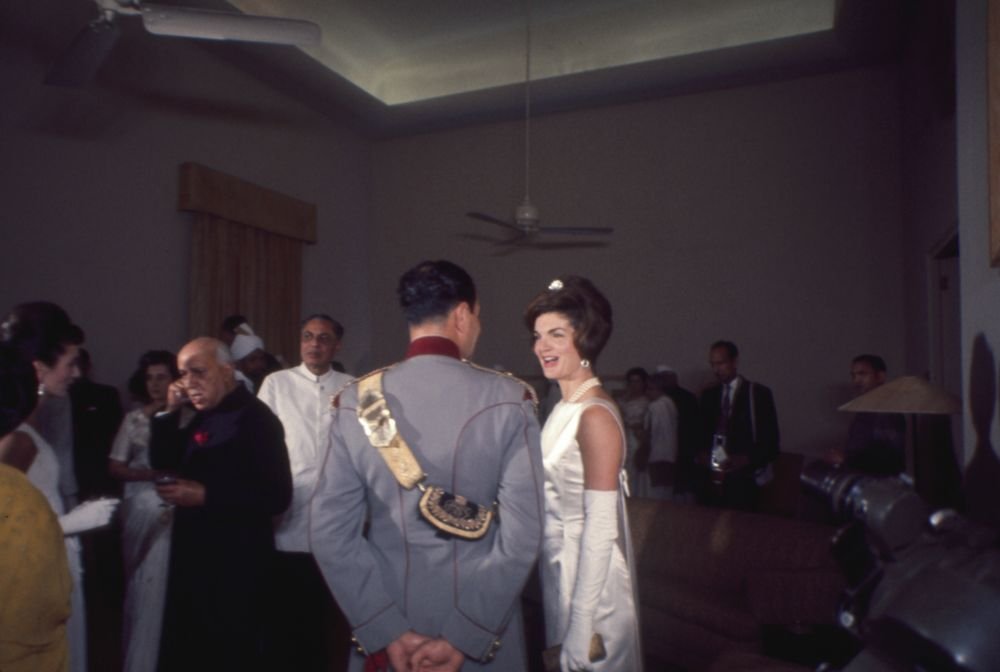
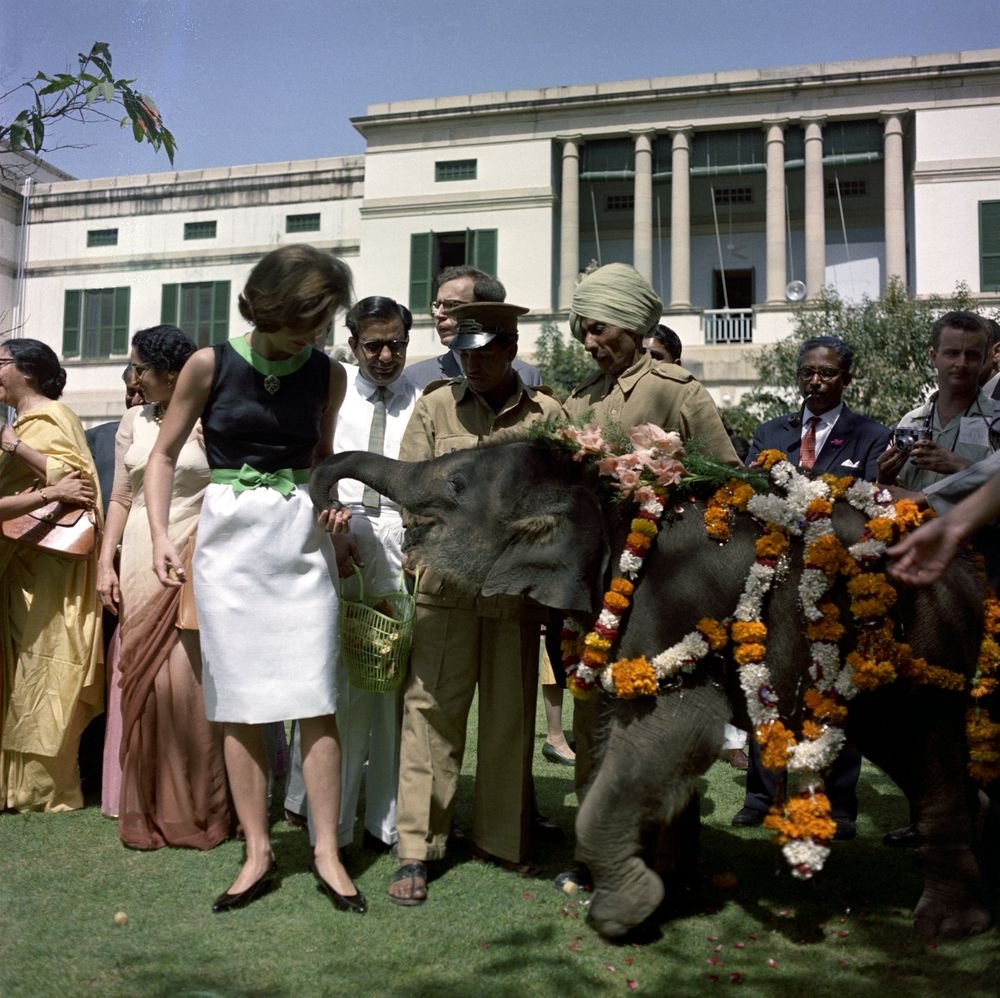
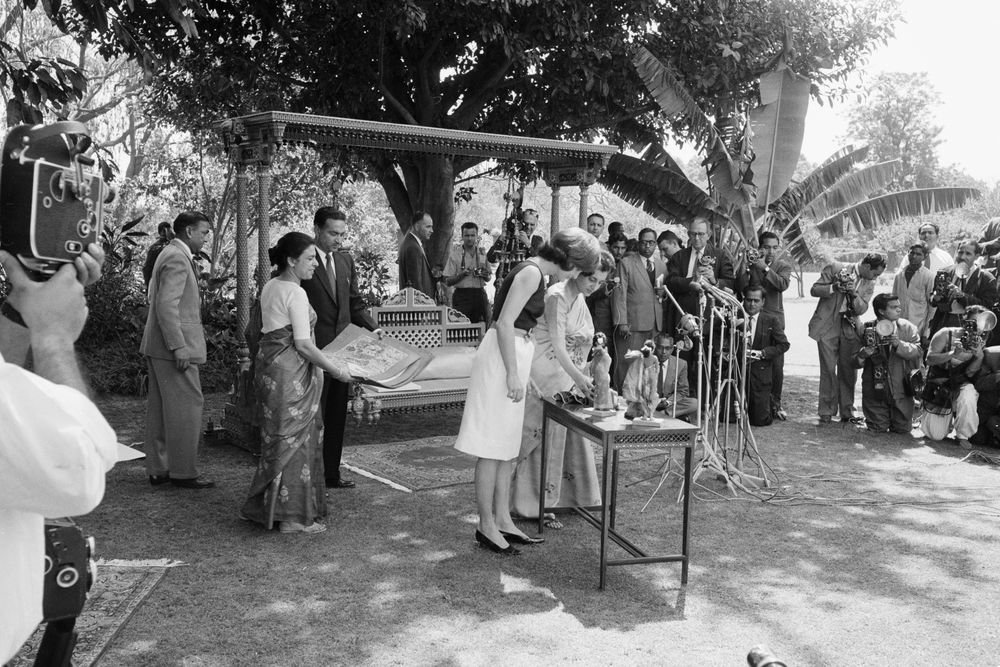
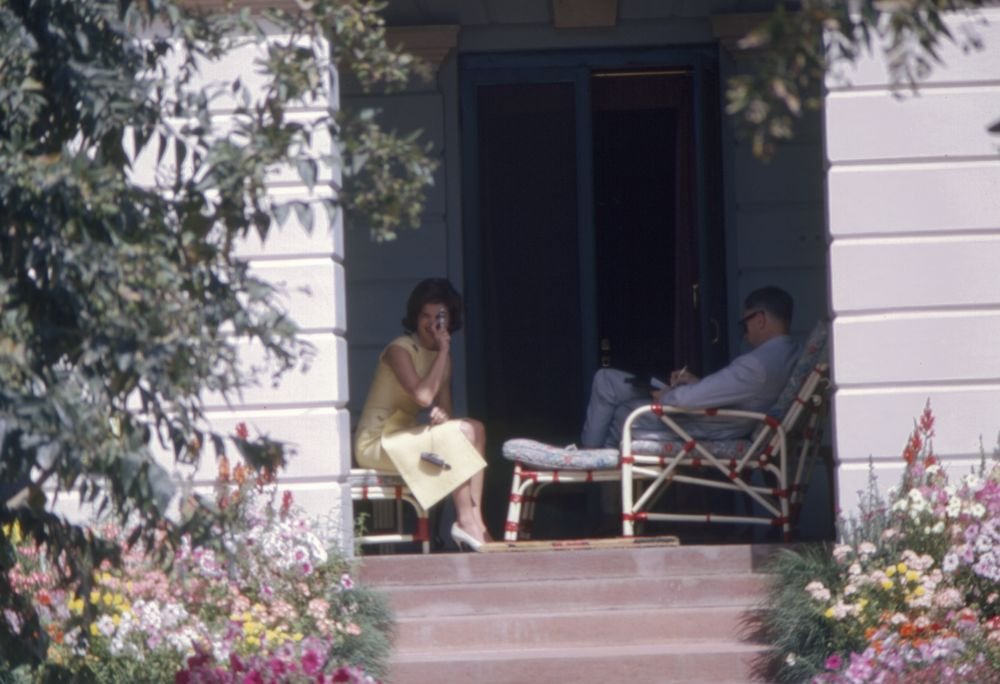
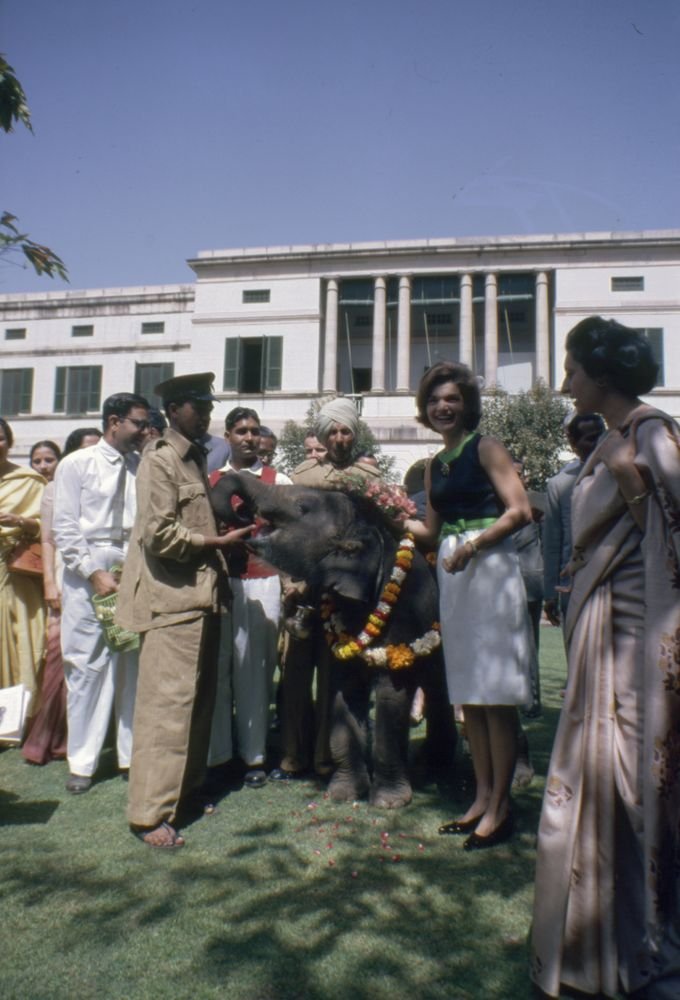
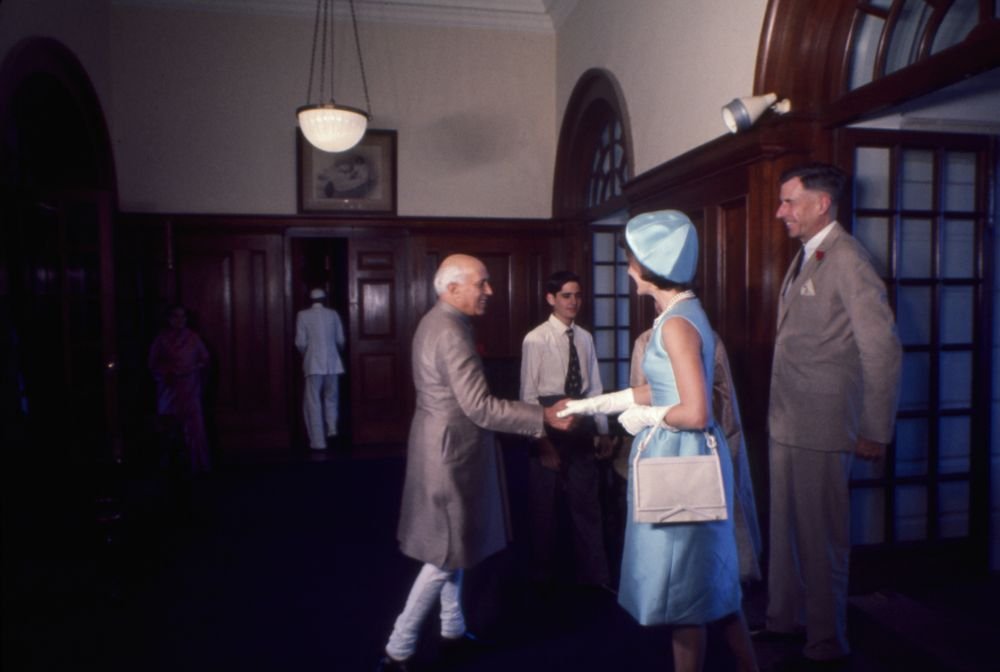
Constructed in 1930, Teen Murti Bhavan was originally known as the Flagstaff House, serving as the winter headquarters and official residence of the Commander-in-Chief of the British Indian Army. Its location, facing the Viceroy’s House (now Rashtrapati Bhavan), positioned it at the center of colonial power (The Quint). After India's independence in 1947, the estate became the residence of Prime Minister Jawaharlal Nehru, who lived here until his death in 1964. Nehru’s association with the Bhavan cemented its status as a symbol of India’s transition from colonial rule to self-governance (The Print).
Transformation into a National Memorial
Following Nehru’s passing, the residence was transformed into the Nehru Memorial Museum and Library (NMML) in 1966. It was later expanded to include the Prime Ministers’ Museum, broadening its focus to commemorate all Indian Prime Ministers (AKAM; The Federal). The NMML today stands as a premier research center, housing extensive archival collections, manuscripts, photographs, and memorabilia related to Nehru and modern Indian history (The Print).
Architectural Features and Memorials
Design and Layout
Teen Murti Bhavan’s architecture is a blend of Victorian and French influences, with a stately stone and stucco façade, grand porticos, and expansive pillared verandahs. The three-story structure is set within 30 acres of manicured lawns and mature trees, offering a serene escape in the heart of Delhi (The Hindu).
Key architectural highlights:
- Ornate marble staircases and large, slatted windows designed for natural light and ventilation.
- Spacious entrance hall, preserved study, and living areas of Nehru.
- Numerous galleries and libraries integrated into the heritage structure.
Teen Murti Memorial
The estate derives its name from the prominent Teen Murti Memorial at the entrance, featuring three life-sized statues sculpted by Leonard Jennings. These commemorate soldiers from the princely states of Jodhpur, Hyderabad, and Mysore who fought in World War I campaigns in Syria, Palestine, and Sinai (A Traveller’s Book).
Key Institutions within Teen Murti Bhavan
Nehru Memorial Museum
Housed in the main building, the museum preserves Nehru’s personal quarters, including his drawing room, bedroom, and study, maintained as they were at the time of his death (TripInvites). Exhibits include personal effects, photographs, and documents, providing insights into Nehru’s life and leadership (MakeMyTrip).
Prime Ministers’ Museum
This institution expands the narrative to include all Indian Prime Ministers, tracing the evolution of India’s political leadership through multimedia installations, artifacts, and archival materials (The Federal).
Nehru Memorial Library
Renowned for its extensive collection, the library serves as a premier research facility on modern Indian history. It features rare books, periodicals, private papers, and archival documents, regularly hosting academic seminars and public lectures (MakeMyTrip).
Nehru Planetarium
A favorite among families and schools, the planetarium promotes scientific literacy through regular astronomy shows, interactive exhibits, and hands-on activities. Its dome theater offers immersive presentations on celestial phenomena (TripInvites).
Planetarium Timings and Ticket Information:
- Show Timings: 11:30 AM – 4:00 PM (last entry at 3:00 PM)
- Ticket Prices: Adults INR 50, Students INR 20, Children (4–12 years) INR 30
Visitor Information: Hours, Tickets, and Accessibility
Visiting Hours
- Main Complex: 10:00 AM – 5:00 PM (last entry at 4:30 PM), closed on Mondays and national holidays
- Nehru Planetarium: Shows from 11:30 AM – 4:00 PM
Tickets
- General Entry: INR 50 for adults; discounted rates for children, students, and senior citizens
- Planetarium: Separate ticket as above
- Special Exhibitions/Events: May require additional tickets; check the official NMML website for the latest details
Accessibility
- Wheelchair-accessible ramps, lifts, and basic assistance available
- Restrooms, drinking water, and a small café on-site
- Guided tours available in English and Hindi; advance booking recommended
How to Reach
- By Metro: Lok Kalyan Marg (formerly Race Course), Yellow Line, ~2 km from the Bhavan
- By Bus/Auto/Taxi: Well-connected by city buses and cabs; ample parking on premises but limited during weekends—early arrival advised (TripHobo)
Special Events, Education, and Cultural Programs
The NMML and the planetarium organize regular lectures, workshops, exhibitions, and science fairs. Special events are held on Nehru’s birthday (November 14) and India’s Independence Day, featuring temporary displays, cultural performances, and educational activities (TripInvites).
Travel Tips and Nearby Attractions
- Best Time to Visit: October to March, for pleasant weather and fewer crowds
- Nearby Attractions: India Gate, Rashtrapati Bhavan, Lodhi Gardens, National Museum
- Dress Code: Modest, comfortable attire suited to walking
- Security: Bag checks at the entrance; large bags should be stored in the cloakroom
- Photography: Permitted in gardens and exteriors; restricted inside galleries and museum spaces
Frequently Asked Questions (FAQ)
Q1: What are the Teen Murti Bhavan visiting hours?
A1: 10:00 AM – 5:00 PM, closed on Mondays and national holidays; last entry at 4:30 PM.
Q2: What are the ticket prices?
A2: General entry is INR 50 for adults; discounts for children, students, seniors. Planetarium tickets are separate.
Q3: Is the site wheelchair accessible?
A3: Yes, ramps, lifts, and basic amenities are available.
Q4: Are guided tours offered?
A4: Yes, in English and Hindi; advance booking is recommended.
Q5: Can I take photographs inside?
A5: Allowed in gardens and exteriors. No indoor photography to preserve artifacts.
Q6: How do I reach Teen Murti Bhavan?
A6: By metro (Lok Kalyan Marg), bus, taxi, or private car; ample parking available.
Listen to the full story in the app
The whole Teen Murti Bhavan,
told well.
Listen to sourced travel stories with local history and practical context — ready offline.
Verified, and shown.
Researched and written by the Audiala editorial team from historical records, architectural archives, and local expertise.
Built from cited sources · see the method · How we make our guides →