Plan and listen to Talkatora Gardens with Audiala.
Audio guide in your pocket, itinerary in your browser. Built for the way you actually visit.
Introduction
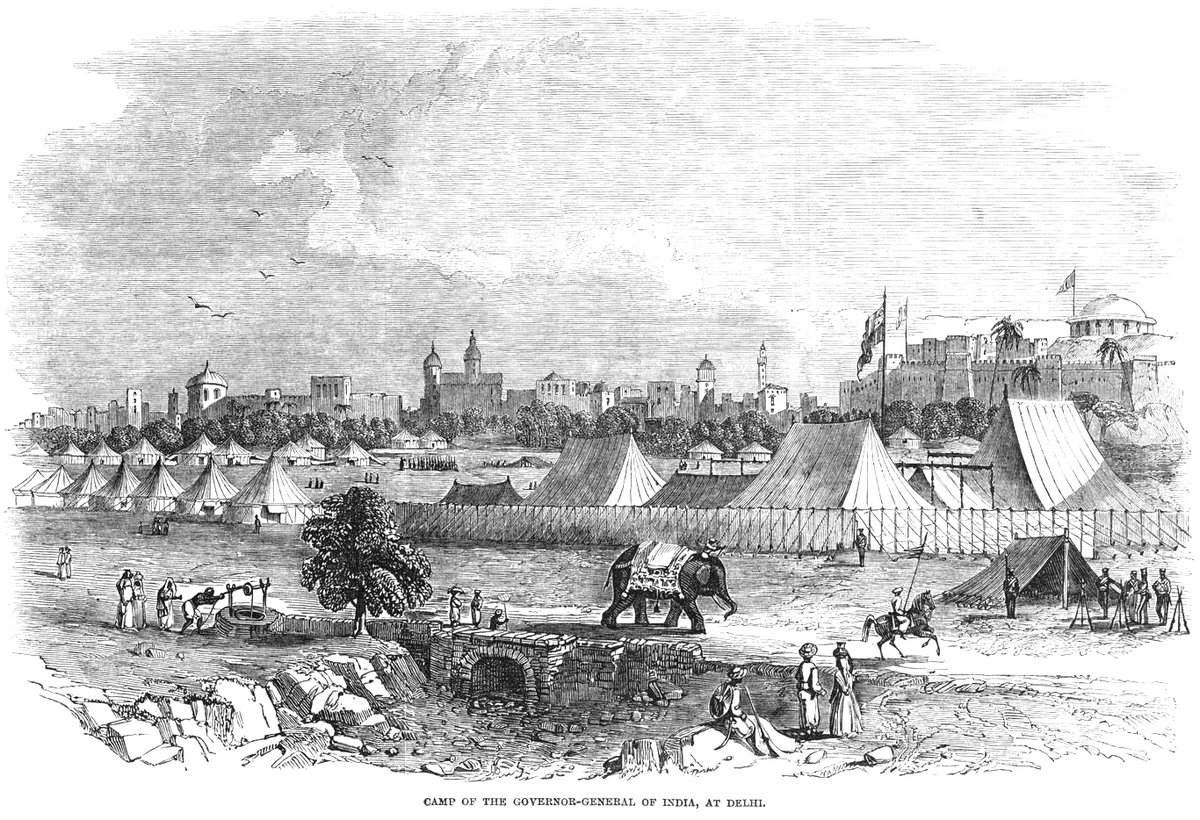
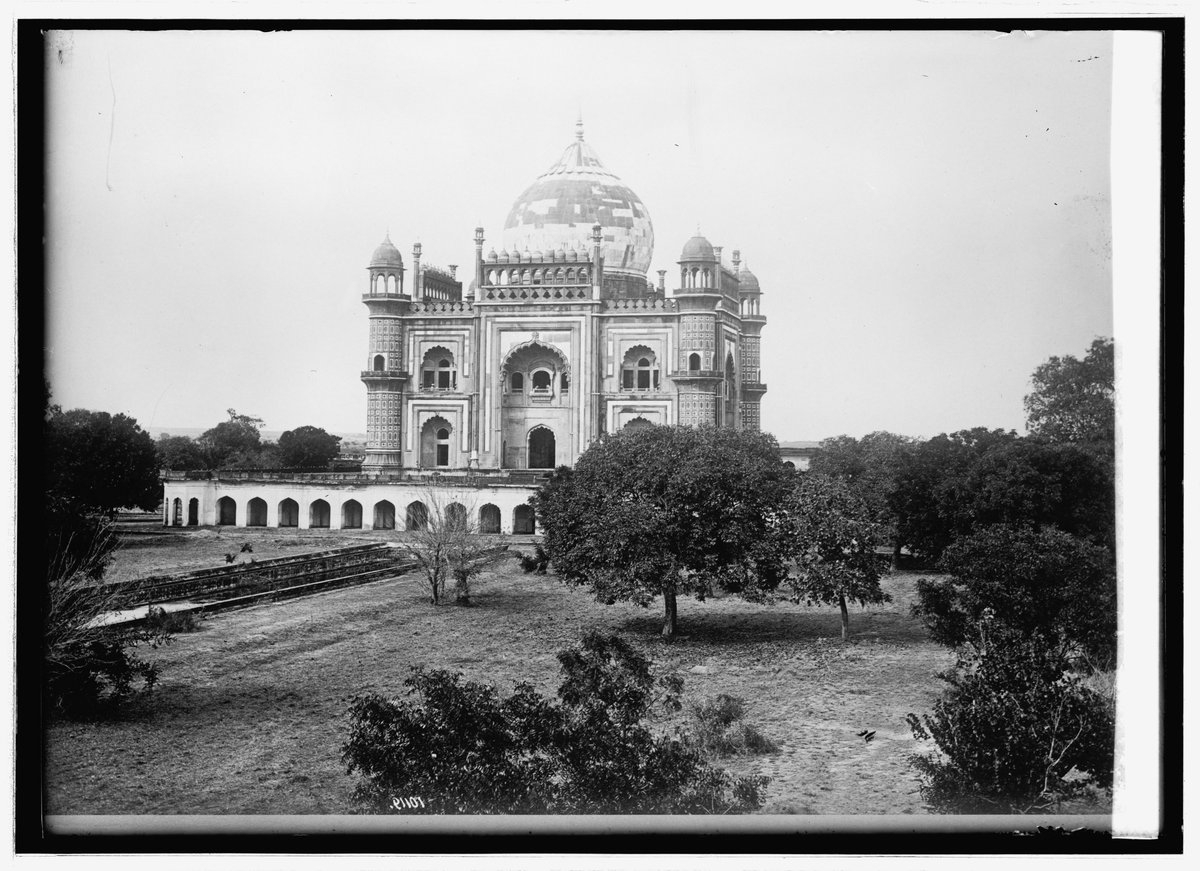
Nestled in the heart of New Delhi, Talkatora Garden is a verdant oasis that seamlessly blends nature, history, and recreation. This iconic garden, dating back to the Mughal era, has evolved significantly over centuries, transforming from an imperial sporting ground and water reservoir into a bustling public park. The name 'Talkatora' itself, which translates to 'water tank,' reflects its historical significance as a strategic water management site during Mughal times (source). Today, Talkatora Garden is a testament to Delhi's rich cultural heritage, offering visitors a serene escape from urban life while preserving its historical essence through various landmarks such as the Talkatora Stadium and the ancient baoli (stepwell). With lush green spaces, vibrant flower beds, and a plethora of recreational facilities, the garden is a must-visit destination for tourists and locals alike. Whether you're a history buff, nature enthusiast, or simply looking for a peaceful retreat, Talkatora Garden promises a memorable experience. This comprehensive guide aims to provide you with all the essential information, from historical insights and visitor tips to nearby attractions and practical advice, ensuring an enriching visit to one of Delhi's most cherished green spaces.

Exploring Talkatora Garden
History
The Mughal Era: A Sporting and Strategic Ground
The garden's story begins during the Mughal era, specifically during the reign of Emperor Shah Jahan (1628-1658). He envisioned Talkatora not just as a garden, but as a multifaceted space that served both recreational and strategic purposes.
- Talkatora Stadium: The garden's most prominent feature, a large open stadium, owes its existence to Shah Jahan's passion for sports. Historical accounts suggest that the stadium was used for various sporting events, including the traditional Mughal sport of "qamargah," a form of polo.
- Strategic Water Reservoir: The name "Talkatora" itself hints at the garden's strategic importance. "Talkatora" translates to "water tank" or "reservoir," reflecting its role as a crucial water source for the surrounding areas. The stadium's unique design, resembling a sunken garden, facilitated the collection and storage of rainwater. This innovative approach to water management highlights the Mughal's advanced understanding of hydraulics.
The Post-Mughal Period: A Shift in Purpose
The decline of the Mughal empire saw Talkatora Garden undergo a shift in its purpose. While its role as a water reservoir remained, the stadium's use for sporting events dwindled.
- British Era: During the British Raj, the garden witnessed a period of neglect. However, its strategic location near the Connaught Place area, developed by the British in the early 20th century, ensured its survival.
- Post-Independence: After India's independence in 1947, Talkatora Garden was revitalized as a public park. The stadium, once a hub for Mughal sports, found a new purpose as a venue for political rallies and public gatherings.
The Garden Today: A Blend of History and Recreation
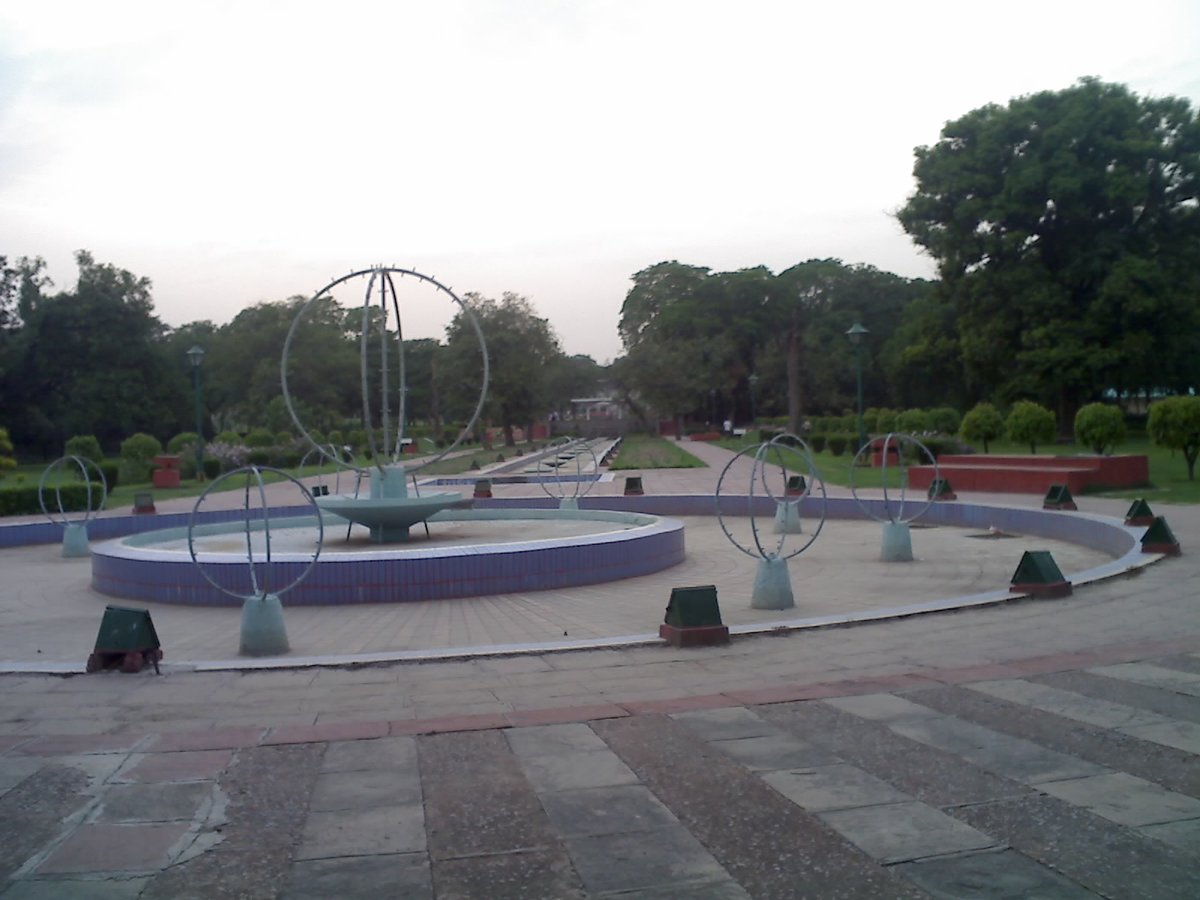
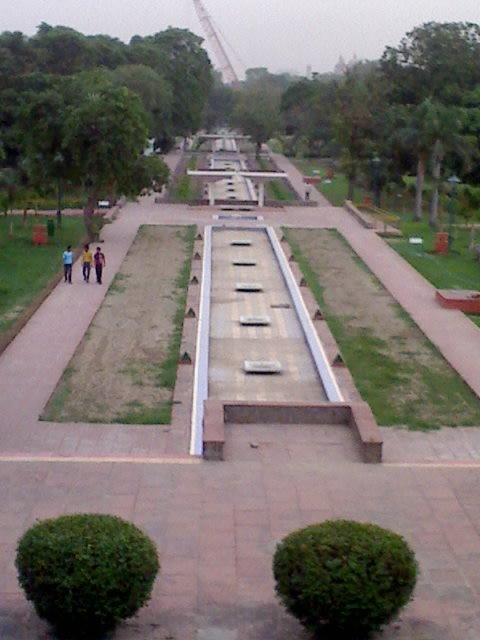
Today, Talkatora Garden stands as a testament to Delhi's rich history. The remnants of its Mughal past, particularly the Talkatora Stadium, offer a glimpse into the grandeur of a bygone era.
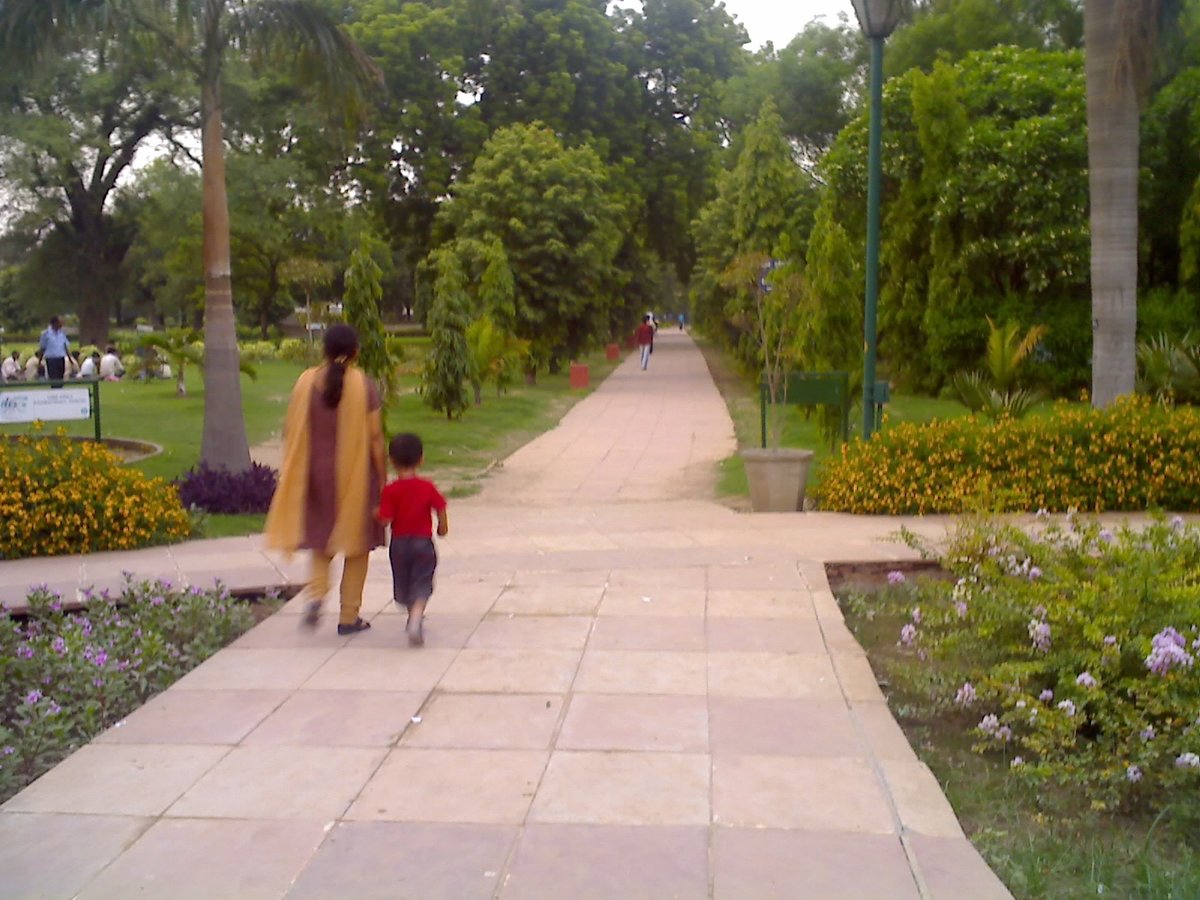
- A Green Oasis: The garden provides a welcome respite from bustling city life. Its lush greenery, vibrant flower beds, and tranquil pathways make it a popular destination for morning walks, leisurely strolls, and family picnics.
- Cultural Hub: Talkatora Stadium continues to be a venue for various events, including cultural programs, exhibitions, and concerts. This blend of history and contemporary use adds a unique dimension to the garden's character.
- A Reminder of the Past: Talkatora Garden serves as a poignant reminder of Delhi's layered history. It stands as a symbol of the city's evolution, showcasing the enduring legacy of the Mughals and their innovative approach to urban planning.
Visitor Information
- Visiting Hours: Talkatora Garden is open daily from 6:00 AM to 7:00 PM.
- Tickets: Entry to the garden is free of charge.
- Best Time to Visit: The best time to visit is early morning or late afternoon to avoid the midday heat.
Travel Tips
- Accessibility: The garden is wheelchair accessible, with paths suitable for all visitors.
- Photography: Talkatora Garden offers numerous photographic spots, especially around the stadium and the lush green areas.
- Guided Tours: While there are no official guided tours, local guides can be hired for a more informative experience.
Nearby Attractions
- Connaught Place: A historic shopping and business area, just a short walk from Talkatora Garden.
- India Gate: A prominent war memorial, easily accessible from the garden.
- Rashtrapati Bhavan: The official residence of the President of India, located nearby.
FAQ
- Q: Is there a fee to enter Talkatora Garden?
- A: No, entry to Talkatora Garden is free.
- Q: What are the opening hours of Talkatora Garden?
- A: The garden is open daily from 6:00 AM to 7:00 PM.
- Q: Are there any special events held at Talkatora Garden?
- A: Yes, Talkatora Stadium hosts various cultural programs, exhibitions, and concerts throughout the year.
Listen to the full story in the app
The whole Talkatora Gardens,
told well.
Listen to sourced travel stories with local history and practical context — ready offline.
Verified, and shown.
Researched and written by the Audiala editorial team from historical records, architectural archives, and local expertise.
Built from cited sources · see the method · How we make our guides →