Plan and listen to Shish Gumbad with Audiala.
Audio guide in your pocket, itinerary in your browser. Built for the way you actually visit.
Introduction
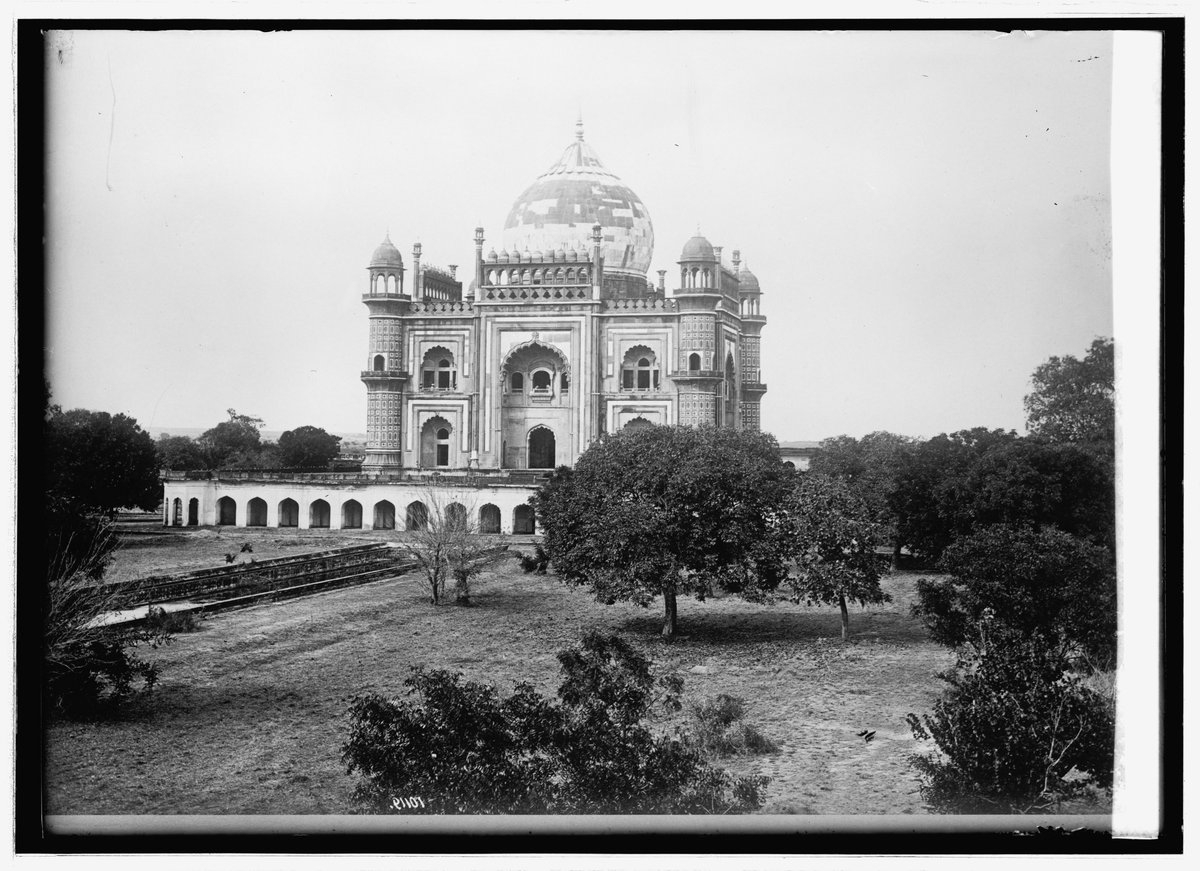
Shish Gumbad, an architectural marvel nestled in New Delhi’s Lodhi Gardens, stands as a significant testament to the grandeur of the Lodhi dynasty. Constructed between 1489 and 1517 CE during the reign of Sikandar Lodi, this mausoleum, also known as the 'Glass Dome,' beautifully blends Islamic and Indian architectural styles (Wikipedia). The structure’s defining feature is its use of blue and green glass tiles, which create a shimmering effect within the central dome, setting it apart from other monuments of the era (Medium).
Located in the heart of New Delhi, Shish Gumbad is part of the historical Lodhi Gardens, originally a village called Khairpur, which was transformed into a park by the British in the early 20th century (The Print). This monument not only reflects the Lodhi dynasty's architectural prowess but also their cultural and religious significance. The mausoleum is adorned with intricate designs made from red sandstone and marble, and the central dome is decorated with black stone calligraphy and geometric patterns (Gumbad).
This comprehensive guide aims to provide valuable insights into Shish Gumbad’s rich history, visiting hours, ticket information, and tips for visitors. Whether you are a history enthusiast, an architecture aficionado, or a curious traveler, Shish Gumbad offers an enriching experience that blends art, culture, and natural beauty.
Explore Shish Gumbad - A Historical Marvel in New Delhi's Lodhi Gardens
Shish Gumbad, an architectural marvel in New Delhi's Lodhi Gardens, offers a glimpse into the grandeur of the Lodhi dynasty. This guide covers its rich history, architectural significance, visiting hours, ticket information, and tips for making the most of your visit. Whether you are a history enthusiast or a casual traveler, Shish Gumbad is a must-see destination that blends art, culture, and natural beauty.
Historical Background
Origins and Construction
Shish Gumbad, also known as the "Glass Dome," is a mausoleum located in the Lodhi Gardens of New Delhi, India. The structure is a significant example of the architectural prowess of the Lodhi dynasty, which ruled Delhi from 1451 to 1526. The exact date of construction is not definitively known, but it is generally believed to have been built between 1489 and 1517 CE during the reign of Sikandar Lodi (Wikipedia).
The mausoleum is constructed in a square shape and features a combination of bracket and lintel beams, blending Islamic and Indian architectural styles. The building is approximately 10 meters tall and is made from red sandstone and marble. The central dome, made of white marble, is adorned with black stone calligraphy and geometric patterns. The use of blue and green glass tiles in the interior of the dome creates a shimmering effect, which is a distinctive feature of Shish Gumbad (Gumbad).
Architectural Significance
The Shish Gumbad is a testament to the Lodhi dynasty's love for art and architecture. The intricate patterns and designs on the building's exterior are made from red sandstone and marble, while the central dome is adorned with black stone calligraphy and geometric patterns. The use of glass tiles in the construction of Shish Gumbad sets it apart from other monuments of the time. Small pieces of blue and green glass decorate the dome's interior, reflecting light and creating a stunning mosaic effect (Medium).
The building's western wall features a mihrab, indicating that it also served as a mosque. The main chamber of the monument measures 10 square meters (108 square feet) and contains several graves, although the identities of those buried within remain uncertain. Some historians suggest that the tomb might belong to Bahlul Lodi, the founder of the Lodi dynasty, while others believe it could be dedicated to an unknown noble family associated with Sikandar Lodi's court (Wikipedia).
Historical Context
The Lodhi Gardens, where Shish Gumbad is located, were originally part of a village called Khairpur. In the early 20th century, the British developed the area into a park, which was inaugurated by Lady Willingdon on April 9, 1936. This development brought together four significant monuments, including Shish Gumbad, into one confined area (The Print).
The Lodhi dynasty, known for their architectural contributions, ruled over Delhi during the 15th century. The construction of grand tombs like Shish Gumbad was an exercise in consolidating and elevating their lineage. The dynasty traced its origins to horse traders, and these large, ornate structures served to establish a continuity between them and the aristocratic Sayyid dynasty (The Print).
Restoration and Preservation
Over the centuries, Shish Gumbad has undergone numerous restorations and renovations. The British restored the monument at the beginning of the 20th century, erecting a fence around it to prevent vandalism. Today, Shish Gumbad is a well-known destination for tourists who come from all over the world to marvel at its distinctive architecture and intricate designs. The monument showcases the extensive cultural heritage of Delhi and India and is also a significant historical location (Gumbad).
The Archaeological Survey of India (ASI) has taken measures to protect and preserve the site. Lodhi Gardens, where Shish Gumbad is situated, is a protected site by the ASI. The park is open every day, with no admission fee, making it accessible to both locals and tourists (Solitary Wanderer).
Visiting Shish Gumbad - Hours, Tickets, and Tips
Visiting Hours
Shish Gumbad is open to visitors from 6:00 AM to 7:30 PM daily. The best time to visit is during the early morning or late afternoon to avoid the midday heat and to enjoy the serene atmosphere of Lodhi Gardens.
Tickets
Entrance to Shish Gumbad and Lodhi Gardens is free of charge, making it an accessible attraction for everyone.
Visitor Tips
Travel Tips
Lodhi Gardens is located in the heart of New Delhi and is easily accessible by metro, bus, or taxi. The nearest metro station is Jor Bagh.
Nearby Attractions
While visiting Shish Gumbad, you can also explore other notable monuments in Lodhi Gardens, such as the tombs of Mohammed Shah and Sikandar Lodi.
Accessibility
The park is wheelchair accessible, and there are well-maintained paths for easy navigation.
Guided Tours
Consider joining a guided tour to gain deeper insights into the history and significance of Shish Gumbad and other monuments in Lodhi Gardens.
Photography
The shimmering glass tiles and intricate designs make Shish Gumbad a perfect spot for photography. Early morning and late afternoon provide the best lighting conditions.
Cultural and Religious Significance
In addition to its historical and architectural significance, Shish Gumbad holds religious importance. Many locals visit the site to pray and seek blessings, and it is believed to be a Sufi shrine. The ceiling of the tomb is decorated with plaster work that contains Quranic inscriptions and floral designs, adding to its religious significance (Wikipedia).
The Lodhi Gardens, encompassing Shish Gumbad, are a major tourist attraction and a key biodiversity spot in New Delhi. The gardens are heavily frequented by locals as a park and are an important part of the city's heritage. The locality around Lodhi Gardens, known as the Lodi Estate, is an affluent neighborhood dotted with cultural and international institutions such as the India Habitat Centre, the India International Centre, and the Alliance Francaise (The Print).
FAQ
What are the visiting hours for Shish Gumbad?
- Shish Gumbad is open from 6:00 AM to 7:30 PM daily.
Do you need tickets to visit Shish Gumbad?
- No, entrance to Shish Gumbad and Lodhi Gardens is free of charge.
Listen to the full story in the app
The whole Shish Gumbad,
told well.
Listen to sourced travel stories with local history and practical context — ready offline.

Verified, and shown.
Researched and written by the Audiala editorial team from historical records, architectural archives, and local expertise.
(2023). Shish Gumbad
(2023). Delhi Darshan. Shish Gumbad at Lodhi Garden Delhi
(2023). A history of Delhi’s favourite park, Lodi Gardens
(2023). Shish Gumbad
(2023). Sheesh Gumbad Delhi
Built from cited sources · see the method · How we make our guides →