Plan and listen to Ramlila Maidan with Audiala.
Audio guide in your pocket, itinerary in your browser. Built for the way you actually visit.
Introduction
Ramlila Maidan, positioned in the heart of New Delhi, is a historic and cultural landmark that has played a pivotal role in shaping the city’s identity. Revered for its annual Ramlila performances and its enduring legacy as a venue for key political and social movements, the Maidan is a living reflection of Delhi’s communal harmony and democratic spirit. This comprehensive guide explores the Maidan’s origins, cultural and political relevance, visitor information, and practical tips, enabling both tourists and locals to fully experience this iconic ground (Ramlila Maidan: A Historic Delhi Landmark; Cultural and Religious Significance; Political and Social Arena).
Origins and Historical Evolution
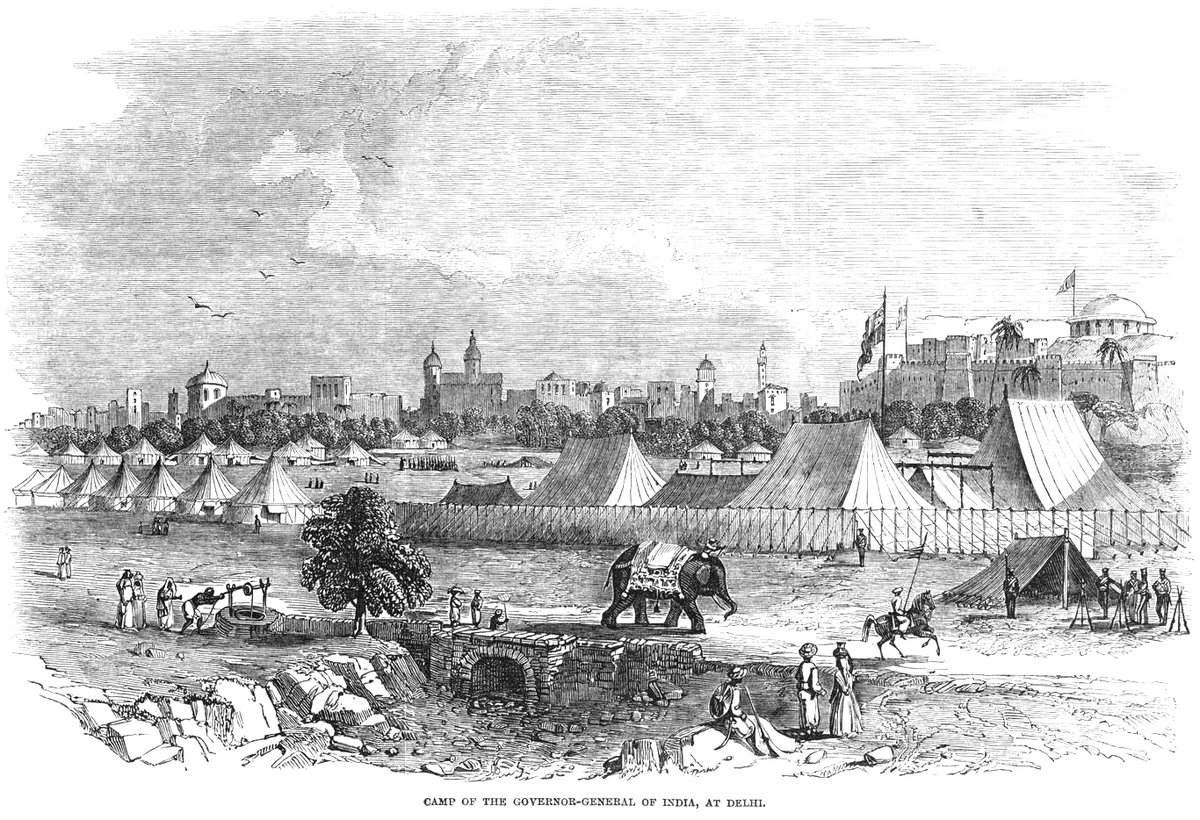
Ramlila Maidan was originally a vast pond that, in the 1930s, was filled to create a permanent space for the growing Ramlila festivities. The tradition of staging Ramlila—a dramatic retelling of the Ramayana—was established in the early 19th century during the Mughal era, with Emperor Bahadur Shah Zafar encouraging the celebration to promote communal harmony. The Maidan’s transformation from a Mughal garden and later a pond mirrors Delhi’s evolving urban landscape and the city’s commitment to inclusivity (Read about Mughal-era Delhi).
Cultural Epicenter: Ramlila Performances
The Maidan is best known for hosting Delhi’s grandest Ramlila festival during the Hindu month of Ashwin (September–October). The performances, based on Tulsidas’s Ramcharitmanas and other poetic interpretations, draw tens of thousands of spectators. Notable features include elaborate sets, detailed costumes, and a vibrant fair atmosphere with food stalls and craft bazaars. The festival culminates on Dussehra with the burning of massive effigies of Ravana, Meghnad, and Kumbhkaran, symbolizing the victory of good over evil (Cultural insights on Ramlila; Republic World).
Political and Social Significance
Ramlila Maidan has been at the forefront of India’s political history, hosting significant rallies, protests, and public addresses by leaders such as Mahatma Gandhi, Jawaharlal Nehru, and Anna Hazare. Historic events include:
- 1961: PM Nehru’s welcome to Queen Elizabeth II.
- 1963: Lata Mangeshkar’s “Aye Mere Watan Ke Logo”.
- 1975: Jayaprakash Narayan’s protest against the Emergency.
- 2011: Anna Hazare’s anti-corruption movement.
The Maidan continues to be a platform for civic engagement, social movements, and political milestones (The Hindu; BBC News; Al Jazeera; The Indian Express).
Modernization and UNESCO Recognition
To enhance experiences for diverse audiences, the Maidan now features advanced sound and lighting systems, drone displays, and English translations during major festivals. Ramlila was inscribed in 2008 on UNESCO’s Representative List of the Intangible Cultural Heritage of Humanity, acknowledging its role in preserving storytelling and community values (UNESCO Ramlila).
Visitor Information: Hours, Tickets, Accessibility
- Visiting Hours: Open daily from 6:00 AM to 10:00 PM; hours may extend during festivals.
- Tickets: General entry is free for most events, including Ramlila performances. VIP seating may require tickets, available onsite or online (Visitor Experience).
- Accessibility: The ground is wheelchair-friendly with designated areas and first-aid facilities.
- Transport: Nearest metro stations are Jama Masjid, Chawri Bazar, and New Delhi. Buses and auto-rickshaws provide easy access.
- Facilities: Temporary restrooms, food stalls, and medical tents are available during large events.
Travel Tips and Nearby Attractions
- Best Time to Visit: During the Ramlila festival (September–October) for the most vibrant experience.
- Nearby Sites: Red Fort, Jama Masjid, Chandni Chowk, Feroz Shah Kotla, Sulabh International Museum of Toilets.
- Photography: Allowed, with best shots during the festival; be mindful of guidelines during political events.
- Dress and Behavior: Dress modestly and respect local customs, especially during religious celebrations.
Contemporary Uses and Community Impact
Beyond festivals and rallies, Ramlila Maidan serves as a venue for community events, fairs, and even public health initiatives—as seen when it was repurposed as an ICU facility during the COVID-19 pandemic, exemplifying its flexibility as a civic space (Community role of Ramlila Maidan).
Frequently Asked Questions (FAQs)
Q: What are Ramlila Maidan’s visiting hours?
A: 6:00 AM to 10:00 PM daily, with extended hours during festivals.
Q: Is entry free?
A: Yes, for most events; VIP passes may be required for special seating.
Q: How can I reach Ramlila Maidan?
A: Via metro (Jama Masjid, Chawri Bazar, New Delhi), bus, or auto-rickshaw.
Q: Is the Maidan wheelchair accessible?
A: Yes, with dedicated areas and assistance available during events.
Q: Are guided tours available?
A: Occasionally, especially during festival seasons—advance booking is advised.
Listen to the full story in the app
The whole Ramlila Maidan,
told well.
Listen to sourced travel stories with local history and practical context — ready offline.

Verified, and shown.
Researched and written by the Audiala editorial team from historical records, architectural archives, and local expertise.
Built from cited sources · see the method · How we make our guides →