Plan and listen to National Rail Museum with Audiala.
Audio guide in your pocket, itinerary in your browser. Built for the way you actually visit.
Introduction
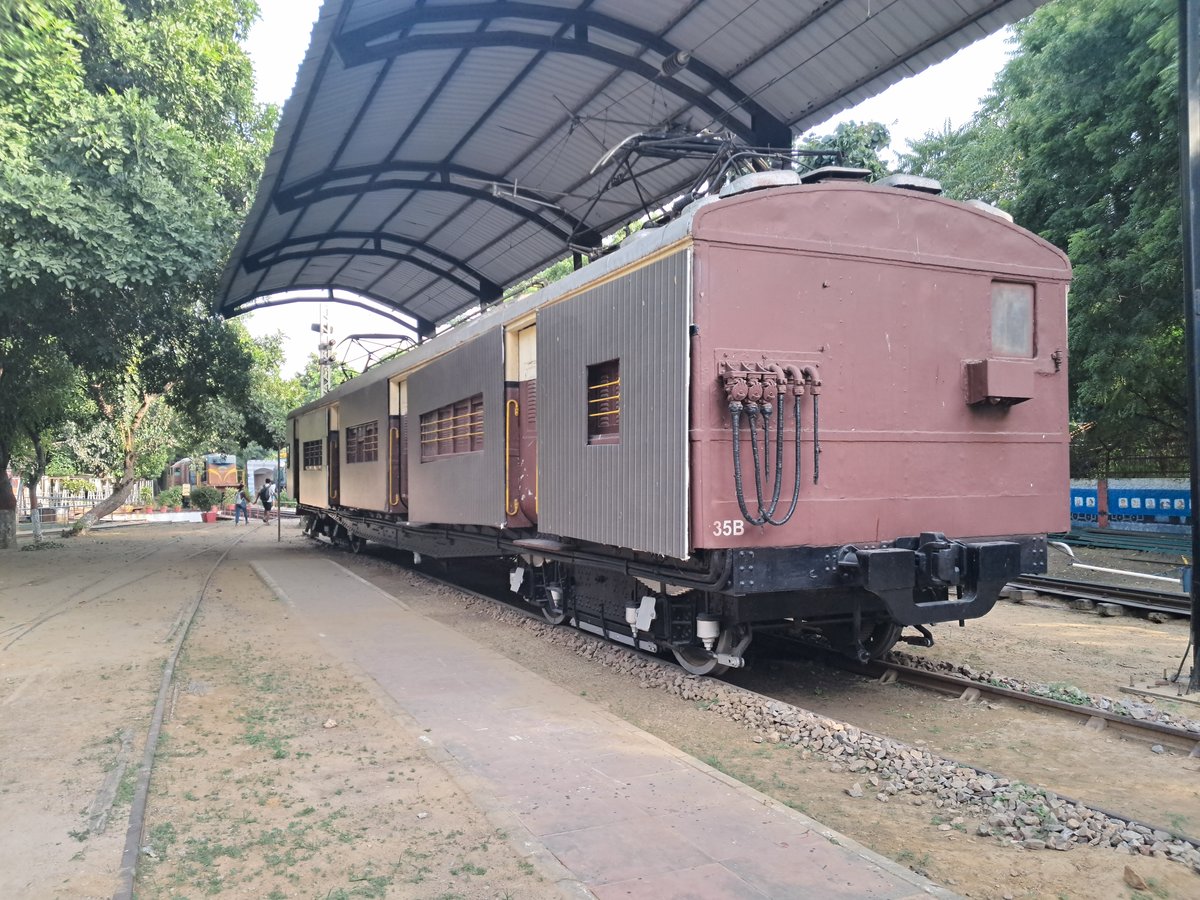
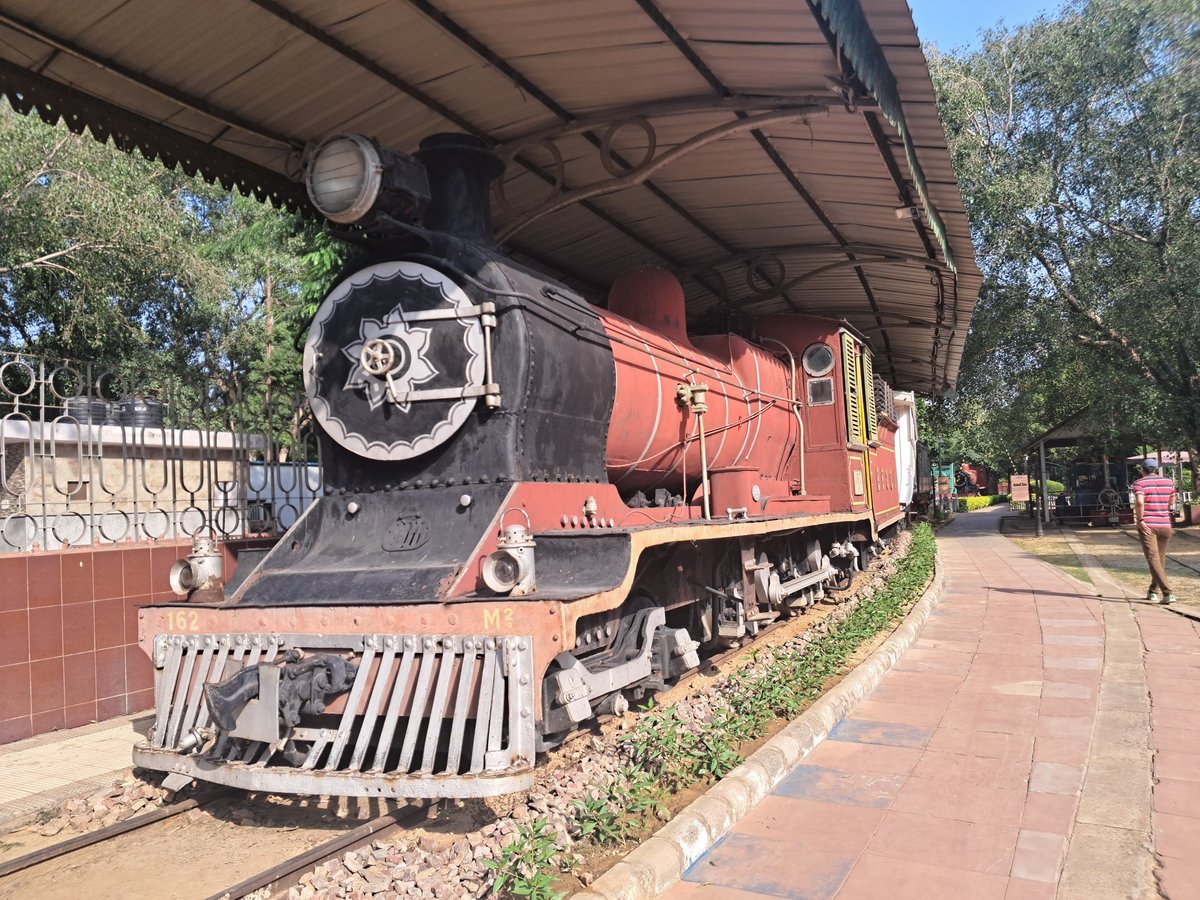
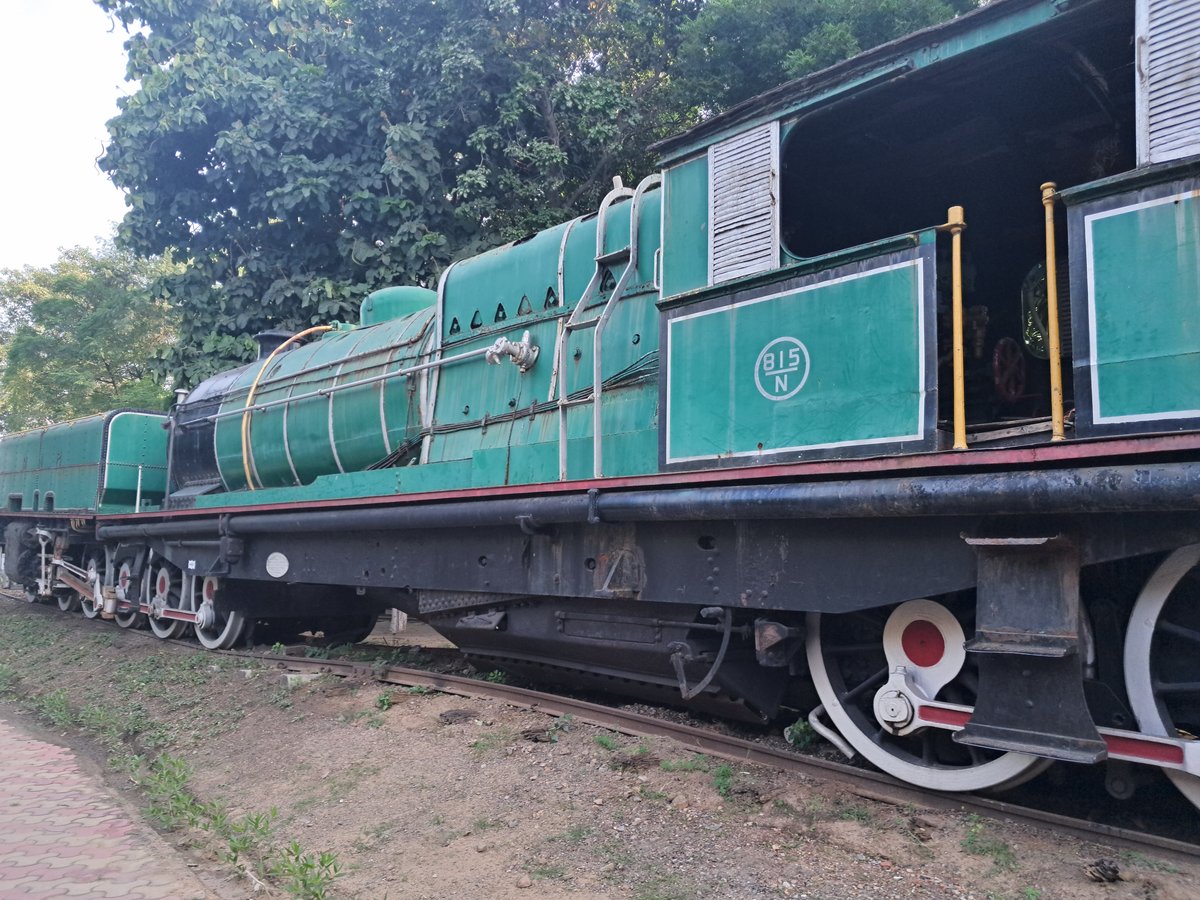
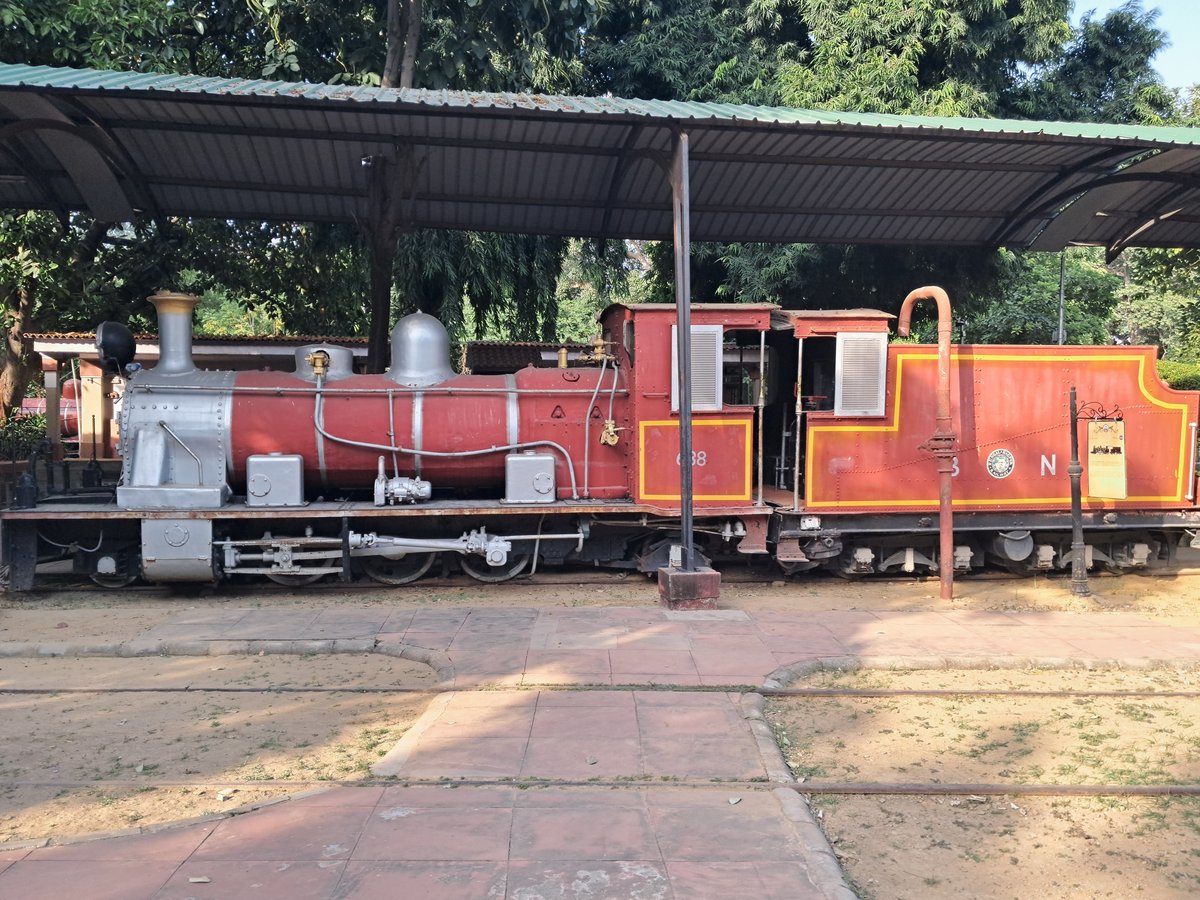
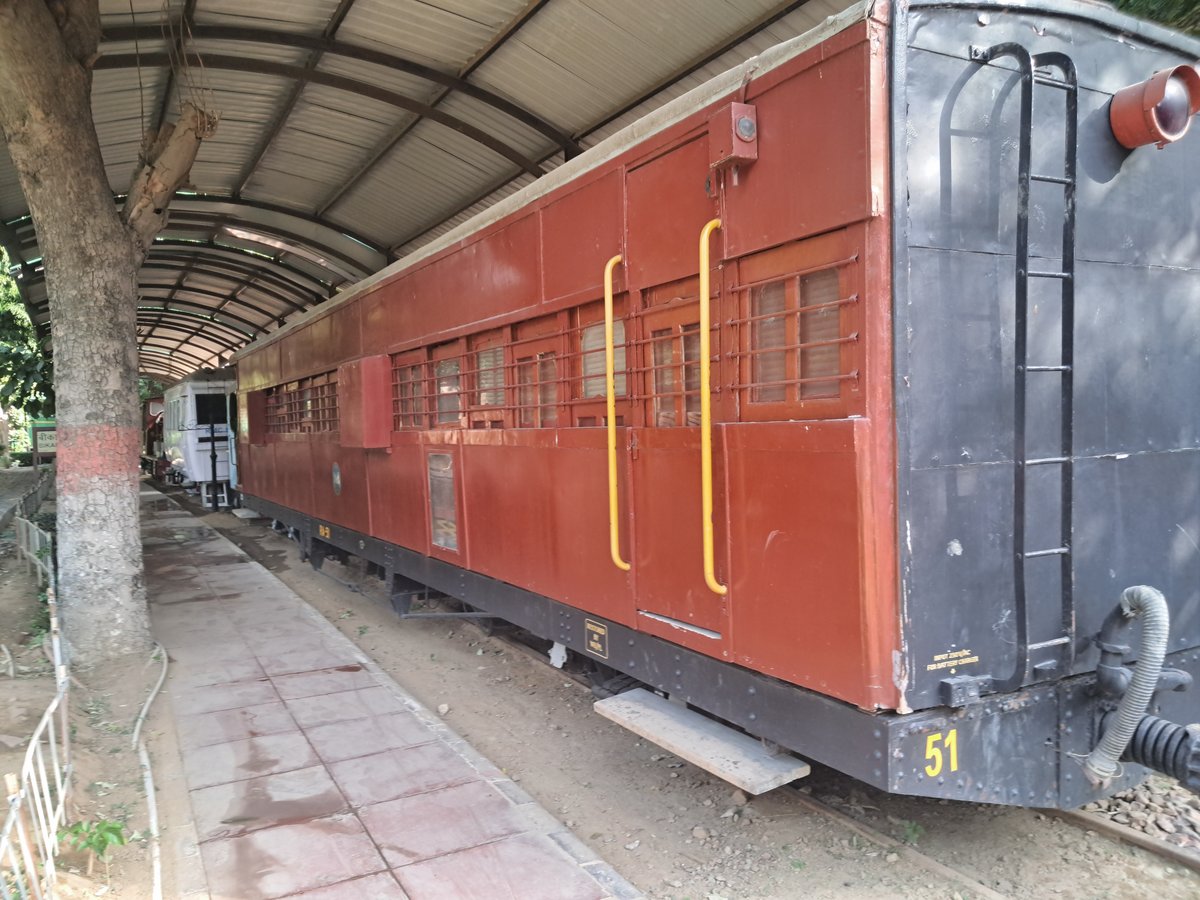
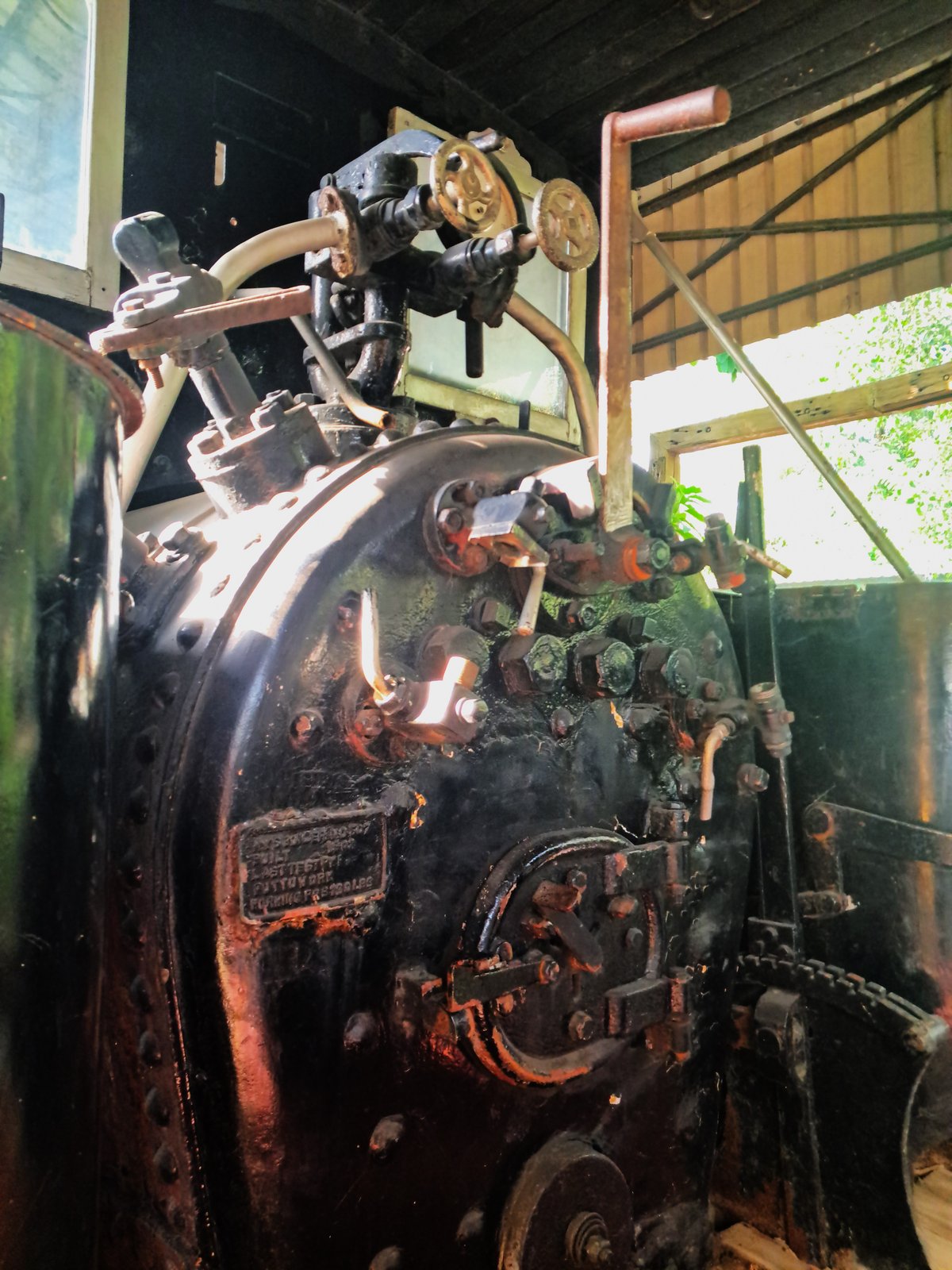
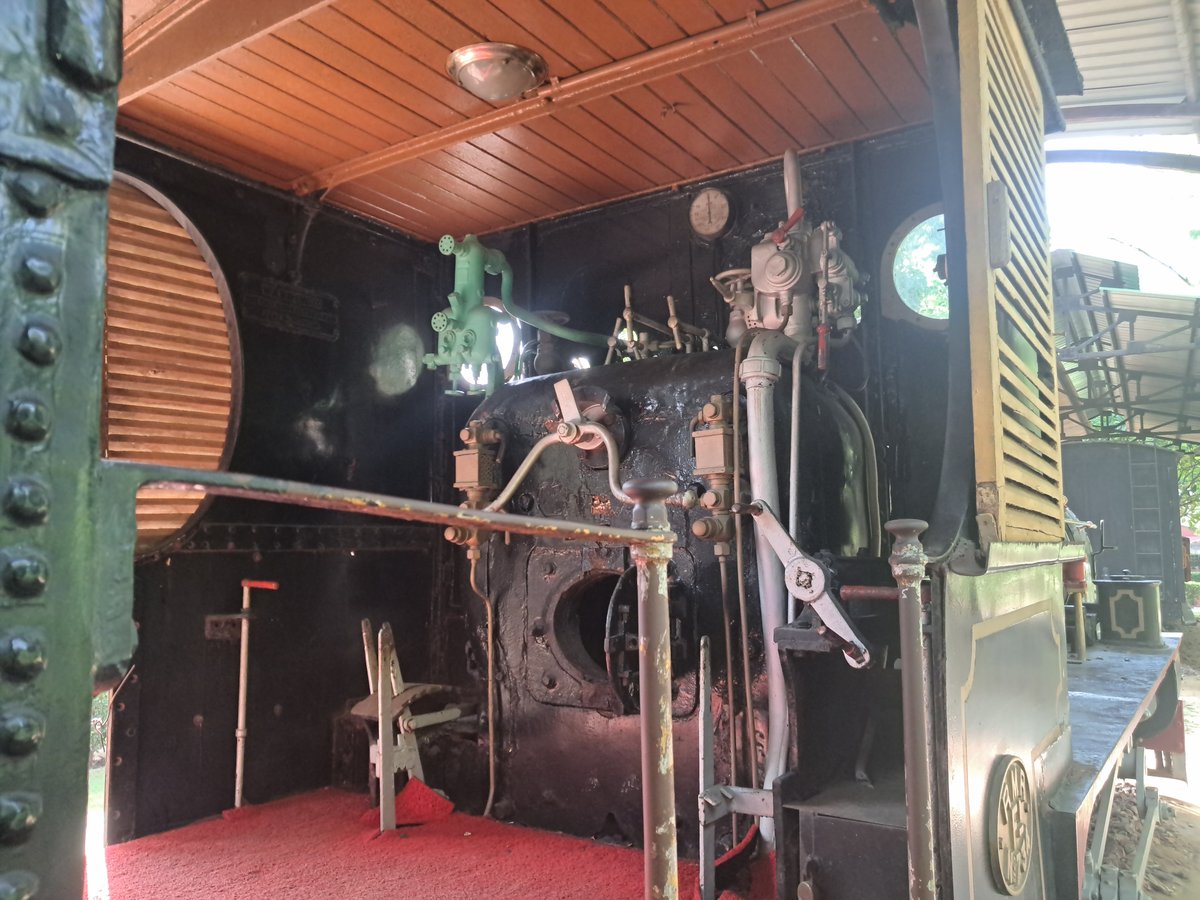
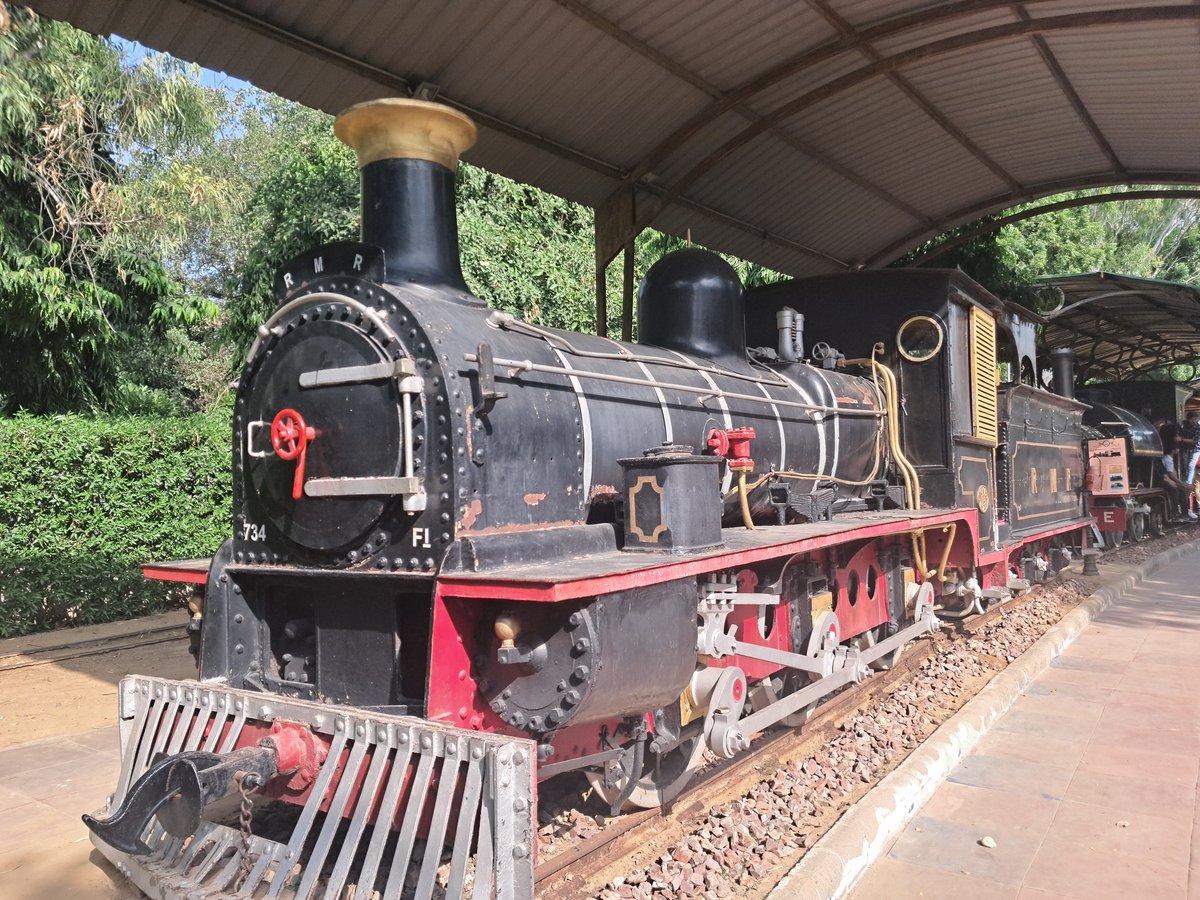
The National Rail Museum in New Delhi, India, stands as a testament to the rich history and technological advancements of Indian Railways. Conceived in the early 1960s and inaugurated on February 1, 1977, the museum spans over 11 acres and provides an immersive experience into the evolution of rail transport in India. Visitors are greeted with meticulously preserved locomotives, carriages, and railway artifacts that date back to the colonial era (Indian Railways). The museum features key exhibits such as the Patiala State Monorail Trainways, the Fairy Queen, and the Fireless Steam Locomotive, showcasing the ingenuity and technological strides made over time (Heritage Transport Museum, Guinness World Records, Chittaranjan Locomotive Works). It also boasts interactive exhibits, educational programs, and cultural events that engage visitors of all ages, making it a vibrant center for learning and cultural exchange (National Rail Museum Education, Cultural Events at NRM). With its strategic location in Chanakyapuri, New Delhi, and accessibility features, the museum ensures a comfortable and enriching visit for all guests (Visitor Information).


Origins and Establishment
The National Rail Museum in New Delhi was conceptualized in the early 1960s to preserve and showcase the rich heritage of Indian Railways. The idea was to create a repository that would not only display historical artifacts but also educate the public about the evolution of rail transport in India. The foundation stone for the museum was laid on October 7, 1971, by the then-President of India, V. V. Giri. The museum was officially inaugurated on February 1, 1977, by the then Minister for Railways, Kamlapati Tripathi (Indian Railways).
Architectural Design and Layout
The museum spans over 11 acres and is designed to resemble a railway yard. The architectural layout was meticulously planned to include both indoor and outdoor exhibits. The indoor gallery houses a plethora of historical documents, photographs, and models, while the outdoor area features a vast collection of locomotives, carriages, and other railway equipment. The design aims to provide an immersive experience, allowing visitors to walk through the history of Indian Railways (National Rail Museum).
Key Historical Exhibits
Patiala State Monorail Trainways
One of the most significant exhibits is the Patiala State Monorail Trainways (PSMT), which dates back to 1907. This unique monorail system was designed by Colonel Bowles and operated in the princely state of Patiala. The PSMT is a rare example of an early monorail system and is one of the only surviving models in the world (Heritage Transport Museum).
Fairy Queen
The Fairy Queen, built in 1855, is another highlight of the museum. It holds the Guinness World Record for being the oldest operational steam locomotive. The Fairy Queen was initially used for passenger services and later for hauling mail. It was restored to working condition in 1997 and now operates as a heritage train, offering tourists a unique travel experience (Guinness World Records).
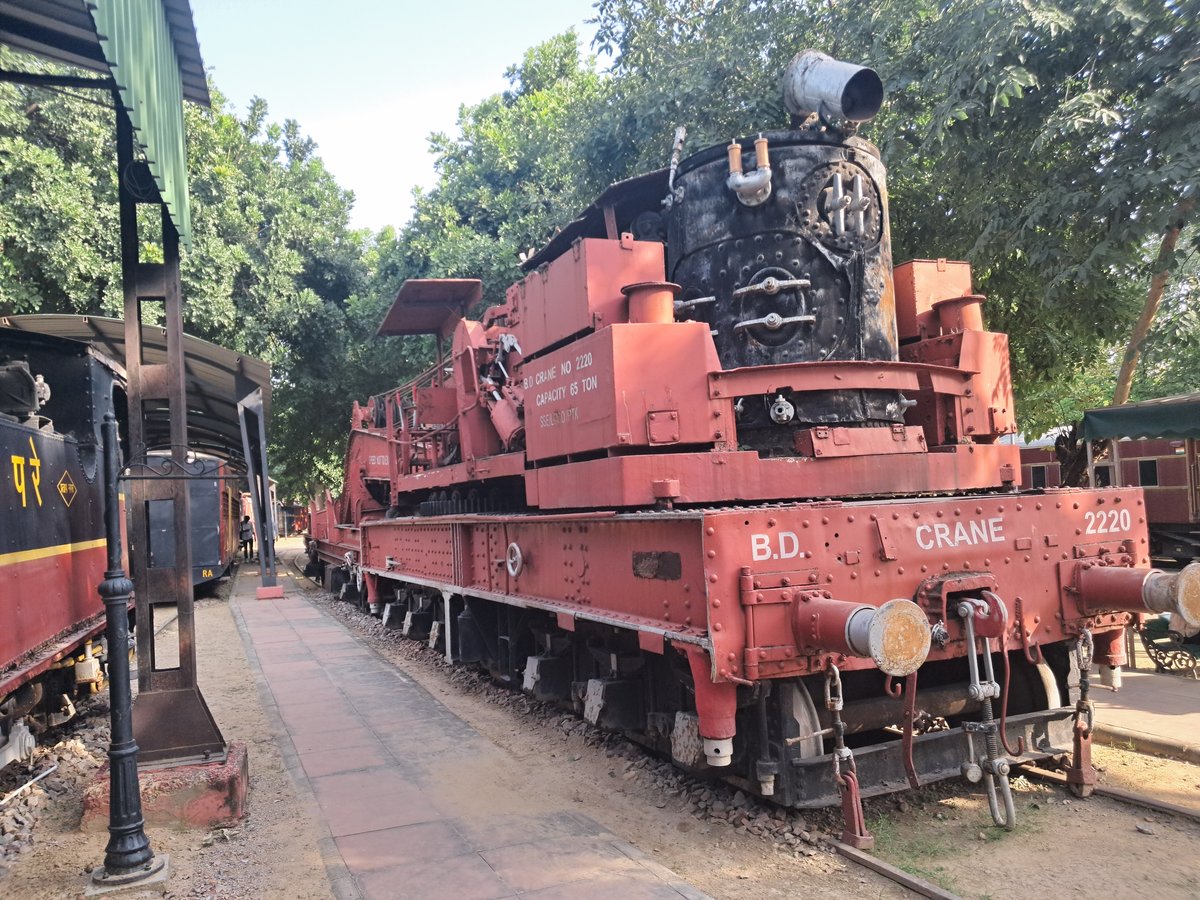
Fireless Steam Locomotive
The museum also features a Fireless Steam Locomotive, which was used in the Chittaranjan Locomotive Works. This type of locomotive was designed to operate in environments where traditional steam engines could pose a fire hazard, such as in munitions factories and chemical plants (Chittaranjan Locomotive Works).
Evolution and Modernization
Technological Advancements
Over the years, the National Rail Museum has undergone several phases of modernization to keep up with technological advancements. Interactive displays, virtual reality experiences, and digital kiosks have been introduced to make the exhibits more engaging and informative. These technological upgrades aim to provide a more comprehensive understanding of the historical context and significance of the exhibits (Ministry of Railways).
Restoration Projects
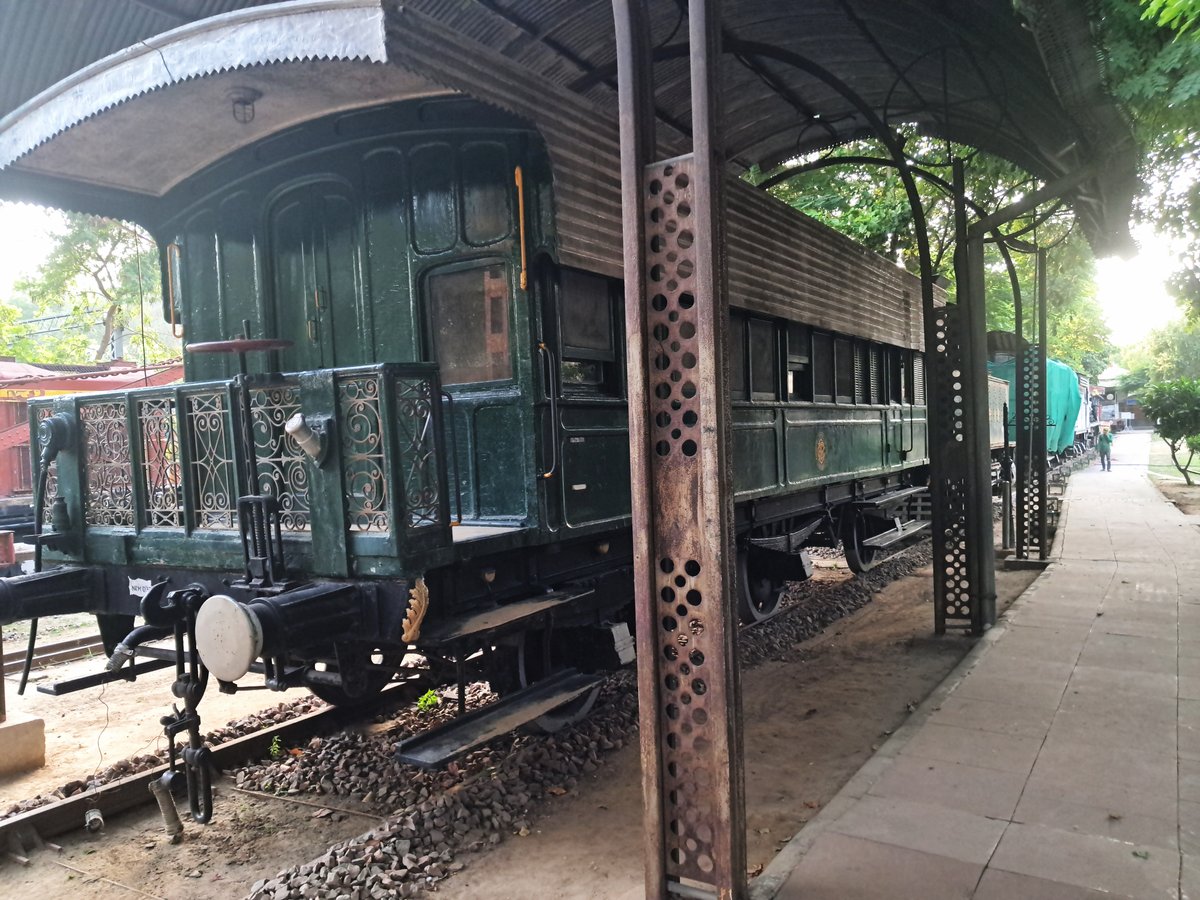
The museum has also been involved in various restoration projects to preserve its valuable artifacts. One notable project was the restoration of the Saloon of the Prince of Wales, which was built in 1876. This luxurious saloon was used by the Prince of Wales during his visit to India and is a testament to the opulence of royal travel during the British Raj (British Library).
Educational and Cultural Impact
Educational Programs
The National Rail Museum plays a crucial role in educating the public about the history and significance of Indian Railways. It offers various educational programs, workshops, and guided tours for students and researchers. These programs are designed to provide in-depth knowledge about the technological and historical aspects of rail transport in India (National Rail Museum Education).
Cultural Significance
The museum also serves as a cultural hub, hosting various events, exhibitions, and cultural programs throughout the year. These events aim to celebrate the rich heritage of Indian Railways and its impact on the socio-economic development of the country. The museum's cultural initiatives have helped in fostering a sense of pride and appreciation for India’s railway heritage among the public (Cultural Events at NRM).
Visitor Experience
Interactive Exhibits
To enhance the visitor experience, the museum has introduced several interactive exhibits. One such exhibit is the "Railway Simulator," which allows visitors to experience the thrill of driving a train. Another popular attraction is the "Toy Train," which offers a miniature train ride around the museum premises, providing a fun and educational experience for children (Interactive Exhibits).
Accessibility and Amenities
The museum is equipped with various amenities to ensure a comfortable visit for all. These include wheelchair accessibility, guided tours, and audio-visual aids for the hearing impaired. The museum also has a souvenir shop and a cafeteria, offering visitors a chance to take home memorabilia and enjoy refreshments during their visit (Visitor Information).
Visitor Information
Visiting Hours and Tickets
The National Rail Museum is open from 10:00 AM to 5:00 PM, Tuesday to Sunday. It is closed on Mondays and national holidays. Tickets can be purchased at the entrance or online through the museum's official website. The ticket prices are INR 50 for adults and INR 20 for children. Special discounts are available for school groups and senior citizens (National Rail Museum Tickets).
Travel Tips and Nearby Attractions
The museum is conveniently located in the Chanakyapuri area of New Delhi, making it easily accessible by public transport and private vehicles. Visitors can also explore nearby attractions such as the Nehru Planetarium, the India Gate, and the Rashtrapati Bhavan (Nearby Attractions).
Future Prospects
Expansion Plans
The National Rail Museum has ambitious plans for expansion to include more exhibits and interactive features. Future projects aim to incorporate advanced technologies such as augmented reality (AR) and artificial intelligence (AI) to provide a more immersive and educational experience. These initiatives are part of the museum's ongoing efforts to remain relevant and engaging in the digital age (Future Plans).
International Collaborations
The museum is also exploring international collaborations to bring in exhibits from other countries and share its own collection with global audiences. These collaborations aim to promote cross-cultural understanding and appreciation of railway heritage worldwide (International Collaborations).
Frequently Asked Questions (FAQ)
What are the visiting hours for the National Rail Museum?
The museum is open from 10:00 AM to 5:00 PM, Tuesday to Sunday, and is closed on Mondays and national holidays.
How much are the tickets for the National Rail Museum?
Tickets are priced at INR 50 for adults and INR 20 for children. Special discounts are available for school groups and senior citizens.
Are there guided tours available?
Yes, guided tours are available and can be booked in advance through the museum’s official website or at the entrance.
Is the museum wheelchair accessible?
Yes, the museum is equipped with wheelchair accessibility and other amenities to ensure a comfortable visit for all.
What are some nearby attractions?
Nearby attractions include the Nehru Planetarium, the India Gate, and the Rashtrapati Bhavan.
Tickets & tours.
These are guided options from our partners — same price as booking direct.
Prices are indicative — final pricing and availability are confirmed at checkout. Audiala may earn a commission from bookings made through these links.
Listen to the full story in the app
The whole National Rail Museum,
told well.
Listen to sourced travel stories with local history and practical context — ready offline.
Verified, and shown.
Researched and written by the Audiala editorial team from historical records, architectural archives, and local expertise.
Built from cited sources · see the method · How we make our guides →