Plan and listen to Mutiny Memorial with Audiala.
Audio guide in your pocket, itinerary in your browser. Built for the way you actually visit.
Discover the Mutiny Memorial in New Delhi: A Historical Overview and Visitor Information
The Mutiny Memorial, also known as Ajitgarh, is a significant historical monument located in New Delhi, India. Erected in 1863 by the British to commemorate their soldiers who perished during the Indian Rebellion of 1857, this Gothic Revival structure stands as a poignant reminder of a pivotal chapter in India's struggle for independence (HistoryNet). The rebellion, often referred to as the First War of Indian Independence, marked the first large-scale and organized attempt by Indians to overthrow British rule. The introduction of the new Enfield rifle, which required soldiers to bite off the ends of greased cartridges rumored to be coated with cow and pig fat, was a major catalyst for the uprising, deeply offending both Hindu and Muslim soldiers (Wikipedia).
The Mutiny Memorial is an architectural marvel, showcasing the Victorian Gothic style characterized by intricate detailing and an octagonal base made of red sandstone. Despite facing public criticism for its design, the memorial has stood the test of time, evolving from a symbol of British colonial power to a site of national pride. In 1972, on the 25th anniversary of India's independence, the Indian government renamed the monument Ajitgarh, meaning 'Place of the Unvanquished,' and added a plaque honoring the Indian martyrs who fought for freedom (Go With Harry).
Located on the Northern Ridge of Delhi, near the Hindu Rao Hospital, the Mutiny Memorial is easily accessible and open to visitors every day from 10 AM to 5 PM, with no entry fee. Its serene surroundings and historical significance make it a must-visit for anyone interested in India's colonial history and the struggle for independence. The memorial is also surrounded by several other historical sites, providing a comprehensive historical and cultural experience for visitors (Tour My India).
Historical Background of the Mutiny Memorial
The Indian Rebellion of 1857
The Mutiny Memorial, also known as Ajitgarh, stands as a poignant reminder of the Indian Rebellion of 1857, often referred to as the First War of Indian Independence. This uprising was a significant event in Indian history, marking the first large-scale and organized attempt by Indians to overthrow British rule. The rebellion was sparked by various factors, including widespread discontent among the Indian soldiers (sepoys) in the British East India Company's army. The introduction of the new Enfield rifle, which required soldiers to bite off the ends of greased cartridges rumored to be coated with cow and pig fat, was a major catalyst. This was deeply offensive to both Hindu and Muslim soldiers, leading to widespread unrest (HistoryNet).
The Siege of Delhi
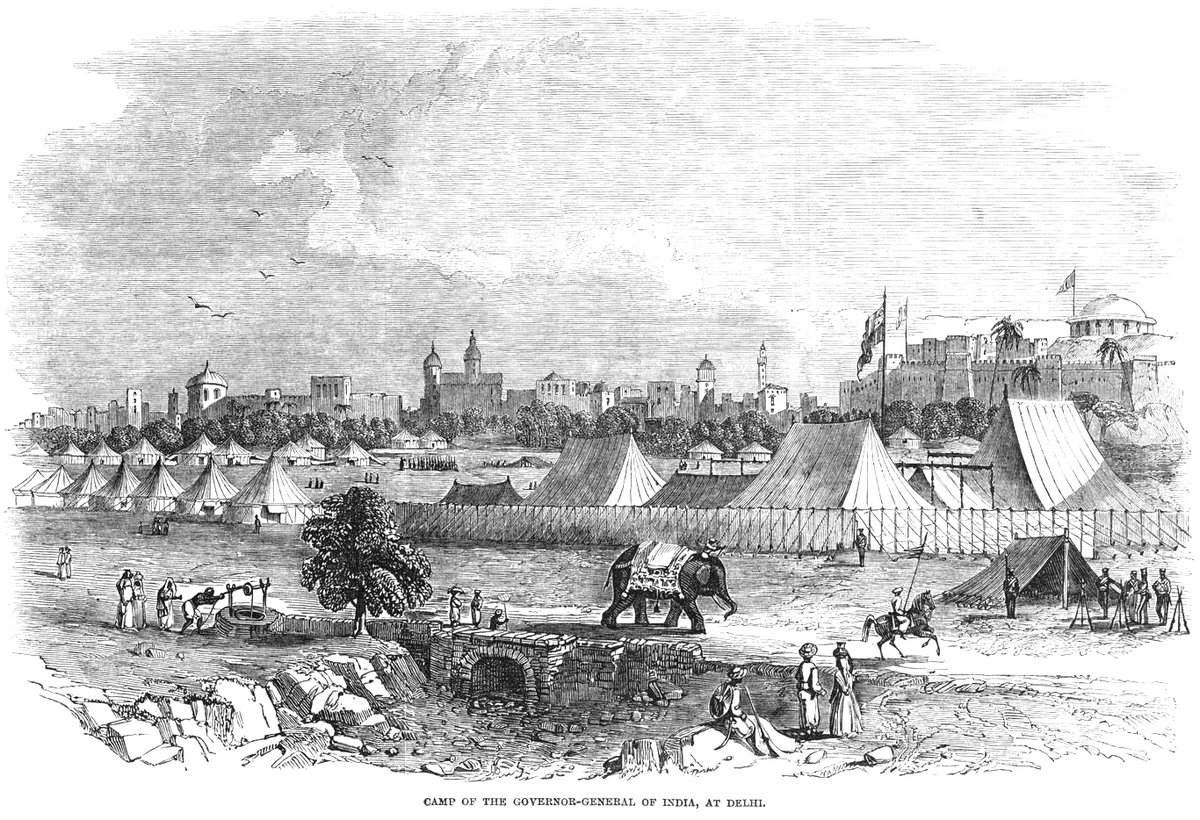
Delhi was one of the key centers of the rebellion. The city witnessed intense fighting between the British forces and the Indian rebels. The British, under the command of General Wilson, launched a series of attacks to reclaim the city. The siege of Delhi was marked by brutal combat, with significant casualties on both sides. The British forces eventually recaptured Delhi, but the rebellion had already left an indelible mark on the city's history (HistoryNet).
Construction of the Memorial
In the aftermath of the rebellion, the British sought to commemorate their fallen soldiers. The Mutiny Memorial was erected in 1863 by the Public Works Department at the expense of the British government. The memorial was designed in the Gothic architectural style, characterized by its red sandstone structure and octagonal base. The lowest tier of the memorial features seven faces with plaques bearing the names and ranks of the soldiers who died fighting for the British during the rebellion (Wikipedia).
Public Criticism and Renaming
Upon its completion, the Mutiny Memorial faced significant public criticism for its design, which some described as resembling a "badly drawn-out telescope." Despite this, the memorial stood as a symbol of British colonial power and their victory over the Indian rebels. However, history took an unexpected turn in 1972, on the 25th anniversary of India's independence. The Indian government renamed the monument Ajitgarh, meaning "Place of the Unvanquished," and added a plaque declaring that the "enemy" mentioned on the memorial were now considered "immortal martyrs for Indian freedom" (Go With Harry).
Architectural Significance
The Mutiny Memorial is an architectural marvel, showcasing the Victorian Gothic style. The structure is a towering edifice with a brick spire topped by a crucifix. The exterior is octagonal, while the interior is circular. The memorial is constructed on a two-tiered base, further elevating its height. The red sandstone base and the plaques on the walls surrounding the tower are engraved with the names and ranks of the soldiers. The memorial's design is both intricate and imposing, reflecting the architectural sensibilities of the British colonial era (So City).
Visitor Information
Location and Accessibility
The Mutiny Memorial is located on the Northern Ridge of Delhi, near the Hindu Rao Hospital. It is easily accessible via local buses, auto rickshaws, and taxis. The nearest metro station is Pul Bangash, making it convenient for visitors to reach the site. The memorial is situated amidst lush greenery, providing a serene environment for visitors to reflect on the historical events it commemorates (Tour My India).
Visiting Hours and Tickets
The Mutiny Memorial is open to visitors every day from 10 AM to 5 PM. There is no entry fee, making it accessible to all. The best time to visit is between October and March, when the weather is cooler and more pleasant for sightseeing. The memorial's serene surroundings and historical significance make it a must-visit for anyone interested in India's colonial history and the struggle for independence (Tour My India).
Travel Tips and Best Times to Visit
For a smooth visit to the Mutiny Memorial, it is advisable to wear comfortable walking shoes, carry a bottle of water, and bring a hat or umbrella for shade. The cooler months from October to March are ideal for visiting, as the weather is more pleasant for exploring the site and nearby attractions.
Nearby Attractions
Visitors to the Mutiny Memorial can also explore several other historical sites in the vicinity. The Ashoka Pillar, located just 200 meters away, is another significant monument from a different era of Indian history. Other nearby attractions include the Flagstaff Tower, where British families took refuge during the rebellion, and the bustling markets of Chandni Chowk, which offer a glimpse into the vibrant culture of Old Delhi. Additionally, the Red Fort, Jama Masjid, and Jantar Mantar are all within a short distance, making the area rich in historical and cultural landmarks (Tour My India).
Cultural Impact
The Mutiny Memorial stands as a testament to the complex and often painful history of British colonial rule in India. It serves as a reminder of the sacrifices made by both British and Indian soldiers during the rebellion. The renaming of the memorial to Ajitgarh and the addition of the plaque honoring the Indian martyrs reflect the evolving narrative of India's struggle for independence. The memorial is not just a site of historical significance but also a symbol of the enduring spirit of freedom and resilience that characterizes India's journey to independence (Go With Harry).
Haunted Tales
Adding to the mystique of the Mutiny Memorial are the local legends and haunted tales associated with it. Some stories speak of headless British soldiers wandering the area, asking for a light for their cigarettes. These tales, while eerie, contribute to the memorial's enigmatic aura and draw curious visitors intrigued by the supernatural aspects of Delhi's history (Go With Harry).
FAQ
Q: What are the Mutiny Memorial visiting hours?
A: The Mutiny Memorial is open to visitors every day from 10 AM to 5 PM.
Q: Is there an entry fee for the Mutiny Memorial?
A: No, there is no entry fee for the Mutiny Memorial.
Q: How can I reach the Mutiny Memorial?
A: The nearest metro station is Pul Bangash. The memorial is easily accessible via local buses, auto rickshaws, and taxis.
Q: Are guided tours available at the Mutiny Memorial?
A: While there are no official guided tours, hiring a local guide is recommended for detailed historical context.
Q: Can I take photographs at the Mutiny Memorial?
A: Yes, photography is allowed, and visitors are encouraged to capture the architectural details and panoramic views.
Listen to the full story in the app
The whole Mutiny Memorial,
told well.
Listen to sourced travel stories with local history and practical context — ready offline.

Verified, and shown.
Researched and written by the Audiala editorial team from historical records, architectural archives, and local expertise.
Built from cited sources · see the method · How we make our guides →