Plan and listen to Major Dhyan Chand National Stadium with Audiala.
Audio guide in your pocket, itinerary in your browser. Built for the way you actually visit.
Introduction
Located in the heart of New Delhi, the Major Dhyan Chand National Stadium stands as an iconic symbol of India's sporting excellence and cultural vibrancy. Originally established as the Irwin Amphitheatre in 1933, this historic venue has transformed over the decades from a colonial-era multipurpose arena into the revered "Temple of Indian Hockey." Named after Major Dhyan Chand, the legendary three-time Olympic gold medalist, the stadium is a focal point for major international sports events and diverse cultural festivals. Its proximity to landmarks like India Gate, Purana Qila, and the National Museum makes it a must-visit for tourists and locals alike, offering a blend of sports heritage, architectural innovation, and rich cultural experiences (Sports Authority of India; Wikipedia).
This guide provides detailed information about the stadium’s history, architectural evolution, major events, practical visitor details—including visiting hours, ticketing, accessibility, travel tips, and nearby attractions—as well as recommendations for making the most of your visit to this premier Delhi historical site.

Historical Background
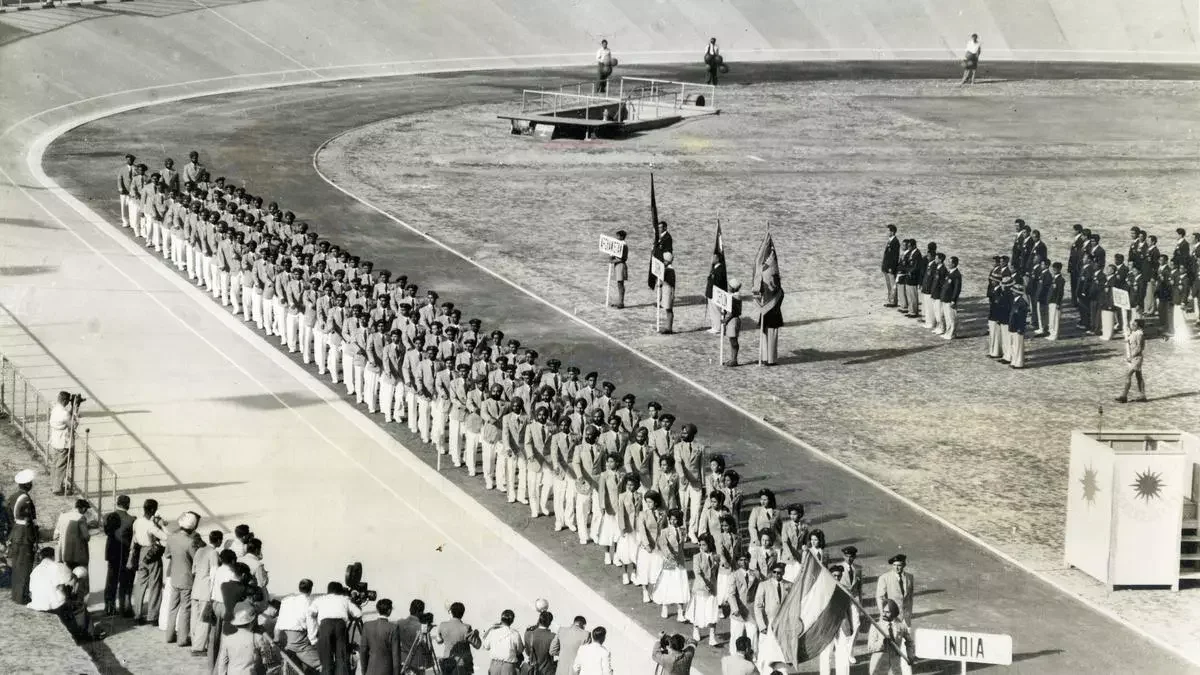
The stadium’s origins date back to 1933, when the Maharaja of Bhavnagar gifted the venue to New Delhi. Designed by Anthony S. DeMillo and inaugurated by Lord Willingdon, it was initially envisioned by Edwin Lutyens as a garden to preserve the Purana Qila’s view, but quickly became a center for sports and community gatherings (delhidarshan.com). Renamed the National Stadium for the first Asian Games in 1951, it soon became synonymous with field hockey, reflecting India’s growing passion for the sport (Wikipedia).
From Amphitheatre to Hockey Landmark
With India’s dominance in international hockey, the stadium evolved into a premier hockey venue. In 2002, it was renamed in honor of Major Dhyan Chand, solidifying its reputation as the spiritual home of Indian hockey and a symbol of national pride (Sportsmatik).
Architectural Evolution and Modernization
Original Design
The original open-air, multipurpose layout emphasized spectator visibility and flexibility, spanning 17,500 sq. meters within a 37-acre campus (Sports Authority of India).
Major Renovations
Ahead of the 2010 Commonwealth Games and Hockey World Cup, the stadium underwent a ₹262 crore modernization that included:
- Replacement of embankment stands with a modern seating bowl
- Three synthetic pitches (two competition, one practice)
- Polygrass turf with advanced sprinklers
- Floodlighting (2,200 lux for HD broadcasts)
- Expanded seating for 16,200 spectators
- Air-conditioned lounges, locker rooms, and medical facilities (interpcan.ca)
Sustainability Initiatives
Eco-friendly features include rainwater harvesting, recycled water systems, thermal insulation, energy-efficient LED lighting, and waste management systems (Scribd Case Study).
Cultural and Sporting Significance
Hockey Heritage
Revered as the "Temple of Indian Hockey," the stadium has hosted legendary matches and is integral to the nation’s sporting history. Its dedication to Major Dhyan Chand in 2002 immortalized his achievements (Wikipedia).
Venue for Cultural Festivals
The stadium’s flexible infrastructure supports a variety of large-scale festivals, such as:
- Jashn-e-Rekhta: Celebrating Urdu literature and culture
- Aadi Mahotsav: Showcasing India’s tribal heritage (PIB India)
- Delhi Tourism Food Festival: Culinary and cultural extravaganza (Hindustan Times)
- Dandiya and Garba Nights: Traditional dance festivals (Millennium Post)
These festivals foster community engagement and highlight Delhi’s cosmopolitan character.
Major Events and Festivals
- Asian Games (1951 & 1982): Venue for field hockey events, establishing India's leadership in Asian sports
- 2010 Men’s Hockey World Cup & Commonwealth Games: Hosted after extensive renovations, cementing its international reputation
- Aadi Mahotsav 2025: Scheduled for February 16–24, 2025, featuring over 600 tribal artisans, 500 performing artists, and international participation (PIB India)
- World Travel and Tourism Festival 2025: Blending travel, culture, and music (News9Live)
- Rock N Dhol Shubharambh (Dandiya Nights): October 5–6, 2024 (The Dilli)
Practical Visitor Information
Visiting Hours
- General Hours: 9:00 AM to 6:00 PM daily
- Event Days: Gates open 1–2 hours before the event; check official schedules for updates
Ticketing Details
- General Admission: ₹20–₹50; some festivals offer free entry
- Special Events: Prices vary; purchase tickets online, at the stadium box office, or through authorized platforms
- Group Discounts: Available for students, senior citizens, and large groups (check eligibility when booking)
Accessibility
- Wheelchair ramps, elevators, reserved seating, and accessible restrooms are available throughout the stadium
Travel and Parking Tips
- By Metro: Supreme Court (Pragati Maidan) and Mandi House are the nearest stations (YoMetro)
- By Bus: DTC buses stop at National Stadium, a short walk away (Rome2Rio)
- By Car: Limited on-site parking; use public transport during large events
Guided Tours and Events
- Guided tours are occasionally organized on non-event days, highlighting the stadium’s history and architecture
- Multilingual signage and digital wayfinding assist visitors
Visitor Amenities and Experience
- Food & Beverages: Local and international cuisine available during events; special festivals feature authentic tribal and regional dishes
- Shopping: Festival markets offer handicrafts, textiles, jewelry, and organic products
- Restrooms: Clean and accessible facilities for all visitors
- Medical Assistance: First-aid and emergency services during events
Nearby Delhi Historical Sites
- India Gate: War memorial, a short walk from the stadium
- National Gallery of Modern Art: Home to over 14,000 works of art
- Purana Qila (Old Fort): One of Delhi’s oldest forts
- National Museum: Rich collections of Indian art and artifacts
Frequently Asked Questions (FAQ)
Q: What are the Major Dhyan Chand National Stadium visiting hours?
A: 9:00 AM to 6:00 PM daily; event hours may vary.
Q: How do I buy tickets?
A: Online via official portals, at the stadium box office, or through authorized vendors.
Q: Is the stadium accessible for differently-abled visitors?
A: Yes, with ramps, elevators, accessible seating, and restrooms.
Q: How do I reach the stadium?
A: By metro (Supreme Court/Pragati Maidan, Mandi House), bus, or car; parking is limited during events.
Q: Are food and shopping options available?
A: Yes, during events, with a variety of stalls and festival markets.
Visual Gallery


Summary and Final Advice
Major Dhyan Chand National Stadium is a remarkable destination that encapsulates India’s sporting legacy, architectural excellence, and cultural diversity. From its founding as the Irwin Amphitheatre in 1933 to its present stature as the "Temple of Indian Hockey," the stadium has continually adapted to serve as both a premier sports venue and a vibrant cultural hub. Its world-class facilities, accessibility, and central location near India Gate and other heritage sites make it an essential part of any Delhi itinerary (Delhipedia; PIB India).
Visitors are encouraged to check official schedules for up-to-date visiting hours, ticketing, and event details. Utilizing public transport is recommended during major events. For an optimal experience, plan your visit around a major sporting match or cultural festival, and explore the nearby historical sites to enrich your Delhi experience.
For real-time updates, ticket bookings, and exclusive offers, download the Audiala app. Follow official social media channels for the latest event news, and consult the references below for further information.
Listen to the full story in the app
The whole Major Dhyan Chand National Stadium,
told well.
Listen to sourced travel stories with local history and practical context — ready offline.
Verified, and shown.
Researched and written by the Audiala editorial team from historical records, architectural archives, and local expertise.
Built from cited sources · see the method · How we make our guides →