Plan and listen to Jantar Mantar with Audiala.
Audio guide in your pocket, itinerary in your browser. Built for the way you actually visit.
Introduction to Jantar Mantar
Nestled in the bustling heart of New Delhi, Jantar Mantar stands as a remarkable testament to India's rich scientific heritage and architectural ingenuity. Constructed in 1724 by Maharaja Jai Singh II of Jaipur, this astronomical observatory is one of five such installations built across India, with counterparts in Jaipur, Ujjain, Varanasi, and Mathura. The term 'Jantar Mantar' is derived from the Sanskrit words 'Yantra' (instrument) and 'Mantra' (formula), epitomizing its primary function as a site for astronomical calculations (Britannica). The observatory houses 13 architectural astronomy instruments designed for precise celestial measurements, reflecting the advanced scientific understanding of 18th-century India. Jantar Mantar is not merely an architectural marvel; it is a symbol of India's historical advancements in science and technology, drawing tourists, historians, and scientists alike (Architectural Digest). This comprehensive guide will delve into the historical significance, architectural features, visitor information, and modern relevance of Jantar Mantar, making it an essential read for anyone planning to explore this iconic monument.

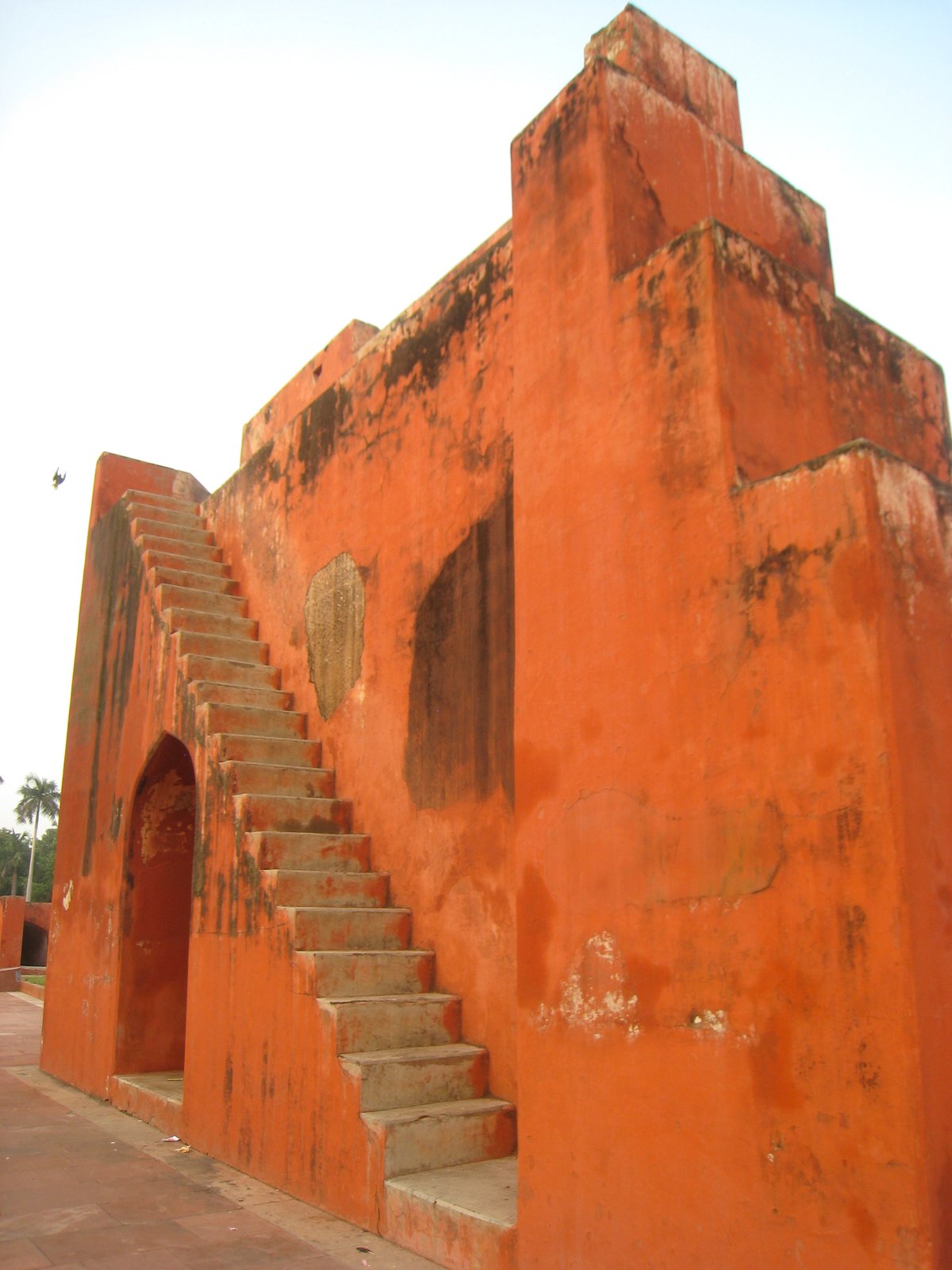
Exploring Jantar Mantar, New Delhi
History of Jantar Mantar, New Delhi
Foundation and Construction
The Jantar Mantar in New Delhi was constructed in 1724 by Maharaja Jai Singh II of Jaipur, a notable ruler and astronomer. Jai Singh II was commissioned by Mughal Emperor Muhammad Shah to revise the astronomical tables and create a more accurate calendar. The Jantar Mantar in New Delhi is one of five such observatories built by Jai Singh II, with others located in Jaipur, Ujjain, Varanasi, and Mathura. (Britannica).
Architectural Significance
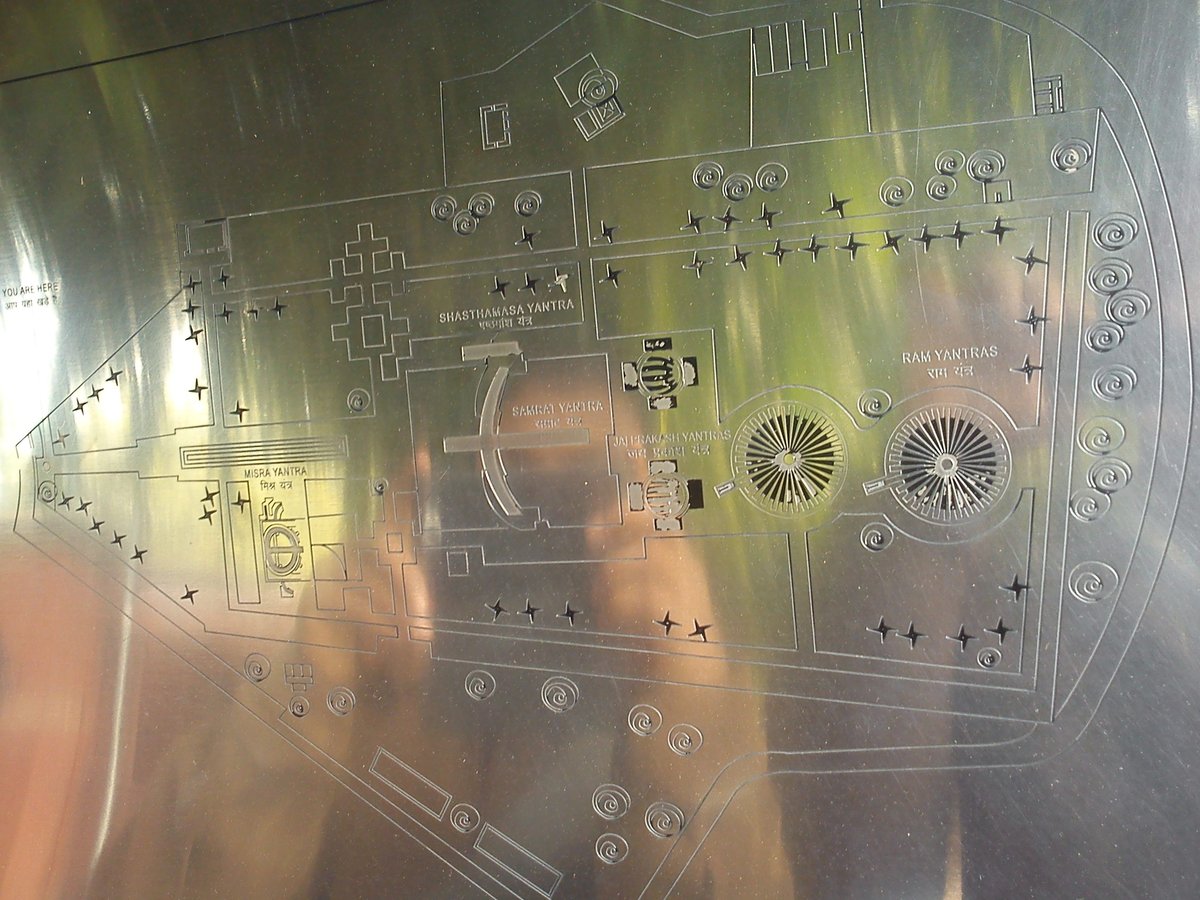
The Jantar Mantar in New Delhi is an architectural marvel, showcasing the ingenuity of 18th-century Indian science and engineering. The observatory consists of 13 architectural astronomy instruments, each designed for specific astronomical measurements. The most prominent structures include the:
Samrat Yantra
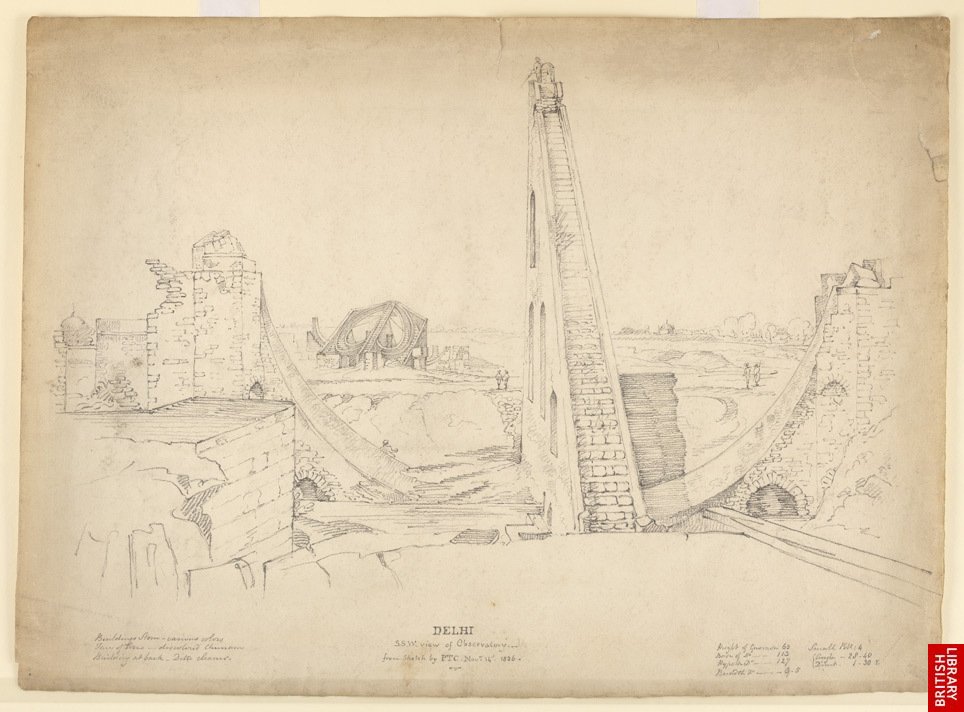
The Samrat Yantra, or the "Supreme Instrument," is the largest and most significant instrument at Jantar Mantar. It is a giant sundial with a 27-meter-high gnomon (the part of a sundial that casts the shadow) and a 15-meter-long hypotenuse. The Samrat Yantra can measure time to an accuracy of about two seconds and functions as an equal-hour sundial (India Today).
Jai Prakash Yantra
The Jai Prakash Yantra consists of two concave hemispherical structures with marked marble slabs. These instruments were used to determine the position of celestial objects (Cultural India).
Ram Yantra
The Ram Yantra consists of two cylindrical structures open to the sky, with a central pillar in each. These instruments were used to measure the altitude and azimuth of celestial objects (Live History India).
Misra Yantra
The Misra Yantra is a composite instrument consisting of five different instruments, each designed for specific astronomical measurements (India Today).
Decline and Restoration
Over the centuries, the Jantar Mantar observatory fell into disuse and disrepair. The advent of modern astronomical instruments and the decline of the Mughal Empire contributed to its neglect. However, in the early 20th century, the Archaeological Survey of India (ASI) undertook significant restoration work to preserve the site and its instruments. Today, Jantar Mantar is a protected monument and a popular tourist attraction (Archaeological Survey of India).
Visitor Information
Visiting Hours
Jantar Mantar is open to visitors every day from 6:00 AM to 6:00 PM. The best time to visit is during the early morning or late afternoon to avoid the midday heat.
Tickets
The entry fee for Jantar Mantar is nominal. For Indian citizens, the ticket price is INR 15, while for foreign nationals, it is INR 200. Children below the age of 15 can enter for free.
Travel Tips and Nearby Attractions
- How to Reach: Jantar Mantar is easily accessible by metro, with the nearest station being Patel Chowk on the Yellow Line. You can also reach by auto-rickshaw, taxi, or bus.
- Nearby Attractions: Combine your visit with nearby sites like India Gate, Humayun's Tomb, and Qutub Minar.
- Accessibility: The site is wheelchair accessible, and there are facilities for differently-abled visitors.
- Photography: Best times for photography are during sunrise and sunset.
Cultural and Scientific Impact
The construction of Jantar Mantar marked a significant period in Indian history where science and culture intersected. Jai Singh II's observatories played a crucial role in the development of Indian astronomy, contributing to more accurate astronomical tables and calendars (Britannica).
Modern Relevance
Today, Jantar Mantar stands as a symbol of India's rich scientific heritage and is a UNESCO World Heritage Site. The observatory continues to inspire scientists, historians, and tourists alike. Educational programs and guided tours are conducted to educate visitors about the history and functioning of the instruments (UNESCO).
FAQ
What are the visiting hours of Jantar Mantar? Jantar Mantar is open daily from 6:00 AM to 6:00 PM.
How much are the tickets for Jantar Mantar? The entry fee is INR 15 for Indian citizens and INR 200 for foreign nationals. Children below the age of 15 can enter for free.
What are the best times to visit Jantar Mantar? The best times to visit are during the early morning or late afternoon to avoid the midday heat.
Discover More
For more information on historical sites in New Delhi and to plan your visit, download our mobile app Audiala. Stay connected with us on social media for updates and exclusive content about India's rich cultural heritage.
Summary of Key Points
Jantar Mantar in New Delhi is a profound symbol of India's rich scientific and architectural heritage. Constructed by Maharaja Jai Singh II in 1724, this observatory showcases the ingenuity and advanced understanding of astronomy in 18th-century India. The instruments at Jantar Mantar, such as the Samrat Yantra and Jai Prakash Yantra, continue to fascinate and educate visitors about historical astronomical practices. Despite falling into disrepair over the centuries, significant restoration efforts by the Archaeological Survey of India have ensured that this monument remains a vital link to India's astronomical past (UNESCO). Today, Jantar Mantar stands as a UNESCO World Heritage Site, attracting scientists, historians, and tourists from around the globe. It serves not only as a historical site but also as a center for education and cultural enrichment, with various programs and guided tours aimed at enlightening visitors about its historical and scientific significance. Whether you're a history buff, a science enthusiast, or a curious traveler, Jantar Mantar offers a unique and enriching experience that bridges the gap between the past and the present (Archaeological Survey of India).
Tickets & tours.
These are guided options from our partners — same price as booking direct.
Prices are indicative — final pricing and availability are confirmed at checkout. Audiala may earn a commission from bookings made through these links.
Listen to the full story in the app
The whole Jantar Mantar,
told well.
Listen to sourced travel stories with local history and practical context — ready offline.
Verified, and shown.
Researched and written by the Audiala editorial team from historical records, architectural archives, and local expertise.
Retrieved from
Retrieved from
Built from cited sources · see the method · How we make our guides →