Plan and listen to Iron Pillar Of Delhi with Audiala.
Audio guide in your pocket, itinerary in your browser. Built for the way you actually visit.
Introduction
The Qutab Minar, a prominent symbol of Delhi's architectural grandeur, stands as a testament to India's rich historical tapestry. This UNESCO World Heritage Site, located in the Mehrauli area of New Delhi, is a must-visit destination for history enthusiasts, cultural explorers, and casual tourists alike. Standing at a staggering height of 72.5 meters (238 feet), it is the tallest brick minaret in the world and offers a captivating glimpse into India's medieval Islamic architecture (UNESCO).
Constructed in 1192 by Qutb-ud-din Aibak, the founder of the Mamluk Dynasty in India, the Qutab Minar commemorates his victory over the Rajput king, Prithviraj Chauhan. Over the years, subsequent rulers like Iltutmish and Firoz Shah Tughlaq contributed to its construction, adding layers of architectural beauty and historical significance (Archnet). Adorned with intricate carvings and inscriptions in Arabic and Nagari characters, the minar stands as a monumental symbol of the synthesis of Hindu and Islamic architectural styles.

History of Qutab Minar
Early Construction and Foundation
The Qutab Minar stands as a testament to the architectural prowess of the Delhi Sultanate. Its construction began in 1192 under the orders of Qutb-ud-din Aibak, the founder of the Mamluk Dynasty in India, to celebrate his victory over the Rajput king, Prithviraj Chauhan, marking the beginning of Muslim rule in India. The minar was intended to serve as a victory tower and a minaret for the muezzin to call the faithful to prayer at the adjacent Quwwat-ul-Islam Mosque, the first mosque built in Delhi after the Islamic conquest.
Architectural Evolution and Additions
The construction of Qutab Minar was not completed by Qutb-ud-din Aibak. His successor and son-in-law, Iltutmish, added three more stories to the structure in 1220. The minar was further enhanced by Firoz Shah Tughlaq in 1369, who added the fifth and final story after the original top was damaged by lightning. Each ruler's contribution is evident in the varying architectural styles and materials used in different sections of the minar.
Inspired by the Minaret of Jam in Afghanistan, the Qutab Minar reflects the influence of Persian architecture. Constructed from red sandstone and marble, the tower tapers from a diameter of 14.3 meters at the base to 2.7 meters at the top, with a spiral staircase of 379 steps leading to the summit.
Inscriptions and Decorative Elements
The Qutab Minar is adorned with intricate carvings and inscriptions in Arabic and Nagari characters. These inscriptions document the history of the minar's construction and the various restorations it underwent. Decorative elements include geometric patterns, floral motifs, and verses from the Quran, showcasing the artistic excellence of the craftsmen of that era.
Historical Significance
The Qutab Minar holds immense historical significance as it symbolizes the establishment of Muslim rule in India. It also represents the synthesis of Hindu and Islamic architectural styles, as evidenced by the use of spolia from Hindu and Jain temples in the construction of the Quwwat-ul-Islam Mosque. This amalgamation of styles reflects the cultural and religious diversity of the Indian subcontinent.
Restoration and Preservation Efforts
Over the centuries, the Qutab Minar has faced several natural calamities, including earthquakes and lightning strikes, which have caused damage to the structure. Significant restoration efforts were undertaken during the British colonial period in the 19th century. Major General Robert Smith, a British engineer, added a cupola to the top of the minar in 1828, which was later removed in 1848 due to its incongruity with the original design. The cupola now stands in the garden area of the Qutab complex.
In recent years, the Archaeological Survey of India (ASI) has undertaken extensive conservation efforts to preserve the minar and its surrounding structures. These efforts include structural stabilization, cleaning of the stone surfaces, and restoration of the intricate carvings and inscriptions.
The Qutab Complex
The Qutab Minar is part of a larger complex that includes several other historically significant structures. The Quwwat-ul-Islam Mosque, built by Qutb-ud-din Aibak, is one of the earliest examples of Islamic architecture in India. The mosque incorporates pillars and other architectural elements from 27 demolished Hindu and Jain temples, reflecting the cultural and religious transitions of the period.
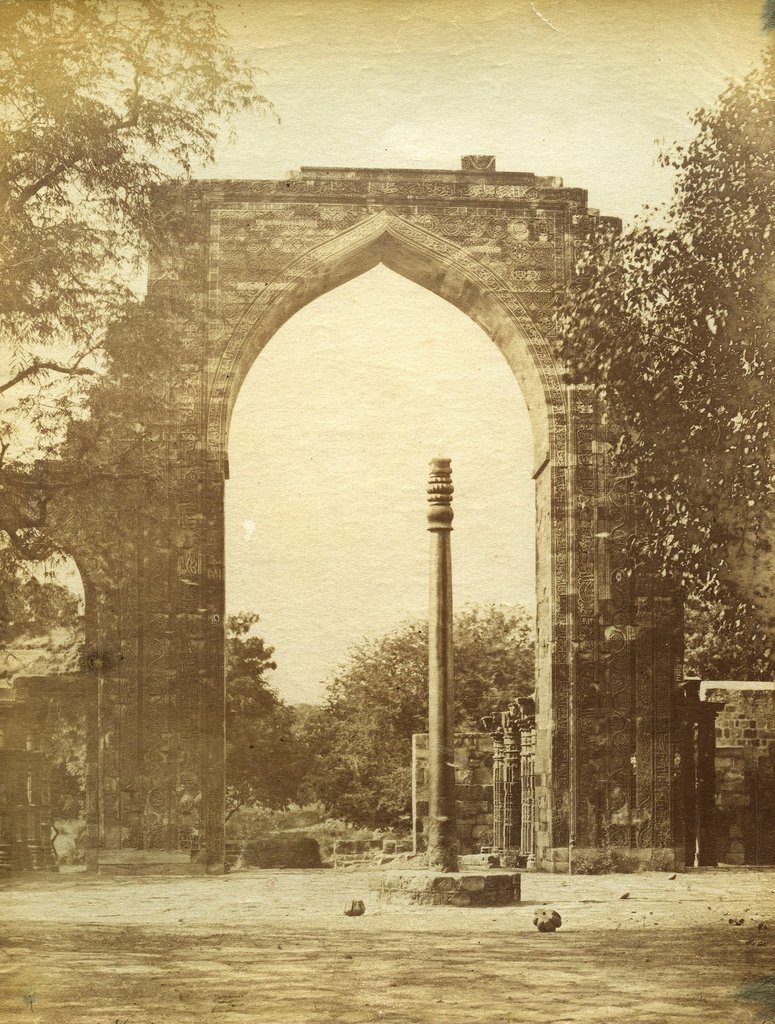
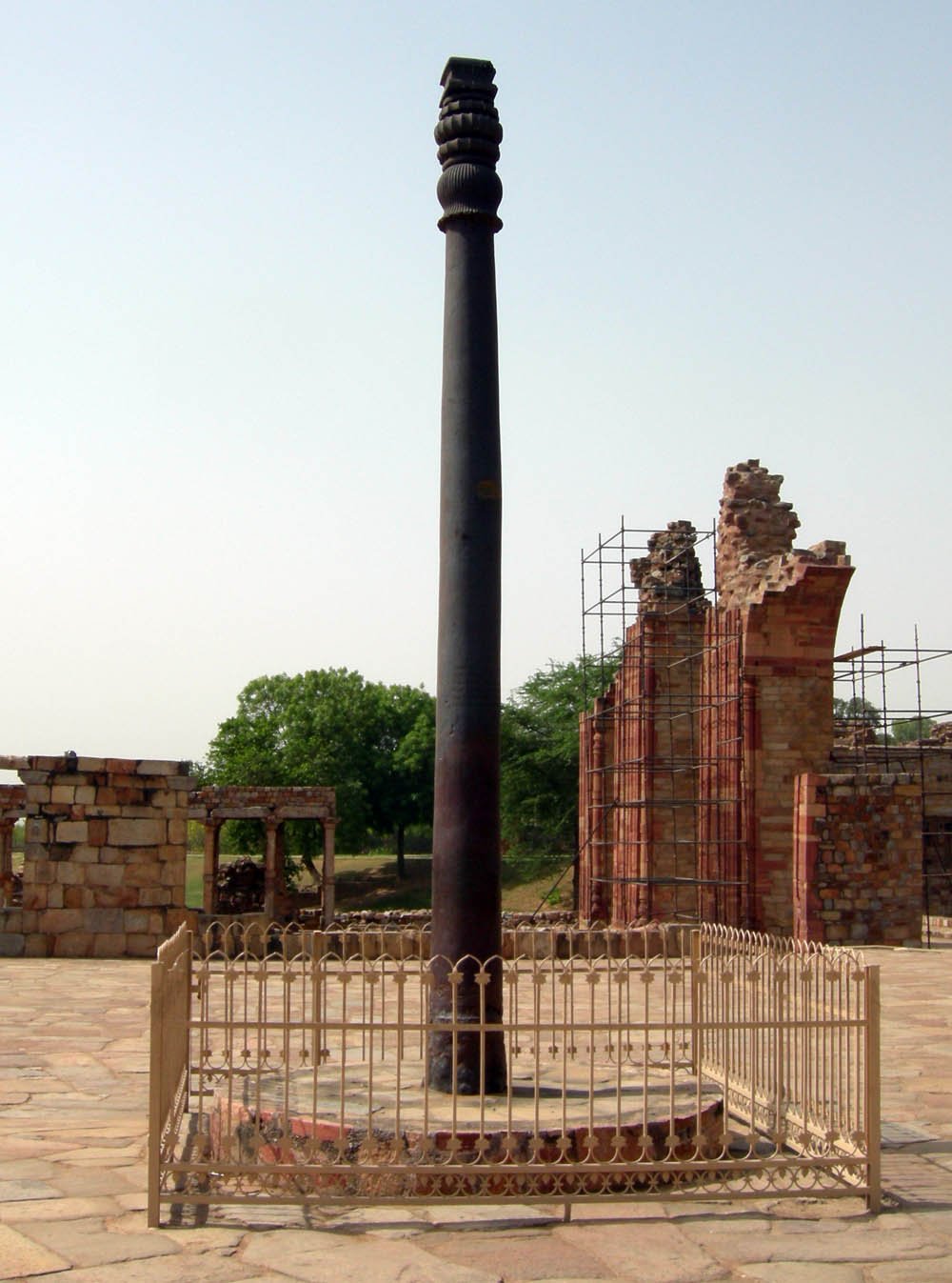
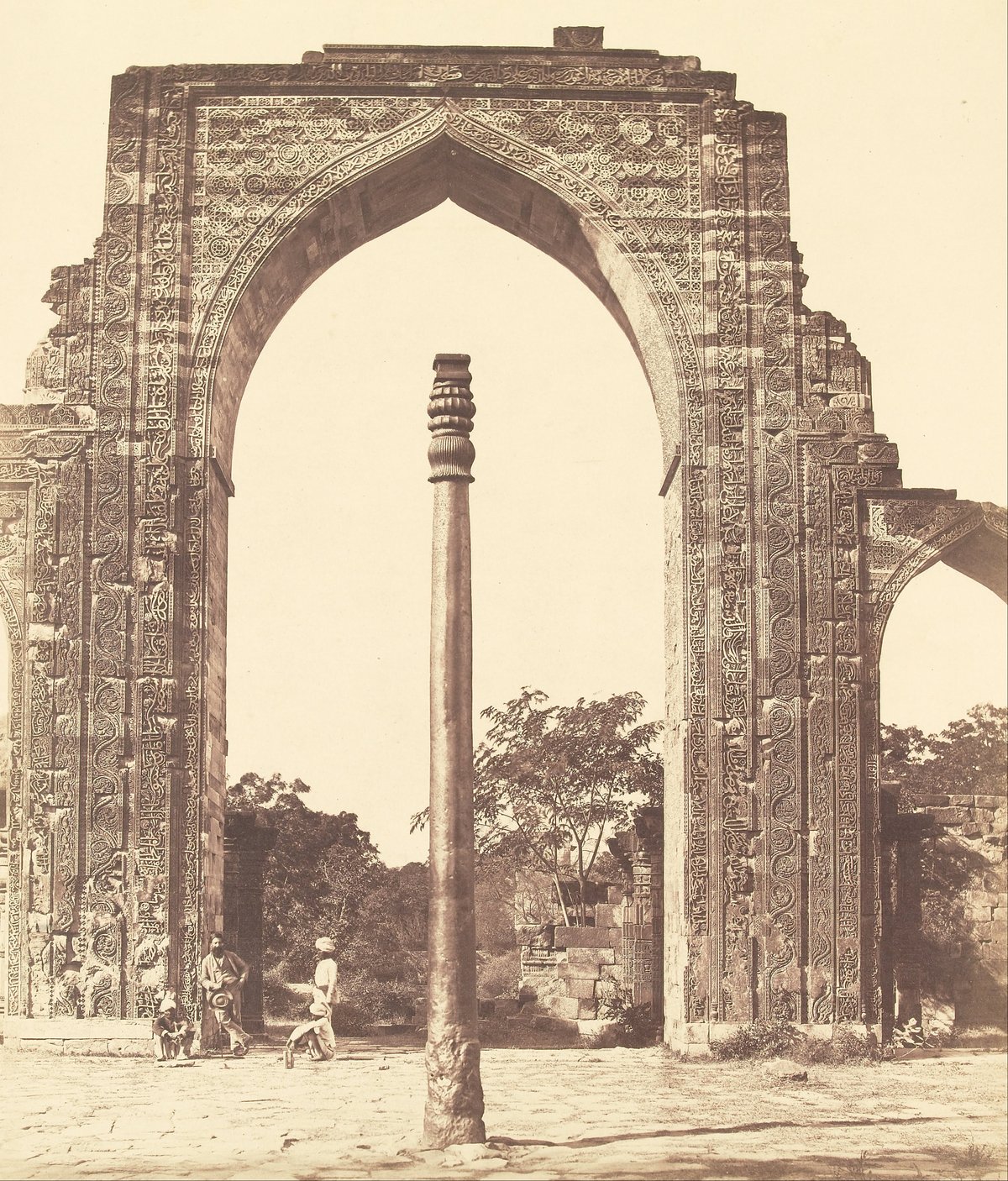
Another notable structure within the complex is the Iron Pillar, which predates the Qutab Minar by several centuries. The pillar, believed to have been erected during the reign of Chandragupta II (375-415 CE), is renowned for its rust-resistant composition and the Sanskrit inscription that records the achievements of the Gupta emperor.
Visitor Information
Visiting Hours and Ticket Prices
The Qutab Minar complex is open from sunrise to sunset. The best time to visit is during the early morning or late afternoon to avoid the midday heat. Ticket prices are as follows:
- Indian citizens: ₹40
- Foreign tourists: ₹600
- Children under 15: Free
For the most up-to-date information on visiting hours and ticket prices, please refer to the official Archaeological Survey of India website.
Travel Tips
Visitors should wear comfortable footwear, as the complex involves a fair amount of walking. It is also recommended to carry water and sun protection, especially during the summer months. Photography is allowed, and the site offers numerous opportunities for capturing stunning architectural details and panoramic views.
Guided Tours and Special Events
Guided tours are available and provide a deeper insight into the historical and architectural significance of the Qutab Minar and its surrounding structures. Special events, such as cultural performances and exhibitions, are occasionally held within the complex, offering a unique experience for visitors.
FAQs
What are the visiting hours for Qutab Minar?
The Qutab Minar complex is open from sunrise to sunset.
How much are the tickets for Qutab Minar?
Ticket prices are ₹40 for Indian citizens, ₹600 for foreign tourists, and free for children under 15.
What is the best time to visit Qutab Minar?
The best time to visit is during the early morning or late afternoon to avoid the midday heat.
Modern-Day Relevance
Today, the Qutab Minar stands as a prominent tourist attraction and a symbol of Delhi's rich historical heritage. It attracts millions of visitors annually, who come to marvel at its architectural grandeur and historical significance. The minar and its surrounding complex offer a glimpse into the architectural and cultural evolution of India over the centuries.
Listen to the full story in the app
The whole Iron Pillar Of Delhi,
told well.
Audio guides for 1,100+ cities across 96 countries. History, stories, and local insight — offline ready.
Verified, and shown.
Researched and written by the Audiala editorial team from historical records, architectural archives, and local expertise.
Researched from Wikidata, Wikipedia & official sources · fact-checked · How we make our guides →