Plan and listen to High Commission Of Pakistan, New Delhi with Audiala.
Audio guide in your pocket, itinerary in your browser. Built for the way you actually visit.
Introduction
The High Commission of Pakistan in New Delhi is a cornerstone of diplomatic engagement between India and Pakistan. Established in the aftermath of the 1947 Partition, it plays a pivotal role in fostering bilateral relations, facilitating trade, and providing essential consular services to Pakistani nationals and Indian visitors. Nestled within the prestigious Diplomatic Enclave of Chanakyapuri, the High Commission is notable not only for its diplomatic significance but also for its architecture, blending modern functional design with traditional motifs reflecting Pakistan’s heritage.
Due to the sensitive nature of India–Pakistan relations, public access to the High Commission is highly regulated. Entry is strictly by appointment for consular services or official matters, and visitors must adhere to stringent security protocols. While the High Commission does not offer tours for tourists, those with official business or seeking consular services—such as visa issuance or document attestation—can expect a structured, secure, and professional environment. The surrounding area also boasts some of Delhi’s most celebrated cultural and historical sites, making any trip to Chanakyapuri an enriching experience.
This guide provides a comprehensive overview of the High Commission’s history, function, architecture, consular services, visiting protocols, and nearby attractions. For the most current information and updates, refer to the official Pakistan High Commission website, EmbassyPages, and VisaHQ.
Historical Background
Diplomatic Genesis and Evolution
The High Commission was established shortly after the Partition of British India in 1947, formalizing diplomatic ties between the newly created states of India and Pakistan. Since then, it has played a central role in periods of both cooperation and tension, including landmark events like the Simla Agreement (1972) and Lahore Declaration (1999). The High Commission has long been a vital channel for dialogue, crisis management, and the provision of consular services (EmbassyPages).
Role in Bilateral Relations
Beyond managing routine diplomatic affairs, the High Commission facilitates trade, cultural exchanges, and the welfare of Pakistani nationals in India. Its role becomes especially prominent during periods of diplomatic crisis, such as border closures or the expulsion of diplomats, when it coordinates with Indian authorities and supports affected citizens (VisaHQ).
Architectural Significance
Design Philosophy
The High Commission’s architecture is a blend of modern functionality and traditional elements, with geometric motifs, arches, and design features inspired by Islamic and South Asian architecture. The building prioritizes security and administrative efficiency, while subtly reflecting Pakistan’s cultural heritage (Pakistaniat).
Setting within the Diplomatic Enclave
Located in the serene, secure expanse of Chanakyapuri, the High Commission is part of a cluster of international missions that give the area its cosmopolitan character (Delhi Tourism).
Diplomatic Role and Staffing
Representation and Bilateral Engagement
As Pakistan’s principal diplomatic mission in India, the High Commission is the focal point for official communication, negotiations, and cultural outreach. It manages a range of diplomatic issues, from security and trade to humanitarian matters, and hosts events that encourage dialogue and people-to-people contact (BTW Visas).
Staffing and Protocol
Diplomatic staff, including the High Commissioner, Deputy High Commissioner, and specialized attachés, work in areas such as political affairs, defense, culture, and economics. As of 2025, staff numbers are capped due to reciprocal diplomatic measures (News18). The High Commission hosts national day celebrations and cultural events, serving as a venue for soft diplomacy.
Crisis Management
In times of diplomatic tension, such as the suspension of treaties or border closures, the High Commission is instrumental in coordinating communication, issuing demarches, and ensuring the safety of Pakistani nationals in India.
Consular Services
Visa Services
The High Commission processes a range of visas for Indian citizens and residents planning to travel to Pakistan:
- Tourist Visas: Require an invitation letter from a Pakistani host or agency (Lonely Planet).
- Business Visas: Require supporting business documentation.
- Student Visas: Proof of admission to a recognized Pakistani institution.
- Family Visit Visas: For visiting relatives, with supporting documentation.
Visa applications must include a completed form, valid passport (minimum six months validity), photographs, proof of accommodation, and the relevant visa fee. Processing times vary from 2–3 weeks up to 3 months, especially during periods of high demand or diplomatic tension (Travel Pakistani).
Passport and National Registration
Pakistani nationals in India can access:
- Passport renewal or replacement
- National Identity Card for Overseas Pakistanis (NICOP) services
- Registration of births, deaths, and marriages for legal recognition (BTW Visas)
Attestation and Legalization
The High Commission attests educational, legal, and commercial documents for use in Pakistan.
Emergency Assistance
Consular staff provide emergency support to Pakistani nationals facing arrest, hospitalization, or other crises, coordinating with Indian authorities as needed (News18).
Visiting Information & Procedures
Location and Accessibility
- Address: No. 4/50, Shantipath, Chanakyapuri, New Delhi
- Metro Access: Dhaula Kuan or Khan Market stations
- Transport: Accessible by taxi or auto-rickshaw
Operating Hours
- Consular Services: Monday to Friday, 9:30 AM – 1:30 PM
- Visa Submissions: Monday to Friday, 10:00 AM – 12:30 PM
- Closed: Indian and Pakistani public holidays (check official website for updates)
Appointments
All visits require a confirmed appointment. Walk-ins are not accepted. Book via the official website or by email.
Fees and Payment
Visa and consular service fees must be paid in Indian Rupees via specified channels. Confirm current charges on the official website before your visit.
Security Protocols and Safety
Entry Requirements
- Carry valid government-issued ID (passport, Aadhaar card)
- Bring appointment confirmation and all necessary original documents plus photocopies
- All visitors and belongings are subject to screening
Conduct
- Formal or smart-casual attire is required
- Photography is strictly prohibited within and around the premises
- Maintain decorum and follow all instructions from security staff
Public Holidays and Closures
The High Commission observes major Pakistani and select Indian public holidays, including Eid-ul-Fitr, Eid-ul-Azha, Pakistan Independence Day, Ashura, and India’s Republic Day.
Emergency Protocols
In case of an emergency, follow instructions from staff. Evacuation routes and medical support are available.
Community Engagement and Cultural Events
The High Commission organizes limited community events, such as National Day celebrations and cultural observances like Eid and Ramadan. Attendance is by invitation, typically extended to the diplomatic community and select members of the diaspora. For details, contact the cultural affairs office.
Nearby Attractions
While the High Commission itself is not open for public tours, the surrounding Diplomatic Enclave offers several attractions:
- Lodhi Gardens: Historic gardens with 15th-century tombs, ideal for relaxation and photography.
- Khan Market: Popular shopping and dining destination.
- India Gate & Rajpath: Iconic war memorial, excellent for sightseeing.
- Dilli Haat: Open-air craft bazaar with regional handicrafts and cuisine.
- National Museum & National Gallery of Modern Art: Rich collections of Indian art and history.
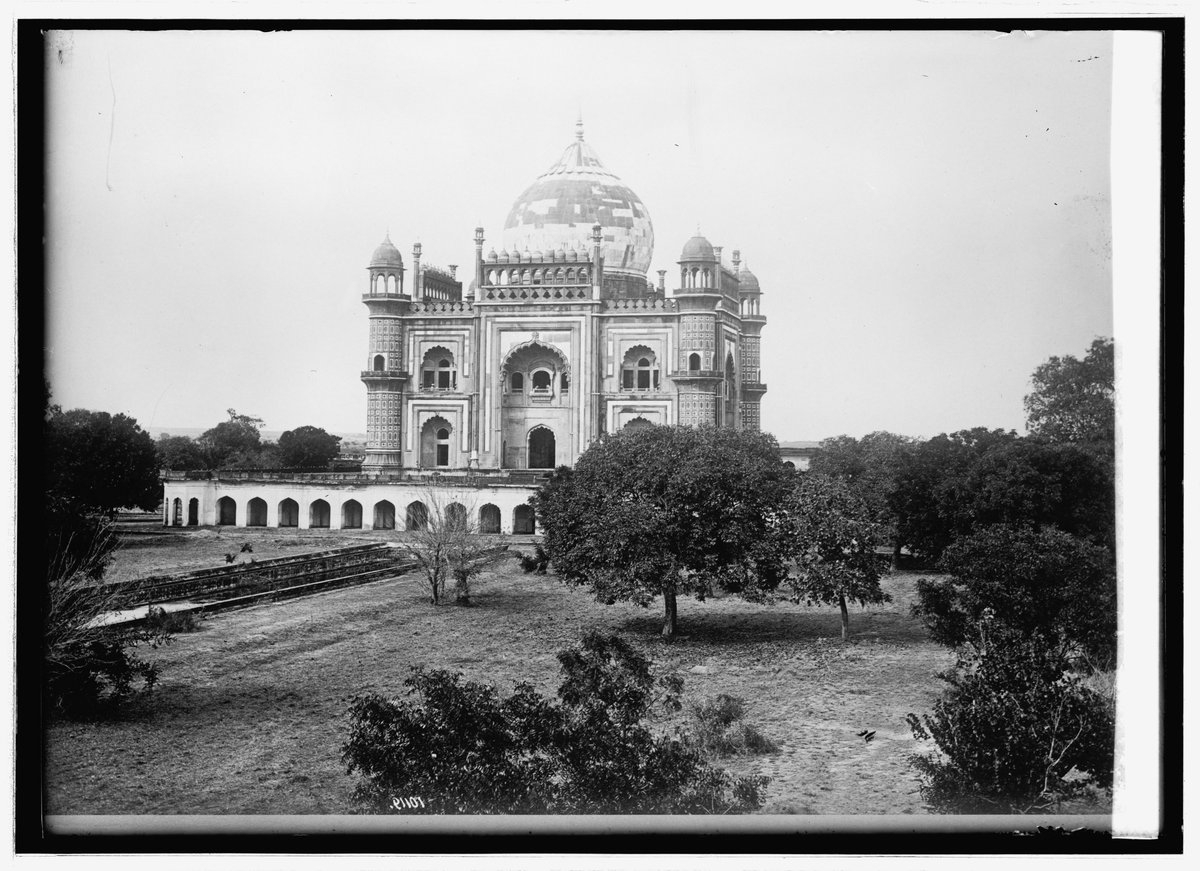
- Safdarjung Tomb: Striking Mughal-era monument.
- Sunder Nursery: Heritage park with gardens and historic structures.
Accessibility and Transport
Chanakyapuri is easily accessible by metro, taxi, or app-based ride services. If you require special assistance, notify the High Commission in advance.
Dining Options
The area features a mix of fine dining and casual eateries, including The Lodhi, Olive Bar & Kitchen, and numerous cafés in Khan Market.
Frequently Asked Questions (FAQ)
Q: Can I visit the High Commission for a tour?
A: No. Only those with appointments for consular services or official business are allowed entry.
Q: What are the High Commission’s operating hours?
A: Monday to Friday, 9:30 AM – 1:30 PM for consular services. Closed on public holidays.
Q: How do I apply for a visa to Pakistan?
A: Submit your application by appointment during visa hours. Check the official website for full requirements.
Q: Are there public events I can attend?
A: Attendance at cultural events is by invitation only.
Q: Is photography allowed?
A: No, photography is strictly prohibited.
- Exterior of the High Commission building (High Commission of Pakistan building in Chanakyapuri)
- Map of Chanakyapuri showing the High Commission’s location (Map of the Diplomatic Enclave, New Delhi)
- Lodhi Gardens tombs and greenery (Historic tombs in Lodhi Gardens, New Delhi)
- India Gate at night (India Gate monument, New Delhi)
- Khan Market street scene (Khan Market shopping area)
Listen to the full story in the app
The whole High Commission Of Pakistan, New Delhi,
told well.
Listen to sourced travel stories with local history and practical context — ready offline.

Verified, and shown.
Researched and written by the Audiala editorial team from historical records, architectural archives, and local expertise.
Built from cited sources · see the method · How we make our guides →