An introduction.
Researched by the Audiala editorial team from historical records, architectural archives, and local expertise.
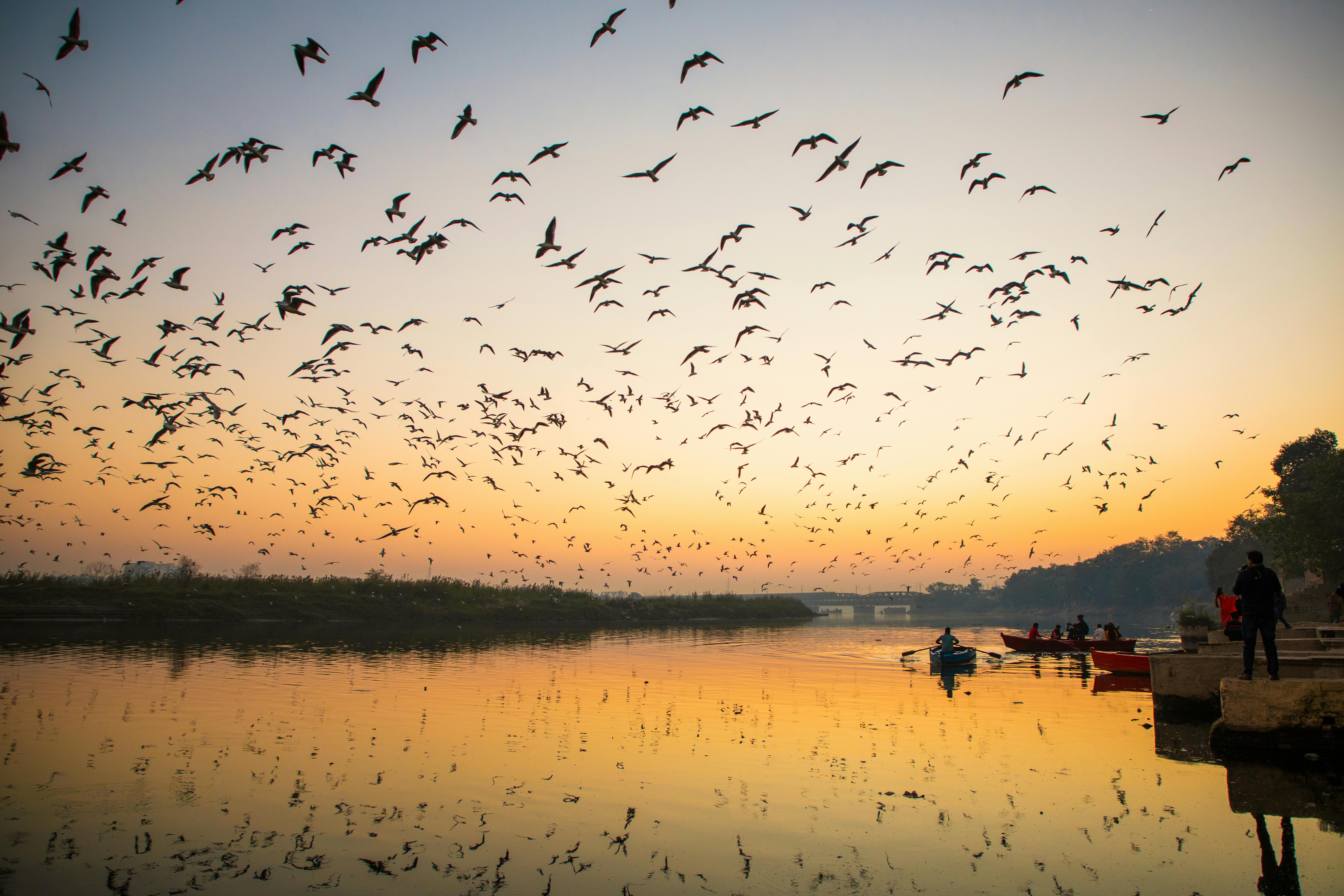
EEvery winter morning, thousands of gulls descend on the stone steps of Yamuna Ghat in New Delhi, India, turning the riverbank into a screaming white cloud above dark water. This is not a polished monument or a curated heritage site — it's the fraying edge where Old Delhi's walled city still meets the river that made it possible. The light at dawn, the smoke of riverside rituals, the smell of a polluted river mixing with incense: this is Delhi before anyone cleaned it up for you.
The ghat sits near Kashmere Gate in Old Delhi, part of a chain of 32 riverfront steps that once defined Shahjahanabad's eastern boundary. Most have vanished — buried under Ring Road embankments, swallowed by shifting river channels, forgotten. What remains is a narrow strip of crumbling masonry, painted boats, and improvised shrines where priests still conduct morning prayers.
The Yamuna here is not the pristine river of devotional songs. It's polluted, sluggish, and in monsoon season, dangerous enough to flood the homes of families who live along its banks. But that tension — sacred yet neglected — is what makes the place worth seeing.
A restoration project led by INTACH and the Delhi Development Authority has been working since 2021 to excavate and rebuild sections of the old ghats. The work is slow, underfunded, and far from complete. Visiting now puts you at a rare moment: the brief window when a forgotten piece of the city is being rediscovered, one sandstone step at a time.
01 What to see.
The Stepped Ghats at Yamuna Bazaar
The Boat Landings
The Dawn Hour
02 In pictures.

Plan and listen to Daryaganj with Audiala.
Audio guide in your pocket, itinerary in your browser. Built for the way you actually visit.
03 Visitor logistics.
The practical scaffolding for a good visit — kept short.
Getting There
Kashmere Gate Metro (Yellow Line) drops you roughly 800 meters west — about a 10-minute walk through Yamuna Bazaar's narrow lanes. By car, approach via Ring Road and look for the Nigambodh Ghat turnoff; parking is informal and limited, so autos or cycle-rickshaws from the metro are the smarter call. The Red Fort is barely a kilometer south along the river, making it easy to combine the two on foot.
Opening Hours
As of 2026, Yamuna Ghat operates as an open-access riverfront with no gates, no tickets, and no official closing time. Priests and boatmen are active from dawn until mid-morning; by afternoon the ghats quiet down considerably. There's no government visitor center or formal entry point — you simply walk down the steps to the river.
Time Needed
A focused walk along the stepped ghats and a few minutes watching the boats and rituals takes 30–45 minutes. If you want to linger for sunrise photography or wander into the lanes of Yamuna Bazaar behind the ghats, budget 1.5 to 2 hours. This isn't a place with exhibits or a prescribed route — it rewards patience more than speed.
Accessibility
The old stone steps are uneven, crumbling in places, and often slippery with river silt — wheelchair access is effectively nonexistent. During and after monsoon season the lower steps may be submerged or coated in mud. Even able-bodied visitors should wear shoes with grip; sandals on wet ghat stone are a recipe for trouble.
04 Tips for visitors.
Small things that change the day.
Come at Dawn
Winter mornings between November and February are when Yamuna Ghat earns its reputation — pale fog lifts off the water, hundreds of gulls wheel overhead, and the low sun turns the smoke from ritual fires golden. By 9 a.m. the light flattens and the atmosphere shifts from atmospheric to merely dusty.
Dress for a Temple
The ghats are active ritual space — cremations at nearby Nigambodh, prayer ceremonies along the steps, offerings launched into the current. Cover your shoulders and knees, and be prepared to remove shoes if you step onto any of the small shrine platforms near the water's edge.
Ask Before Shooting
Cremation rites at the adjacent Nigambodh Ghat are absolutely off-limits for photography — this isn't negotiable. Along the Yamuna Bazaar ghats, boatmen and flower sellers are generally open to being photographed but ask first; a nod costs nothing and avoids a confrontation.
Watch the Water Level
The Yamuna floods hard during monsoon, and in recent years has breached 45-year records, submerging the lower ghats entirely. Between July and September, check local news before visiting — entire sections can disappear under brown water overnight. The 2023 and 2025 floods displaced families living along these steps.
Eat in Old Delhi
Skip anything sold at the ghat itself. Walk 15 minutes south into Chandni Chowk for some of Delhi's best street food — Paranthe Wali Gali for stuffed parathas at budget prices, or Karim's near Jama Masjid for Mughlai meat dishes that have been served since 1913. Both are under ₹300 per person.
Pair with Red Fort
The Red Fort complex sits barely a kilometer south along the same riverbank — the Yamuna once lapped at its eastern walls. Visiting both in one morning gives you the full arc: Mughal imperial ambition above, the river life it depended on below. Start at the ghat for sunrise, then walk to the fort when it opens at 9:30 a.m.
Where to Eat
Don't Leave Without Trying
Hemant tea stall
quick biteOrder: Strong, milky chai with a hint of cardamom; order it early morning (opens at 5 AM) when the ghat is quietest and most atmospheric. The tea here is what locals drink, not what tourists expect.
This is the real deal — a proper tea stall that's been fueling Yamuna Ghat walkers and locals since before 'cafe culture' existed. With 90 reviews and a 4.8 rating, it's clearly where people actually go, not where guidebooks send them.
Nutribay Cafe
cafeOrder: Fresh-pressed juices, smoothie bowls, and whole-grain breakfast items — this place takes nutrition seriously without being preachy. The coffee is reliable and the vibe is calm.
Located near Hanuman Mandir on M.G. Road, it bridges the gap between Old Delhi's chaos and the quieter Yamuna Ghat zone. A solid morning stop if you want something a step above chai and want to sit down properly.
Yamuna ghat tea shop
quick biteOrder: Tea or coffee — keep it simple here. This is a no-frills spot where the point is the location and the ritual, not an elaborate menu.
The name says it all: this is literally at Yamuna Ghat, near Kashmere Gate. It's tiny, it's basic, and it's exactly what you want when you're standing by the river at sunrise or sunset with a cup in hand.
Dining Tips
- check Hemant tea stall opens at 5 AM — go early if you want the quietest, most authentic ghat experience before crowds arrive.
- check Recent Delhi High Court action against some cafes in the broader Majnu Ka Tila area (December 2025–January 2026) may affect hours and operations in the wider neighborhood; call ahead if visiting lesser-known spots.
- check The three verified restaurants here are all casual, cash-friendly spots. Bring small notes.
- check Yamuna Ghat is most atmospheric at dawn or dusk — time your tea or coffee visit accordingly for the best experience.
Restaurant data powered by Google
05 Thirty-Two Steps Down to the Yamuna
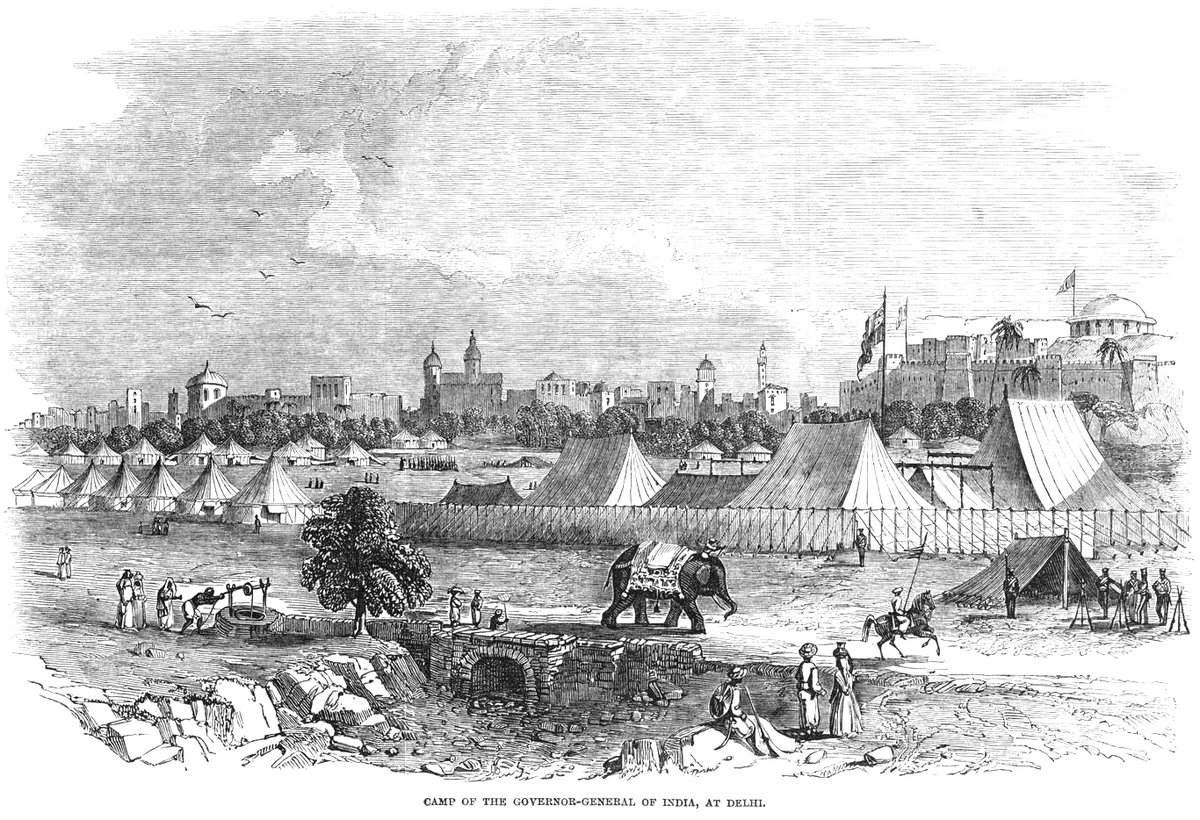
Delhi has been built, sacked, and rebuilt at least seven times, and each iteration left the Yamuna a little more neglected. The Mughal city of Shahjahanabad, founded by Shah Jahan in 1638, once pressed right against the river's western bank, with a chain of ghats connecting the walled city to the water. Ritual bathing, trade, cremation, daily washing — all happened on those steps.
By the 20th century, most of that riverfront had disappeared. The Ring Road sliced through the old ghat line, the river shifted east, and some Mughal-era steps ended up buried underground. What survived clustered around Yamuna Bazaar and Nigambodh Ghat — a few hundred meters of stone that locals kept using even as the city forgot they existed.
Divay Gupta and the Ghats Buried in Sand
In 2021, conservation architect Divay Gupta of INTACH led a survey team along the Yamuna Bazaar riverfront and found something that shouldn't have surprised anyone but did: intact ghat steps buried under decades of river sand and urban debris. The old stone infrastructure — likely dating from the mid-19th century to the 1940s — had simply been covered over. Not destroyed. Forgotten.
INTACH's proposal to the Delhi Development Authority called for restoring a 7-kilometer stretch of riverfront — farther than most tourists walk in an entire day of sightseeing — from Wazirabad in the north to ITO Bridge in the south. The DDA approved the plan in November 2021, and work began at Qudsia Ghat as a pilot, with the broader Yamuna Bazaar ghats mapped for phased restoration.
The project remains unfinished. Monsoon floods in 2023 breached a 45-year high-water record, submerging the very ghats that restoration teams had been excavating. Gupta's team found themselves caught in a cycle familiar to anyone who works on Delhi's riverfront: dig, restore, watch the river take it back, begin again.
Shahjahanabad's Lost Waterfront
Living on the Floodplain
Listen to the full story in the app
The whole Daryaganj,
told well.
Listen to sourced travel stories with local history and practical context — ready offline.
06 Frequently asked.
The questions travellers send us most about Daryaganj.
Is Yamuna Ghat worth visiting?
Yes, if you want to see Delhi's relationship with its river rather than its monuments. The old Yamuna Bazaar ghats — crumbling stone steps, painted wooden boats, priests maintaining daily rituals beside one of the world's most polluted rivers — show you something no museum reconstructs. Skip it if you want polished heritage; come if you want the real thing.
How long do you need at Yamuna Ghat?
One to two hours covers a full visit, though winter mornings at sunrise can stretch that considerably. There's no set route, no ticketed interior — you arrive, walk the steps, watch what happens on the water, and leave when ready. The ritual activity peaks around sunrise; by mid-morning the light is ordinary and the atmosphere thins.
What is the best time to visit Yamuna Ghat in Delhi?
Early morning between October and February, at or just before sunrise. Winter fog sits low over the Yamuna, gulls wheel overhead, and priests light incense while boatmen push off into pale light — a combination that simply doesn't exist in summer. Monsoon season (June to September) brings real flood risk; the 2023 floods broke a 45-year record and forced evacuations around Yamuna Bazaar.
Is Yamuna Ghat free to visit?
Yes — free entry, no ticket, open access at all hours. This is a working riverfront, not a ticketed monument. Boat rides on the Yamuna are available for a small negotiated fee, but the steps and ghat area itself cost nothing.
What happened to the original ghats at Yamuna Bazaar?
Several were buried under river sand and forgotten; ghat structures were rediscovered beneath the riverbed during excavations in 2021. INTACH's survey identified around 32 old ghats along this stretch that had silted over or been obscured over the decades. What survives today dates roughly from the mid-19th century through the 1940s; the older Mughal-era originals may lie under Ring Road or have shifted as the river changed course.
Is Yamuna Ghat safe to visit?
Generally safe during daylight hours, but the area floods during monsoon season and access is sometimes cut off entirely. The 2023 Yamuna floods broke a 45-year record, submerging low-lying areas around Yamuna Bazaar and forcing resident evacuations. Check river levels if visiting between June and September.
What restoration work is happening at Yamuna Ghat?
A restoration plan covering a 7-kilometre stretch of riverfront — roughly a two-hour walk end to end — was approved in November 2021, with INTACH leading the heritage assessment and Delhi's DDA managing construction. The partnership began with a pilot at Qudsia Ghat, using red sandstone steps and shaded structures inspired by Mughal garden forms. As of early 2026, the old Yamuna Bazaar ghats remain largely unrestored — which, depending on your preferences, is either a disappointment or exactly the point.
How close is Yamuna Ghat to the Red Fort?
The Yamuna Bazaar ghats sit roughly 1.5 kilometres from the Red Fort — less than a 20-minute walk along the river road. The Red Fort Complex was inscribed as a UNESCO World Heritage Site in 2007 and faces this same stretch of river. Salimgarh Fort, built in 1546, stands between the two; these ghats were historically the river access point for the entire Shahjahanabad quarter.
Verified, and shown.
Researched and written by the Audiala editorial team from historical records, architectural archives, and local expertise.
UNESCO listing for the Red Fort Complex (inscribed 2007), including Salimgarh Fort dating and context for the Yamuna riverfront heritage zone.
INTACH project page covering the DDA-INTACH MoU (September 2021), the Qudsia Ghat pilot restoration, and heritage assessment of the Yamuna Bazaar ghat cluster.
Reports on 2021 excavations revealing buried ghat structures under river sand, and INTACH's cautious dating of surviving ghats to mid-19th century through 1940s.
Feature on the Yamuna Bazaar ghat community — priests, boatmen, and residents — with sensory and human detail about the site's character.
November 2021 reporting on DDA approval for the 7-kilometre restoration stretch and the 32-ghat restoration plan.
Confirms November 2021 DDA approval for Yamuna ghat restoration, corroborating Hindustan Times reporting on the 7-kilometre plan.
2023 flood coverage documenting the 45-year record flood impact on Yamuna Bazaar ghat residents.
2025 flood reporting on Yamuna Bazaar area evacuations, establishing ongoing monsoon flood risk at the ghats.
Feature on the people and rituals at the Yamuna ghats, providing sensory and human context for the site.
Visitor-oriented description of the ghat's atmosphere, physical character, and open-access nature.
August 2025 reporting on the Maa Yamuna statue unveiling near Nigambodh/Vasudev Ghat — nearby context for recent riverfront development.
Corroborates August 2025 statue unveiling and Yamuna floodplain restoration context near Nigambodh Ghat.
Built from cited sources · see the method · How we make our guides →