Plan and listen to 7, Lok Kalyan Marg with Audiala.
Audio guide in your pocket, itinerary in your browser. Built for the way you actually visit.
Introduction
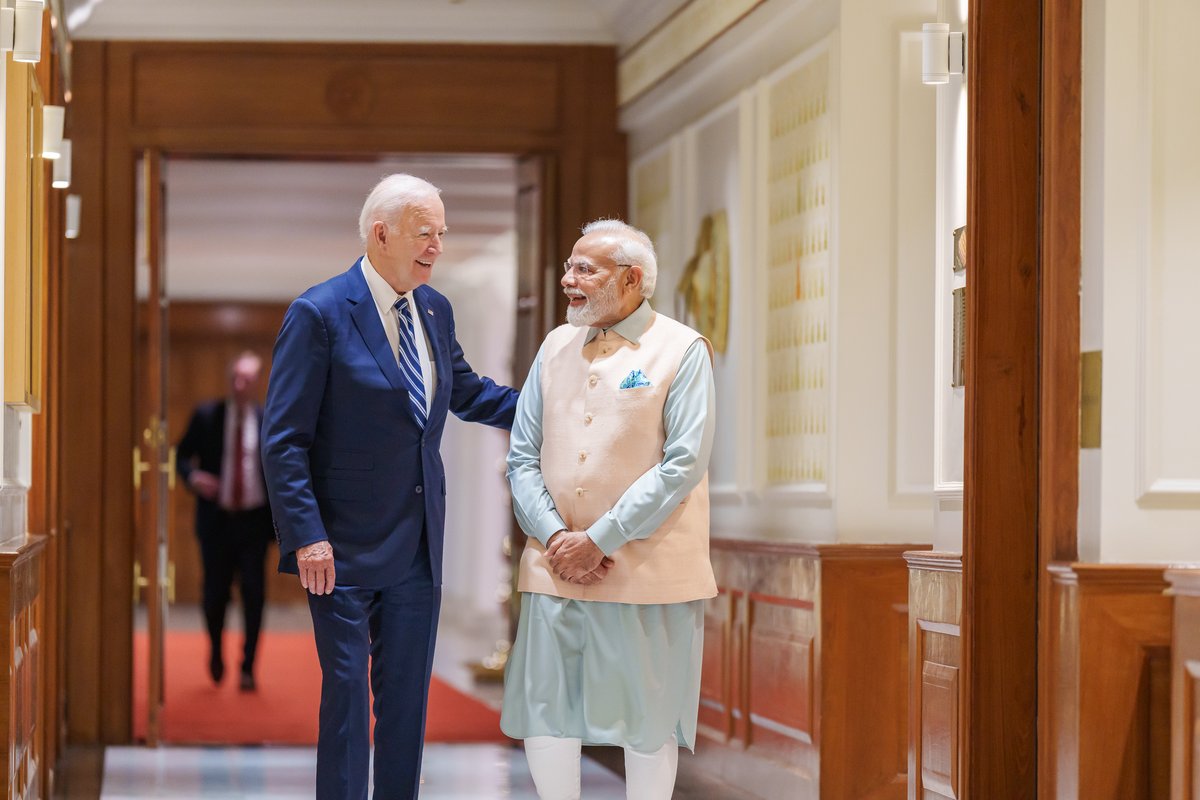
7 Lok Kalyan Marg, formerly known as 7 Race Course Road, is among the most renowned political addresses in India, serving as the official residence and workplace of the Prime Minister. Nestled in the heart of Lutyens’ Delhi—a district famed for its colonial architecture and leafy boulevards—this estate stands as a testament to India’s democratic heritage and executive power. While public entry is strictly forbidden due to high security, 7 Lok Kalyan Marg captivates both locals and travelers with its architectural, historical, and political significance. This guide provides a comprehensive overview of the estate’s history, architectural highlights, security infrastructure, and practical tips for exploring the surrounding area. (Wikipedia, Bharat Directory, Hindustan Times)

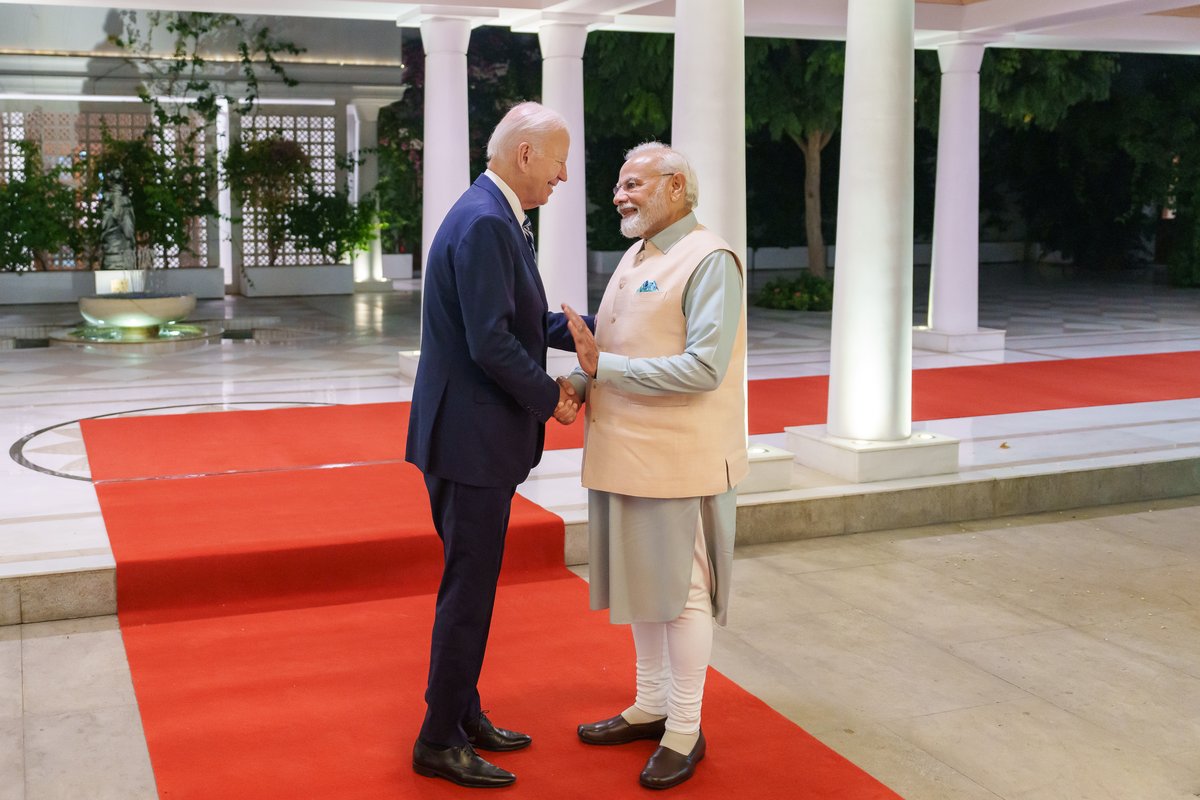
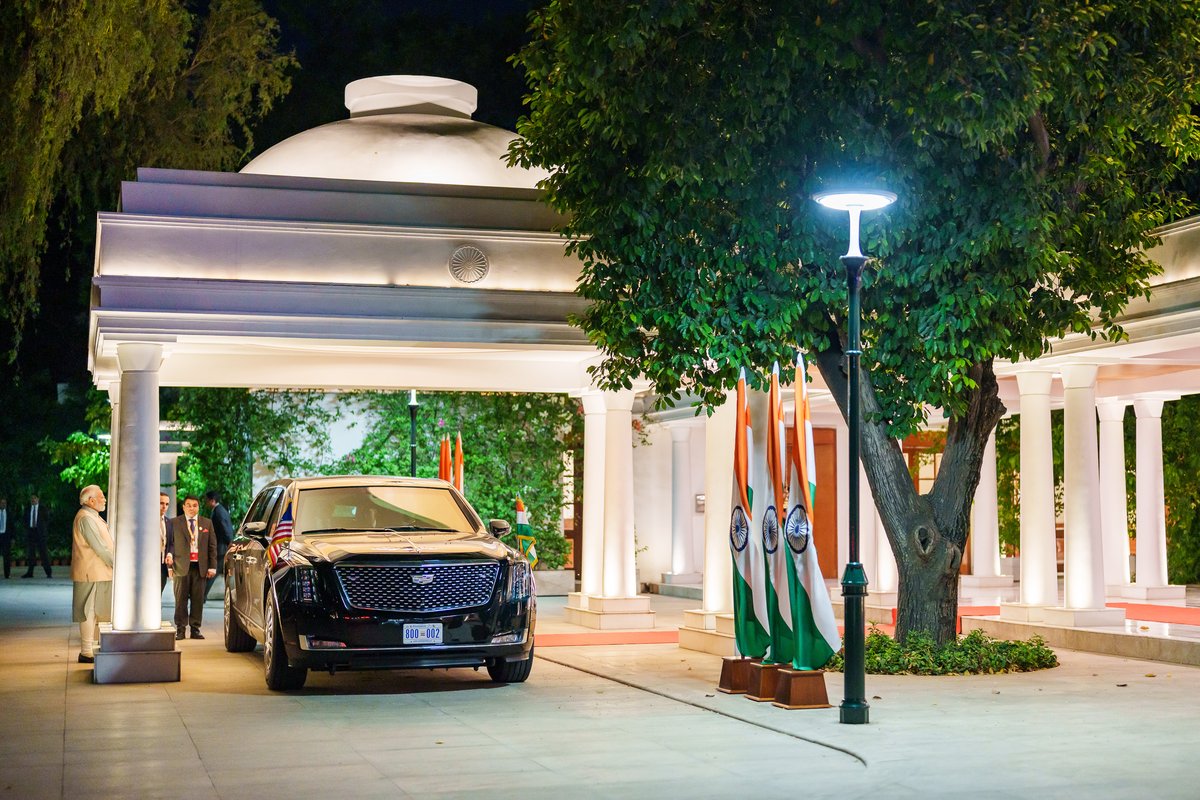
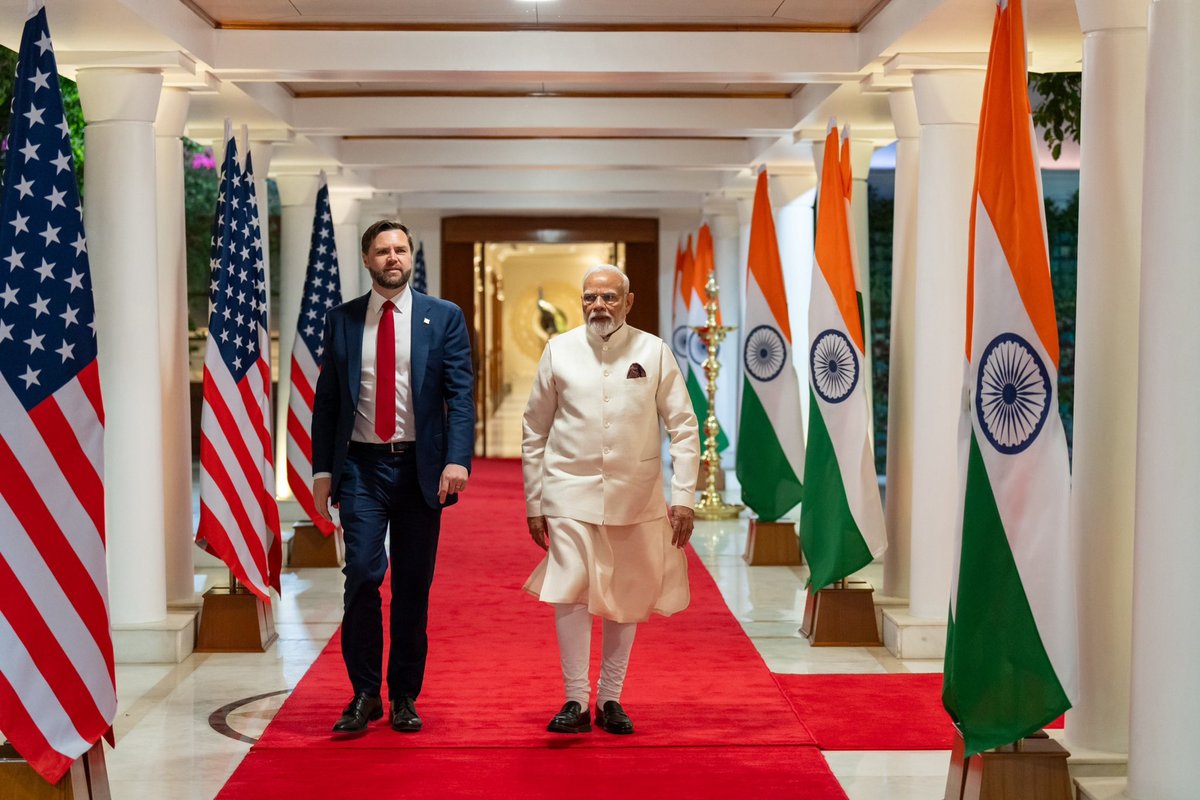
Historical Background and Architectural Significance
Colonial Origins and Lutyens’ Delhi
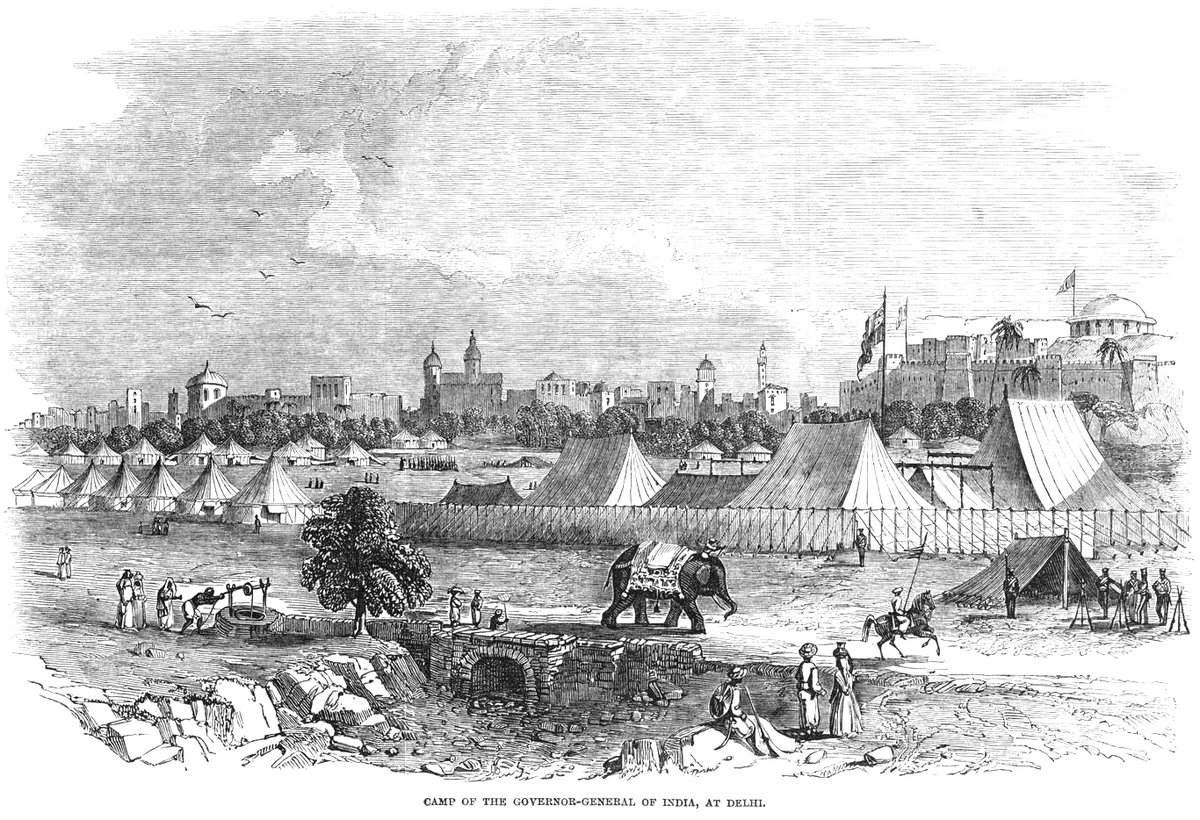
The roots of 7 Lok Kalyan Marg trace back to the 1920s and 1930s, when Lutyens’ Delhi was envisioned as the administrative core of British India. Designed by Sir Edwin Lutyens and associates, the area features stately bungalows and avenues blending British neoclassical and Indo-European styles. The bungalows that comprise the Prime Minister’s residence were crafted with symmetry, understated elegance, and functional layouts suited to the Indian climate. (Wikipedia)
Transition to Prime Ministerial Residence
Post-independence, India’s Prime Ministers resided in various official accommodations. In 1984, Rajiv Gandhi became the first Prime Minister to move into 7 Lok Kalyan Marg, which was subsequently formalized as the permanent Prime Ministerial residence in 1990. This shift was prompted by heightened security concerns and the need for a dedicated, secure executive estate. (Jagran Josh)
Renaming and Modern Identity
In 2016, the address was officially renamed from 7 Race Course Road to 7 Lok Kalyan Marg as part of a broader initiative to shed colonial-era nomenclature and reinforce national values. The renaming resonated with India’s evolving identity and commitment to public welfare. (Hindustan Times)
Architectural Highlights
The Panchavati Complex
Unlike a single mansion, 7 Lok Kalyan Marg consists of five bungalows—numbers 1, 3, 5, 7, and 9—spanning approximately 12 acres. Known as “Panchavati,” each bungalow serves a dedicated function:
- Bungalow 7: Prime Minister’s main office and meeting venue
- Bungalow 5: Private residential quarters
- Bungalow 3: Used by former Prime Ministers and their families
- Bungalow 1: Houses the helipad for official travel
- Bungalow 9: Accommodates the Special Protection Group (SPG) (Vedantu)
Design and Environment
The estate’s architecture combines neoclassical forms with Indian motifs, featuring colonnaded verandahs, high ceilings, and large windows for ventilation. Expansive green lawns, indigenous trees like Gulmohar and Arjuna, and curated gardens contribute to a serene atmosphere. Interiors are elegantly simple, displaying art from the National Gallery of Modern Art. (Jagran Josh)
Security and Infrastructure
The campus is fortified with advanced security infrastructure. A no-fly zone is enforced, and a 1.5–2 km underground tunnel links the estate to Safdarjung Airport for emergency evacuation. Surveillance, high walls, and restricted entry points ensure uncompromising safety. (Bricksnwall)
Visiting 7 Lok Kalyan Marg: Visitor Information
Public Access and Travel Tips
- No Public Entry: The estate is not open for public visits, tours, or events. There are no visiting hours or ticketing options.
- Viewing: Visitors may see the exterior gates and signage from Lok Kalyan Marg, but must respect all security barriers and avoid photography.
- Transport: The nearest metro stop is Lok Kalyan Marg (Yellow Line). Taxis and auto-rickshaws are available, but expect security checks and restricted access on the road.
- Identification: Carry valid ID when visiting the vicinity, especially if attending meetings nearby.
Nearby Attractions
Since entry to 7 Lok Kalyan Marg is restricted, consider exploring these prominent sites:
- India Gate: Iconic war memorial, ~2 km away
- Rashtrapati Bhavan: Presidential residence with seasonal garden access
- National Gallery of Modern Art: Collection of Indian contemporary art
- Teen Murti Bhavan: Former Prime Minister Nehru’s residence and museum
- Lodhi Gardens: Historic park with tombs and green spaces (TravelTriangle)
- Nehru Park: Popular for cultural events (Thrillophilia)
- Khan Market: Upscale shopping and dining
- Dilli Haat: Open-air handicrafts and food market (Delhi Tourism)
Security Infrastructure and Protocols
7 Lok Kalyan Marg operates under India’s highest security protocols:
- Special Protection Group (SPG): Primary security force, with CRPF and Delhi Police support (Everipedia)
- Access Control: Single entry with multi-layered ID checks; all vehicles and personnel are screened
- Surveillance: Continuous monitoring, high concrete walls, and watchtowers; adjacent buildings provide additional vantage points
- No-Fly Zone: Strictly enforced aerial restrictions
- Emergency Readiness: On-site medical staff, ambulances, and an emergency tunnel for rapid evacuation
- Staff Security: All support staff are vetted; SPG has dedicated quarters within the estate
Frequently Asked Questions (FAQ)
Q: Can the public visit 7 Lok Kalyan Marg?
A: No, public access is strictly prohibited.
Q: Are there any guided tours of the residence?
A: No, but political landmark tours may include viewing the estate’s exterior.
Q: How can official visits be arranged?
A: Only through formal channels for dignitaries and officials, coordinated by the Ministry of External Affairs and the Prime Minister’s Office.
Q: What are the best ways to reach the area?
A: The Lok Kalyan Marg Metro Station on the Yellow Line is the nearest and most convenient.
Q: Is photography allowed?
A: Photography of the signboard is common, but avoid photographing security personnel or installations.
Key Facts Table
| Aspect | Details |
|---|---|
| Official Function | Residence and workplace of the Prime Minister of India |
| Security Agencies | SPG (primary), CRPF, Delhi Police |
| Area | 12 acres, 5 bungalows: 1, 3, 5, 7, 9 |
| First PM Resident | Rajiv Gandhi (1984) |
| Public Access | Not permitted |
| Nearest Metro | Lok Kalyan Marg (Yellow Line) |
| Notable Features | Manicured lawns, indigenous trees, peacocks, bulletproof passage, underground tunnel |
| Nearby Attractions | India Gate, Rashtrapati Bhavan, Teen Murti Bhavan, National Gallery of Modern Art |
| Security Features | No-fly zone, concrete perimeter wall, watchtowers, single entry, medical facilities |
Listen to the full story in the app
The whole 7, Lok Kalyan Marg,
told well.
Listen to sourced travel stories with local history and practical context — ready offline.
Verified, and shown.
Researched and written by the Audiala editorial team from historical records, architectural archives, and local expertise.
Built from cited sources · see the method · How we make our guides →